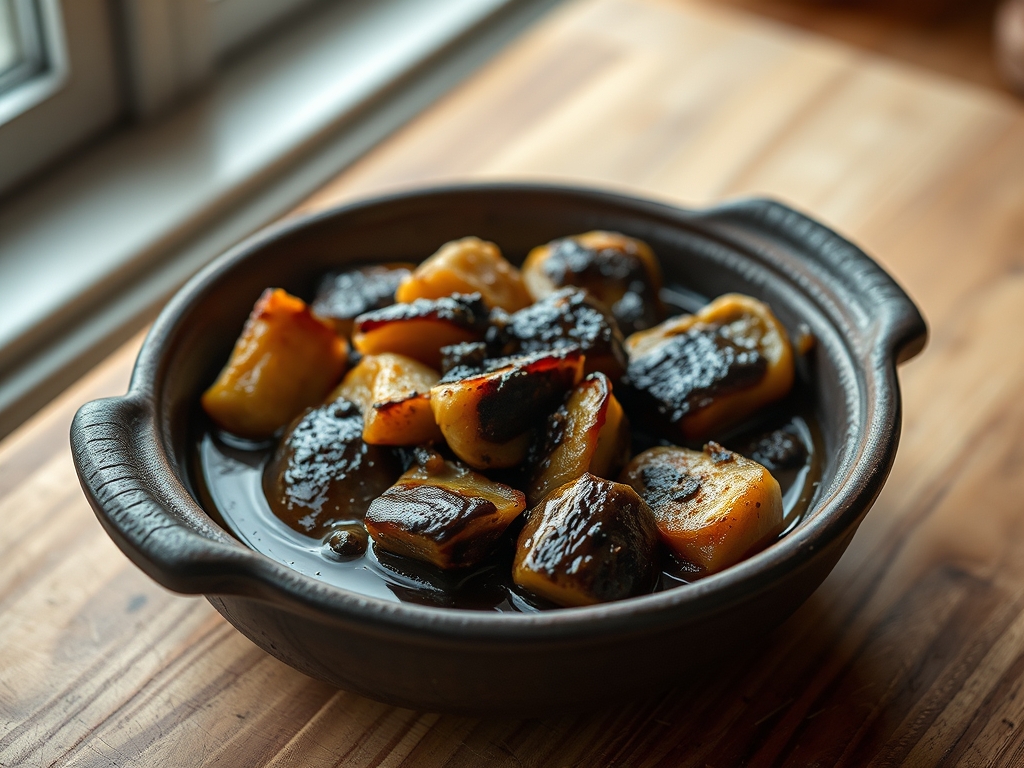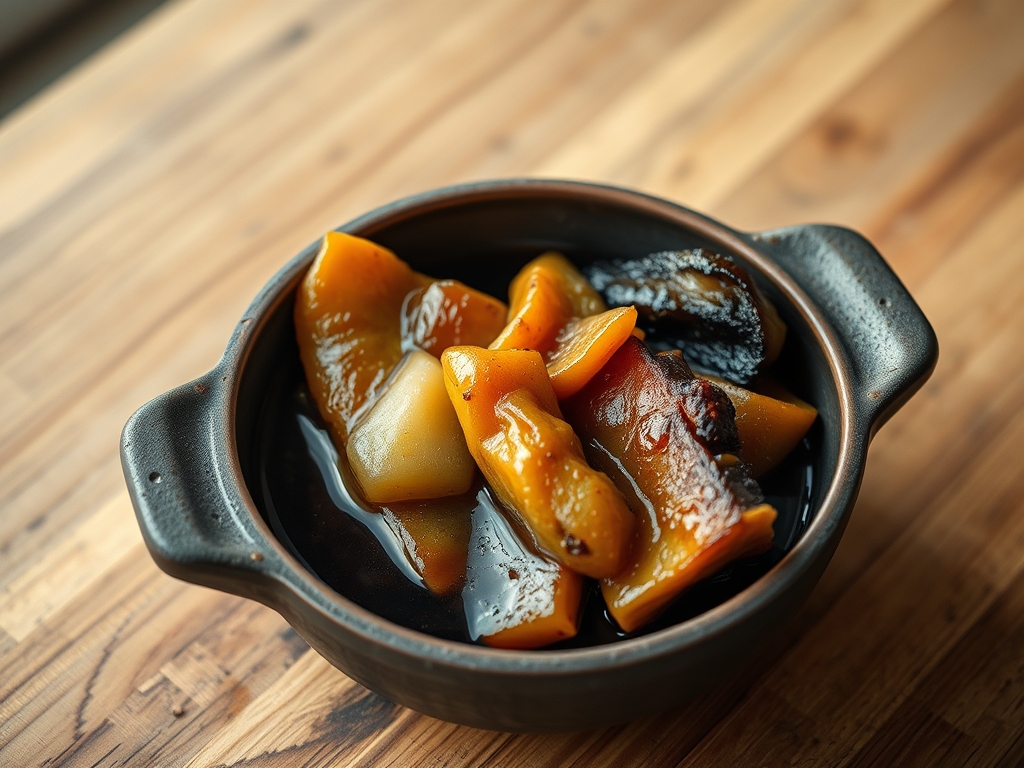
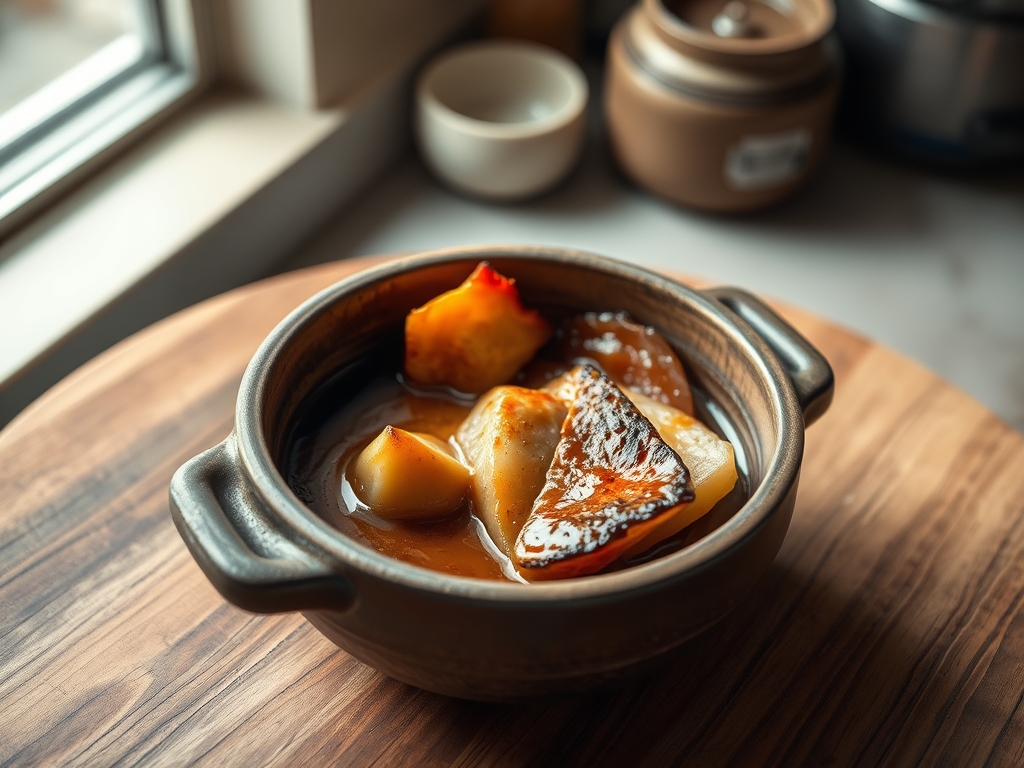
Step into the laboratory of the senses where salt, time, and the microscopic ambition of Aspergillus oryzae collide to create culinary gold. We are not merely talking about a condiment; we are dissecting the structural integrity of umami itself. When we evaluate Miso Paste Maturity, we are measuring the successful proteolysis of soy proteins into a complex symphony of amino acids. The air in a proper fermentation chamber should be heavy with the scent of toasted nuts, overripe fruit, and a deep, earthy funk that signals a successful harvest of flavor. If your current supply lacks that viscous, lacquer-like sheen or tastes one-dimensional, your infrastructure is failing you. This audit is designed to overhaul your understanding of the aging process, moving beyond simple "salty bean paste" into the realm of high-frequency flavor engineering. We are hunting for that perfect balance of sweetness and savory depth that only comes from disciplined patience and surgical precision in moisture control. Prepare for a total system reboot of your pantry standards.
THE DATA MATRIX
| Metric | Specification |
|---|---|
| Prep Time | 45 Minutes (Initial Inoculation) |
| Execution Time | 6 to 18 Months (Fermentation Window) |
| Yield | 2.5 kg / 5.5 lbs |
| Complexity (1-10) | 8 (Requires strict sanitation protocols) |
| Estimated Cost per Serving | $0.12 USD |
THE GATHERS
Ingredient Protocol:
- 500g / 1.1 lbs Organic Yellow Soybeans (Dried)
- 500g / 1.1 lbs Koji Rice (Fresh or Dehydrated)
- 250g / 8.8 oz Non-iodized Sea Salt
- 150ml / 0.6 cups Reserved Soybean Cooking Liquid
- 30g / 1 oz Additional Salt (For the "sealing layer")
- 5ml / 1 tsp High-proof Alcohol (For sterilization)
Section A: Ingredient Quality Audit:
If your soybeans are old or shriveled, they will not hydrate evenly, leading to "hard hearts" that resist the koji enzymes. Hydrate your legumes for a full 18 hours to ensure the cellular structure is primed for breakdown. If using dehydrated koji that feels brittle or lacks a floral aroma, rehydrate it with a fine mist of filtered water before mixing. Using iodized salt is a critical failure; iodine is an antimicrobial agent that can inhibit the very fungal activity we require for Miso Paste Maturity. Always opt for high-purity sea salt or kosher salt to ensure the enzymatic pathway remains unobstructed.
THE MASTERCLASS
1. Thermal Processing of the Substrate
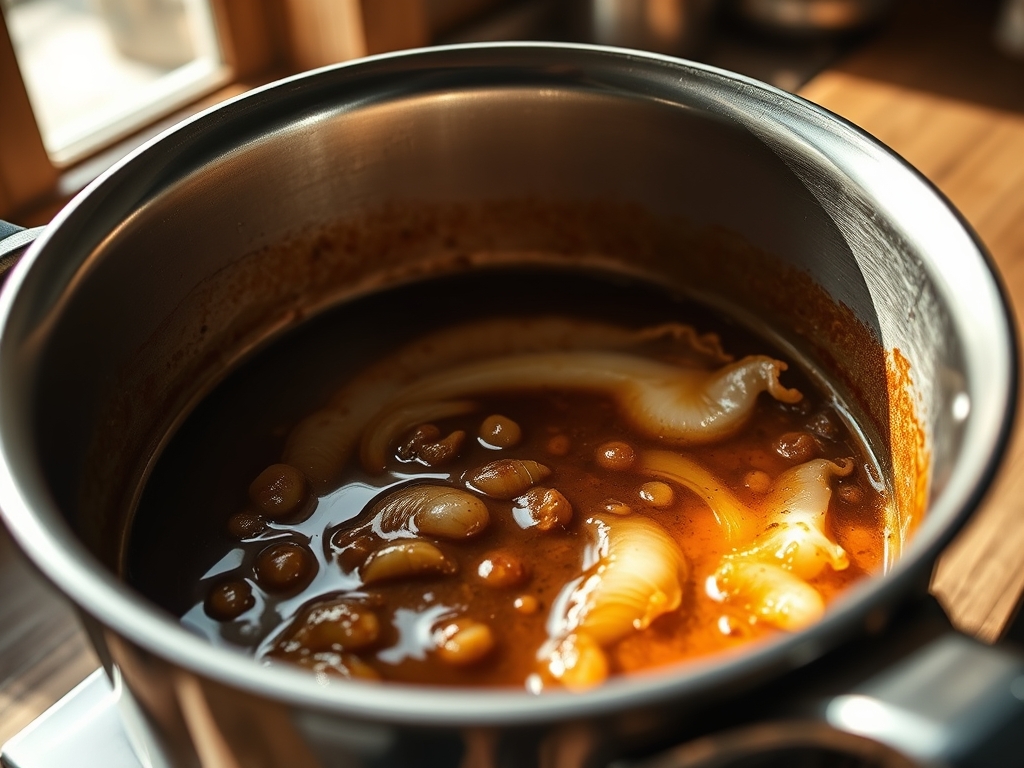
Place your hydrated soybeans into a heavy-bottomed pot or a professional pressure cooker. Simmer until the beans can be effortlessly crushed between your thumb and pinky finger. This level of tenderness is non-negotiable for enzyme penetration.
Pro Tip: Use a digital scale to weigh the beans before and after cooking. The weight gain indicates the hydration percentage, which directly affects the final water activity (aw) of your paste. A higher water activity can lead to spoilage rather than fermentation.
2. The Mashing and Milling Phase
Drain the beans but reserve the liquid. Use a bench scraper to clear your workstation and a heavy-duty potato masher or a meat grinder to pulverize the beans into a smooth, consistent paste. There should be no whole beans remaining in the matrix.
Pro Tip: The science here involves increasing the surface area for the koji enzymes to latch onto. By creating a fine paste, you accelerate the rate at which proteases can convert proteins into savory glutamates.
3. Enzymatic Integration
Allow the bean mash to cool to exactly 30 degrees Celsius (86 degrees Fahrenheit). Mix the koji rice and salt thoroughly in a separate bowl before folding them into the bean paste. Add reserved liquid in 25ml increments until the texture resembles firm sculpting clay.
Pro Tip: Temperature control is the "kill switch" here. If the mash is too hot, you will denature the enzymes and kill the koji spores. Use an infrared thermometer to verify the temperature across the entire mass, not just the surface.
4. Compacting and Air Exclusion
Roll the mixture into tight balls and hurl them into a sterilized fermentation vessel (ceramic or glass). Use your fist or a heavy tamper to press the paste down, ensuring no air pockets remain. Air is the enemy; it allows opportunistic molds to colonize the surface.
Pro Tip: Professional fermenters use a saucier or a small weighted plate to keep constant pressure on the mash. This pressure encourages the liquid to rise, creating a natural anaerobic seal that protects the interior.
5. The Long-Term Sealing Protocol
Wipe the interior walls of the vessel with high-proof alcohol. Sprinkle a thick layer of salt over the surface of the miso and cover with parchment paper. Place a heavy weight (20% of the miso's weight) on top and seal the lid tightly.
Pro Tip: This stage is where Miso Paste Maturity is forged. The weight forces the "tamari" (liquid byproduct) to the surface. This liquid is a concentrated umami brine that acts as a biological shield against contamination.
Section B: Prep & Timing Fault-Lines:
The most common human error is impatience during the cooling phase. Mixing koji into a 50 degree Celsius mash results in a "dead" ferment that will simply rot. Another frequent failure is insufficient salt distribution. If the salt is not homogenized, "pockets of decay" can form where harmful bacteria outcompete the koji. Use a folding technique similar to bread kneading to ensure every gram of paste is protected by the salinity of the environment.
THE VISUAL SPECTRUM
Section C: Thermal & Visual Troubleshooting:
Observe the Masterclass photo: the deep amber hue and the slightly oily surface are the primary indicators of a mature ferment. If your miso appears pale or chalky after six months, your ambient temperature may be too low, stalling the enzymatic activity. If you see white "dots" on the surface, do not panic; these are usually tyrosine crystals, a byproduct of protein breakdown and a hallmark of quality. However, if you see fuzzy green or black growth, the seal was compromised. Scrape away the top two inches, re-sanitize the vessel walls, and apply a fresh salt seal. A dull, matte finish suggests the paste has dried out; add a small amount of 12% salt brine to restore the viscous texture.
THE DEEP DIVE
Macro Nutrition Profile:
A standard 20g serving of mature miso provides approximately 40 calories, 2g of protein, 5g of carbohydrates, and 1g of fat. Its true value lies in the bioactive peptides and probiotics, though the high sodium content (approx. 600-800mg) requires calculated usage in a balanced diet.
Dietary Swaps:
- Vegan: Naturally compliant.
- Keto: Use in moderation; the fermentation process consumes most of the sugars in the rice, but trace carbs remain.
- GF: Ensure your koji was grown on rice, not barley (mugi miso), to remain strictly gluten-free.
Meal Prep & Reheating Science:
Never boil miso. High heat destroys the delicate aromatic compounds and kills the beneficial bacteria. To maintain the molecular structure, whisk the paste into a small amount of warm liquid to aerate and infuse before stirring it into the final dish at the very end of the cooking process.
THE KITCHEN TABLE
Why is my miso turning very dark?
This is the Maillard reaction occurring at room temperature. Over months, the amino acids and residual sugars react to darken the paste. This is a sign of deep Miso Paste Maturity and increased flavor complexity.
Can I use chickpeas instead of soybeans?
Absolutely. Chickpeas provide a sweeter, lighter profile. The protocol remains the same, though the fermentation time is often shorter (3 to 6 months) due to the higher sugar content in the pulses.
What is the liquid pooling on top?
That is "Tamari," a gluten-free soy sauce byproduct. It is a liquid gold of umami. You can stir it back in to maintain moisture or siphon it off to use as a potent seasoning.
How do I know when it is officially "done"?
Maturity is subjective. Start tasting at six months. It is done when the raw "beany" taste is replaced by a piquant, savory, and slightly sweet fermented profile that lingers on the palate.