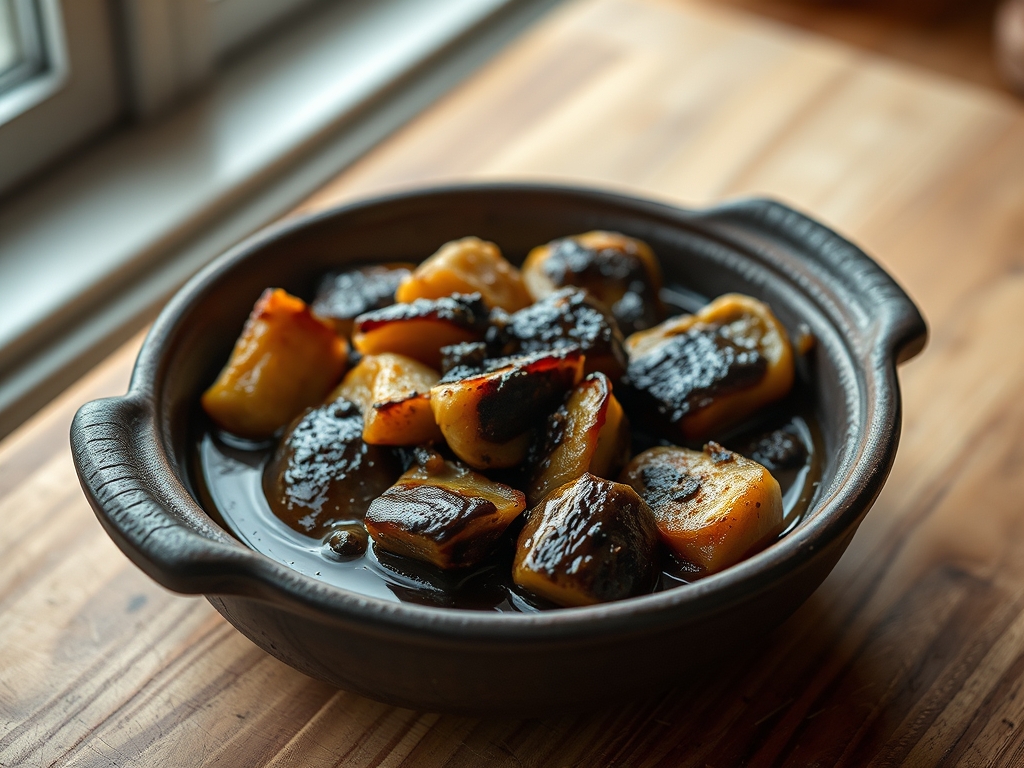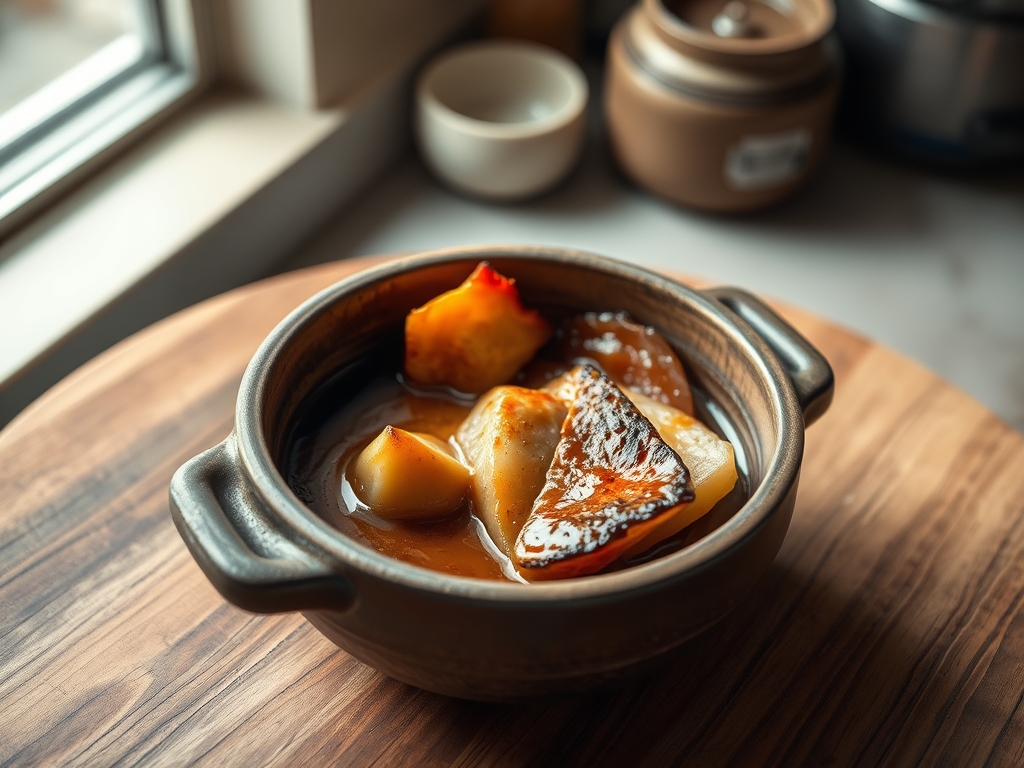
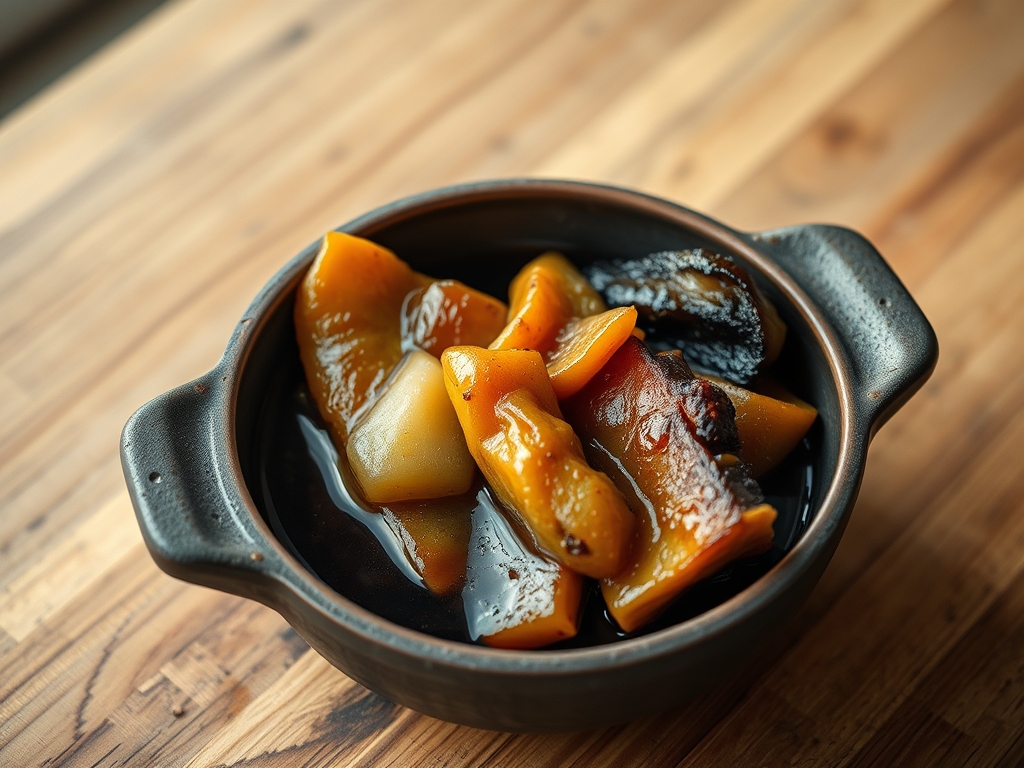
Imagine standing at the edge of a fermentation vat where time itself has been distilled into a dark, viscous liquid. This is not just a condiment; it is a structural achievement of biochemical engineering. When we analyze Aged Soy Sauce Data, we are looking at the wreckage of proteins. Specifically, the proteolytic breakdown of soy and wheat into a slurry of free amino acids, glutamates, and complex sugars. The air is thick with a piquant, yeasty aroma that signals the successful colonization of Aspergillus oryzae. This is the infrastructure of flavor. To harness this power, one must understand that salt brewing is a slow-motion collision between brine and legume. We are not just cooking; we are managing a microscopic workforce that labors for months to produce that signature umami depth. If your palate only knows the thin, chemically hydrolyzed versions found in plastic packets, prepare for a systemic shock. We are diving into the molecular architecture of the world's most sophisticated liquid seasoning, where every drop carries the weight of history and the precision of modern food science.
THE DATA MATRIX
| Metric | Specification |
|---|---|
| Prep Time | 45 Minutes (Initial Inoculation) |
| Execution Time | 6 to 18 Months (Fermentation) |
| Yield | 2 Liters / 8.5 Cups |
| Complexity (1-10) | 9 |
| Estimated Cost per Serving | $0.12 |
THE GATHERS
Ingredient Protocol:
- 500g / 1.1 lbs Organic Non-GMO Soybeans
- 500g / 1.1 lbs Whole Soft Wheat Berries
- 2g / 0.5 tsp Koji-kin (Aspergillus oryzae spores)
- 400g / 14 oz Sea Salt (Non-iodized)
- 2L / 8.5 cups Filtered Water (Chlorine-free)
Section A: Ingredient Quality Audit:
If your soybeans are shriveled or display uneven discoloration, your protein yield will plummet. Old beans lack the moisture necessary for the Koji to penetrate the hull. To fix this, increase the soaking time by four hours or utilize a pressure cooker to ensure the interior reaches a buttery consistency. If your wheat berries smell musty, they are likely harboring rogue molds that will compete with your Koji culture. Always toast your wheat until it is fragrant and golden brown; this not only sterilizes the grain but initiates the Maillard reaction, providing the foundational color for your Aged Soy Sauce Data. Finally, never use tap water. The residual chlorine acts as an antimicrobial agent that will stall your enzymatic activity before it even begins. Use distilled or charcoal-filtered water to ensure a pristine environment for your microbial colony.
THE MASTERCLASS
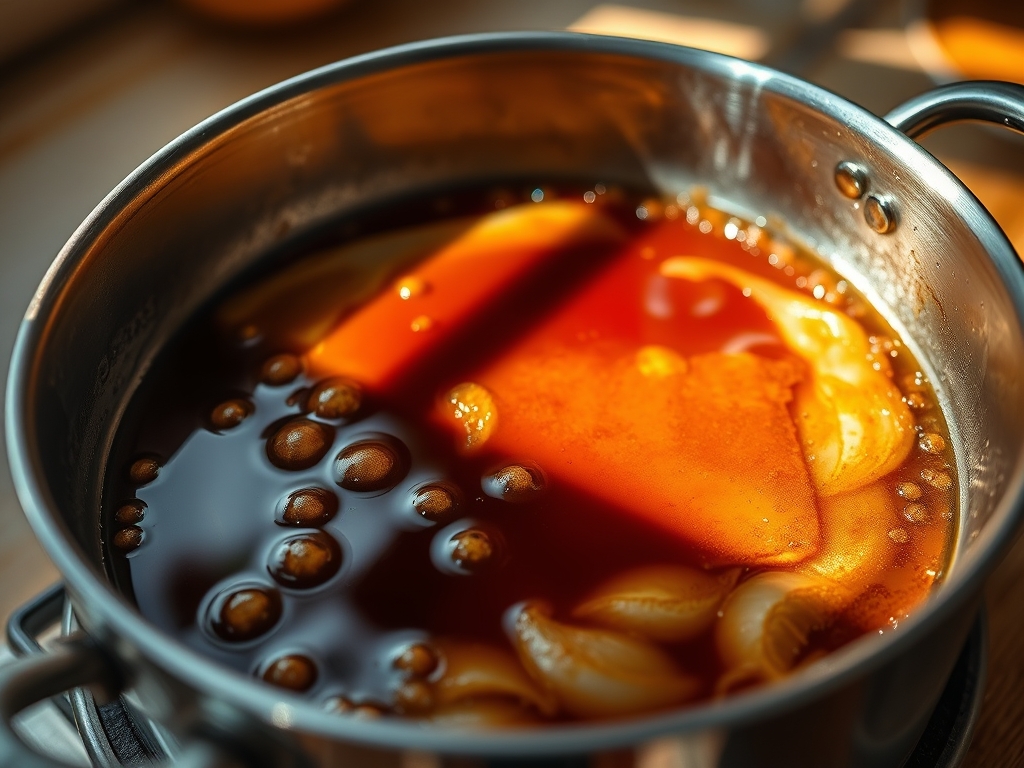
1. Hydration and Proteolysis Initiation
Soak the soybeans in a large stainless steel bowl for 12 to 16 hours. The beans should double in size and lose their "beany" raw scent. Drain and steam the beans until they can be easily crushed between your thumb and forefinger.
Pro Tip: Use a digital scale to measure the weight of the beans before and after steaming. This allows you to calculate the exact hydration percentage, which is critical for Koji growth. Professional chefs often use a perforated steam pan to ensure even heat distribution.
2. The Wheat Roasting Protocol
While the beans steam, toast your wheat berries in a heavy-bottomed saucier or cast-iron skillet. Move them constantly with a wooden spoon until they pop and turn a deep mahogany. Once cooled, crack them coarsely using a grain mill or a heavy-duty mortar and pestle.
Pro Tip: Do not grind the wheat into a fine flour. The coarse texture is necessary to create air pockets within the bean mixture, allowing the Aspergillus oryzae to aerate and thrive throughout the substrate.
3. Inoculation and Incubation
Mix the warm beans and cracked wheat. When the temperature drops to exactly 30C (86F), dust the mixture with the Koji spores. Spread the mixture onto wooden trays (Koji buta) at a depth of no more than two inches. Store in a humid, temperature-controlled environment for 48 to 72 hours.
Pro Tip: Monitoring the internal temperature of the "cake" is vital. If it exceeds 40C (104F), the spores will die. Use a high-precision probe thermometer to track the heat generated by the mold's metabolic activity.
4. Brine Submersion (Moromi Phase)
Dissolve your sea salt into the filtered water to create a 20 percent brine solution. Place your Koji-covered grain cake into a sterilized fermentation crock and pour the brine over it. This mixture is now called "Moromi."
Pro Tip: Use a silicone spatula to scrape every bit of Koji into the crock. The salt concentration must be high enough to inhibit spoilage bacteria while allowing the enzymes to continue the proteolytic breakdown.
5. The Agitation and Aging Cycle
For the first week, stir the Moromi twice daily with a long-handled stainless steel paddle. This introduces oxygen and prevents anaerobic spoilage. After the first week, reduce stirring to once a week. Let the mixture age in a cool, dark place for at least six months.
Pro Tip: As the mixture ages, the enzymes will render the solids into a liquid. You will notice the color transition from tan to a deep, translucent black as the Aged Soy Sauce Data matures.
Section B: Prep & Timing Fault-Lines:
The most common failure in soy sauce production is temperature mismanagement during the first 48 hours of inoculation. If the room is too cold, the Koji will remain dormant, allowing wild green or black molds to seize the substrate. If this occurs, the entire batch must be discarded. Another critical timing error is rushing the brine phase. If you add the brine while the Koji cake is still too hot, you will denature the enzymes responsible for flavor development. Always use a bench scraper to turn the Koji during incubation to ensure even cooling and oxygenation. Precision is your only defense against spoilage.
THE VISUAL SPECTRUM
Section C: Thermal & Visual Troubleshooting:
In the Masterclass photo, you will observe a deep, reflective surface on the finished sauce; this indicates a high concentration of dissolved solids and sugars. If your sauce appears thin or pale, it likely suffered from insufficient wheat toasting or a fermentation period that was too short. Dull, muddy colors suggest that the Moromi was not stirred enough, leading to uneven oxidation. If you see a white film on top of your liquid during aging, do not panic. This is often "kahm yeast." While not toxic, it should be skimmed off immediately with a sterile spoon to prevent it from affecting the flavor profile. The final product should be viscous enough to coat the back of a spoon, a visual cue that the proteins have successfully broken down into a rich, umami-dense liquid.
THE DEEP DIVE
Macro Nutrition Profile:
Aged soy sauce is virtually fat-free and low in calories, but it is a concentrated source of sodium. A single tablespoon contains approximately 900mg of sodium. However, it also provides trace amounts of manganese and vitamin K2, produced during the long fermentation process.
Dietary Swaps:
- Vegan: Naturally vegan.
- Keto: Acceptable in moderation; the fermentation process consumes most of the carbohydrates in the wheat.
- Gluten-Free: Replace wheat berries with roasted rice or buckwheat, though the flavor profile will shift toward a "Tamari" style.
Meal Prep & Reheating Science:
Aged soy sauce is incredibly stable due to its high salt content. It does not require refrigeration, though keeping it in a cool, dark place preserves the volatile aroma compounds. When using it in hot dishes, add it toward the end of the cooking process. High heat can mute the delicate esters and alcohols formed during the months of aging; adding it late ensures the molecular structure of the flavor remains intact.
THE KITCHEN TABLE
How do I know if my Koji is dead?
If the beans do not develop a white, fuzzy coating after 48 hours and instead smell like rotting gym socks, the Koji has failed. This is usually due to excessive heat or contaminated equipment.
Can I use regular table salt?
Avoid it. Table salt often contains anti-caking agents and iodine. These additives can interfere with the delicate chemical balance of the brine and produce a metallic aftertaste in your finished Aged Soy Sauce Data.
Why is my soy sauce sour?
A sour profile indicates that lactic acid bacteria took over during the early stages of fermentation. This usually happens if the salt concentration in your brine was too low or if the temperature was too high during aging.
What is the best vessel for aging?
Glass or food-grade ceramic crocks are ideal. Avoid plastic, as the high acidity and salt content can cause chemicals to leach into the sauce over the long fermentation period. Wood is traditional but harder to sterilize.