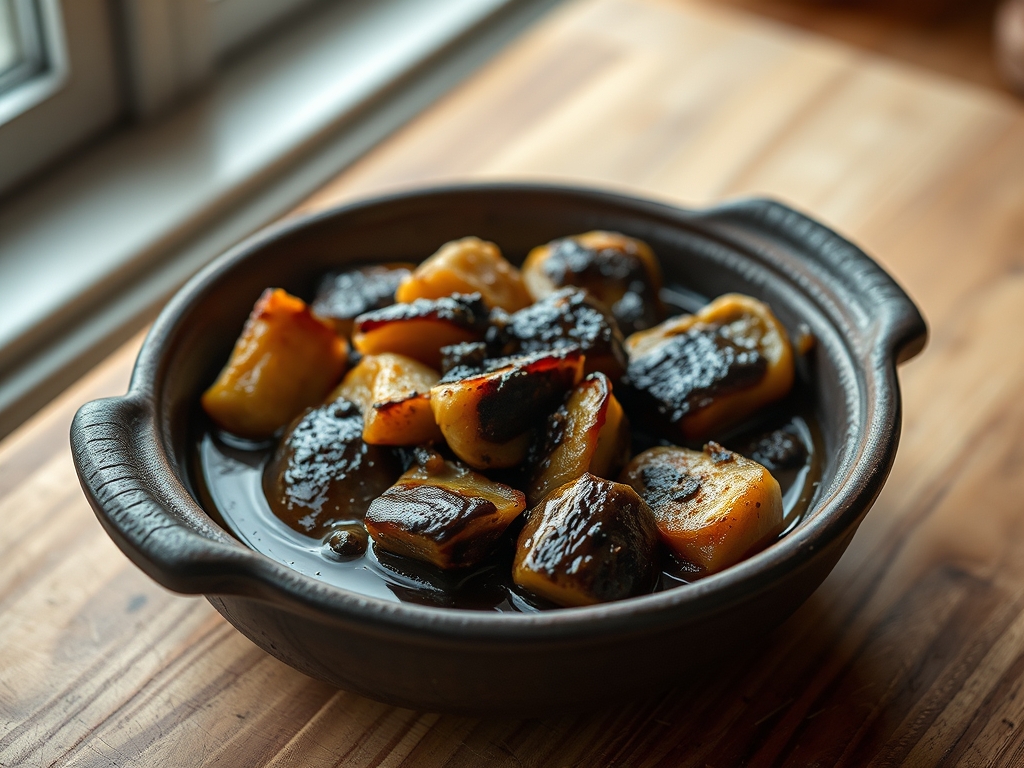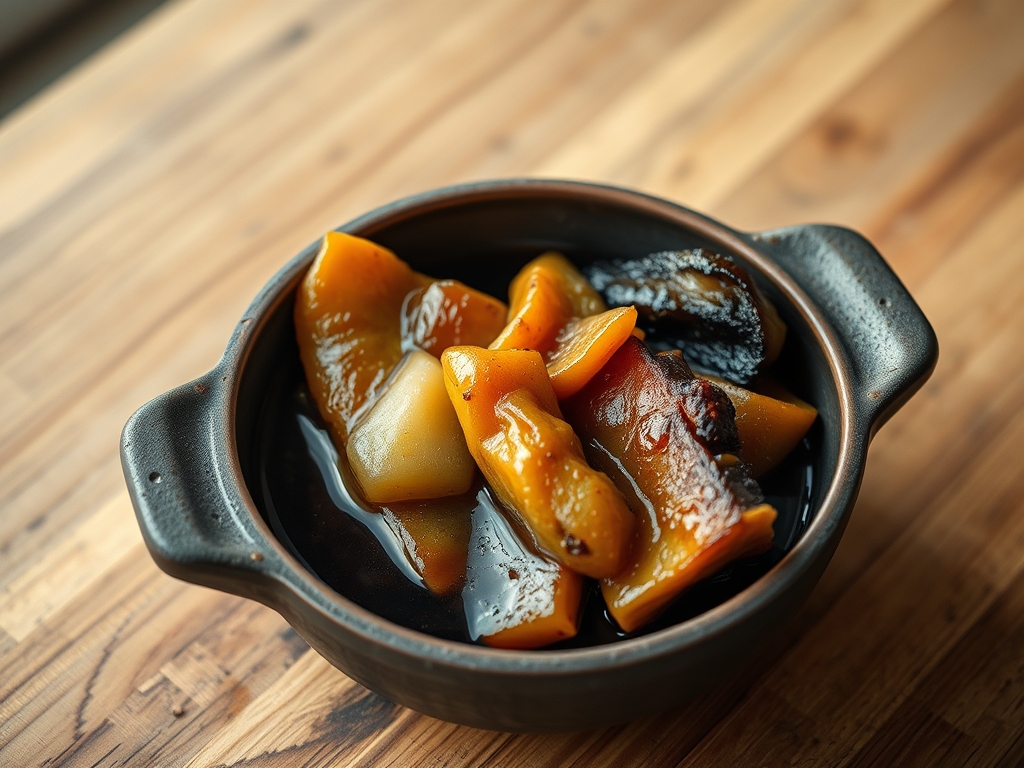
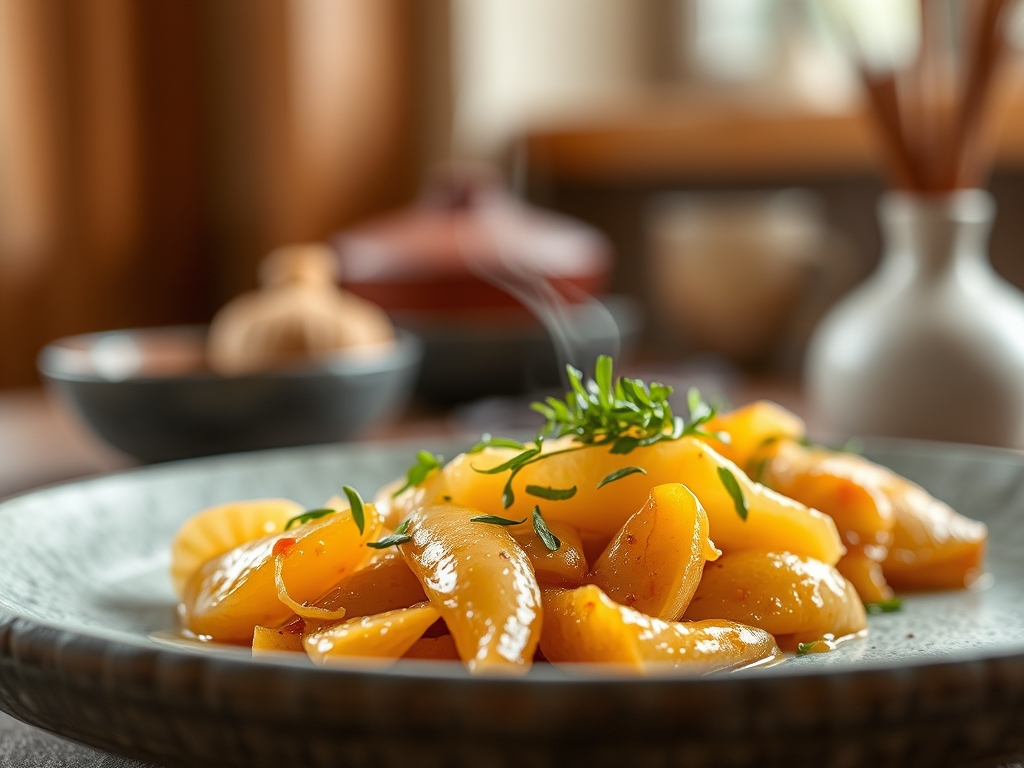
Listen to the rhythmic thrum of your kitchen. It is not just a room; it is a laboratory where the laws of thermodynamics and microbiology collide. Today, we are auditing the most powerful biological synergy in the pantry: Fermented Honey Garlic. This is not a mere condiment. It is a viscous, piquant elixir born from an anaerobic struggle between wild yeast and the sulfurous defenses of the Allium sativum. When you submerge raw garlic cloves into raw honey, you initiate a slow-motion chemical heist. The honey, a supersaturated sugar solution, begins to draw moisture out of the garlic through osmosis. This thins the honey, lowering its water activity to a level where dormant yeasts wake up and begin their work. The result is a transformation of harsh, biting garlic into mellow, caramel-toned jewels, while the honey becomes a thin, pourable nectar packed with medicinal potency. This is the ultimate technical audit of flavor development. We are not just cooking; we are managing a living ecosystem.
THE DATA MATRIX
| Metric | Specification |
|---|---|
| Prep Time | 20 Minutes |
| Execution Time | 14 to 30 Days |
| Yield | 500ml (Approx. 2 Cups) |
| Complexity (1-10) | 3 (Process Management Heavy) |
| Estimated Cost per Serving | $0.45 |
THE GATHERS
Ingredient Protocol:
- 500ml / 2 cups Raw, Unfiltered Honey (Must be unpasteurized).
- 250g / 9oz Fresh Garlic Cloves (Approximately 4 to 5 heads).
- 15ml / 1 tbsp Apple Cider Vinegar (Optional pH stabilizer).
- 2g / 0.5 tsp Red Chili Flakes (Optional for heat infusion).
Section A: Ingredient Quality Audit:
The success of your Fermented Honey Garlic hinges on the enzymatic integrity of your raw materials. If you use pasteurized honey, you are essentially working with a sterile sugar syrup; the heat-treated honey lacks the wild yeasts required to trigger fermentation. Technical fix: Ensure the label explicitly states "Raw" or "Unpasteurized." If your garlic is sprouting green shoots (the germ), the flavor profile will skew bitter. Technical fix: Slice the cloves lengthwise and remove the green germ with a paring knife to maintain a sweet, mellow finish. If your garlic is pre-peeled and sold in jars, it has likely been treated with citric acid or gasses to prevent spoilage. This will stall your fermentation. Always start with whole, papery heads of garlic for maximum allexin potential.
THE MASTERCLASS
1. The Mechanical Breakdown
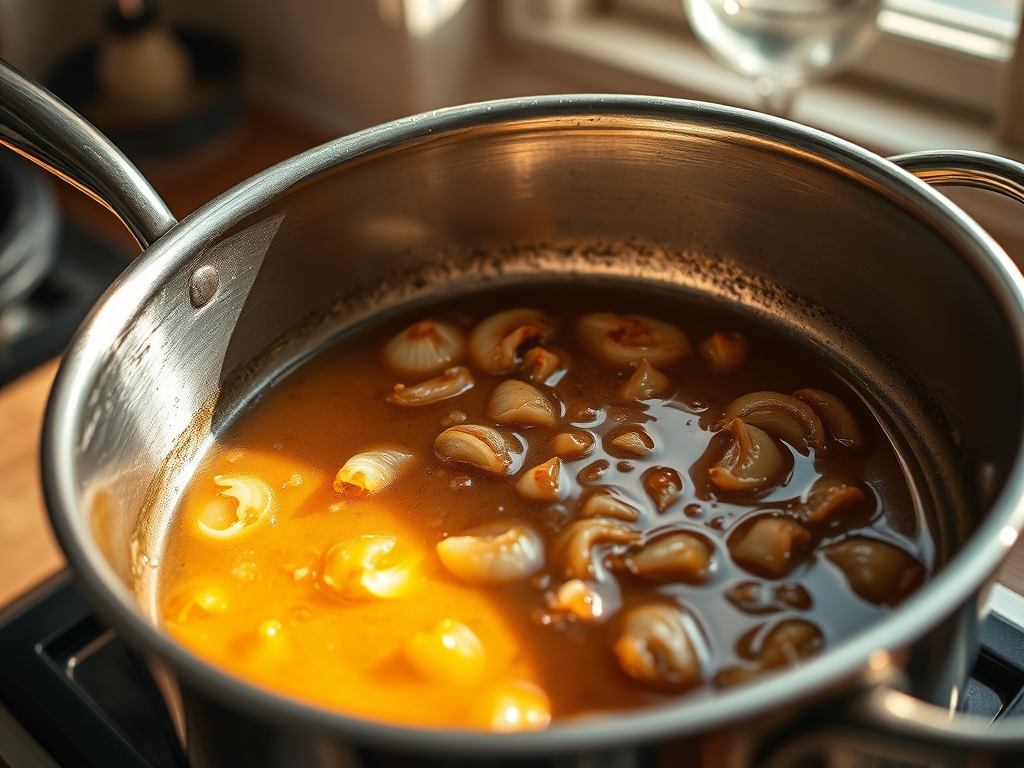
Peel the garlic cloves by hand or by using the flat side of a chef knife to gently crack the skin. Do not pulverize the cloves. You want to maintain the structural integrity of each clove while creating enough surface area for the honey to penetrate. Use a digital scale to ensure your ratios are precise.
Pro Tip: Lightly crushing the cloves triggers the enzyme alliinase, which converts alliin into allicin. This is the compound responsible for the garlic's health benefits and its signature "bite." Using a bench scraper to move the cloves prevents oil loss on your cutting board.
2. The Anaerobic Submersion
Place the cloves into a clean, sterilized glass jar. Pour the raw honey over the garlic until the cloves are completely submerged. Leave at least two inches of headspace at the top of the jar. The garlic will initially float; this is normal as the honey is more dense than the cloves.
Pro Tip: Use a saucier or a small funnel to pour the honey without creating air pockets. The science here is osmosis. The honey will draw out the garlic juice, thinning the liquid and creating the perfect environment for yeast to thrive.
3. The Degassing Protocol
Seal the jar loosely or use a fermentation lid with a one-way valve. For the first week, you must "burp" the jar daily. Flip the jar upside down once a day to ensure the floating cloves remain coated in honey, preventing mold growth on the surface.
Pro Tip: As the yeast consumes the sugars, it releases carbon dioxide. If you do not aerate or vent the jar, the pressure can cause a glass failure. Monitoring the bubble activity is your primary visual data point for fermentation speed.
4. The Maturation Phase
Store the jar in a dark, room-temperature environment (18C to 24C). Over the next two to four weeks, the honey will become significantly more viscous and then eventually turn thin and watery as the moisture content balances. The garlic cloves will darken to a deep amber.
Pro Tip: Use a pH strip to audit the safety of your ferment. A pH below 4.6 is the "gold zone" that prevents the growth of harmful bacteria. If the pH is too high, add a splash of apple cider vinegar to acidify the environment.
Section B: Prep & Timing Fault-Lines:
The most common human error in this audit is temperature fluctuation. If the environment is too cold (below 15C), the yeast will remain dormant, and you will simply have garlic-flavored honey rather than a fermented product. If it is too hot (above 30C), the fermentation may happen too quickly, leading to "off" flavors that mimic rot. Another fault-line is the "float" risk. If the tops of the garlic cloves stay exposed to the air in the headspace, they can develop surface mold. Technical fix: Ensure you rotate the jar every 24 hours to re-coat the cloves in the antimicrobial honey.
THE VISUAL SPECTRUM
Section C: Thermal & Visual Troubleshooting:
In the Masterclass photo, observe the clarity of the liquid and the saturation of the cloves. If your honey appears cloudy or develops a white film on top, do not panic. This is often "kahm yeast," which is harmless but should be scraped off to maintain flavor purity. If you see blue or green discoloration on the garlic, this is a common chemical reaction between the garlic's amino acids and the honey's trace minerals. It is visually jarring but safe to consume. However, if you see fuzzy black, green, or orange mold, the audit has failed; discard the batch. The ideal visual cue is a transition from opaque, pale cloves to translucent, mahogany-colored gems nestled in a dark, runny syrup.
THE DEEP DIVE
Macro Nutrition Profile
Per tablespoon (15ml), this ferment offers approximately 60 calories, 17g of carbohydrates, and 0g of fat. While high in sugar, the fermentation process increases the bioavailability of antioxidants and bioactive compounds like S-allyl cysteine. It is a functional food designed for micro-dosing rather than bulk consumption.
Dietary Swaps (Vegan/Keto/GF)
- Vegan: Swap honey for a thick agave nectar, though the wild yeast count is lower, so you may need to add a pinch of champagne yeast to kickstart the process.
- Keto: This is a sugar-based ferment and is generally not keto-compliant. However, the infused garlic can be used sparingly as a flavor agent.
- Gluten-Free: Naturally gluten-free. Ensure your honey source is not processed in a facility with cross-contamination.
Meal Prep & Reheating Science
To maintain the molecular structure and probiotic benefits, never boil the fermented honey. If you are using it to deglaze a pan or as a glaze for rendered duck breast, add it at the very end of the cooking process. High heat will destroy the delicate enzymes and mute the piquant complexity you spent weeks developing. Store in a cool, dark place for up to a year.
THE KITCHEN TABLE
Why is my honey so watery now?
Osmosis draws water out of the garlic and into the honey. This is a sign of a successful audit. The honey thins as it absorbs the garlic's essence, creating a pourable syrup perfect for glazing or dressings.
Is it safe to eat the garlic raw?
Absolutely. The fermentation process "cooks" the garlic chemically, removing the harsh burn and leaving a sweet, savory clove that tastes like a balsamic-infused onion. It is excellent on charcuterie boards or smashed onto sourdough.
Can I add herbs like thyme or rosemary?
Yes, but ensure they are completely dry. Adding fresh, wet herbs introduces excess moisture and "wild card" bacteria that can disrupt the honey's preservative qualities. Use dried herbs for a more controlled infusion.
How do I know when it is finished?
The ferment is technically "done" when the bubbling stops, usually after 2 to 4 weeks. However, the flavor continues to deepen for months. It is at its peak when the garlic cloves sink to the bottom.