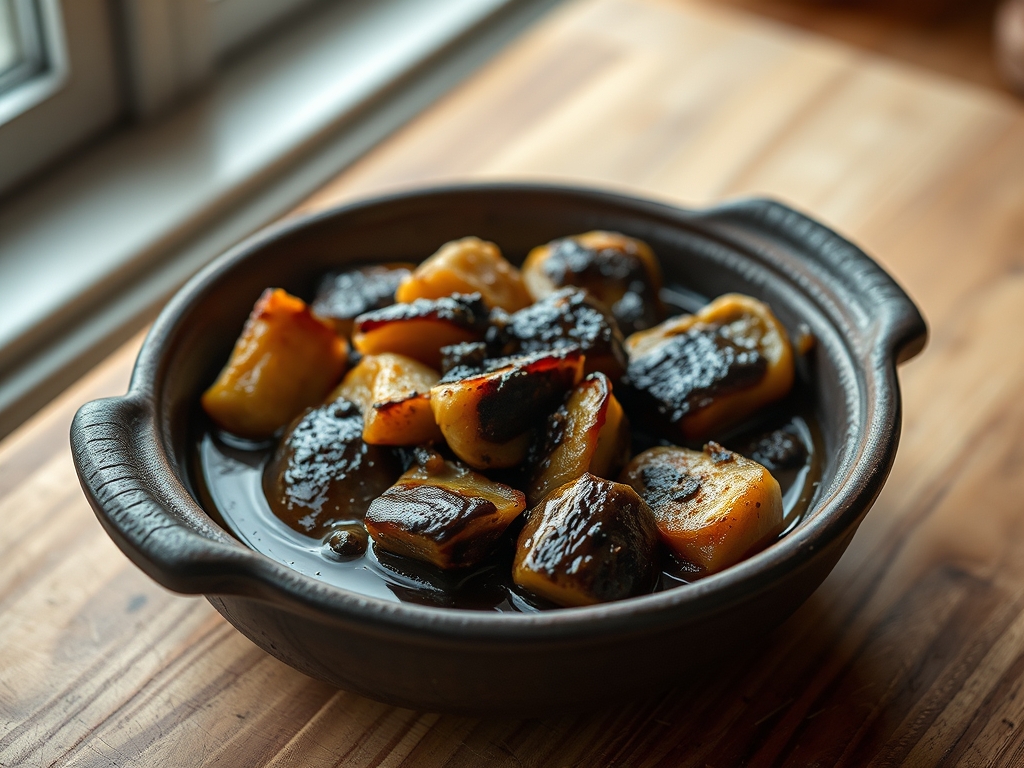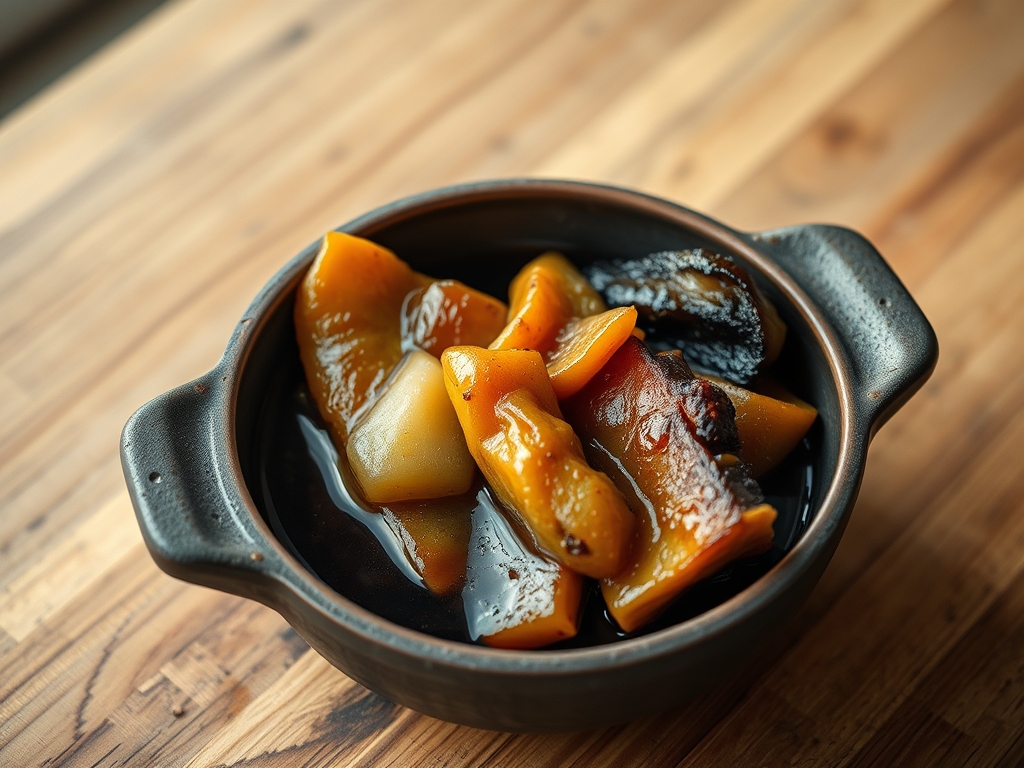
Imagine a culinary artifact so dense with flavor that it functions less like a food item and more like a high-voltage battery for the palate. We are talking about the Salted Duck Egg; a marvel of subterranean curing that transforms a humble avian vessel into a sphere of concentrated, golden umami. This is not mere pickling. This is a deliberate, weeks-long structural overhaul of proteins and lipids. When you crack open a perfectly cured specimen, you are greeted by a yolk that has transitioned from a liquid state into a firm, granular, and oil-heavy core. It is piquant, intensely savory, and possesses a mouthfeel that is simultaneously sandy and creamy. The white is a sharp, saline contrast that cuts through the richness of the yolk like a surgical blade. In the world of dim sum and rice congee, these eggs are the heavy hitters. They provide the deep, earthy bass notes that anchor an entire meal. We are about to engineer a batch of these salt-cured wonders using nothing but physics, chemistry, and a bit of patience.
THE DATA MATRIX
| Metric | Specification |
|---|---|
| Prep Time | 20 Minutes |
| Execution Time | 30 to 45 Days (Curing Duration) |
| Yield | 12 Cured Units |
| Complexity | 3 / 10 |
| Estimated Cost per Serving | $0.85 USD |
THE GATHERS
Ingredient Protocol:
- 12 Fresh Duck Eggs (approx. 840g / 1.8 lbs)
- 1 Liter / 4 Cups Filtered Water
- 300g / 1.25 Cups Coarse Sea Salt
- 60ml / 4 Tablespoons Shaoxing Rice Wine (high proof)
- 2 Star Anise Pods
- 1 Cinnamon Stick
- 1 Tablespoon Sichuan Peppercorns
Section A: Ingredient Quality Audit:
The primary failure point in this infrastructure is the integrity of the shell. Duck eggs are favored over chicken eggs because their shells are thicker and less porous; this allows for a slower, more controlled salt migration. If your eggs have micro-fractures, the salt will flood the interior too quickly, resulting in a rubbery white and a yolk that never reaches its sandy potential. Always perform a float test or use a high-lumen flashlight to candle the eggs before starting. If you cannot find duck eggs, you can use large chicken eggs, but you must reduce the curing time by 10 days to avoid a salt-bomb effect. Furthermore, the salt must be non-iodized. Iodine can introduce a metallic aftertaste that ruins the delicate, nutty notes of the yolk.
THE MASTERCLASS
Step 1: The Brine Synthesis
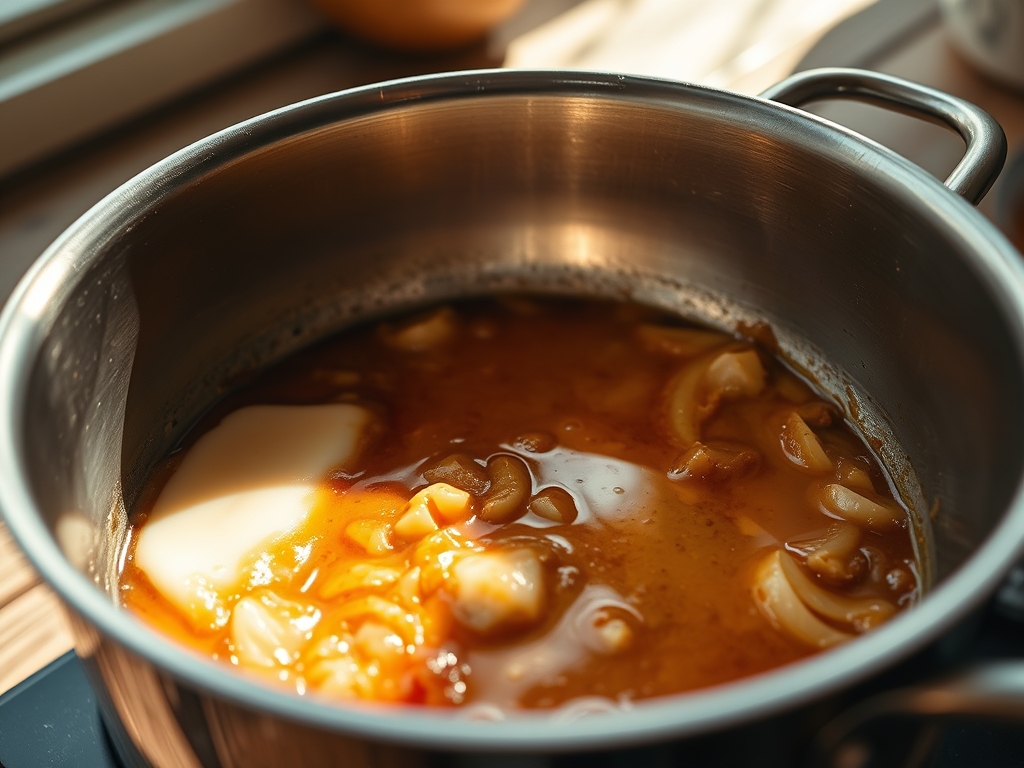
In a stainless steel saucier, combine your filtered water, sea salt, star anise, cinnamon, and peppercorns. Bring the mixture to a rolling boil, whisking constantly until the salt is fully dissolved. Once the solution is clear, remove it from the heat and allow it to reach room temperature.
Pro Tip: This is a saturated solution. By heating the water, you increase the solubility of the salt, ensuring that the maximum amount of sodium ions are available for the osmotic process. Use a digital scale to ensure your salt-to-water ratio is exactly 30 percent by weight.
Step 2: Sterilization and Priming
Wash your duck eggs thoroughly in cool water and pat them dry with a lint-free cloth. Place the eggs into a clean glass jar. Pour the Shaoxing rice wine into a small bowl and dip each egg into the alcohol for 30 seconds before placing it back into the jar.
Pro Tip: The rice wine acts as a sterilization agent and a catalyst. It helps the salt penetrate the shell more efficiently and contributes to the eventual rendering of the yolk's fats, giving it that sought-after oily texture.
Step 3: Submersion and Sealing
Pour the cooled brine over the eggs until they are completely submerged. If the eggs float, use a small ceramic weight or a zip-top bag filled with a bit of extra brine to keep them under the surface. Seal the jar tightly.
Pro Tip: Any part of the egg exposed to air is a potential site for bacterial colonization. Total submersion is non-negotiable for food safety. Use a bench scraper to help organize your workspace and keep the exterior of the jar free of salt crystals.
Step 4: The Subterranean Cure
Place the jar in a cool, dark place (like a pantry or a cellar) for 30 to 45 days. Do not agitate the jar. At the 30-day mark, remove one egg, boil it for 10 minutes, and test for yolk firmness and oiliness.
Pro Tip: The curing process is a game of osmosis. Salt moves from high concentration (the brine) to low concentration (the egg). This dehydrates the yolk proteins, causing them to aggregate into the characteristic granular texture.
Section B: Prep & Timing Fault-Lines:
The most common human error is impatience. If you pull the eggs too early, the yolk will remain viscous and liquid in the center. Conversely, if you leave them for 60 days, the whites become unpalatably salty. Temperature control is also vital. If your kitchen is consistently above 75 degrees Fahrenheit, move the curing jar to the refrigerator. While the cure will take 20 percent longer in the cold, it prevents the development of "off" flavors that occur when the fats in the yolk oxidize too rapidly in a warm environment.
THE VISUAL SPECTRUM
Section C: Thermal & Visual Troubleshooting:
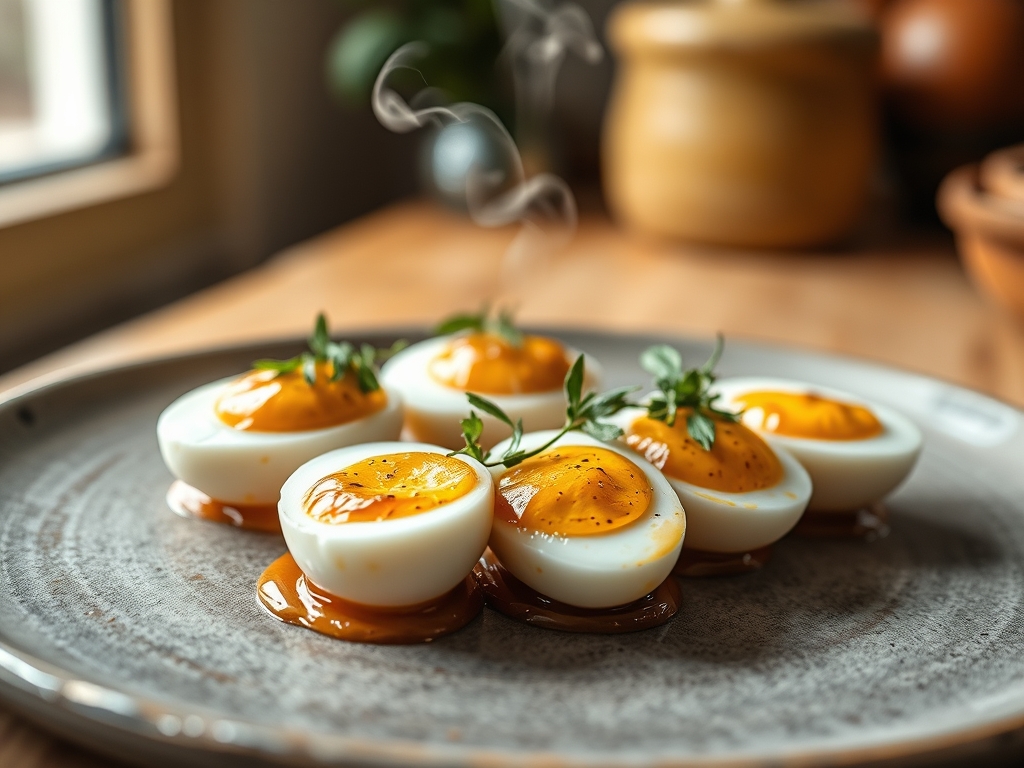
Referencing the Masterclass photo above, look for the "Golden Halo" effect. A perfectly cured egg should have a yolk that is a deep, vibrant orange, surrounded by a thin layer of translucent oil. If your yolk is pale yellow, your ducks were likely not pasture-raised, or the cure was too short. If the white of the egg appears grey or cloudy after boiling, this indicates a breach in the shell during the curing process. The texture should be "sandy" yet "melt-in-the-mouth." If the yolk is bouncy or rubbery, you have over-cured the egg; the salt has denatured the proteins to the point of total dehydration. To fix a dull appearance in the final presentation, lightly infuse the eggs with a drop of sesame oil after peeling to restore the sheen.
THE DEEP DIVE
Macro Nutrition Profile:
Salted duck eggs are a powerhouse of lipids and fat-soluble vitamins. One egg typically contains 9 grams of protein, 10 grams of fat, and roughly 600mg of sodium. They are high in Vitamin A and Iron, though the sodium content means they should be used as a condiment rather than a primary protein source.
Dietary Swaps:
- Vegan: There is no direct molecular equivalent, but firm tofu cubes cured in a brine of miso, nutritional yeast, and high-quality sea salt can mimic the umami profile.
- Keto/GF: These eggs are naturally keto-friendly and gluten-free. They are an excellent way to add healthy fats to a low-carb protocol.
Meal Prep & Reheating Science:
Once the cure is complete, boil all the eggs at once to stop the osmotic process. Store them in the refrigerator for up to three weeks. To reheat, steam them for 3 minutes. Do not microwave the eggs whole, as the high fat content in the yolk can cause a rapid pressure buildup, leading to a structural failure (an explosion).
THE KITCHEN TABLE
Why is the yolk oily?
Salt forces the water out of the yolk, which causes the lipoproteins to break apart. This releases the natural fats that were previously trapped in a stable emulsion, resulting in that luxurious, viscous orange oil.
Can I reuse the brine?
Technically yes, but it is not recommended for home cooks. The brine accumulates organic matter from the eggshells over time. For the cost of salt and water, it is safer to synthesize a fresh batch for every cycle.
My egg white is extremely salty; is this normal?
Yes. The white is the first line of defense and absorbs the most salt. This is why salted eggs are traditionally served with plain rice or congee to balance the intense salinity of the albumen.
How do I know if the egg has spoiled?
A spoiled salted egg will have a distinct, sulfurous odor that is impossible to miss. If the brine becomes bubbly or develops a thick film on top, discard the batch and sanitize your equipment.