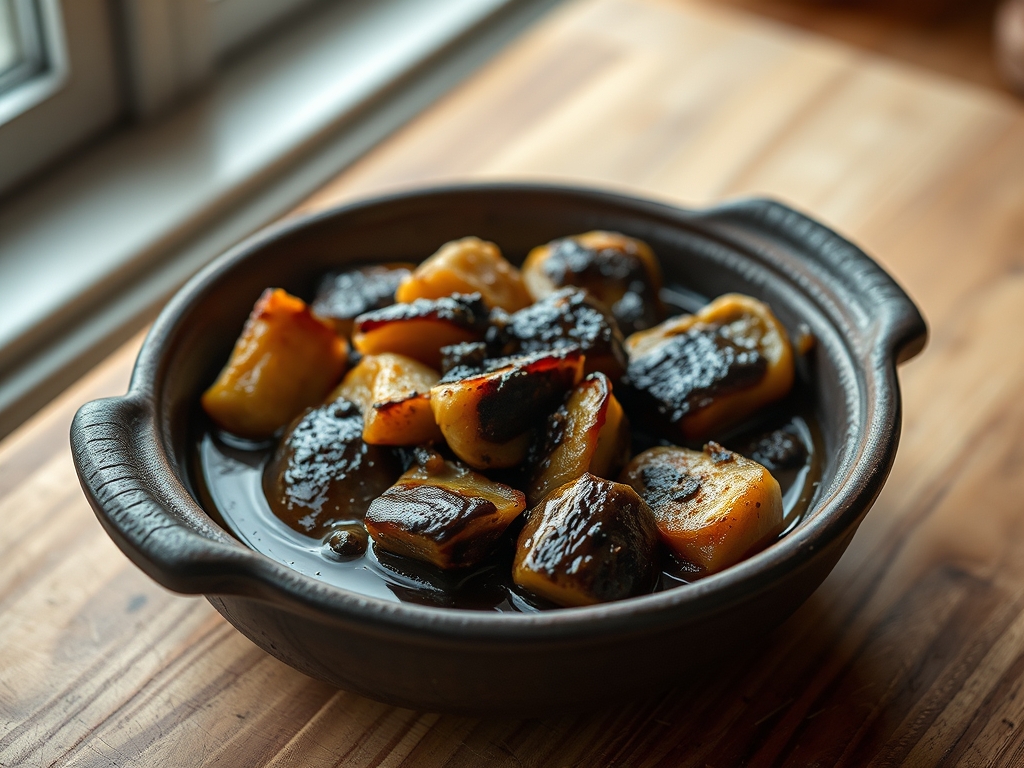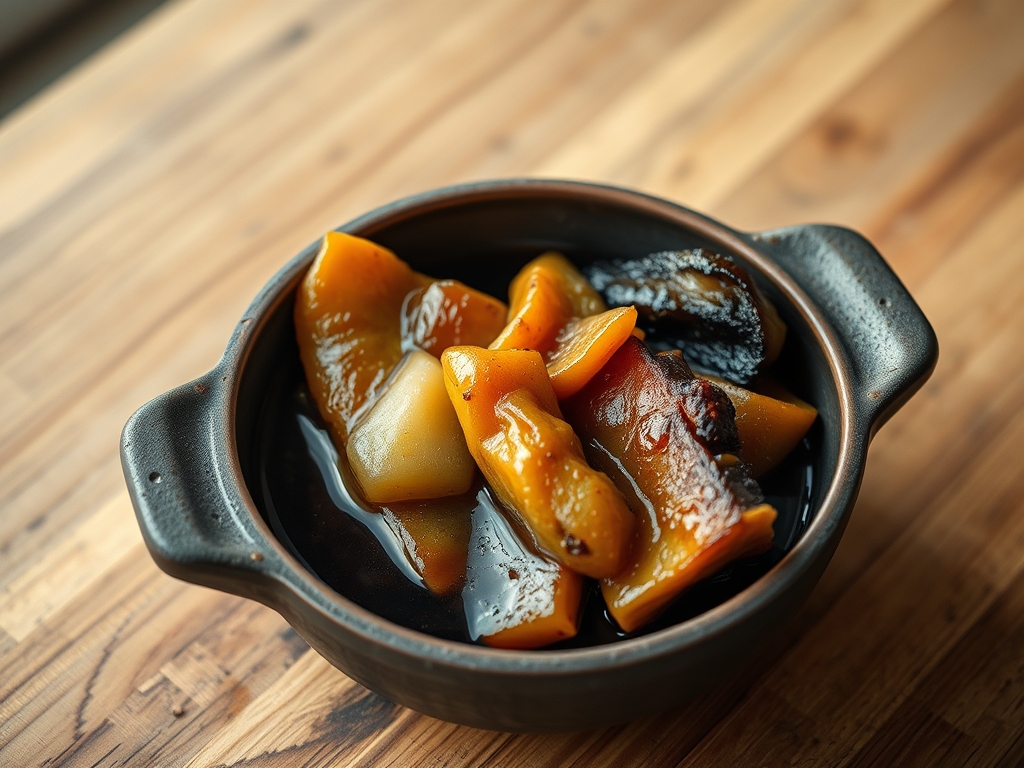
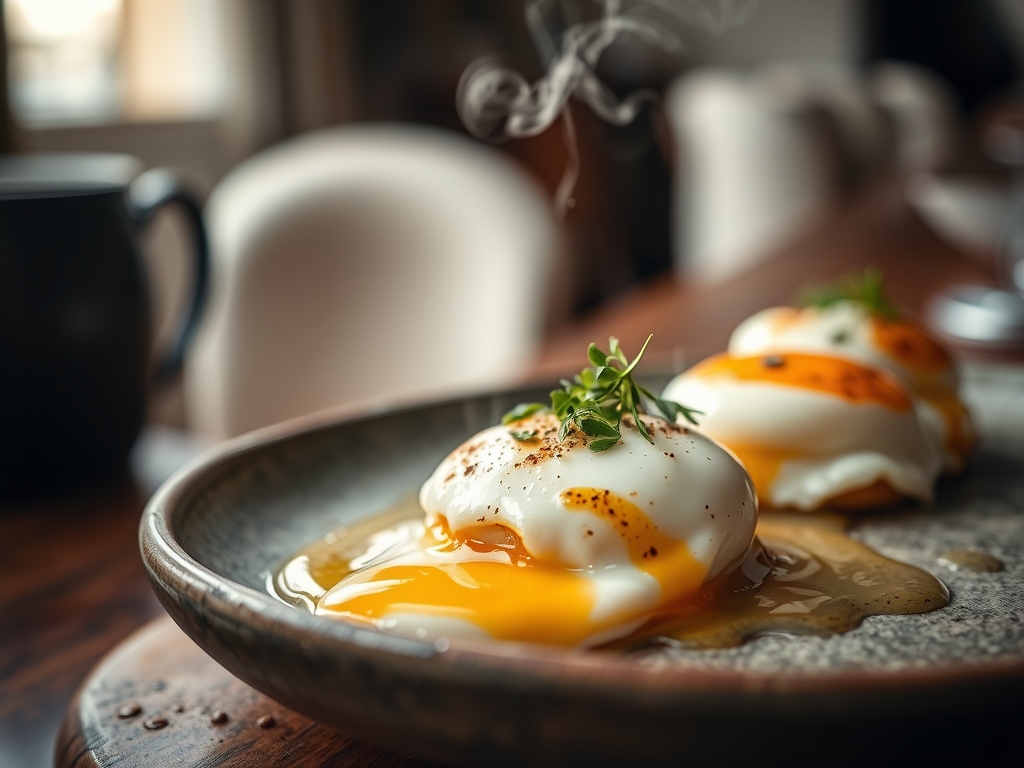
Forget everything you know about the humble breakfast scramble. We are entering the realm of the obsidian orb; the preserved marvel that defies the laws of biological decay through the sheer force of high-pH chemistry. This is not just a snack. It is a structural masterpiece forged in a subterranean bunker of alkaline salts. When we discuss Century Egg Logic, we are talking about the deliberate transformation of translucent albumen into a firm, amber-colored jelly and the metamorphosis of a yellow yolk into a creamy, forest-green center that reeks of sophisticated sulfur and umami. This process is a slow-motion chemical burn that denatures proteins until they reach a state of sublime stability. The texture is viscous and piquant; it is a sensory paradox that challenges the uninitiated and rewards the bold. As an auditor of culinary infrastructure, I demand precision in this ripening process. If your pH levels drift or your clay casing cracks, you are not making a delicacy; you are merely witnessing decomposition. We demand excellence through controlled alkalinity.
THE DATA MATRIX
| Metric | Specification |
|---|---|
| Prep Time | 45 Minutes |
| Execution Time | 30 to 45 Days |
| Yield | 12 Preserved Units |
| Complexity (1-10) | 9 |
| Estimated Cost per Serving | $0.85 USD |
THE GATHERS
Ingredient Protocol:
- 12 Fresh Duck Eggs (approx. 840g / 1.8 lbs)
- 250g / 1 cup Food-Grade Sodium Hydroxide (Lye) or Strong Wood Ash
- 150g / 0.6 cup Calcium Oxide (Quicklime)
- 200g / 1.5 cups Sea Salt
- 50g / 0.25 cup Black Tea Leaves (High Tannin)
- 1kg / 2.2 lbs Finely Sifted Clay or Red Mud
- 500g / 2 cups Rice Husks (for insulation and anti-adhesion)
- 1 Liter / 4.2 cups Distilled Water
Section A: Ingredient Quality Audit:
The primary failure point in Century Egg Logic is the use of porous or micro-cracked shells. If the shell integrity is compromised, the alkaline paste will flood the interior too quickly, leading to a liquefied mess rather than a firm gel. Use a high-intensity flashlight to "candle" each egg; reject any with hairline fractures. Furthermore, ensure your tea is high in tannins. Tannins act as a cross-linking agent for the proteins. If using sub-par tea, the albumen will remain watery. Fix this by over-steeping the tea until it is bitter and astringent. Finally, ensure your salt is non-iodized. Iodine can interfere with the specific metallic luster we seek in the finished yolk.
THE MASTERCLASS
1. The Tannin Infusion
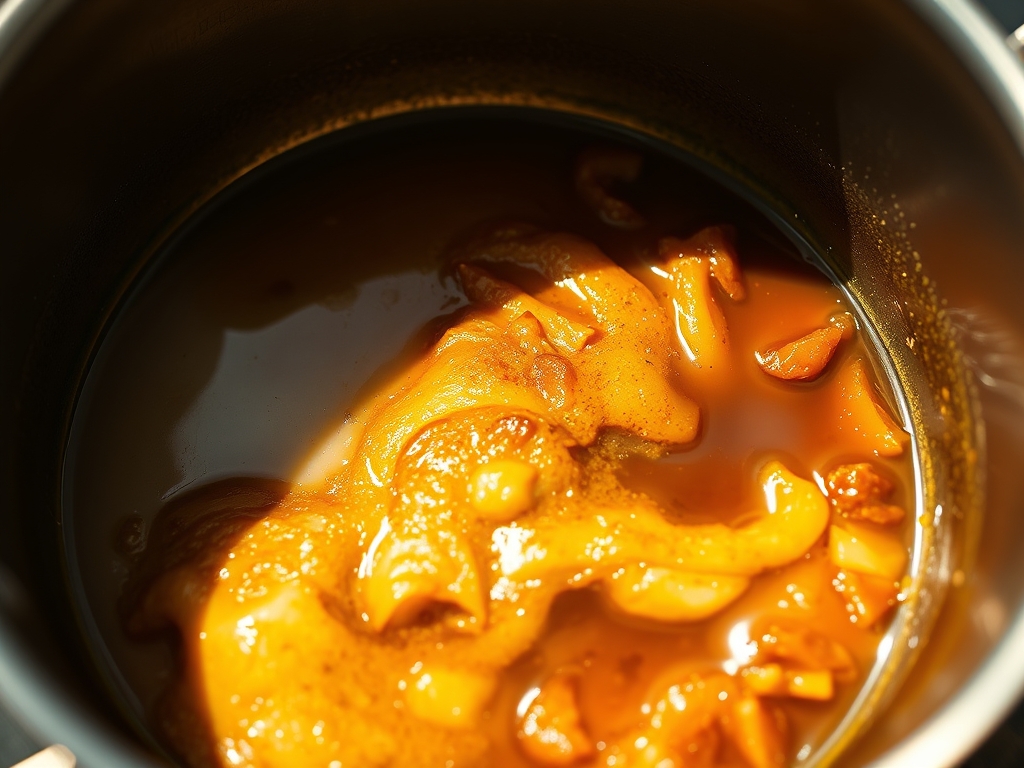
Boil the distilled water in a stainless steel saucier and add the tea leaves. Let this steep until the liquid is nearly black and completely cooled. The temperature must be precise; adding hot liquid to the alkaline salts can trigger a violent exothermic reaction.
Pro Tip: Use a digital scale to measure the tea exactly. The tannins provide the structural framework for the "pine tree" crystals that often form on the surface of the egg white.
2. The Alkaline Slurry Construction
In a heavy-duty plastic or glass container, combine the clay, quicklime, and sodium hydroxide. Slowly pour in the tea infusion while stirring with a silicone spatula. The mixture should become a thick, viscous paste that can coat the back of a spoon without dripping.
Pro Tip: This is a caustic environment. Wear gloves and eye protection. The science here is "isoelectric point" manipulation; we are raising the pH to roughly 12.0 to denature the proteins without heat.
3. The Encapsulation Protocol
Take each egg and coat it in a 1cm thick layer of the alkaline mud. Immediately roll the coated egg in rice husks. The husks prevent the eggs from sticking together and provide a secondary buffer against oxygen.
Pro Tip: Use a bench scraper to clean your workstation between eggs. Precision in coating thickness ensures that the chemical ripening reaches the center of the yolk at the same time for every egg in the batch.
4. The Subterranean Ripening
Place the eggs in an airtight ceramic crock or a heavy-duty plastic bin. Store them in a cool, dark place (approx. 15-20 degrees Celsius) for 30 to 45 days. The environment must remain stable. Fluctuations in temperature will cause the gas inside the egg to expand and contract, potentially cracking the mud seal.
Pro Tip: Use a Bluetooth hygrometer to monitor the storage environment. If the mud dries out too quickly, the chemical reaction stops; if it stays too wet, the eggs may rot.
Section B: Prep & Timing Fault-Lines:
The most common human error is impatience. Pulling an egg at day 20 will result in a "half-cooked" appearance where the center is still bright yellow and liquid. Conversely, leaving them for 60 days in a high-concentration slurry can lead to "over-ripening," where the ammonia scent becomes overpowering and the texture turns rubbery. Conduct a "sacrificial audit" at day 30. Crack one egg to check the transition. If the white is still pale, reseal the container and wait another week.
THE VISUAL SPECTRUM
Section C: Thermal & Visual Troubleshooting:
Referencing the Masterclass photo, you are looking for a deep, translucent mahogany color in the whites. If your eggs appear cloudy or opaque, your pH was likely too low; increase the lime content in the next batch. If the yolk is neon green rather than a dark, muddy forest green, the infusion of iron and sulfur hasn't fully reacted. To fix a "dull" appearance, ensure the eggs are washed thoroughly after ripening and then rubbed with a tiny amount of sesame oil to restore the luster. If you see no "pine branch" patterns, your tannin concentration was insufficient. While purely aesthetic, these crystals are the hallmark of a master-level chemical ripen.
THE DEEP DIVE
Macro Nutrition Profile
Century eggs are a concentrated source of protein and healthy fats. A single egg typically contains 9g of protein, 8g of fat, and negligible carbohydrates. They are exceptionally high in iron and selenium due to the mineral-rich mud casing. However, they are high in sodium; use them as a piquant accent rather than a primary protein source.
Dietary Swaps
- Vegan: There is no direct molecular equivalent, but "Century Tofu" can be simulated by marinating extra-firm silken tofu in a mixture of dark soy sauce, liquid smoke, and black tea for 48 hours.
- Keto: This is a perfect keto food. The high fat-to-carb ratio makes it an ideal snack for maintaining ketosis.
- Gluten-Free: Naturally GF, but ensure your rice husks are sourced from a gluten-free facility if cross-contamination is a concern.
Meal Prep & Reheating Science
Once removed from the mud and washed, century eggs can be stored in the refrigerator for up to two weeks. Do not freeze them. Freezing destroys the delicate protein lattice of the gelled white, causing it to weep water and become spongy. To serve, always bring to room temperature for 20 minutes to allow the volatile aromatic compounds to infuse the air.
THE KITCHEN TABLE
Why does my egg smell like ammonia?
That is the byproduct of protein breakdown. A slight scent is normal. If it is overwhelming, let the peeled egg sit for 10 minutes; the gas will dissipate. If the smell persists, the pH was too high.
Can I use chicken eggs instead of duck?
Yes, but duck eggs are preferred for their higher fat content and thicker shells. Chicken eggs require about 5 to 7 days less ripening time due to their smaller volume.
What is the best way to cut them?
Use a thin wire or a wet knife. The yolk is incredibly viscous and will stick to a dry blade, ruining the clean cross-section required for a professional presentation.
Is the lead content a concern?
In traditional methods, lead oxide was used to speed up the process. Modern "Century Egg Logic" uses food-grade sodium hydroxide and calcium oxide, which are safe. Always check labels for "Lead-Free" certification.