Listen to the sound of a cast iron skillet screaming at four hundred degrees. This is not just cooking; it is a high-velocity thermal event where crustacean proteins meet a volatile spice matrix. When the raw, translucent flesh of a jumbo shrimp hits that white-hot surface, the Maillard reaction does not just occur; it explodes. We are here to conduct a comprehensive Blackened Shrimp Audit to ensure your kitchen infrastructure can handle the piquant load. Most home cooks fail because they treat blackening as a suggestion of char rather than a controlled chemical transformation. They end up with rubbery, grey specimens swimming in a pool of their own released moisture. True blackening requires a violent evaporation of surface liquids and the instantaneous polymerization of fats and spices. We are looking for a shattered-glass texture on the exterior and a succulent, snap-tight interior. If your ventilation system is not currently gasping for air and your smoke detector is not on high alert, you are probably doing it wrong. Let us calibrate your technique to professional standards.
THE DATA MATRIX
| Metric | Specification |
|---|---|
| Prep Time | 15 Minutes |
| Execution Time | 4 Minutes |
| Yield | 4 Servings |
| Complexity (1-10) | 4 |
| Estimated Cost per Serving | $6.50 USD |
THE GATHERS
Ingredient Protocol:
- 454g / 1 lb Large Shrimp (Peeled, deveined, tail-on)
- 30g / 2 tbsp Smoked Paprika
- 15g / 1 tbsp Onion Powder
- 15g / 1 tbsp Garlic Powder
- 5g / 1 tsp Cayenne Pepper (Adjust for piquant intensity)
- 5g / 1 tsp Dried Oregano
- 5g / 1 tsp Dried Thyme
- 10g / 2 tsp Kosher Salt
- 5g / 1 tsp Cracked Black Pepper
- 60g / 4 tbsp Unsalted Butter (Melted)
- 15ml / 1 tbsp High-Smoke Point Oil (Avocado or Grapeseed)
- 1 Lemon (Cut into wedges for acidity)
Section A: Ingredient Quality Audit:
The primary failure point in a Blackened Shrimp Audit is moisture. If you are using frozen shrimp, they must be thawed completely and then aggressively dried. Water is the enemy of the crust; if the surface is damp, the shrimp will steam rather than sear, resulting in a flaccid texture. If your shrimp appear "slimy" or have a faint ammonia scent, discard them immediately as the protein structure has already begun to degrade. Another common audit failure is stale spices. If your paprika is a dull brick red instead of a vibrant crimson, it has lost its volatile oils. To fix this, briefly infuse your spices in a dry pan over low heat for sixty seconds to wake up the aromatics before coating the shrimp. Finally, ensure your butter is unsalted. Using salted butter creates an unpredictable salinity profile that can ruin the delicate balance of the piquant rub.
THE MASTERCLASS
1. Surface Dehydration Protocol
Place your cleaned shrimp on a tray lined with triple-layered paper towels. Use another towel to press firmly on the tops. Every microliter of surface water will delay the searing process by several seconds, which is an eternity in a high-heat environment. Use a digital scale to weigh out your spice blend to ensure consistency across batches.
Pro Tip: Professional kitchens often use a hair dryer on a cool setting or a dedicated fan to aerate the surface of the shrimp for ten minutes. This creates a "pellicle," a dry skin that allows the spices to adhere like a second skin rather than a wet paste.
2. The Spice Encapsulation
In a large stainless steel bowl, toss the dry shrimp with the spice mixture until every crevice is coated. Do not add the fat yet. Once the spices are adhered, drizzle the melted butter over the shrimp. The fat acts as a heat transfer medium, ensuring the spices toast evenly without burning into bitter carbon.
Pro Tip: Use a bench scraper to clear your workstation of any stray spice dust. This prevents cross-contamination and ensures that only the spices on the shrimp enter the thermal zone of the skillet.
3. Thermal Calibration
Place a heavy-bottomed cast iron skillet over high heat. You are looking for the "Leidenfrost effect," where a drop of water skitters across the surface rather than evaporating instantly. Add your high-smoke point oil. It should shimmer and show viscous legs immediately.
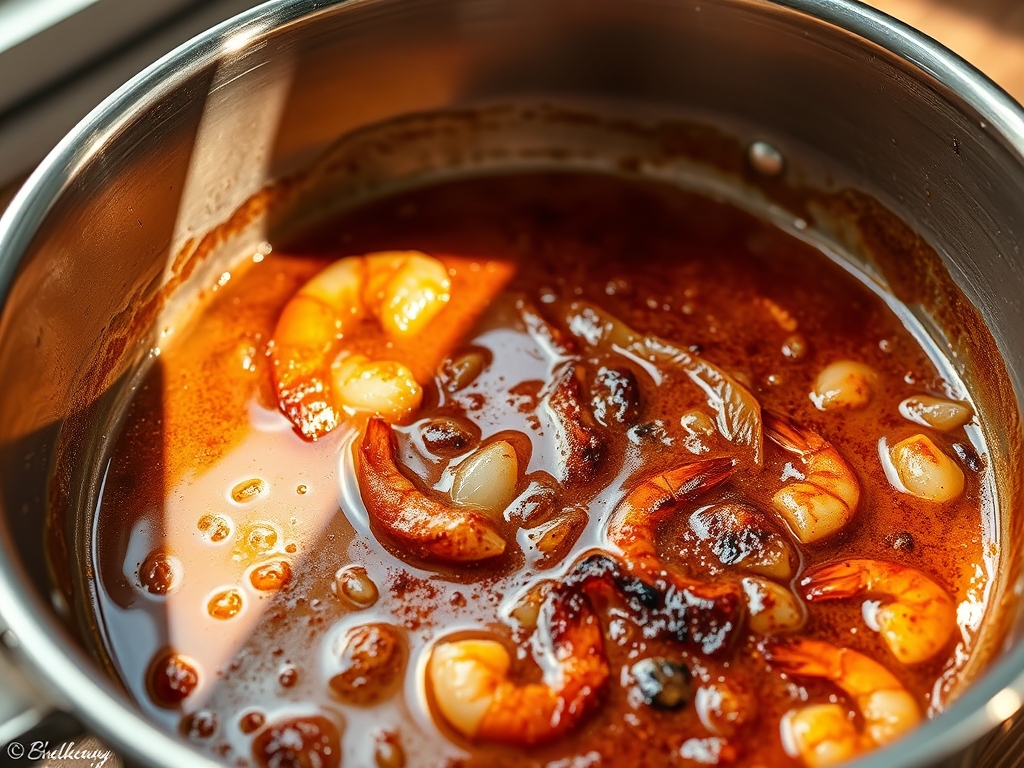
Pro Tip: Avoid using a thin aluminum pan. You need the thermal mass of cast iron to prevent the temperature from plummeting when the cold shrimp are introduced. A saucier is excellent for sauces, but for blackening, the flat, heavy surface of a skillet is non-negotiable.
4. The Flash Sear
Place the shrimp in the pan in a single layer. Do not overcrowd. You should hear a violent sizzle. Leave them undisturbed for exactly ninety seconds. This allows the milk solids in the butter and the sugars in the paprika to undergo the Maillard reaction, forming that signature dark crust.
Pro Tip: Use a digital infrared thermometer to verify the pan surface is at least 450 degrees Fahrenheit. If you flip too early, the crust will stick to the pan instead of the shrimp.
5. The Flip and Finish
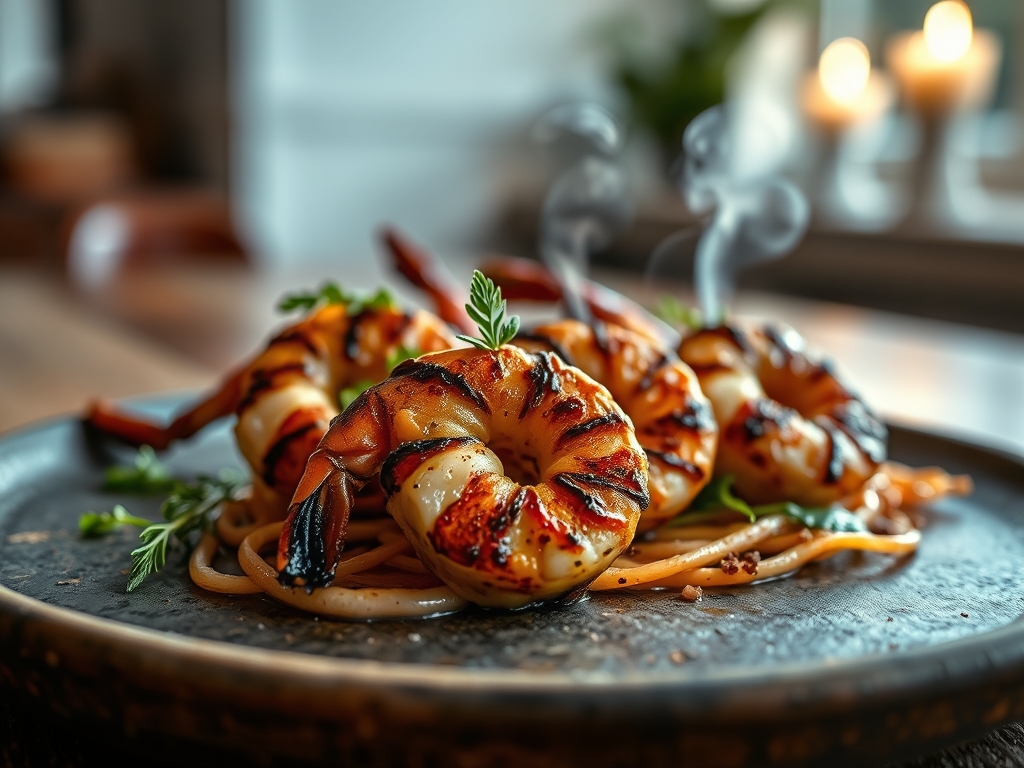
Turn the shrimp over. They should be dark brown to nearly black, but not charred to ash. Cook for another sixty to ninety seconds. The shrimp will curl into a "C" shape. If they curl into an "O," they are overcooked and the internal moisture has been forced out.
Pro Tip: Immediately deglaze the pan with a squeeze of lemon juice once the heat is off. This releases the "fond" (the flavorful browned bits) and creates a piquant jus that coats the shrimp as you plate them.
Section B: Prep & Timing Fault-Lines:
Timing is the most frequent infrastructure collapse. If you prep your shrimp but wait twenty minutes to cook them, the salt in the rub will draw moisture out of the flesh, creating a wet mess. The "Salt-to-Heat" window should be no more than five minutes. Furthermore, if you fail to pre-heat your plates, the shrimp will lose 20% of their internal temperature within sixty seconds of leaving the pan, causing the butter-based crust to go from viscous to waxy. Always keep a warm landing zone ready for the finished product.
THE VISUAL SPECTRUM
Section C: Thermal & Visual Troubleshooting:
Referencing the Masterclass photo, notice the "halo" effect. The edges of the shrimp should be dark and crusted, while the center remains slightly opaque and white. If your shrimp look uniform in color, you have likely used too much oil, which fried the spices rather than blackening them. If the colors are dull or greyish, your pan temperature was too low. The solution is to increase the BTUs or decrease the number of shrimp in the pan per batch. If you see "patchy" blackening, it indicates that the shrimp were not flat against the pan surface. Use a heavy press or a second smaller skillet to weigh them down if necessary to ensure total contact.
THE DEEP DIVE
Macro Nutrition Profile:
A standard serving of this Blackened Shrimp Audit provides approximately 220 calories, 32g of protein, 8g of fat, and 2g of carbohydrates. It is a high-protein, low-density fuel source perfect for metabolic acceleration.
Dietary Swaps:
- Vegan: Replace shrimp with thick slices of King Oyster mushroom or pressed extra-firm tofu. Use a vegan butter substitute with high lecithin content for the same browning effect.
- Keto/GF: This recipe is naturally Keto and Gluten-Free. Ensure your spice blends do not contain anti-caking agents like cornstarch.
Meal Prep & Reheating Science:
To maintain molecular structure during reheating, avoid the microwave at all costs. The microwave excites water molecules, which will steam the shrimp from the inside out and turn them into rubber erasers. Instead, flash-sear them in a hot pan for thirty seconds per side to re-crisp the exterior without overcooking the core.
THE KITCHEN TABLE
Why is my shrimp rubbery?
You have exceeded the thermal limit. Shrimp proteins tighten and squeeze out water when overcooked. Aim for a "C" shape and pull them off the heat the moment they lose their translucency.
Can I use a non-stick pan?
Negative. High-heat blackening will degrade the PTFE coating of non-stick pans, releasing toxic fumes. Stick to cast iron or carbon steel for this specific infrastructure audit.
Why is there so much smoke?
That is the "Blackened" part of the audit. The milk solids and spices are carbonizing. Ensure your exhaust fan is on maximum or open a window to maintain air quality.
Can I use pre-made blackened seasoning?
You can, but you lose control over the salt-to-spice ratio. Most commercial blends are 50% salt. Mixing your own ensures the piquant profile dominates the sodium.