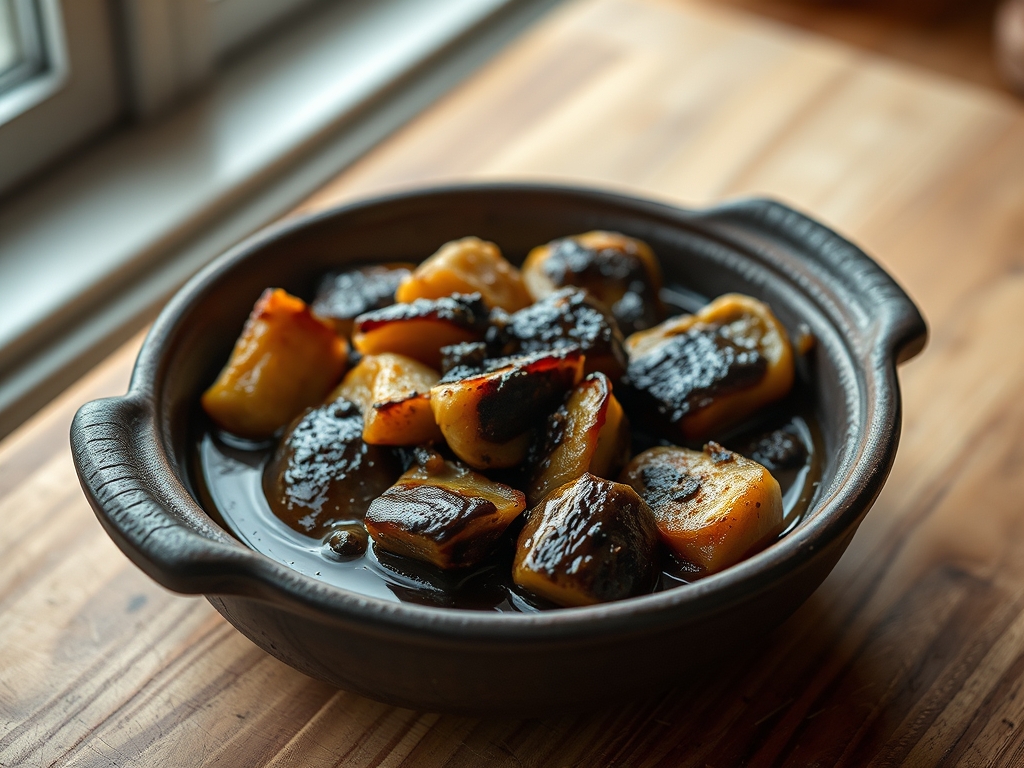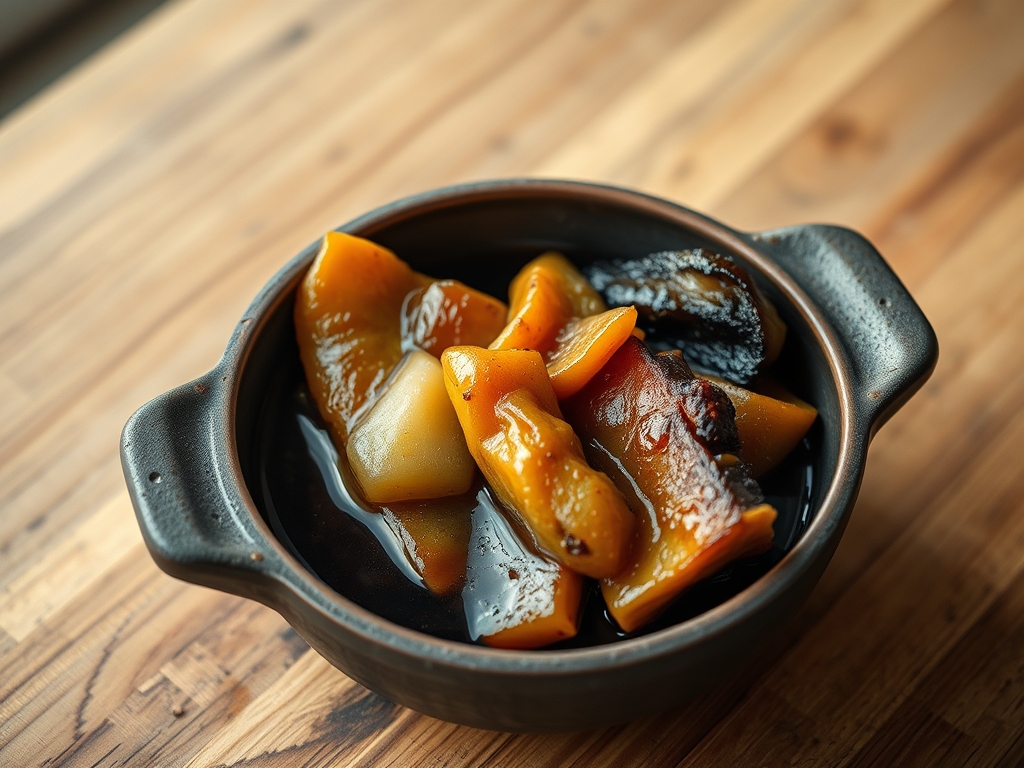
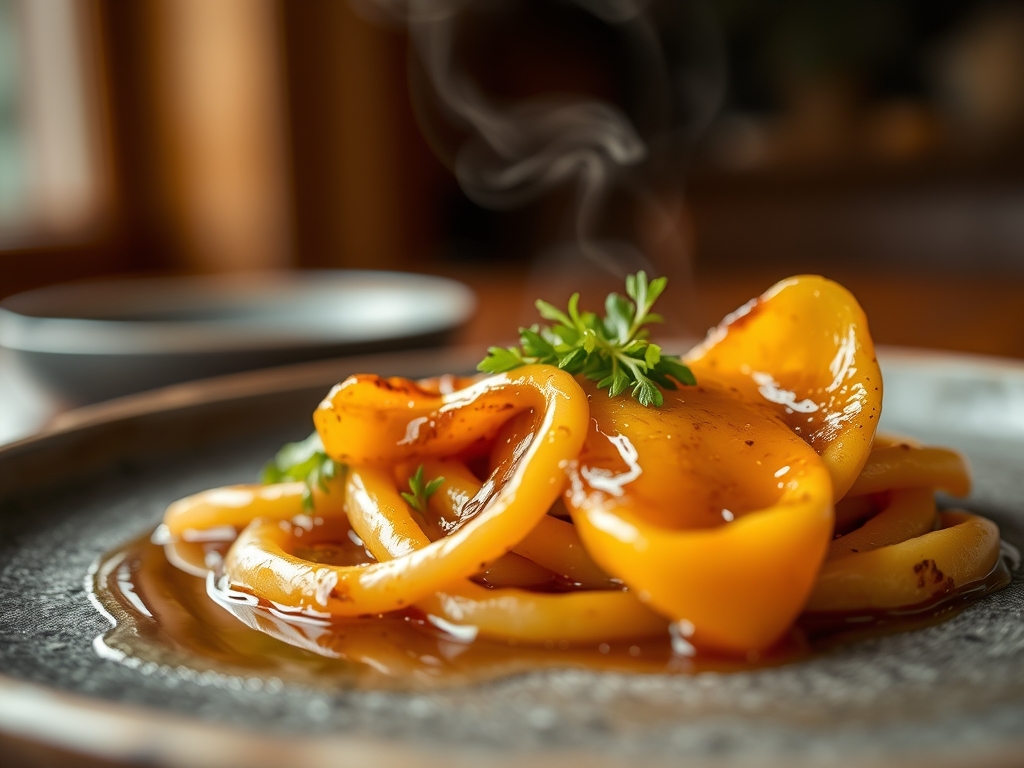
Listen to the sound of the bottle. It is a slow, rhythmic thud that signals the arrival of the most misunderstood liquid in the pantry. We are not just talking about a condiment; we are discussing the structural integrity of a glaze that must defy gravity and cling to a high-heat protein with the tenacity of a barnacle. This is the world of Oyster Sauce Density. When you tilt that bottle, the flow rate should be agonizingly slow. If it pours like water, your sauce is a failure before it even hits the carbon steel. We are hunting for that perfect, viscous equilibrium where the sugars from the mollusk extract begin to polymerize under intense thermal pressure. This is where the magic happens. We are looking for the exact moment when the piquant saltiness of the sea meets the deep, caramelized notes of a long-simmered reduction. If you lack the patience to audit your viscosity, you are merely making soup. We are here to build a lacquer. We are here to engineer a glaze that reflects the kitchen lights like a polished obsidian mirror.
THE DATA MATRIX
| Metric | Specification |
|---|---|
| Prep Time | 15 Minutes |
| Execution Time | 8 Minutes |
| Yield | 4 Servings |
| Complexity (1-10) | 7 |
| Estimated Cost per Serving | $4.50 |
THE GATHERS
Ingredient Protocol:
- 500g / 1.1 lbs Flank Steak or Firm Tofu
- 120ml / 0.5 cup Premium Oyster Sauce (High Mollusk Content)
- 60ml / 4 tbsp Aged Soy Sauce
- 30ml / 2 tbsp Shaoxing Rice Wine
- 15g / 1 tbsp Toasted Sesame Oil
- 20g / 4 cloves Fresh Garlic, microplaned
- 15g / 1 inch Fresh Ginger, grated
- 5g / 1 tsp Cornstarch (for slurry stabilization)
- 30ml / 2 tbsp Neutral Oil (Grapeseed or Avocado)
Section A: Ingredient Quality Audit:
The primary failure point in this protocol is the "Oyster-Flavored" substitute. If your sauce contains more corn syrup than actual mollusk extract, your Oyster Sauce Density will be artificial and prone to breaking under high heat. Technical fix: Look for brands that list oyster extract as the first or second ingredient. If your ginger is fibrous and woody, do not chop it; use a microplane to aerate the root into a paste. This ensures the aromatics melt into the emulsion rather than creating gritty texture. If your soy sauce is too acidic, balance the pH with a pinch of dark brown sugar to assist in the Maillard reaction.
THE MASTERCLASS
Step-by-Step Execution:
1. The Protein Dehydration Phase
Pat your protein dry with lint-free towels until the surface is matte. Use a sharp chef knife to slice against the grain at a 45-degree angle. This increases the surface area for the glaze to grip.
Pro Tip: Use a digital scale to ensure uniform portioning. Removing surface moisture prevents the protein from steaming, allowing the exterior to render fat and develop a crust immediately upon contact with the pan.
2. The Cold-Aromatic Infusion
In a small stainless steel bowl, whisk the garlic, ginger, and sesame oil. Do not add these to a hot pan first. By mixing them into a slurry, you protect the volatile oils from scorching.
Pro Tip: Use a silicone whisk to ensure the aromatics are fully suspended. This creates a pre-emulsion that will stabilize the Oyster Sauce Density once the heat is applied.
3. The Thermal Shock and Sear
Bring your saucier or wok to the smoke point. Add the neutral oil and swirl to coat. Add the protein in a single layer. Do not crowd the pan.
Pro Tip: An infrared thermometer should read at least 425 degrees Fahrenheit. High heat is required to deglaze the pan effectively once the liquids are introduced, trapping the fond within the sauce.
4. The Mollusk Emulsification
Pour the oyster sauce mixture around the edges of the pan rather than directly onto the meat. This allows the sugars to caramelize against the metal for three seconds before being tossed.
Pro Tip: Use a bench scraper or a high-heat spatula to keep the ingredients moving. The goal is to reach a state of "nappe," where the sauce coats the back of a spoon perfectly without dripping.
Section B: Prep & Timing Fault-Lines:
The most common human error is the "Panic Pour." When the pan smokes, amateur cooks often dump all liquids at once, crashing the temperature and ruining the Oyster Sauce Density. This results in a grey, boiled texture. Technical fix: Add liquids in two stages. First, the wine to deglaze and lift the umami solids; second, the thick oyster base to build the lacquer. If the sauce breaks and becomes oily, a teaspoon of water and a vigorous toss will re-emulsify the fats into the sugar base.
THE VISUAL SPECTRUM
Section C: Thermal & Visual Troubleshooting:
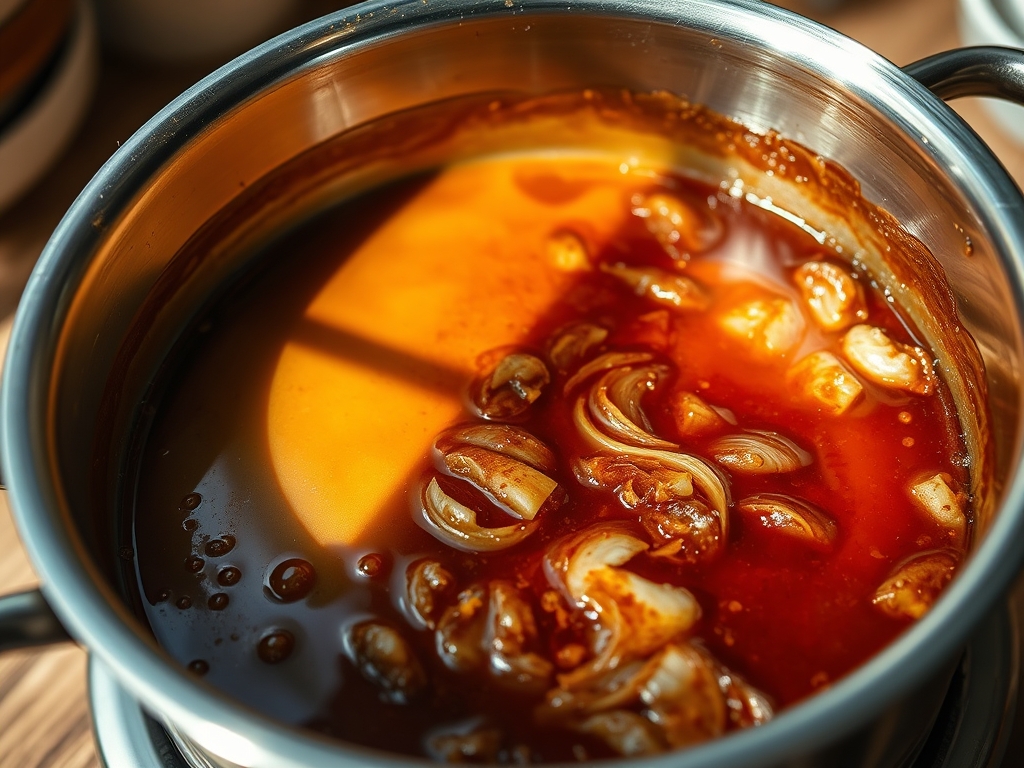
Referencing the Masterclass photo, the glaze should exhibit a deep mahogany hue with a high-gloss finish. If your dish looks matte or dull, you have lacked sufficient heat to trigger the sugar polymerization. If the sauce is "clumpy" rather than smooth, your cornstarch slurry was added too quickly or without enough agitation. To fix a dull glaze, add a teaspoon of neutral oil at the very end and toss over maximum flame. This provides a final "sheen" that coats the viscous layers. If the color is too light, your soy sauce was likely a low-sodium or "light" variety; next time, integrate a teaspoon of dark soy sauce for pigment.
THE DEEP DIVE
Macro Nutrition Profile
This glaze is a powerhouse of umami but carries a significant sodium load. Per serving, expect approximately 220 calories, 12g of sugar (largely from the mollusk reduction), and 1,100mg of sodium. It is high in zinc and B12 due to the oyster concentrates.
Dietary Swaps
- Vegan: Substitute the oyster sauce with a fermented mushroom brand. The viscous quality is similar, though the brine profile is more earthy than oceanic.
- Keto: Replace the sugar-laden oyster sauce with a mix of fish sauce, xanthan gum, and liquid monk fruit. Note that the Oyster Sauce Density will be harder to achieve without real sugars.
- GF: Use Tamari in place of soy sauce and ensure the oyster extract is certified gluten-free.
Meal Prep & Reheating Science
Reheating a dark glaze is a delicate operation. The sugars will continue to harden in the fridge. To restore the molecular structure, add a tablespoon of water or broth before microwaving or pan-heating. This prevents the sauce from turning into a sticky, scorched paste and restores the original infuse of flavors.
THE KITCHEN TABLE
Why is my oyster sauce too salty?
Oyster sauce is a concentrate. If the salt is overwhelming, you likely over-reduced the liquid. Balance the pH with a splash of rice vinegar or a small amount of honey to counteract the sodium intensity without thinning the texture.
Can I use a non-stick pan?
You can, but you will lose the "fond," those caramelized bits that stick to the bottom. A carbon steel wok or stainless steel saucier is superior for developing the deep, charred notes required for a professional-grade savory glaze.
How do I know if the density is correct?
Perform the "Trail Test." Run your spatula through the center of the pan. If the sauce takes more than two seconds to flow back and cover the metal, your Oyster Sauce Density is perfect for clinging to proteins.
My sauce turned into a jelly, what happened?
This is a sign of over-reduction or too much starch. The sugars have moved past the glaze stage into the candy stage. Immediately whisk in a tablespoon of hot water to thin the consistency and lower the temperature.