Imagine the crunch of a thousand microscopic glass shards that suddenly melt into a briny, oceanic silk. That is the baseline expectation for a world-class marine vegetable experience. We are moving past the neon-green, syrup-soaked piles found in plastic deli tubs. This is a Seaweed Salad Audit, and your current infrastructure is likely leaking flavor. To achieve the perfect snap, we must respect the alginate fiber stability of the Wakame. When these fibers are compromised by heat or improper hydration, the result is a limp, tragic mess that lacks the structural integrity to hold a dressing. We are looking for a high-tension, high-vibration salad that hums with the energy of the Pacific. We want a piquant bite that clears the sinuses and a viscous finish that coats the palate without feeling greasy. This audit will dismantle your current prep methods and rebuild them using professional-grade culinary logic. We are not just making a side dish; we are engineering a cold-infused marine matrix.
THE DATA MATRIX
| Metric | Specification |
|---|---|
| Prep Time | 20 Minutes |
| Execution Time | 10 Minutes |
| Yield | 4 Servings |
| Complexity (1-10) | 3 |
| Estimated Cost per Serving | $1.75 |
THE GATHERS
Ingredient Protocol:
- 30g / 1 oz Dried Wakame (High-grade, whole leaf preferred)
- 15ml / 1 tbsp Toasted Sesame Oil
- 30ml / 2 tbsp Rice Vinegar (Unseasoned)
- 15ml / 1 tbsp Light Soy Sauce or Tamari
- 5g / 1 tsp Granulated Sugar or Mirin
- 2g / 0.5 tsp Red Pepper Flakes (Gochugaru)
- 5g / 1 tsp Toasted White Sesame Seeds
- 50g / 1.75 oz English Cucumber (Julienned)
- 10g / 1 tbsp Scallions (Finely biased)
Section A: Ingredient Quality Audit:
If your dried seaweed smells like a stagnant pond rather than a fresh ocean breeze, your raw materials are compromised. Low-quality Wakame often contains excessive stems which remain woody even after hydration. To fix this, use a bench scraper or sharp knife to excise the central rib before slicing. If your sesame oil lacks a deep, nutty aroma, it has likely oxidized; replace it immediately. For those using older soy sauce, the salt concentration may have increased through evaporation. Balance this by adding 5ml of filtered water to maintain the intended salinity of the infusion.
THE MASTERCLASS
1. Controlled Hydration
Place the dried Wakame in a large glass bowl and cover with filtered, room-temperature water. Do not use hot water, as this will prematurely degrade the alginate fibers and result in a slimy texture. Allow it to sit for exactly ten minutes.
Pro Tip: Use a digital scale to measure the seaweed before hydration. Seaweed expands up to ten times its weight; precise measurements prevent waste and ensure the dressing-to-fiber ratio remains optimal for flavor distribution.
2. The Mechanical Extraction
Once the seaweed is supple, drain it through a fine-mesh sieve. Use your hands to firmly squeeze out every drop of excess moisture. If the seaweed remains wet, the dressing will not adhere to the surface, leading to a diluted, watery flavor profile.
Pro Tip: After squeezing, spread the seaweed onto a clean kitchen towel and roll it up tightly. This mechanical wicking process ensures the surface is dry enough to allow the oils in the dressing to emulsify directly onto the fronds.
3. Emulsifying the Infusion
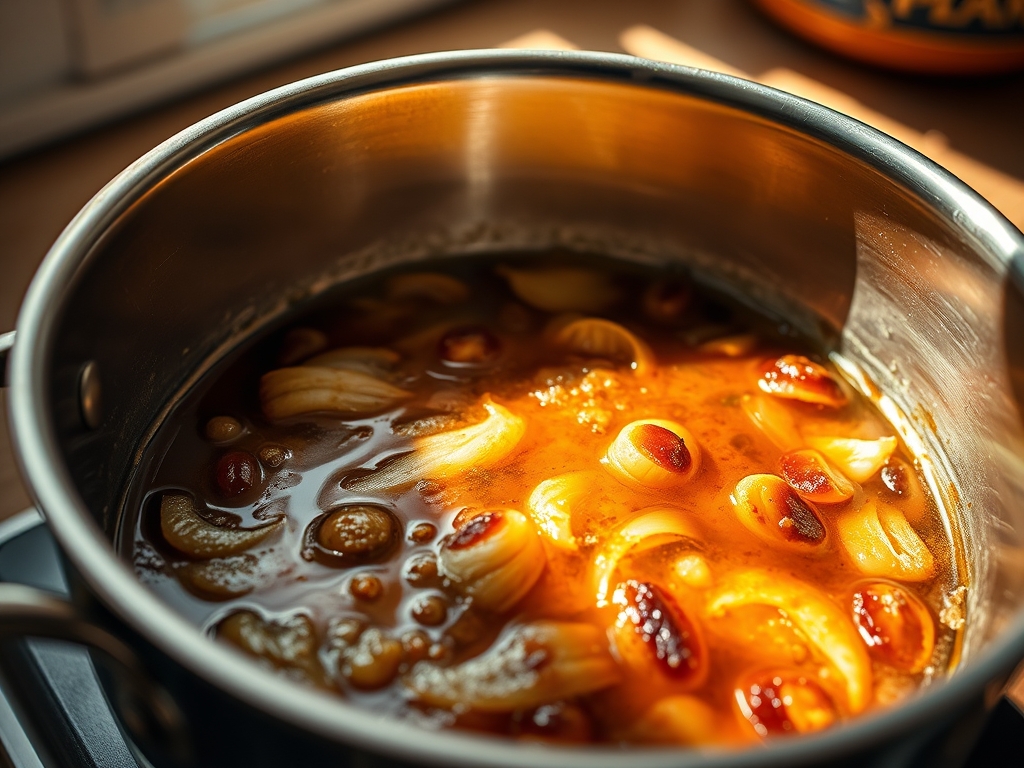
In a small stainless steel saucier or mixing bowl, whisk together the rice vinegar, soy sauce, sugar, and red pepper flakes. Slowly drizzle in the sesame oil while whisking vigorously to create a temporary emulsion.
Pro Tip: The sugar acts as a stabilizer in this cold infusion. By ensuring the granules are fully dissolved before adding the oil, you create a more viscous liquid that clings to the seaweed rather than pooling at the bottom of the bowl.
4. Precision Slicing and Assembly
Stack the hydrated seaweed leaves and slice them into thin, uniform ribbons. Combine the seaweed with the julienned cucumbers and scallions in a chilled mixing bowl. Pour the dressing over the top and toss gently with tongs or chopsticks to avoid bruising the delicate greens.
Pro Tip: Use a sharp mandoline or a bench scraper to ensure the cucumber matches the gauge of the seaweed ribbons. Uniformity in geometry ensures that every bite provides a consistent ratio of crunch to silk.
Section B: Prep & Timing Fault-Lines:
The most common failure in a Seaweed Salad Audit is the "Soggy Plateau." This occurs when the salad sits in the dressing for more than two hours. The acid in the vinegar begins to break down the cellular walls of the cucumber and seaweed, releasing internal water. To prevent this, store the dressing and the solids in separate containers and combine them no more than fifteen minutes before service. Temperature control is also vital; serve this dish at 4 degrees Celsius (40 degrees Fahrenheit) to maximize the piquant snap of the fibers.
THE VISUAL SPECTRUM
Section C: Thermal & Visual Troubleshooting:
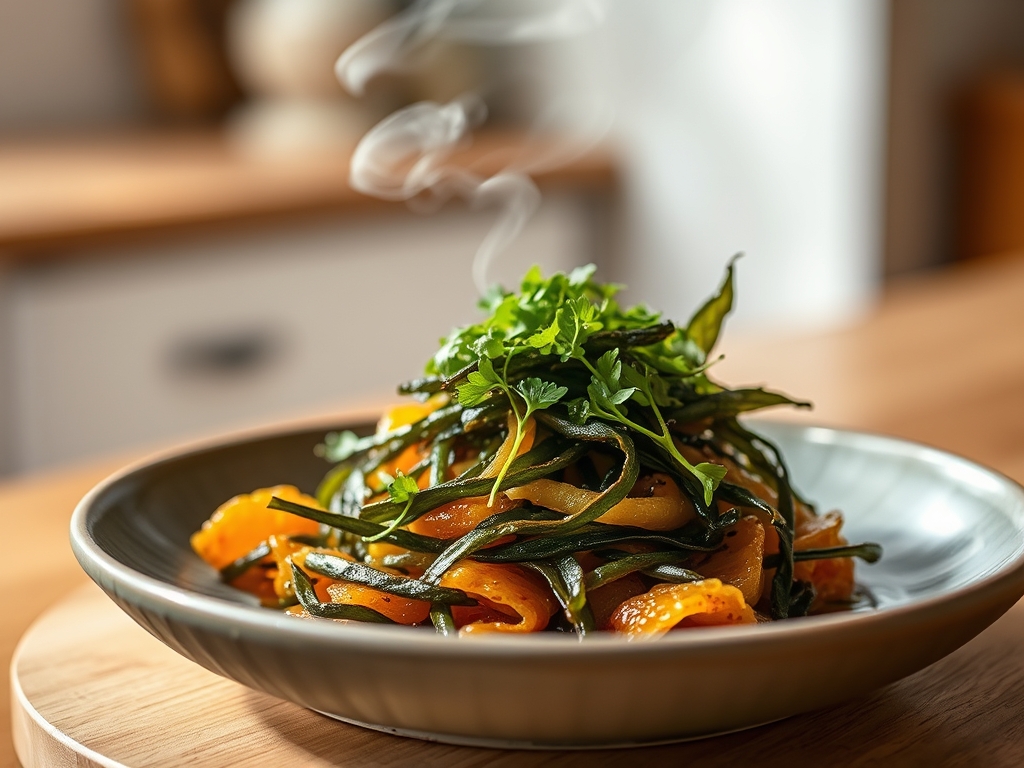
Referencing the Masterclass photo above, notice the vibrant, translucent emerald hue of the seaweed. If your salad looks dull or brownish-grey, you have likely over-hydrated the greens or used a soy sauce that is too dark. The visual cues should show distinct, separate strands rather than a clumped mass. If the sesame seeds appear buried, it means your dressing is too thin; thicken it with a touch more mirin to increase the viscosity. The cucumber should stand upright and rigid; if it is weeping water, you failed to salt and drain it prior to assembly.
THE DEEP DIVE
Macro Nutrition Profile:
This dish is a micronutrient powerhouse. A single serving provides significant amounts of Iodine, Manganese, and Folate. It is exceptionally low in calories (approximately 70-90 per serving) while providing a high volume of prebiotic fiber which aids in digestive health.
Dietary Swaps:
- Vegan: Naturally compliant. Ensure your sugar is bone-char free.
- Keto: Replace the sugar or mirin with three drops of liquid monk fruit or stevia.
- GF: Swap the light soy sauce for a certified gluten-free Tamari or coconut aminos.
Meal Prep & Reheating Science:
Never reheat this dish. The application of heat will render the seaweed into a gelatinous mush as the alginate dissolves. For meal prep, keep the seaweed and dressing separate. The dried seaweed can be hydrated and kept in an airtight container for 48 hours, but the dressing should only be applied at the moment of consumption to maintain molecular structure.
THE KITCHEN TABLE
Why is my seaweed salad slimy?
Sliminess is usually caused by using hot water during the hydration phase or over-soaking. Stick to a strict ten-minute window with cool, filtered water to maintain the structural integrity of the marine fibers.
Can I use different types of seaweed?
While Wakame is the gold standard for its balance of silk and snap, you can incorporate Dulse or Hijiki. However, Hijiki requires a longer soak and a quick blanch to ensure it is safe and palatable.
How do I make it spicier?
Infuse your sesame oil with dried chili flakes over low heat for ten minutes before cooling and straining. This distributes the heat evenly throughout the viscous dressing rather than creating hot spots with raw flakes.
My dressing keeps separating. Help!
Since this is a temporary emulsion, it will naturally separate over time. For a more permanent bond, whisk in a half-teaspoon of Dijon mustard; the mucilage in the mustard acts as a powerful emulsifying agent.