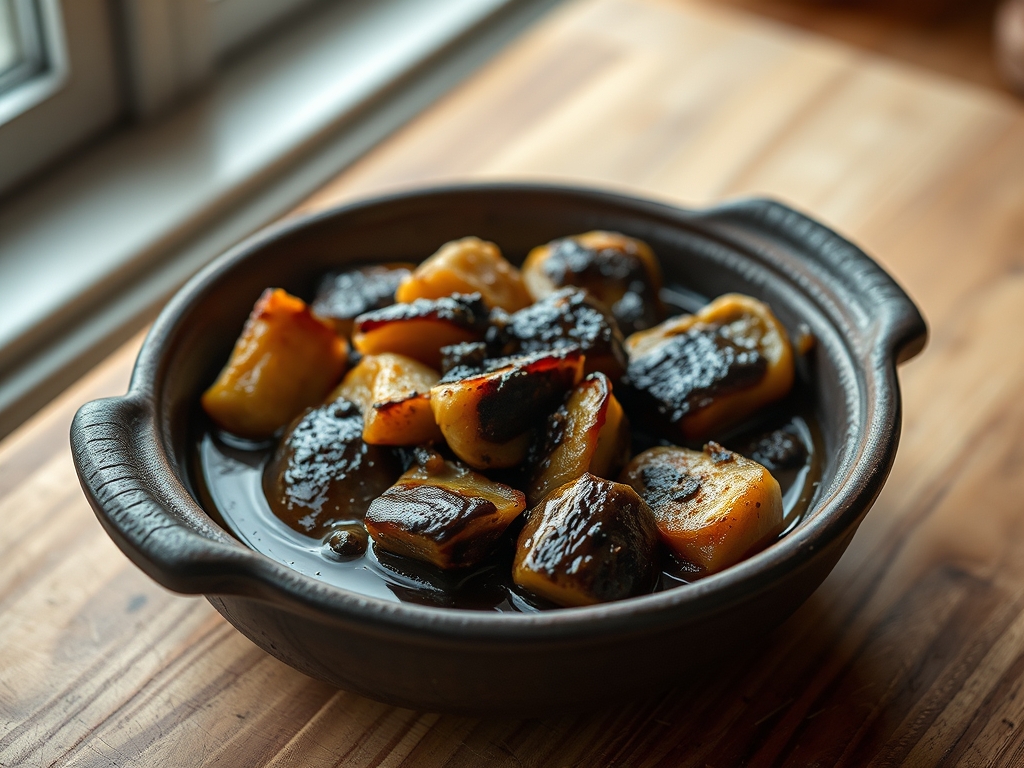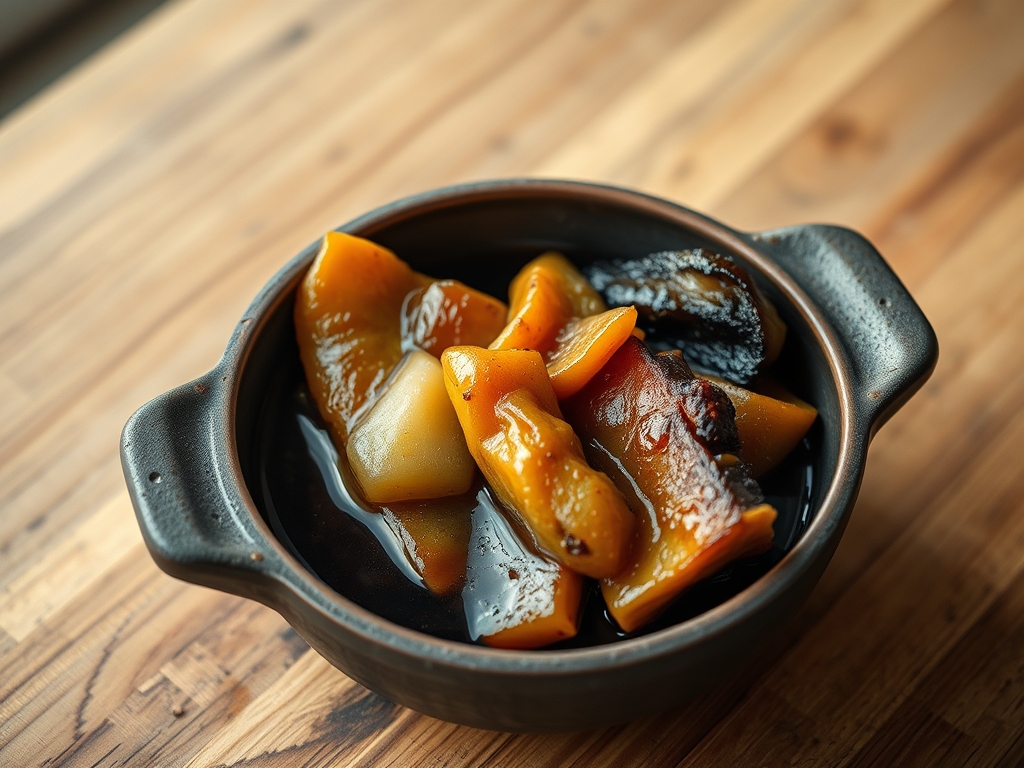
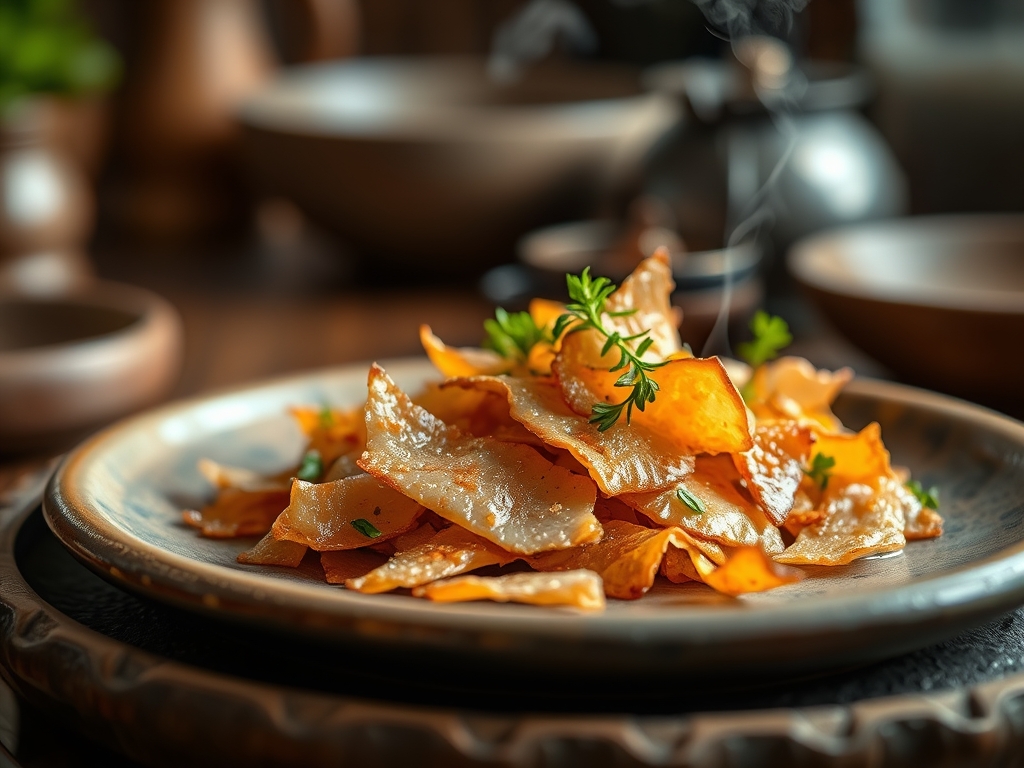
Imagine a substance so structurally dense it requires a literal carpenter's plane to harvest. Welcome to the world of katsuobushi; the hardest food on the planet and the bedrock of Japanese umami. When you witness those ethereal, translucent Bonito Flake Shavings dancing atop a bowl of steaming ramen, you are not just looking at a garnish. You are observing a kinetic reaction to thermal energy. These shavings are the result of a grueling, months-long process of boiling, smoking, and repeated inoculation with Aspergillus glaucus mold to desiccate the protein to its absolute limit. The result is a concentrated brick of pure inosinic acid. As an auditor of culinary infrastructure, I demand more than just a sprinkle of dry fish. I demand a technical understanding of how these flakes interact with moisture to create a viscous, golden dashi that serves as the lifeblood of your kitchen. If your broth lacks depth, your shavings are likely oxidized or improperly stored. Let us recalibrate your technique and optimize your umami output.
THE DATA MATRIX
| Metric | Specification |
|---|---|
| Prep Time | 5 Minutes |
| Execution Time | 15 Minutes |
| Yield | 1 Liter of Dashi |
| Complexity (1-10) | 3 |
| Estimated Cost per Serving | $0.85 |
THE GATHERS
Ingredient Protocol:
- 1000ml / 4.2 cups Filtered Water
- 20g / 0.7 oz Dried Kombu (Kelp)
- 30g / 1.1 oz High-Grade Bonito Flake Shavings
- 15ml / 1 tbsp Light Soy Sauce (Optional for seasoning)
- 5ml / 1 tsp Mirin (Optional for brightness)
Section A: Ingredient Quality Audit:
The primary failure point in dashi production is the age of your Bonito Flake Shavings. If the flakes appear dull, grey, or lack a distinct smoky aroma, the oils have gone rancid. This creates a bitter, metallic aftertaste that no amount of seasoning can mask. To fix this, always source "hongarebushi" (mold-ripened) flakes and store them in an airtight container in the freezer. Another common audit failure is the water quality. High mineral content in hard water inhibits the extraction of glutamates from the kombu. Use filtered water to ensure a clean solvent for your flavor compounds. If your kombu has a white powdery coating, do not scrub it off; that is "mannitol," a natural sugar that contributes significantly to the final flavor profile.
THE MASTERCLASS
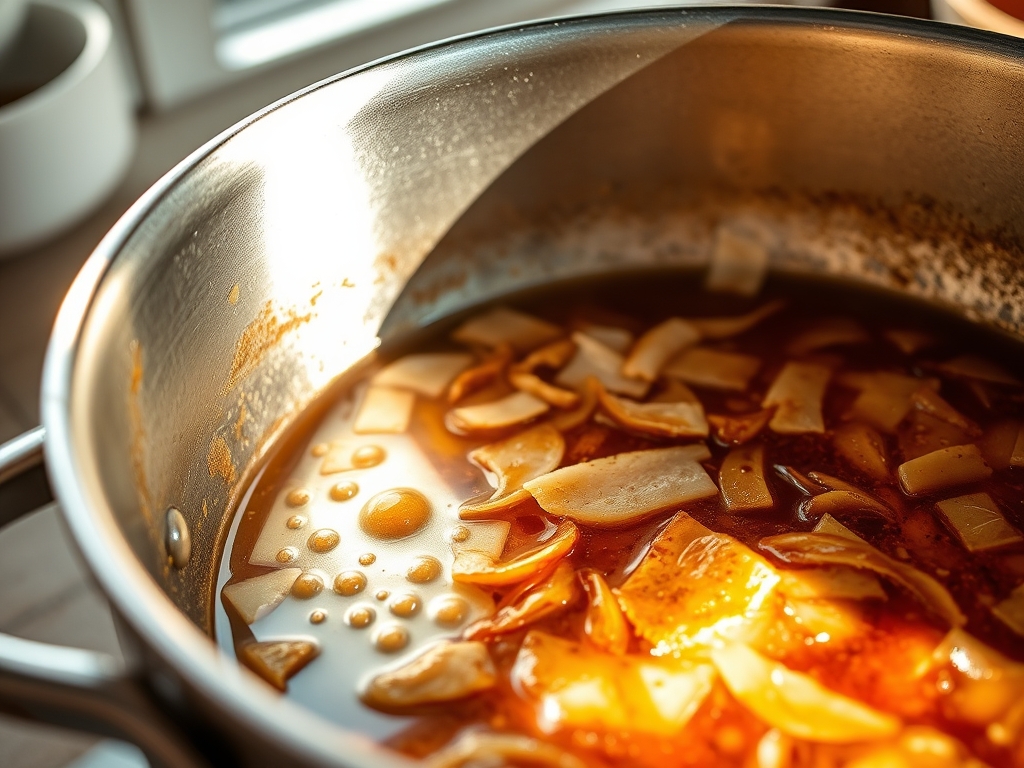
Step 1: Cold Extraction of Glutamates
Place your filtered water and kombu into a high-walled saucier. Allow the kelp to cold-steep for at least 30 minutes before applying any heat. This initial hydration period allows the cellular walls of the seaweed to soften without releasing bitter tannins.
Pro Tip: Use a digital scale to measure your ingredients by weight rather than volume. The density of Bonito Flake Shavings varies wildly; weight is the only way to ensure consistent umami concentration across batches.
Step 2: Controlled Thermal Induction
Slowly bring the water to a sub-simmer (approximately 80C / 176F). Just as the first bubbles begin to break the surface, remove the kombu immediately using a bench scraper or tongs. If the water reaches a rolling boil with the kombu inside, the liquid will become slimy and unpleasantly bitter.
Pro Tip: The science here involves the breakdown of chlorophyll and the release of alkaloids. Keeping the temperature below boiling ensures you only extract the savory salts and sugars.
Step 3: The Infusion Phase
Once the kombu is removed, increase the heat briefly to bring the water to a boil, then kill the flame entirely. Immediately add your Bonito Flake Shavings. Do not stir them aggressively; let them sink naturally to the bottom of the pan. This prevents the delicate flakes from breaking into a fine silt that will cloud your broth.
Pro Tip: This is a steep, not a boil. The residual heat is sufficient to infuse the liquid with inosinic acid. Boiling the fish flakes will render fishy, oily notes that overwhelm the delicate kelp.
Step 4: Precision Filtration
After the shavings have settled (about 2 to 3 minutes), strain the liquid through a fine-mesh sieve lined with a bleached paper towel or muslin cloth. Do not squeeze the flakes to extract more liquid. Squeezing introduces cloudiness and harsh astringency into your pristine dashi.
Pro Tip: A professional saucier with a pour spout is essential here to maintain a steady, laminar flow during filtration, which prevents sediment disturbance.
Section B: Prep & Timing Fault-Lines:
The most frequent timing error is the "over-steep." Leaving Bonito Flake Shavings in the hot water for more than five minutes results in a "cooked fish" flavor rather than a clean, smoky infusion. Use a digital timer to audit your infusion window. Temperature control is equally critical. If the water is too cool when the flakes are added, the extraction will be incomplete, leaving you with a weak, watery base. If you miss the visual cue of the kombu removal, the broth will take on a murky, greenish hue that is aesthetically unacceptable in high-level Japanese cuisine.
THE VISUAL SPECTRUM
Section C: Thermal & Visual Troubleshooting:
Referencing the Masterclass photo, your Bonito Flake Shavings should appear as light, voluminous ribbons before they hit the water. Once infused, the resulting dashi must be crystal clear with a pale amber tint. If your liquid is cloudy, you likely boiled the flakes or squeezed the solids during straining. If the color is too dark, your kombu was likely left in too long or the heat was too high. A successful dashi should have a clean, shimmering surface with no visible oil slicks. If you see oil, your shavings are likely low-grade or "arubushi" (non-mold-ripened), which contain higher fat content.
THE DEEP DIVE
Macro Nutrition Profile:
Dashi is an incredibly low-calorie flavor powerhouse. A standard 250ml serving contains approximately 15 calories, 2g of protein, and 0g of fat. Its primary nutritional value lies in its high mineral content and the presence of amino acids that stimulate digestion.
Dietary Swaps:
- Vegan: Replace bonito with dried shiitake mushrooms. Steep them alongside the kombu for a deep, earthy "forest" dashi.
- Keto/GF: Naturally compliant. Ensure your soy sauce is substituted with tamari or liquid aminos to maintain gluten-free integrity.
Meal Prep & Reheating Science:
Dashi can be refrigerated for up to 3 days or frozen in ice cube trays for 3 months. When reheating, do not boil the liquid vigorously. Rapid boiling will aerate the broth and cause the delicate volatile aromatics to evaporate, leaving the flavor flat. Reheat gently over medium-low heat until steam just begins to rise.
THE KITCHEN TABLE
Can I reuse the leftover flakes and kombu?
Yes. This is called "niban dashi" (second broth). Simmer the used materials in fresh water for 10 minutes. It is less refined but excellent for hearty miso soups or braising liquids where subtle nuances are less critical.
Why are my bonito flakes not dancing on my food?
The "dance" is caused by steam. If your dish isn't hot enough, or if the shavings are too thick, the heat won't be sufficient to cause the rapid dehydration and contraction required for that iconic movement.
What is the difference between large and small shavings?
Large shavings (katsuobushi) are for steeping clear broths. Small, fine crumbles (itogaki) are designed as a direct topping for tofu or vegetables, providing a concentrated burst of salt and smoke without the need for infusion.
How do I know if my dashi is "perfect"?
The "gold standard" is a balance of oceanic saltiness and smoky depth. It should feel clean on the palate, leaving a lingering savory sensation (umami) without any coating of oil or bitter aftertaste.