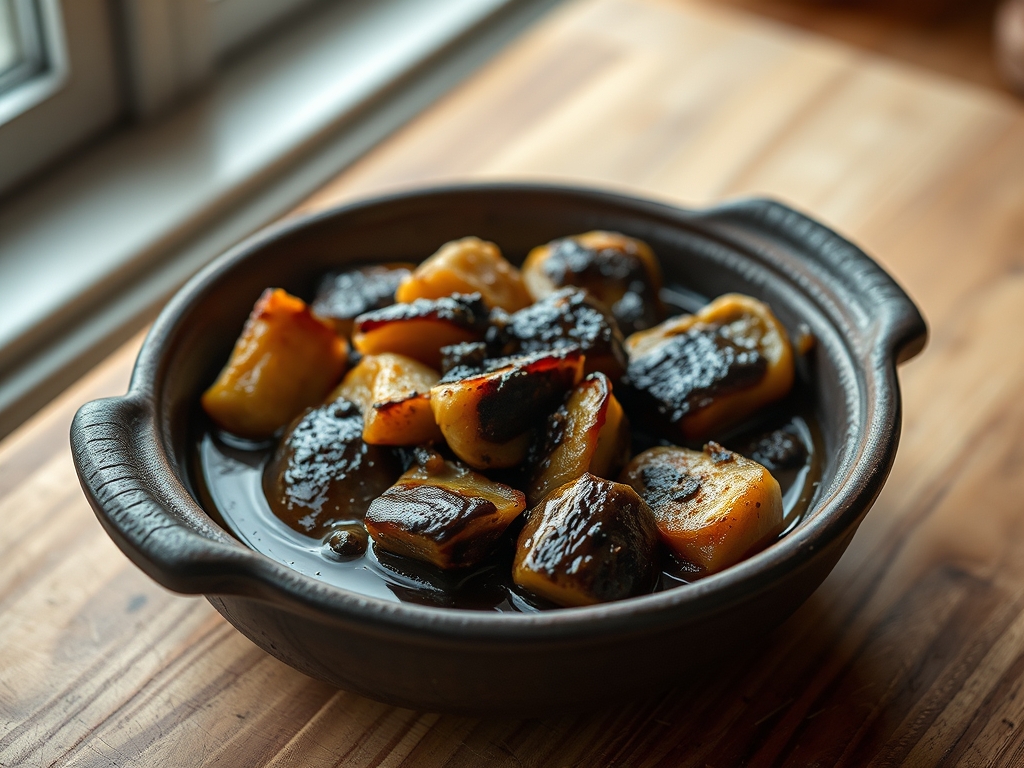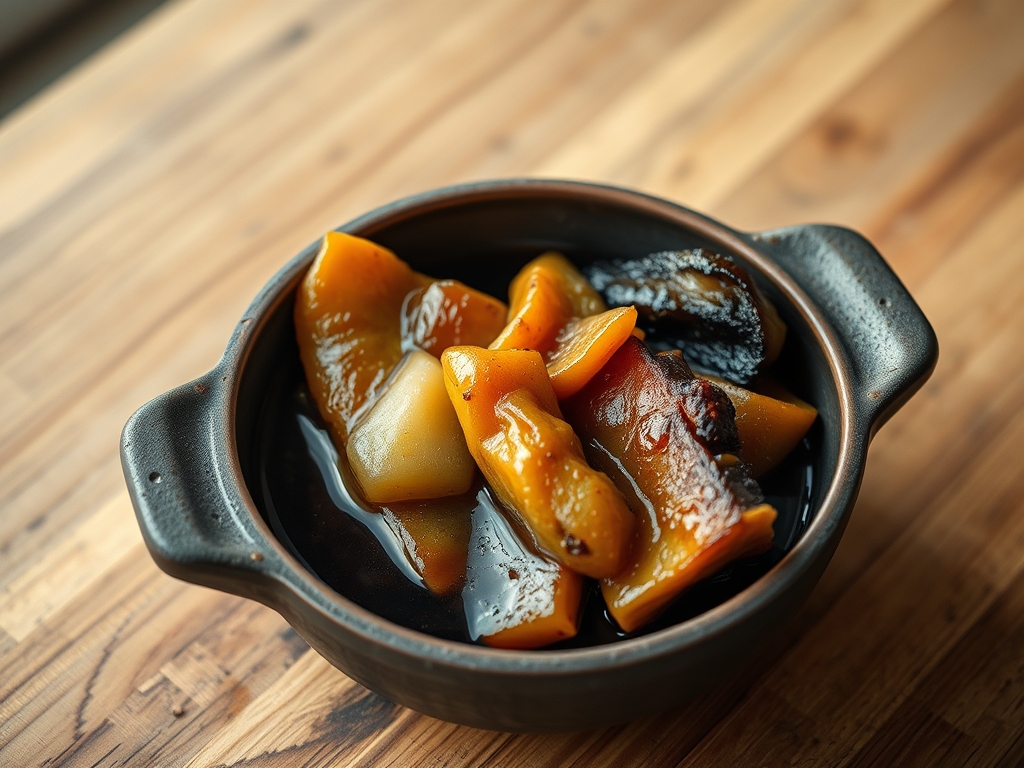
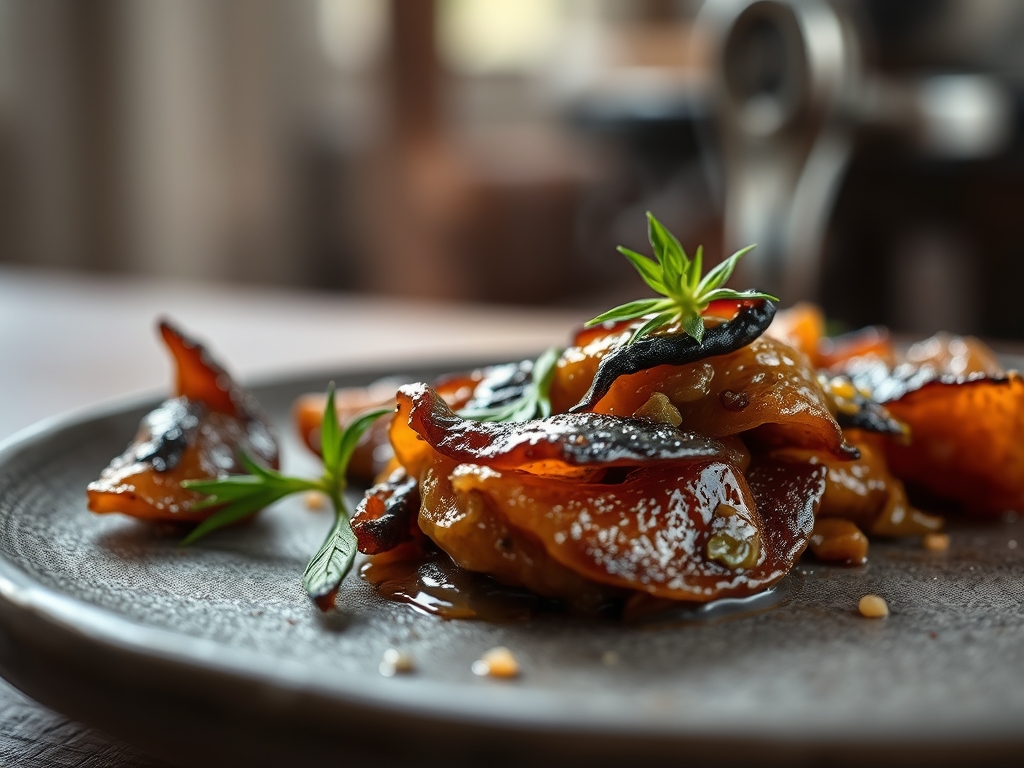
Forget everything you know about subtle seasoning. We are entering the realm of concentrated marine architecture; a place where salt and protein collide to create a foundation of pure, unadulterated flavor. If your pantry lacks the punch of Aged Anchovy Paste, you are essentially cooking with one hand tied behind your back. This is not merely a condiment. It is a biological catalyst that transforms a mundane sauce into a viscous masterpiece of savory depth. When these silver-skinned fish undergo the long-term enzymatic breakdown of fermentation, they shed their "fishy" reputation and evolve into a piquant paste that triggers every umami receptor on your tongue. We are talking about a chemical profile so dense that a single teaspoon can anchor an entire gallon of braise. This is culinary infrastructure at its most primal. It is the secret weapon of the high-end kitchen; the invisible scaffolding that supports the brightest citrus and the richest fats. Prepare to audit your flavor profile and saturate your senses in the deep, dark brine of the Mediterranean.
THE DATA MATRIX
| Metric | Specification |
|---|---|
| Prep Time | 15 Minutes |
| Execution Time | 45 Minutes |
| Yield | 350g / 1.5 Cups |
| Complexity (1-10) | 4 |
| Estimated Cost per Serving | $0.45 |
THE GATHERS
Ingredient Protocol:
- Whole Salt-Cured Anchovies: 400g / 14.1 oz
- Extra Virgin Olive Oil: 120ml / 0.5 cup
- Garlic Cloves (Confit): 6 units / approx. 30g
- Dried Calabrian Chili: 2g / 1 tsp
- Lemon Zest (Microplaned): 5g / 1 tbsp
- Cold-Pressed Fish Sauce: 15ml / 1 tbsp
- Unsalted Butter (Optional for Emulsion): 50g / 3.5 tbsp
Section A: Ingredient Quality Audit:
The integrity of your Aged Anchovy Paste hinges entirely on the quality of the initial cure. If your anchovies smell overtly "metallic" or "rancid," they have likely been exposed to oxygen for too long. Technical fix: Rinse the fillets in a 50/50 mixture of dry white wine and cold water to strip away oxidized surface oils without losing the internal salt structure. If the paste feels too gritty, your garlic may not have been sufficiently rendered. Ensure garlic is soft enough to be crushed between two fingers with zero resistance before integration. Sub-par olive oil will also ruin the finish; use a neutral-leaning EVOO to avoid a clashing peppery bite that competes with the marine saltiness.
THE MASTERCLASS
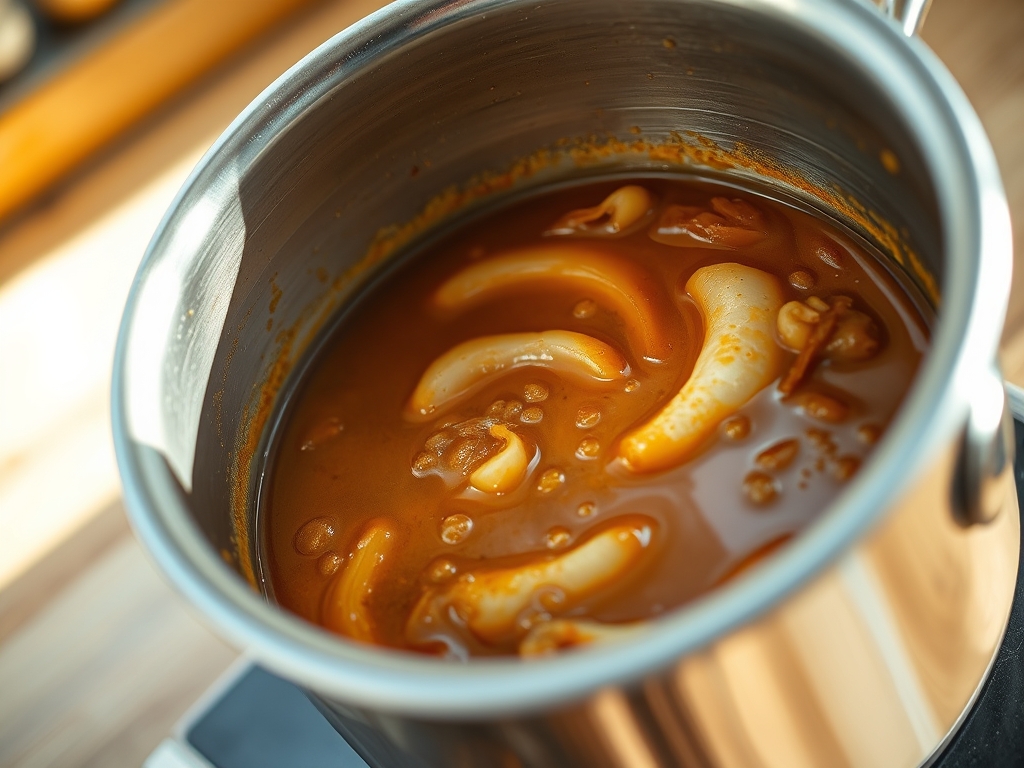
1. The Desalination Rinse
Begin by removing the anchovies from their salt pack. Submerge them in a bowl of cold water for ten minutes. This is not about removing flavor; it is about controlling the salinity levels to ensure the final product is edible. Use a digital scale to weigh your drained solids to ensure the ratio of oil to protein remains consistent.
Pro Tip: This step allows the proteins to slightly rehydrate, making it easier to aerate the paste later. Using a bench scraper to move the delicate fillets prevents tearing the flesh before processing.
2. The Garlic Confit Base
In a small saucier, submerge your garlic cloves in the olive oil over the lowest possible heat. You are looking for a slow poach, not a fry. The garlic should become translucent and buttery. This process creates a mellow, sweet foundation that balances the sharp salinity of the fish.
Pro Tip: The Maillard reaction is your enemy here. If the garlic browns, it becomes bitter. Keep the oil temperature below 190 degrees Fahrenheit (88 Celsius) to maintain a clean, sweet profile.
3. High-Shear Integration
Place the rinsed anchovies, the warm garlic-infused oil, the chili, and the lemon zest into a high-speed blender or food processor. Pulse initially to break down the larger fibers, then move to a high-speed blend for sixty seconds. You are looking for a texture that is perfectly smooth and slightly viscous.
Pro Tip: The high-speed blades create friction heat which helps infuse the chili oils into the fish proteins. A professional-grade blender is superior to a mortar and pestle here for achieving a molecular-level emulsion.
4. The Fish Sauce Fortification
While the blender is running on low, drizzle in the cold-pressed fish sauce. This adds a secondary layer of fermented complexity and a shot of liquid glutamates. If you desire a creamier finish for immediate use, slowly whisk in cold cubes of unsalted butter to create a stable emulsion.
Pro Tip: Adding the fish sauce at the end preserves its volatile aromatic compounds. This is a "top-note" strategy used to brighten the deep "bass-notes" of the aged paste.
Section B: Prep & Timing Fault-Lines:
The most common failure in this protocol is temperature mismanagement. If you add the anchovies to oil that is too hot, you will fry them rather than emulsifying them. This results in a grainy, sandy texture that separates in the jar. Always allow your garlic oil to cool to room temperature before blending with the raw cured fish. Another fault-line is the "rushed rinse." If you do not let the anchovies sit in the water for at least ten minutes, the salt concentration will be so high that it prevents the fats from properly bonding with the proteins, leading to a broken, oily mess.
THE VISUAL SPECTRUM
Section C: Thermal & Visual Troubleshooting:
Referencing the Masterclass photo above, your Aged Anchovy Paste should exhibit a deep, mahogany hue with a glossy, reflective surface. If your paste looks pale or grey, you likely used under-cured fish or over-processed the mixture, introducing too much air. To fix a dull color, add a pinch of smoked paprika; this restores the reddish-brown depth without altering the flavor profile significantly. If you see oil pooling at the top (separation), the emulsion has failed. Re-stabilize by adding a teaspoon of warm water and re-blending on high speed to force the lipids back into the protein matrix. The texture should be thick enough to hold a peak on a spoon; if it runs, it needs more solids or a cold-set period in the refrigerator.
THE DEEP DIVE
Macro Nutrition Profile:
This paste is a powerhouse of Omega-3 fatty acids and calcium. Per tablespoon, you are looking at approximately 45 calories, 4g of healthy fats, 3g of protein, and 0g of carbohydrates. It is a micronutrient bomb, loaded with selenium and Vitamin B12.
Dietary Swaps:
- Vegan: Replace anchovies with a blend of fermented black beans (douchi), minced capers, and nori sheets pulsed with miso paste.
- Keto/GF: This recipe is naturally compliant with both; just ensure your fish sauce contains no added sugars or wheat thickeners.
Meal Prep & Reheating Science:
Aged Anchovy Paste is incredibly stable due to its high salt and oil content. It will keep in a sterilized glass jar for up to three months in the refrigerator. When using it in hot applications, always deglaze your pan with a liquid (wine or stock) after adding the paste. This prevents the proteins from scorching on the bottom of the pan, which would turn the umami into a burnt, acrid flavor. To maintain molecular structure when reheating a sauce containing this paste, avoid boiling it violently; a gentle simmer preserves the delicate emulsion.
THE KITCHEN TABLE
Can I use canned anchovies instead of salt-cured?
Yes, but the depth will be shallower. Canned fillets in oil are already processed; you will need to reduce the added olive oil by 20% to compensate for the oil already clinging to the fish.
Why is my paste bitter?
Bitterness usually stems from over-cooked garlic or using a low-quality, "early harvest" olive oil that is too high in polyphenols. Next time, ensure the garlic stays pale and use a buttery, late-harvest oil.
How do I use this in a standard dish?
Think of it as "salt with soul." Stir a teaspoon into your tomato sauce, rub it onto a roast chicken before puting it in the oven, or whisk it into a Caesar dressing. It disappears but leaves a massive footprint.
Is the lemon zest mandatory?
Technically no, but chemically yes. The citric acid and oils in the zest cut through the heavy lipids and brighten the fermented funk. It provides the necessary "high-frequency" contrast to the deep, salty "low-frequency" of the fish.