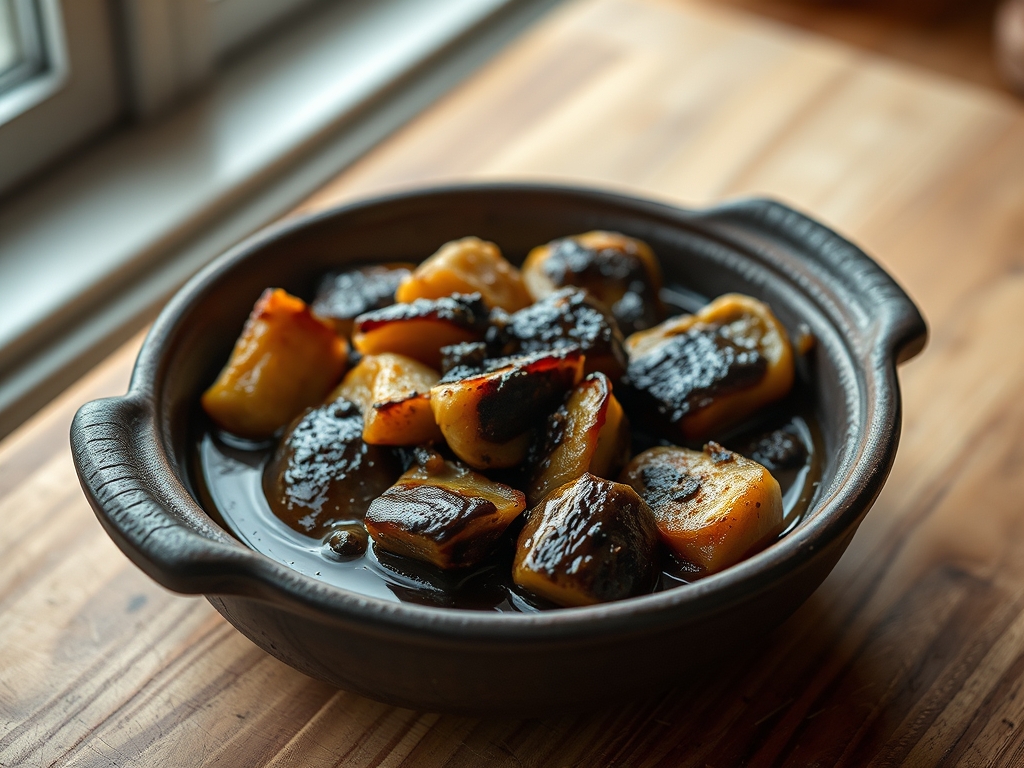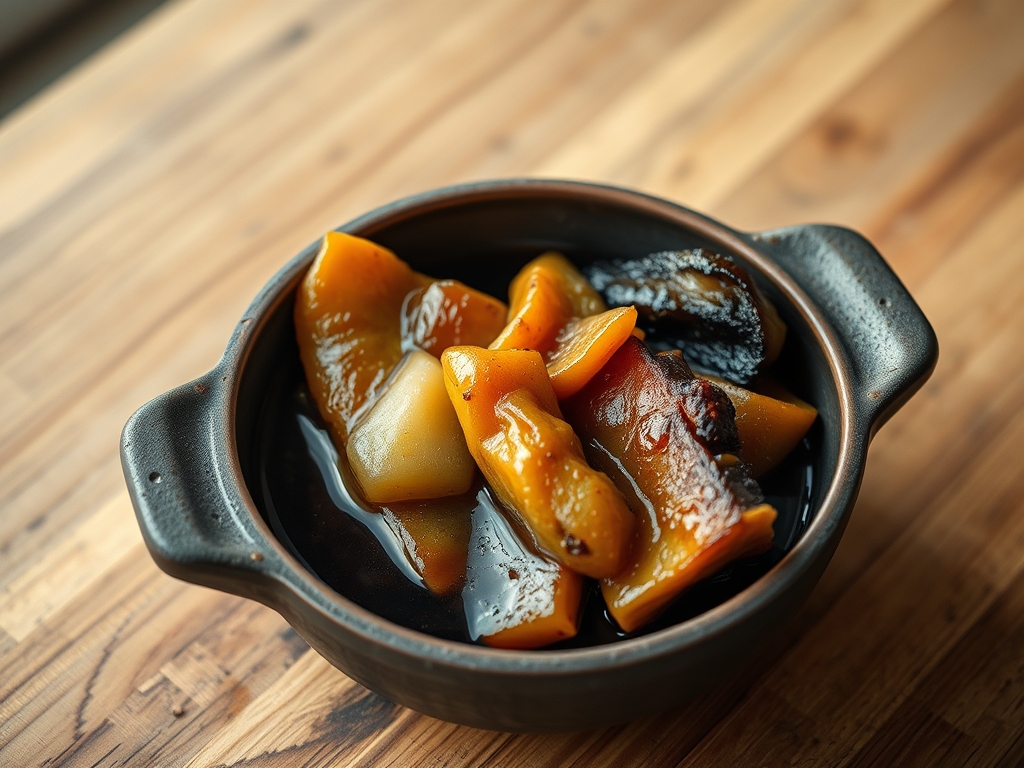
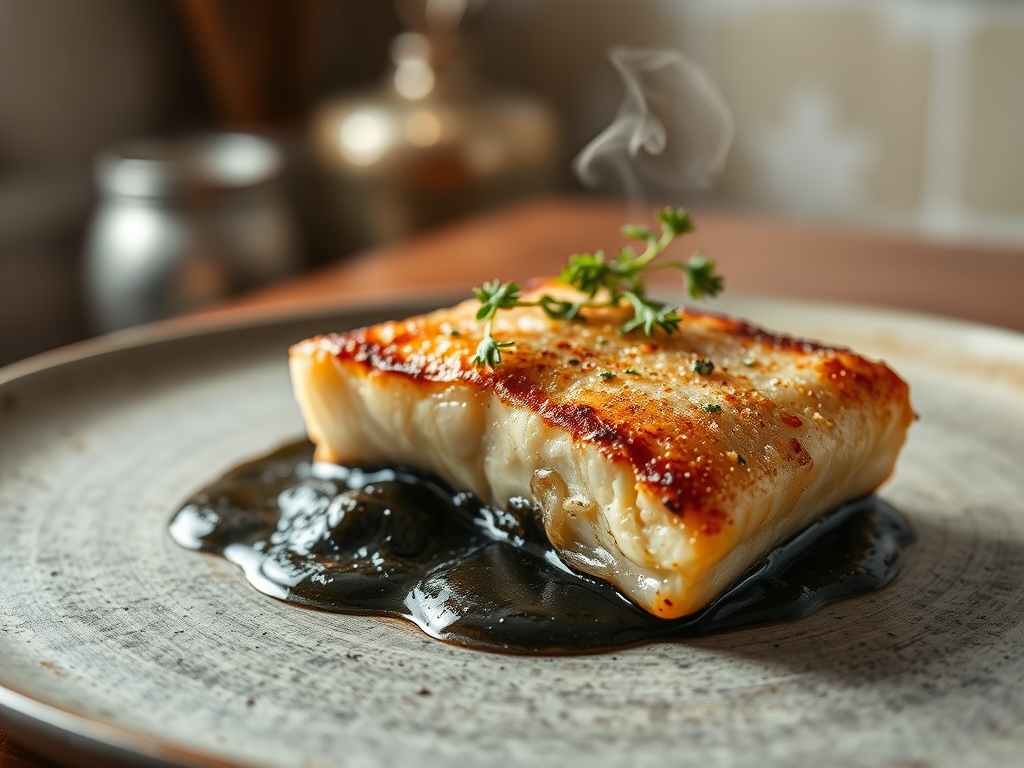
Imagine a plate where the stark, pearlescent flakes of premium poultry-of-the-sea collide with a void so deep it looks like a liquid obsidian mirror. This is not just dinner; it is a high-stakes architectural event. When you serve Sea Bass with Ink, you are manipulating the intense, earthy salinity of cephalopod melanin to provide a structural contrast to the buttery, delicate lipids of the fish. The scent hitting the table is a complex wave of briny ocean air and toasted aromatics. We are looking for a specific textural tension here. The skin must be shattered like glass, while the flesh beneath remains translucent and trembling. Most home cooks fail because they treat ink as a mere dye; we treat it as a foundational brine. This dish demands precision, a high-heat threshold, and a willingness to embrace the darkness. If you are ready to move beyond the beige and into the realm of high-contrast culinary physics, then prepare your station. We are about to engineer a masterpiece of protein and pigment.
THE DATA MATRIX
| Metric | Specification |
|---|---|
| Prep Time | 25 Minutes |
| Execution Time | 15 Minutes |
| Yield | 4 Servings |
| Complexity (1-10) | 7 |
| Estimated Cost per Serving | $18.00 – $24.00 |
THE GATHERS
Ingredient Protocol:
- 4 Sea Bass Fillets (Skin-on); 170g / 6oz each
- Squid Ink (Cuttlefish); 15ml / 1 tbsp
- Dry White Wine (Sauvignon Blanc); 120ml / 0.5 cup
- Unsalted High-Fat Butter; 60g / 4 tbsp
- Shallots (Finely Minced); 50g / 0.3 cup
- Heavy Cream; 60ml / 0.25 cup
- Grapeseed Oil (High Smoke Point); 30ml / 2 tbsp
- Kosher Salt; 10g / 2 tsp
- Fresh Lemon Juice; 15ml / 1 tbsp
Section A: Ingredient Quality Audit:
The integrity of your Sea Bass with Ink depends entirely on the freshness of the protein and the purity of the pigment. If your fish smells like a harbor at low tide, it is already decomposing; fresh bass should smell like a neutral sea breeze. If you find yourself with "fishy" fillets, a 10-minute soak in cold milk can help neutralize trimethylamine, though starting fresh is always superior. Regarding the ink, ensure it is culinary-grade cuttlefish ink. Lower-quality synthetic versions lack the glutamates necessary for that deep umami punch. If your ink is too viscous or clumpy, whisk it with a teaspoon of warm water before adding it to the sauce to prevent unappealing black streaks.
THE MASTERCLASS
1. The Surface Dehydration Protocol
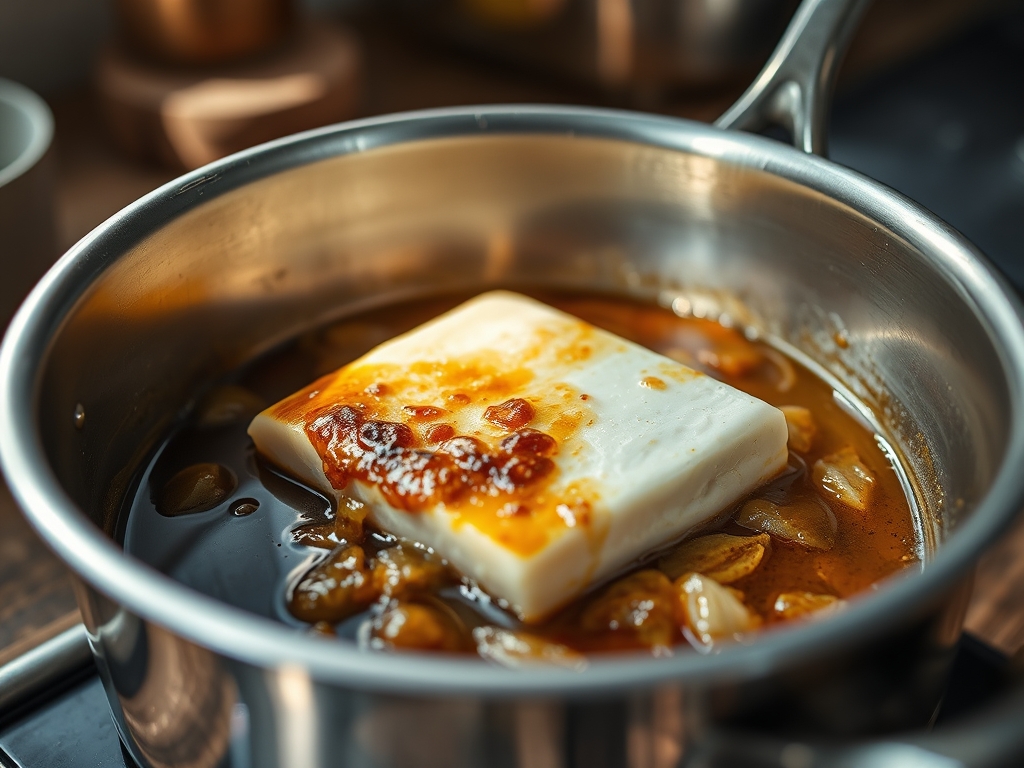
Pat the sea bass fillets excessively dry using lint-free paper towels. Use a sharp knife to score the skin lightly in a crosshatch pattern without piercing the flesh. Season only the skin side with salt at this stage.
Pro Tip: Moisture is the enemy of the Maillard reaction. By dehydrating the skin and using a bench scraper to remove any residual slime, you ensure the thermal energy goes directly into crisping the collagen rather than evaporating water.
2. The Thermal Sear
Heat a heavy stainless steel skillet over medium-high heat until the oil shimmers. Place the fillets skin-side down, pressing firmly with a flexible fish spatula for 30 seconds to prevent curling. Lower the heat to medium and do not move them.
Pro Tip: This is where we render the subcutaneous fat. Using a digital infrared thermometer, aim for a pan surface temperature of 400 degrees Fahrenheit. This ensures the skin achieves a glass-like texture without overcooking the delicate protein above.
3. The Ink Emulsion Phase
While the fish rests, use a saucier to sauté shallots in a small knob of butter until translucent. Deglaze the pan with white wine, reducing by half. Whisk in the squid ink and heavy cream, simmering until the sauce coats the back of a spoon.
Pro Tip: To aerate the sauce and create a velvety mouthfeel, use an immersion blender for 20 seconds. This emulsifies the fats and the ink, creating a stable, glossy liquid that won't break on the plate.
4. The Final Infusion
Return the fish to the pan for a final 60 seconds, flesh-side down, just to kiss the heat. Spoon the dark, viscous sauce onto the plate first, then nestle the fish on top, skin-side up, to preserve the crunch. Finish with a bright squeeze of lemon.
Pro Tip: Use a digital scale to ensure even portioning of the sauce. The acidic lemon juice acts as a chemical brightener, cutting through the heavy iron-like richness of the ink and the fatty lipids of the bass.
Section B: Prep & Timing Fault-Lines:
The most common failure in Sea Bass with Ink is the "Grey Zone" where the fish is overcooked before the skin is crisp. If your pan is not hot enough, the fish will steam in its own juices. If you notice the edges of the fillets turning opaque too quickly, pull the pan off the heat and let the residual thermal mass finish the job. Timing the sauce is equally critical. If the ink sauce sits too long, it will develop a skin and lose its luster. Always prepare the sauce base ahead of time, but do not add the ink and cream until the fish is halfway through its sear.
THE VISUAL SPECTRUM
Section C: Thermal & Visual Troubleshooting:
Look at the reference photo. Notice the stark white of the fish against the midnight black of the sauce. If your sauce looks grey or purple, you have likely diluted it too much with cream or failed to reduce the wine sufficiently. If the skin of the fish is pale rather than golden-brown, your heat was too low or your oil was insufficient. The "Ink" should have a high-gloss sheen, reflecting light like polished marble. If it appears matte or dull, whisk in a cold cube of butter at the very last second (the monter au beurre technique) to restore the shine and add a piquant richness.
THE DEEP DIVE
Macro Nutrition Profile:
A standard serving of Sea Bass with Ink provides approximately 35g of high-quality protein, 18g of healthy fats (primarily Omega-3s), and 4g of carbohydrates. The squid ink adds a unique profile of antioxidants and minerals like iron and copper, making this a nutrient-dense powerhouse.
Dietary Swaps:
- Vegan: Replace the sea bass with thick slabs of king oyster mushrooms and use coconut cream and vegan butter for the sauce. Use "Nori" paste for the oceanic flavor.
- Keto: This dish is naturally keto-friendly. Ensure the wine is fully reduced to eliminate residual sugars.
- GF: This recipe is naturally gluten-free. Avoid any pre-mixed ink bases that may use flour as a thickener.
Meal Prep & Reheating Science:
Seafood is notoriously difficult to reheat without destroying the molecular structure of the proteins. If you must store this, keep the sauce and fish in separate airtight containers. To reheat, place the fish in a 300-degree oven for 5 minutes just to take the chill off. Re-emulsify the sauce in a small pan with a splash of water to restore its viscous flow.
THE KITCHEN TABLE
Can I use frozen sea bass for this?
Yes, but you must thaw it completely in the refrigerator and use an extreme dehydration method. Frozen fish releases more moisture, which can jeopardize the crispy skin required for this specific texture profile.
What if I cannot find squid ink?
There is no true substitute for the depth of ink. However, a reduction of balsamic vinegar with a touch of soy sauce and seaweed powder can mimic the visual and salty profile, though it lacks the authentic oceanic umami.
Why did my sauce break and turn oily?
Your heat was too high after adding the cream. Emulsions are fragile. If it breaks, add a teaspoon of cold heavy cream and whisk vigorously off the heat to pull the fats back into the liquid matrix.
Is squid ink safe for everyone?
Squid ink is generally safe, but those with shellfish allergies should exercise caution as cross-reactivity can occur. Always check the label of bottled ink for any hidden additives or preservatives that might trigger sensitivities.