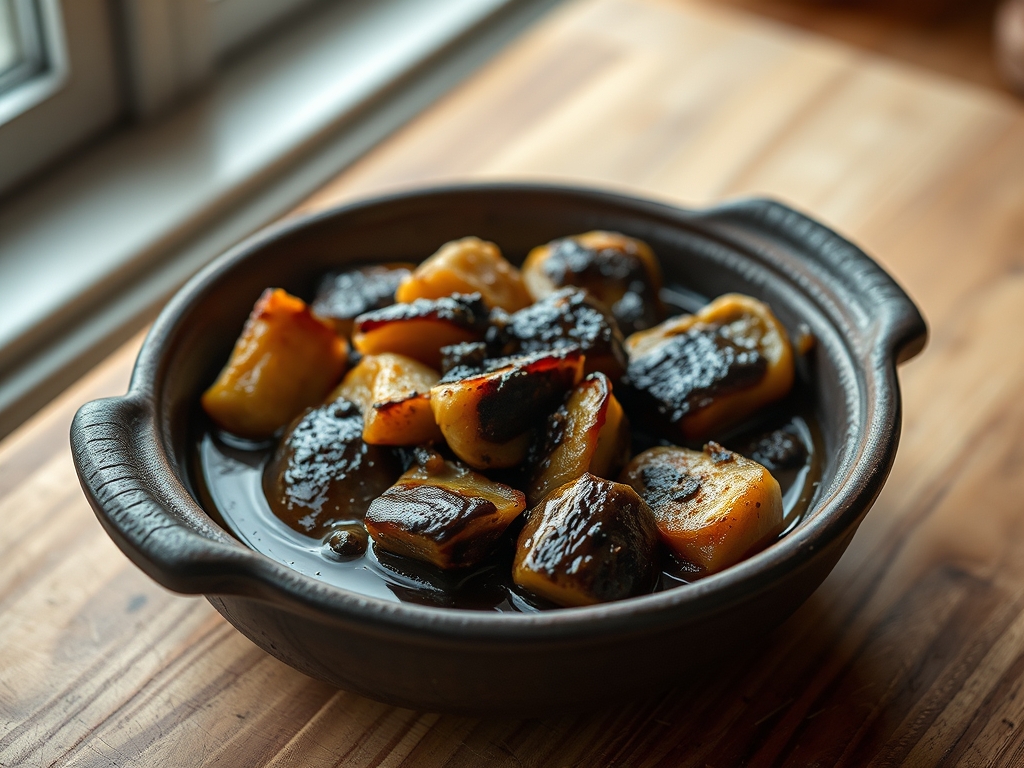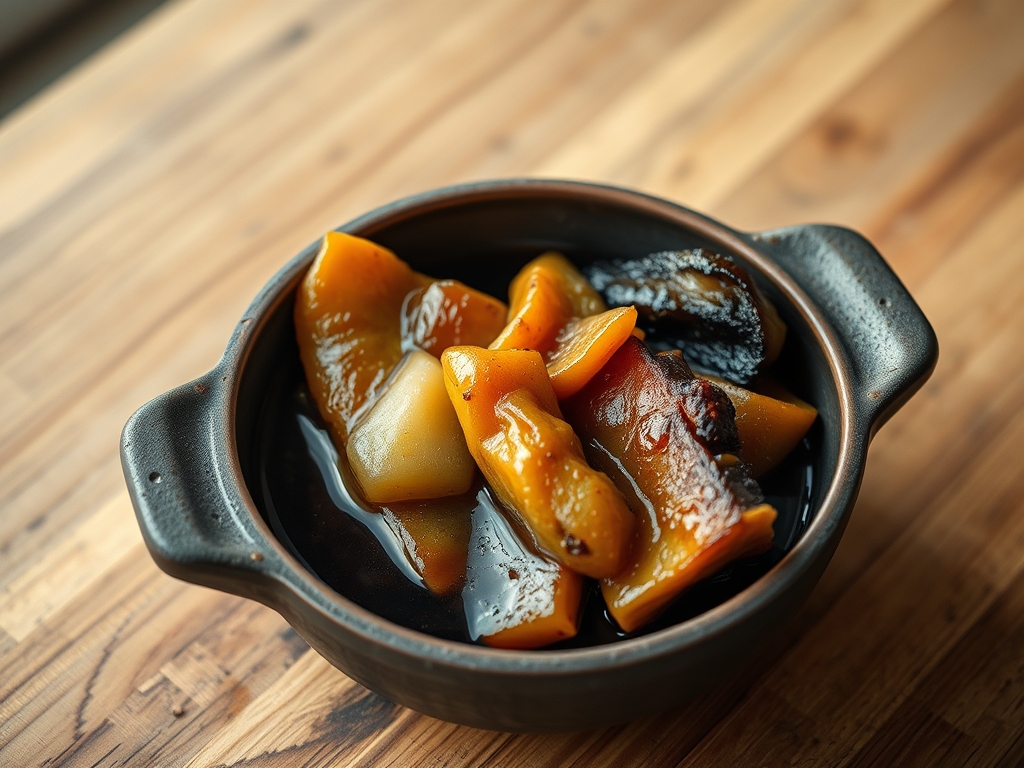
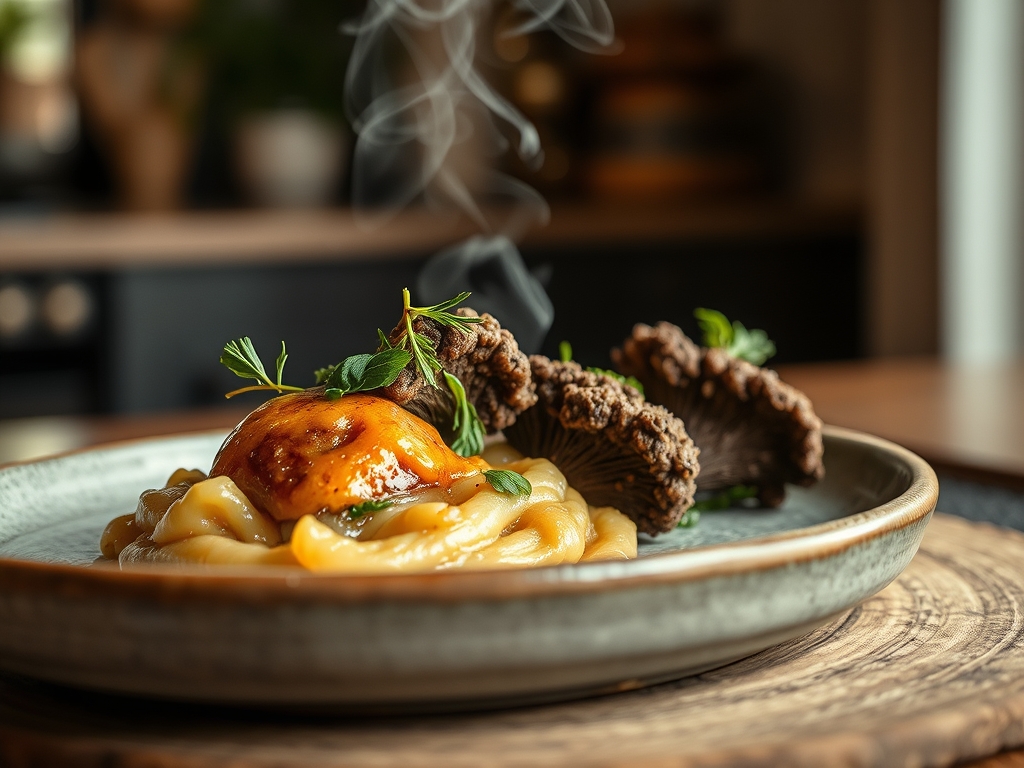
Listen up, kitchen operatives. We are moving beyond the basic mushroom sauté and entering the realm of architectural fluid dynamics. When you look at a morel, you should not see a mere fungus; you should see a masterpiece of biological engineering designed specifically to trap and hold sauce. This is the Dried Morels Audit. We are analyzing the honeycomb lattice of the Morchella genus to ensure every pit and ridge serves as a high-capacity reservoir for butter and cream. The dried variety is superior for this specific mission because the dehydration process concentrates the earthy, musk-heavy compounds that make these fungi the gold standard of the forest floor. We are looking for that specific, leathery texture that promises a deep, umami-rich rehydration. If your sauce is sliding off the surface, your infrastructure has failed. We are here to ensure that every millimeter of surface area is saturated with flavor. Prepare to transform brittle, desiccated husks into succulent, sauce-laden vessels of culinary perfection. This is not just cooking; it is a structural overhaul of your palate.
THE DATA MATRIX
| Metric | Specification |
|---|---|
| Prep Time | 30 Minutes (Hydration Phase) |
| Execution Time | 25 Minutes |
| Yield | 4 Servings |
| Complexity (1-10) | 7 |
| Estimated Cost per Serving | $12.50 – $18.00 |
THE GATHERS
Ingredient Protocol:
- Dried Morels: 30g / 1 oz (High-grade, whole caps)
- Warm Water (for soaking): 475ml / 2 cups
- Shallots: 40g / 3 tbsp (Finely minced)
- Heavy Cream: 240ml / 1 cup (Minimum 36% milk fat)
- Unsalted Butter: 45g / 3 tbsp (European style)
- Dry Sherry or Cognac: 60ml / 1/4 cup
- Fresh Thyme: 2g / 1 tsp (Leaves only)
- Kosher Salt: To taste
- Freshly Cracked Black Pepper: To taste
Section A: Ingredient Quality Audit:
If your dried morels arrive smelling like dusty cardboard rather than a damp forest floor, they are past their operational prime. To salvage sub-par fungi, increase the infusion time during the soaking phase and add a drop of soy sauce to the liquid to boost the umami profile. If your heavy cream is too thin, it will fail to coat the honeycomb structure. You must render the sauce further to achieve the desired viscous consistency. Always check your shallots for sprouting; the green core introduces a piquant bitterness that will disrupt the delicate balance of the mushroom's earthiness.
THE MASTERCLASS
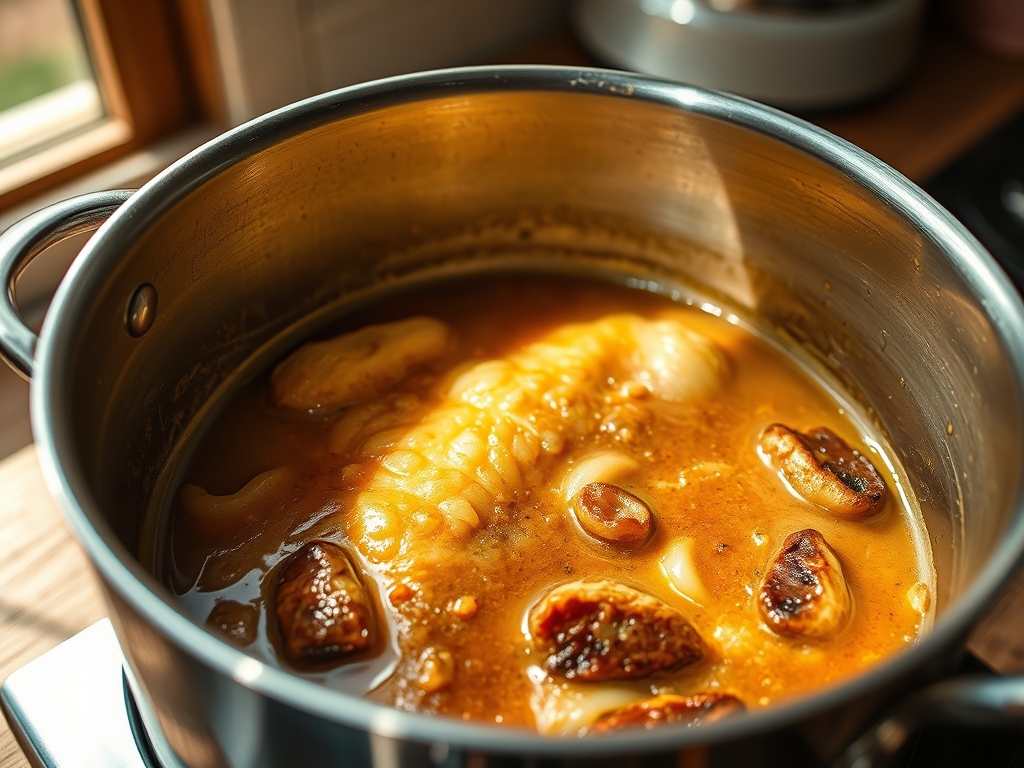
1. The Hydration Protocol
Place the dried morels in a heat-proof bowl and cover with the measured warm water. Submerge them fully using a small plate as a weight. Let them sit for 30 minutes until they are supple but not mushy.
Pro Tip: Use a digital scale to ensure the water-to-fungi ratio is exact. The science here involves osmotic pressure; you want the cells to swell without rupturing the delicate honeycomb walls.
2. The Sediment Filtration
Carefully remove the morels from the liquid. Strain the soaking liquid through a coffee filter or a fine-mesh chinois into a clean vessel. This liquid is liquid gold, packed with dissolved flavor compounds.
Pro Tip: Never skip the filtration. Morels are notorious for harboring grit in their ridges. A saucier with a rounded bottom is the best tool for the subsequent reduction to prevent scorching in the corners.
3. The Maillard Initiation
Melt half the butter in your pan over medium-high heat. Add the morels and sauté until they begin to brown and the edges become slightly crisp. Add the shallots during the final two minutes.
Pro Tip: This step triggers the Maillard reaction, creating complex new flavor molecules. Use a bench scraper to move the shallots efficiently from the cutting board to the pan to maintain temperature consistency.
4. The Deglaze and Reduce
Pour in the sherry or cognac to deglaze the pan, scraping up any browned bits (the fond). Add the filtered mushroom soaking liquid and reduce the volume by half.
Pro Tip: Reducing the liquid concentrates the solutes. Use a digital thermometer if you are unsure of the evaporation rate; you are looking for a syrupy consistency before adding the fats.
5. The Emulsification Finality
Lower the heat and stir in the heavy cream and the remaining cold butter. Whisk gently to aerate and infuse the sauce until it coats the back of a spoon. Season with salt, pepper, and fresh thyme.
Pro Tip: Cold butter added at the end (monter au beurre) creates a stable emulsion. The fat molecules suspend in the liquid, creating a glossy sheen that perfectly highlights the texture seen in the audit photo.
Section B: Prep & Timing Fault-Lines:
The most common human error is rushing the reduction. If you add the cream too early, the sauce will be watery and will not adhere to the morel's surface area. Conversely, if the heat is too high when the cream is added, the proteins may denature and "break" the sauce into an oily mess. Maintain a gentle simmer; never a rolling boil. If the sauce breaks, whisk in a teaspoon of cold heavy cream immediately to stabilize the temperature and re-emulsify the fats.
THE VISUAL SPECTRUM
Section C: Thermal & Visual Troubleshooting:
In the Masterclass photo, observe the deep mahogany hue of the mushroom caps contrasted against the pale, ivory-gold sauce. If your dish looks grey or muddy, you likely failed to filter the soaking liquid or overcrowded the pan during the sauté phase, causing the mushrooms to steam rather than brown. If the sauce appears translucent, the fat content is too low or the reduction was insufficient. The final product should have a velvet-like texture that fills the honeycomb voids of the morels without obscuring their unique structural geometry.
THE DEEP DIVE
Macro Nutrition Profile:
A single serving provides approximately 280 calories, dominated by high-quality fats from the cream and butter. Morels are surprisingly high in iron and Vitamin D, making them a nutrient-dense addition to a rich meal. They offer a moderate amount of fiber, which helps with the digestion of the heavy fats.
Dietary Swaps:
- Vegan: Replace butter with a high-quality vegan block and use full-fat coconut milk or a cashew-based cream. Note that the flavor profile will shift toward a sweeter, nuttier spectrum.
- Keto: This recipe is naturally keto-compliant. Ensure the sherry is dry to minimize residual sugars.
- GF: Morels are naturally gluten-free. Ensure your spirits and seasonings are certified to avoid cross-contamination.
Meal Prep & Reheating Science:
Morel sauce is best served immediately. However, if you must reheat, do so over a very low flame or a double boiler. Do not use a microwave; the uneven electromagnetic waves will cause the fat to separate from the solids, destroying the molecular structure of the emulsion. Add a splash of water or cream to loosen the sauce as it warms.
THE KITCHEN TABLE
Why are my morels still chewy after soaking?
You likely used water that was too cold or did not soak them long enough. Ensure the water is around 110 degrees Fahrenheit. If they remain tough, simmer them longer in the soaking liquid before adding the cream.
Can I use fresh morels for this audit?
Yes, but the flavor will be less intense. Skip the hydration step and increase the amount of fresh fungi by weight. You will also need to add a splash of vegetable or mushroom stock to replace the soaking liquid.
What is the best way to store leftover dried morels?
Keep them in an airtight glass jar in a cool, dark place. Moisture is the enemy of the dried mushroom. If stored correctly, they can maintain their structural and flavor integrity for up to a year.
Is the soaking liquid really necessary?
Absolutely. The soaking liquid contains the water-soluble flavor compounds that escaped the mushroom during hydration. Discarding it is a culinary crime that results in a flat, one-dimensional sauce lacking the required depth.