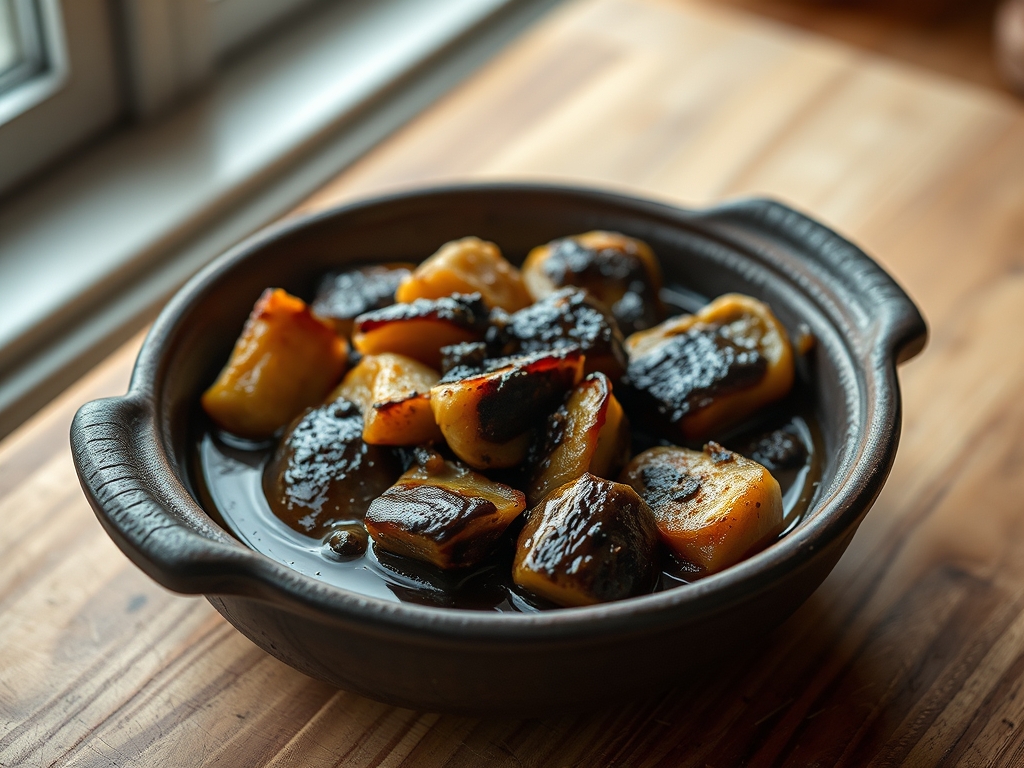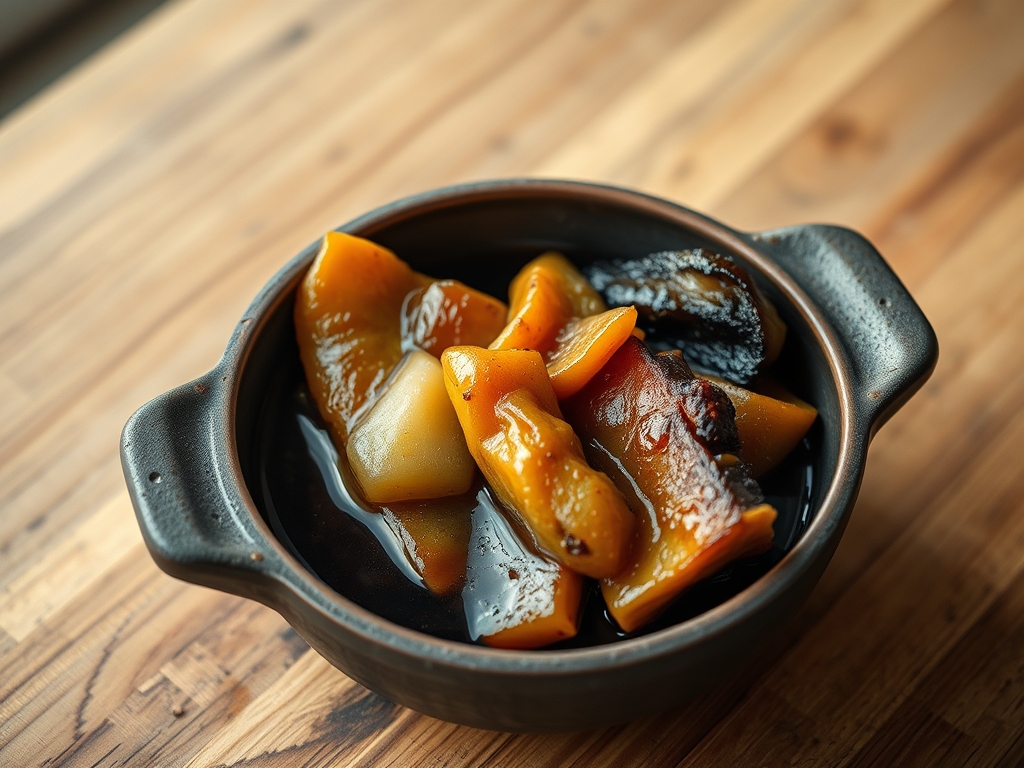
Listen to the roar of the ventilation hood because we are about to engage in high-velocity culinary engineering. We are not just making dinner; we are orchestrating a biological collapse of fungal cell walls to create a sauce so deep it borders on the abyss. When we analyze Mushroom Ragu Data, we see more than just a recipe. We see a complex network of polysaccharides, amino acids, and moisture evaporation rates. This is the infrastructure of flavor. You want a sauce that clings to pasta like a desperate lover while delivering a piquant punch of umami that vibrates through your molars. To achieve this, we must treat our fungi like structural components. We are going to render every drop of water out of those mushrooms until they reach a state of concentrated glory. If your kitchen does not smell like a damp forest floor being struck by lightning, you are doing it wrong. Let us dive into the metrics of this savory breakdown and build something legendary.
THE DATA MATRIX
| Metric | Specification |
|---|---|
| Prep Time | 25 minutes |
| Execution Time | 45 minutes |
| Yield | 4 – 6 Servings |
| Complexity (1-10) | 4 (Technique intensive) |
| Estimated Cost per Serving | $3.50 – $4.50 |
THE GATHERS
Ingredient Protocol:
- Mushrooms (Cremini, Shiitake, Oyster): 700g / 1.5 lbs
- Yellow Onion (Finely Diced): 150g / 1 cup
- Carrots (Brunoise): 100g / 0.75 cup
- Celery (Brunoise): 75g / 0.5 cup
- Garlic (Microplaned): 4 cloves
- Tomato Paste: 45ml / 3 tbsp
- Dry Red Wine (Nebbiolo or Chianti): 120ml / 0.5 cup
- Vegetable Stock (High Quality): 500ml / 2 cups
- Heavy Cream (Optional): 60ml / 0.25 cup
- Fresh Thyme: 3 sprigs
- Extra Virgin Olive Oil: 45ml / 3 tbsp
- Kosher Salt: To taste
- Black Pepper: To taste
Section A: Ingredient Quality Audit:
If your mushrooms feel slimy or smell like a basement floor, abort the mission. Sub-par fungi lead to a muddy, dull profile. To fix slightly wilted mushrooms, give them a quick 5-minute soak in ice water and pat them dry immediately with a lint-free towel. This rehydrates the cellular structure. If your tomato paste is metallic and sharp, it is likely oxidized. Always choose paste from a tube rather than a can to maintain a bright, acidic profile. If your red wine is something you would not drink from a glass, do not let it near your pan. The sugars will caramelize, but the "off" flavors will concentrate and ruin your hard work.
THE MASTERCLASS
Step 1: The Fungal Breakdown
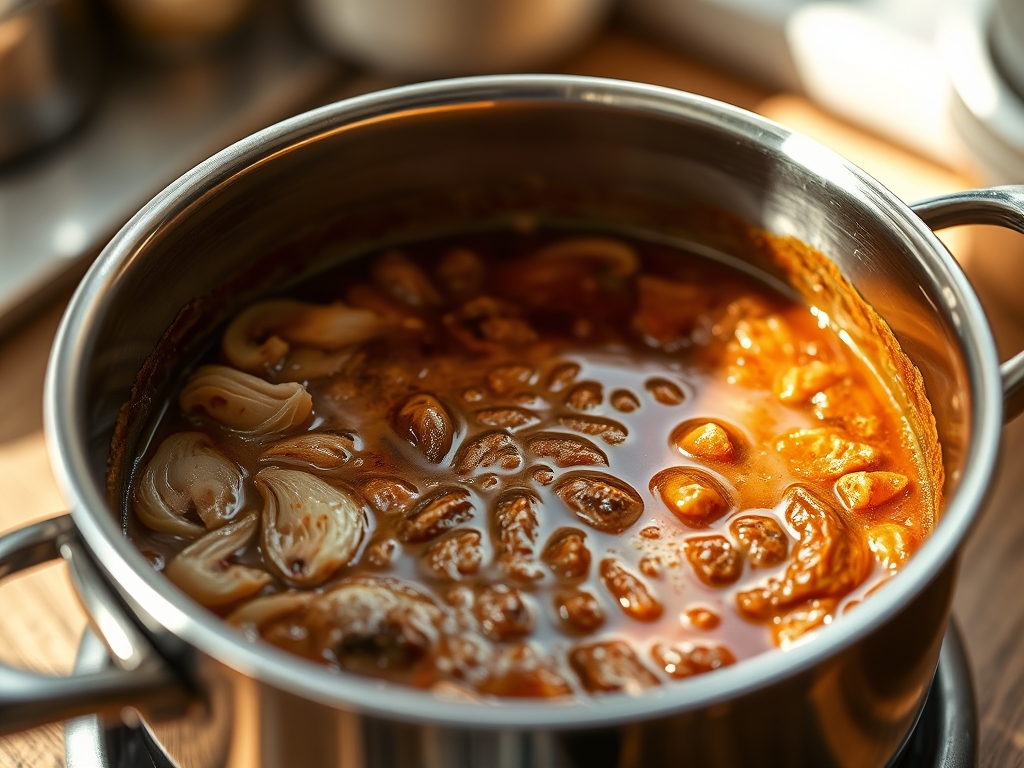
Finely chop your mushrooms using a sharp chef knife or a food processor pulsed in short bursts. You want a uniform "mince" that resembles ground meat. Heat your heavy-bottomed saucier over medium-high heat with a drizzle of oil. Add the mushrooms in batches. Do not crowd the pan or they will steam instead of sear.
Pro Tip: This stage is about the Maillard reaction. Mushrooms are roughly 90 percent water. You must evaporate this moisture to concentrate the glutamate. Use a bench scraper to move the chopped mushrooms from the board to the pan efficiently without losing the precious juices.
Step 2: The Aromatics Integration
Once the mushrooms are deeply browned and have shrunk significantly, add your onions, carrots, and celery. Sauté until the onions are translucent and the carrots have softened. Add the garlic and thyme at the very end to prevent burning the delicate sulfur compounds.
Pro Tip: Use a digital scale to weigh your mirepoix. Precision in the ratio of aromatics to fungi ensures a balanced flavor profile. If the pan looks dry, add a teaspoon of oil to help render the vegetables properly.
Step 3: The Tomato Paste Bridge
Clear a small circle in the center of your pan. Drop in the tomato paste. Let it sit against the hot metal for 60 seconds until it turns from bright red to a dark, rusty brick color. This is called "pinçage." Stir it into the mushroom mixture.
Pro Tip: This step creates a bridge between the earthy mushrooms and the acidic wine. It adds a viscous quality to the final sauce that helps it coat the pasta.
Step 4: The Deglaze and Simmer
Pour in the red wine. Use a wooden spoon to scrape every brown bit (the fond) off the bottom of the pan. Let the wine reduce by half. Add the vegetable stock. Lower the heat and let it simmer for 20 to 30 minutes until the sauce is thick and luxurious.
Pro Tip: Deglazing is the most critical step for depth. Those brown bits are concentrated umami gold. If you skip this, your sauce will be one-dimensional.
Section B: Prep & Timing Fault-Lines:
The most common human error is impatience during the browning phase. If you add the stock before the mushrooms have fully browned, you will end up with a grey, rubbery mess. Use a thermometer to ensure your simmer stays between 185 and 205 degrees Fahrenheit. Anything higher will boil the delicate aromatics and result in a bitter finish. If you find the sauce is reducing too quickly, cover the pan partially to trap the steam.
THE VISUAL SPECTRUM
Section C: Thermal & Visual Troubleshooting:
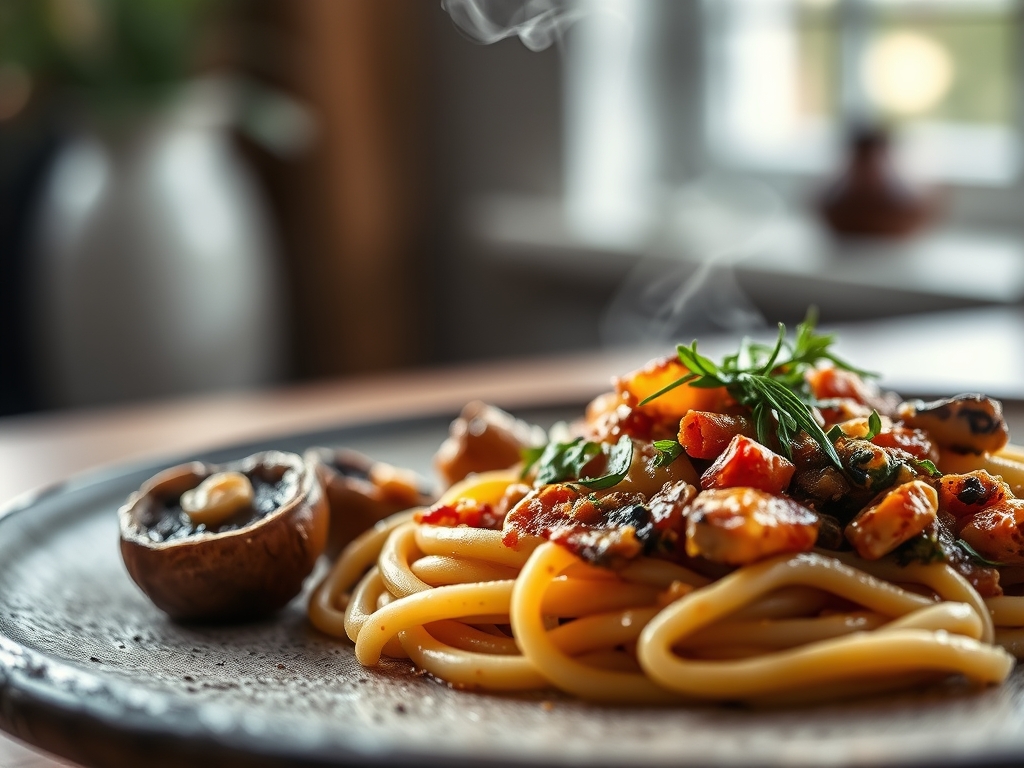
Look at the Masterclass photo above. Notice the deep mahogany hue and the way the sauce clings to the ridges of the pasta. If your sauce looks pale, you likely under-caramelized the tomato paste or the mushrooms. To fix this, you can add a teaspoon of soy sauce or Worcestershire sauce for an emergency color and salt boost. If the texture looks "broken" or oily, the emulsion has failed. To fix this, whisk in a tablespoon of cold butter or a splash of heavy cream to aerate and stabilize the fats. If the color is dull, a handful of fresh parsley added at the very end will provide the necessary visual contrast.
THE DEEP DIVE
Macro Nutrition Profile:
A standard serving of this ragu (without pasta) contains approximately 180 calories, 12g of healthy fats, 15g of carbohydrates, and 6g of protein. It is exceptionally high in Vitamin D and B vitamins due to the fungal density.
Dietary Swaps:
- Vegan: Ensure your wine is vegan-certified and use coconut milk or cashew cream instead of heavy cream.
- Keto: Serve over roasted cauliflower or zucchini noodles instead of traditional pasta.
- GF: This recipe is naturally gluten-free; just ensure your vegetable stock does not contain hidden wheat thickeners.
Meal Prep & Reheating Science:
This sauce actually improves after 24 hours. As it cools, the flavors continue to infuse and the molecular structure stabilizes. When reheating, do not use a microwave. Use a small saucepan over low heat and add a splash of water or stock to loosen the proteins. This prevents the fats from separating and keeps the sauce silky.
THE KITCHEN TABLE
Can I use white wine instead of red?
Yes, but the profile will change. White wine offers a brighter, more acidic finish, whereas red wine provides the robust, earthy depth required for a traditional ragu. Choose a dry Pinot Grigio if you go the white route.
What if my sauce is too thin?
Continue to simmer uncovered. Evaporation is your best friend. Alternatively, you can mash a small portion of the mushrooms against the side of the pan to release their natural thickeners into the liquid.
Do I need to wash the mushrooms?
Never soak them. Mushrooms act like sponges. Instead, use a damp paper towel to wipe away any visible dirt. Excess water in the mushrooms will prevent them from browning properly in the pan.
Can I use dried mushrooms?
Absolutely. Rehydrate dried porcini in hot water and use that soaking liquid as part of your stock. Finely chop the rehydrated mushrooms and add them in with the fresh ones for an explosive umami boost.