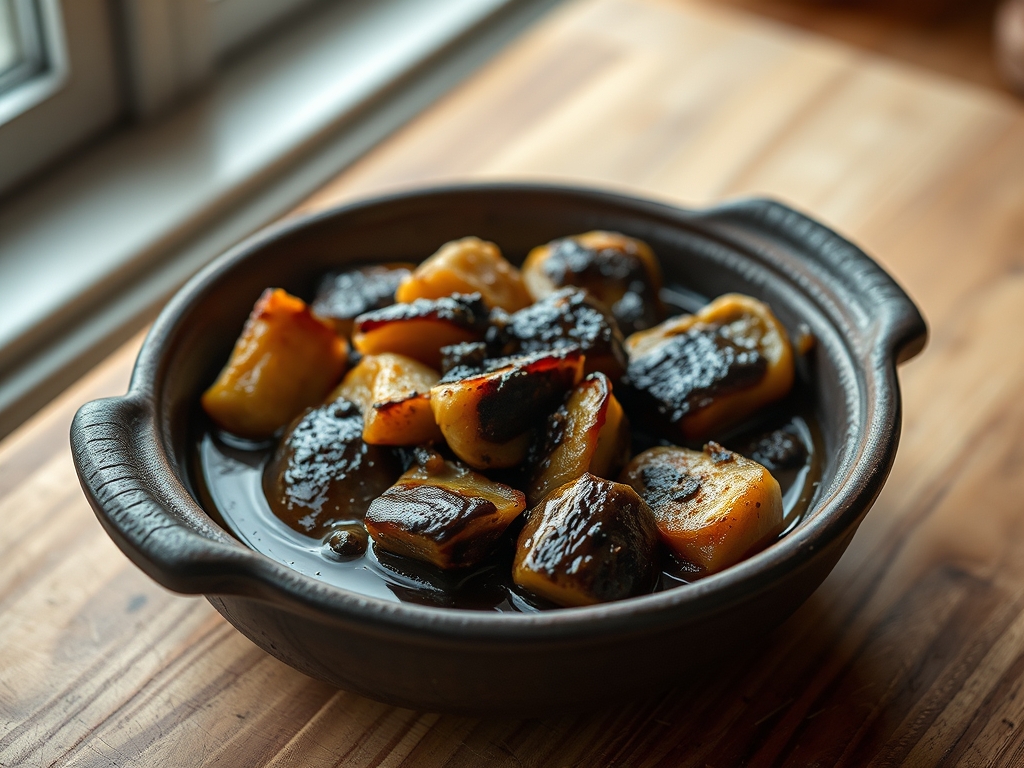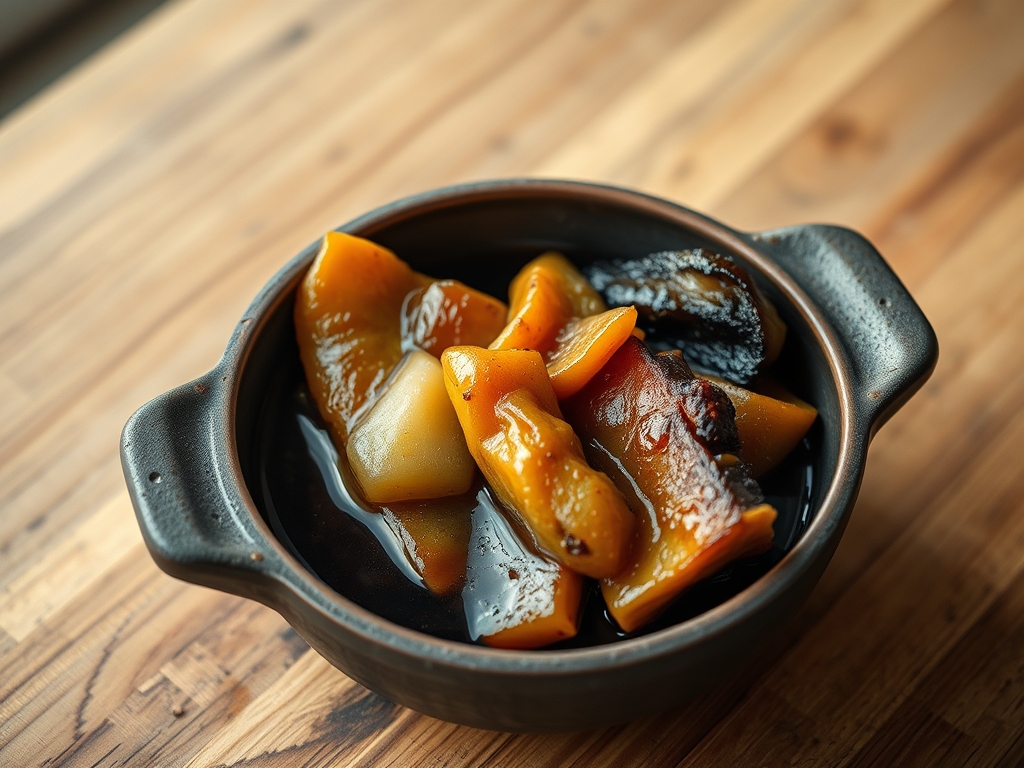
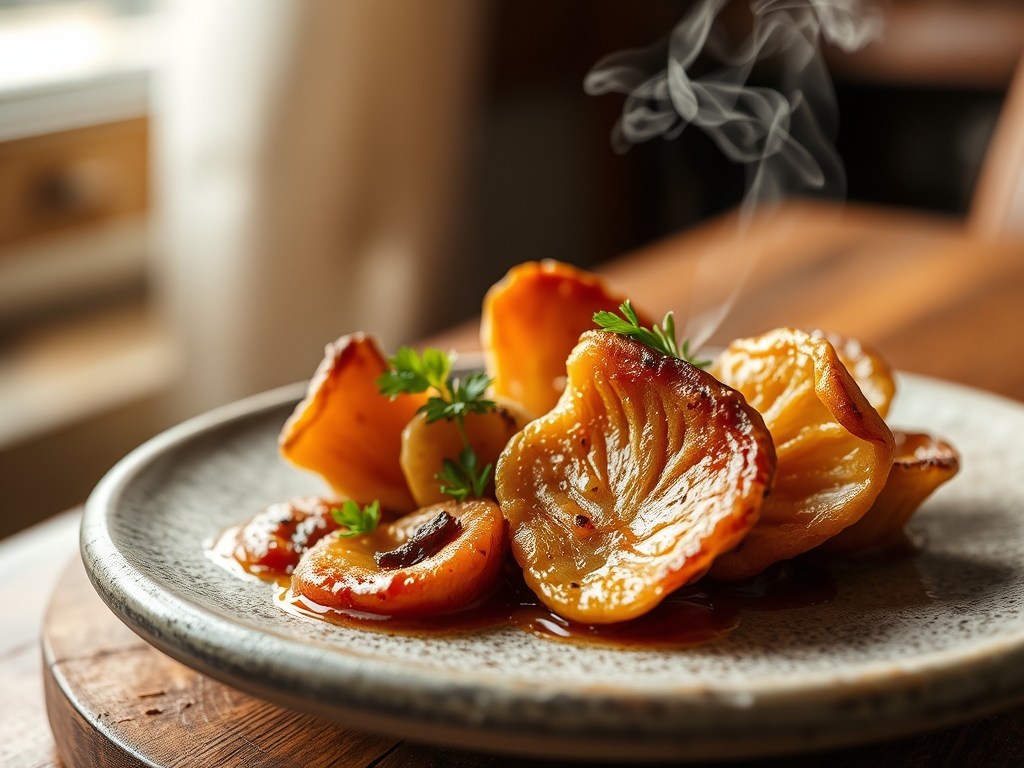
Stop thinking of mushrooms as soft, earthy sponges that dissolve into a risotto. We are entering the realm of structural integrity and snap. Welcome to the Wood Ear Fungus Audit. This is not a lesson in flavor alone; it is a rigorous inspection of cartilaginous architecture. The Wood Ear, or Auricularia heimuer, is the high-performance polymer of the culinary world. It possesses a unique, rubbery resilience that defies standard fungal physics. When hydrated, it transforms from a shriveled, obsidian shard into a translucent, undulating membrane capable of holding a massive volume of liquid without losing its structural "crunch." This audit focuses on the cold-dressed preparation, where we maximize the contrast between the gelatinous exterior and the firm, snap-action interior. We are looking for a specific sonic frequency upon the first bite. If your fungus feels flaccid or slimy, you have failed the audit. We require a piquant dressing to penetrate the folds while maintaining the integrity of the chitinous walls. Prepare your station; we are about to re-engineer your perception of texture.
THE DATA MATRIX
| Metric | Specification |
|---|---|
| Prep Time | 20 Minutes (Excluding Hydration) |
| Execution Time | 10 Minutes |
| Yield | 4 Servings |
| Complexity (1-10) | 4 |
| Estimated Cost per Serving | $1.25 USD |
THE GATHERS
Ingredient Protocol:
- 50g / 1.75oz Dried Wood Ear Fungus (Small variety preferred)
- 30ml / 2 tbsp Light Soy Sauce
- 15ml / 1 tbsp Black Vinegar (Chinkiang style)
- 5ml / 1 tsp Toasted Sesame Oil
- 10g / 2 tsp Granulated Sugar
- 3 cloves / 15g Fresh Garlic (Minced)
- 10g / 1 tbsp Fresh Cilantro (Roughly chopped)
- 2g / 0.5 tsp Toasted Sesame Seeds
- 1 medium / 5g Bird's Eye Chili (Thinly sliced)
Section A: Ingredient Quality Audit:
Sub-par raw materials are the primary cause of structural failure. If your dried fungus appears dusty or grey, the chitin has likely degraded due to improper storage. Technical fix: Perform a "snap test" on a dry piece; it should shatter rather than bend. If using pre-hydrated fungus from a market, smell for fermentation. Any sour or "fishy" notes indicate bacterial colonization. Fix this by performing a double-blanch in boiling water with 5ml of rice wine to deodorize the tissue. If your black vinegar lacks depth, it is likely a synthetic imitation. Authentic Chinkiang vinegar must be fermented from glutinous rice and malt; if yours is thin, whisk in 2g of molasses to simulate the required viscous mouthfeel and complexity.
THE MASTERCLASS
Step-by-Step Execution:
1. The Hydration Protocol
Submerge the dried shards in 1L of room temperature filtered water. Do not use hot water to speed this up; rapid hydration ruptures the cellular walls and leads to a mushy result. Allow 2 to 4 hours for full expansion.
Pro Tip: Use a digital scale to weigh down the fungus with a small plate, ensuring 100% submersion. The science here is osmotic pressure; slow hydration allows the cells to expand uniformly without tearing the delicate outer membrane.
2. Structural Refining
Once hydrated, trim the tough, woody "root" where the fungus was attached to the timber. This area is indigestible and ruins the tactile experience. Tear large pieces into bite-sized segments by hand rather than using a knife to create more surface area for the dressing to cling to.
Pro Tip: Use a bench scraper to quickly clear your workspace of trimmings. Tearing by hand follows the natural grain of the fungus, preventing the "slick" edges produced by a blade that allow sauce to slide off.
3. The Flash Blanch
Bring a saucier of salted water to a rolling boil. Submerge the fungus for exactly 60 seconds. Immediately transfer to an ice bath.
Pro Tip: This is a "thermal shock" maneuver. The brief heat kill-steps any surface pathogens and slightly softens the exterior to allow for better absorption, while the ice bath stops the cooking to preserve the cartilaginous snap.
4. Emulsifying the Piquant Matrix
In a small stainless steel bowl, combine the garlic, soy sauce, vinegar, and sugar. Whisk vigorously while slowly drizzling in the sesame oil to create a temporary emulsion.
Pro Tip: Use a microplane to grate the garlic into a paste. This increases the surface area, allowing the garlic oils to infuse the vinegar more rapidly, creating a more cohesive flavor profile.
5. The Final Integration
Drain the fungus thoroughly. Use a salad spinner or clean kitchen towels to remove every drop of excess moisture. Toss with the dressing, chili, and cilantro.
Pro Tip: Moisture is the enemy of adhesion. If the fungus is wet, the dressing will be diluted and fail to coat the folds. Use a silicone spatula to fold the ingredients, ensuring the toasted sesame seeds are distributed evenly across the obsidian surfaces.
Section B: Prep & Timing Fault-Lines:
The most common human error is the "Short-Soak." If the interior of the fungus remains hard or gritty, the rehydration cycle was incomplete. You cannot fix this after the dressing is applied. Another failure point is temperature control. Serving this dish lukewarm is a culinary crime. The cooling process is essential for the "crunch" factor; as the fungus cools, the structural proteins tighten. If the dressing is applied while the fungus is still warm, the vinegar will cause the cilantro to wilt and lose its aromatic vibrancy. Always ensure the fungus is below 10 degrees Celsius before the final toss.
THE VISUAL SPECTRUM
Section C: Thermal & Visual Troubleshooting:
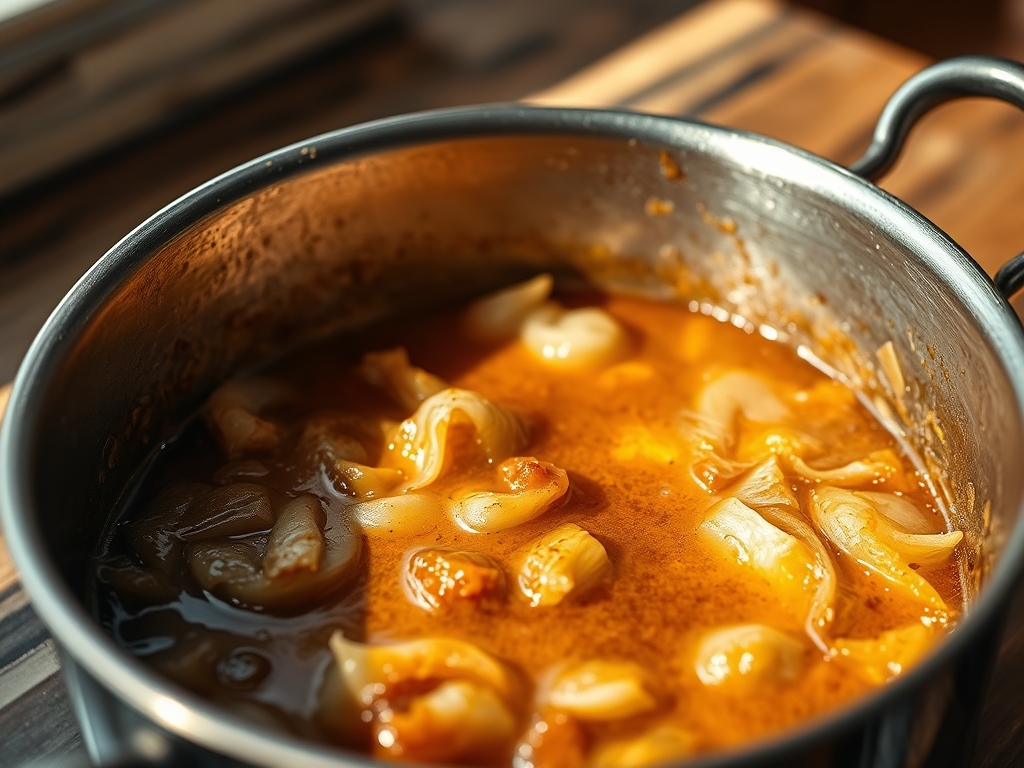
Analyze the Masterclass photo above. Notice the high-gloss sheen on the fungus. This indicates a successful lipid-to-acid ratio in the dressing. If your dish looks dull or matte, you have likely under-dressed it or the fungus was too wet, causing the oil to bead and roll off. The color should be a deep, midnight black with vibrant green and red accents. If the fungus appears brown, it has been over-blanched, leading to oxidation. If the garlic appears blue or green, it has reacted with the acid in the vinegar; this is harmless but visually unappealing. To prevent this, add the garlic last, just before serving, to minimize the time it spends in a high-acid environment.
THE DEEP DIVE
Macro Nutrition Profile:
Wood Ear Fungus is a nutritional powerhouse for the calorie-conscious auditor. A standard serving contains approximately 45 calories, 0.5g of fat, 10g of carbohydrates, and 5g of dietary fiber. It is exceptionally high in iron and manganese, supporting circulatory health and bone density.
Dietary Swaps:
- Vegan: Naturally compliant. Ensure your soy sauce is not processed with non-vegan additives.
- Keto: Replace the granulated sugar with 2ml of liquid monk fruit or erythritol.
- GF: Swap the light soy sauce for Tamari or liquid aminos. Ensure the black vinegar is a grain-free variety, as some contain wheat.
Meal Prep & Reheating Science:
This dish actually improves after 2 to 4 hours in the refrigerator as the dressing continues to infuse the fungal membranes. However, beyond 24 hours, the acid in the vinegar will begin to break down the chitin, leading to a loss of the signature crunch. Never reheat this dish. Heat will cause the cellular structure to collapse into a rubbery, unpleasant mass. Serve chilled or at room temperature only.
THE KITCHEN TABLE
Why is my fungus so rubbery?
You likely skipped the flash-blanch or used hot water for rehydration. Proper hydration takes time. If you rush the molecular expansion, the fibers become tough and leathery rather than crisp and snappy.
Can I use fresh Wood Ear?
Yes, but the texture is different. Fresh Wood Ear is softer and more gelatinous. For the "Audit" standard of crunch, dried and rehydrated is actually superior due to the concentration of structural fibers during the drying process.
My dressing is too salty, help!
The fungus itself is neutral, so it absorbs salt easily. If you over-salted, do not rinse it. Instead, add a splash more black vinegar and a pinch of sugar to balance the palate profile through acid and sweetness.
What is the best way to store leftovers?
Store in an airtight glass container for up to 2 days. Avoid plastic, as the garlic and vinegar odors can permeate the material. Stir well before serving to redistribute the dressing that has settled at the bottom.