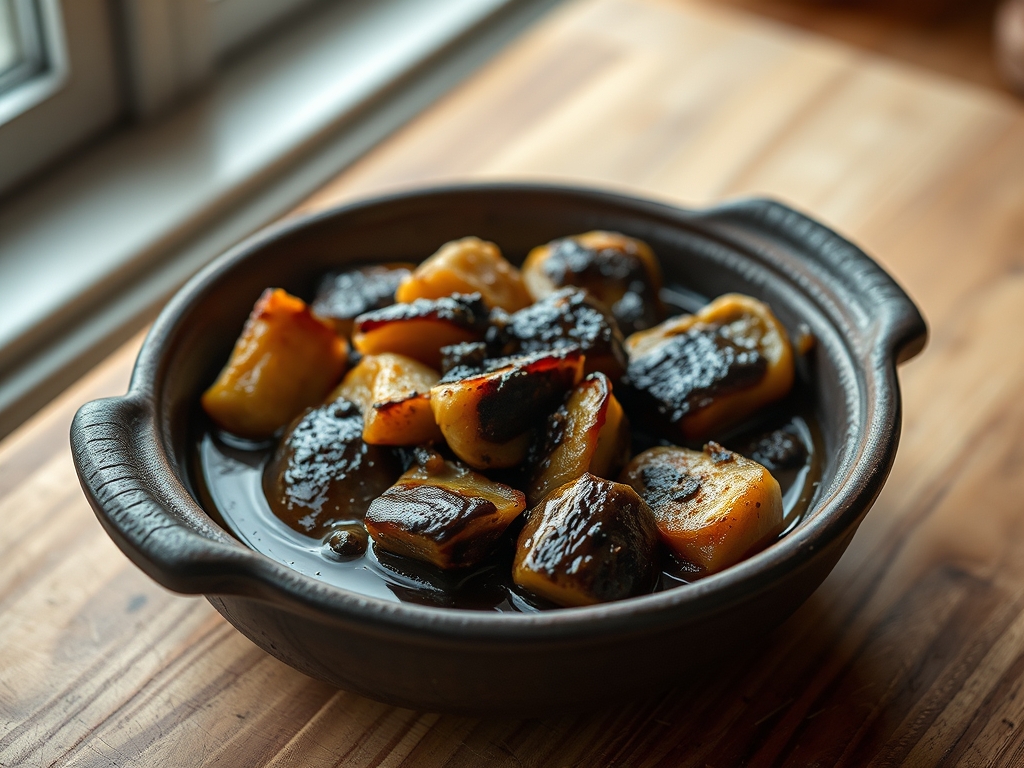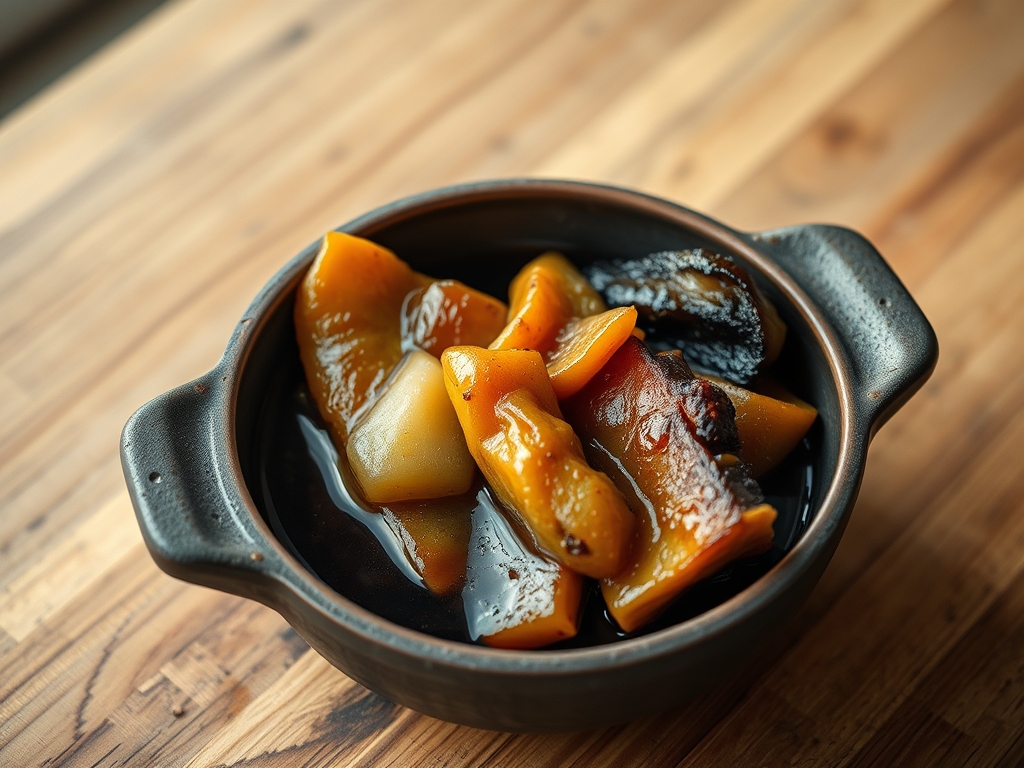
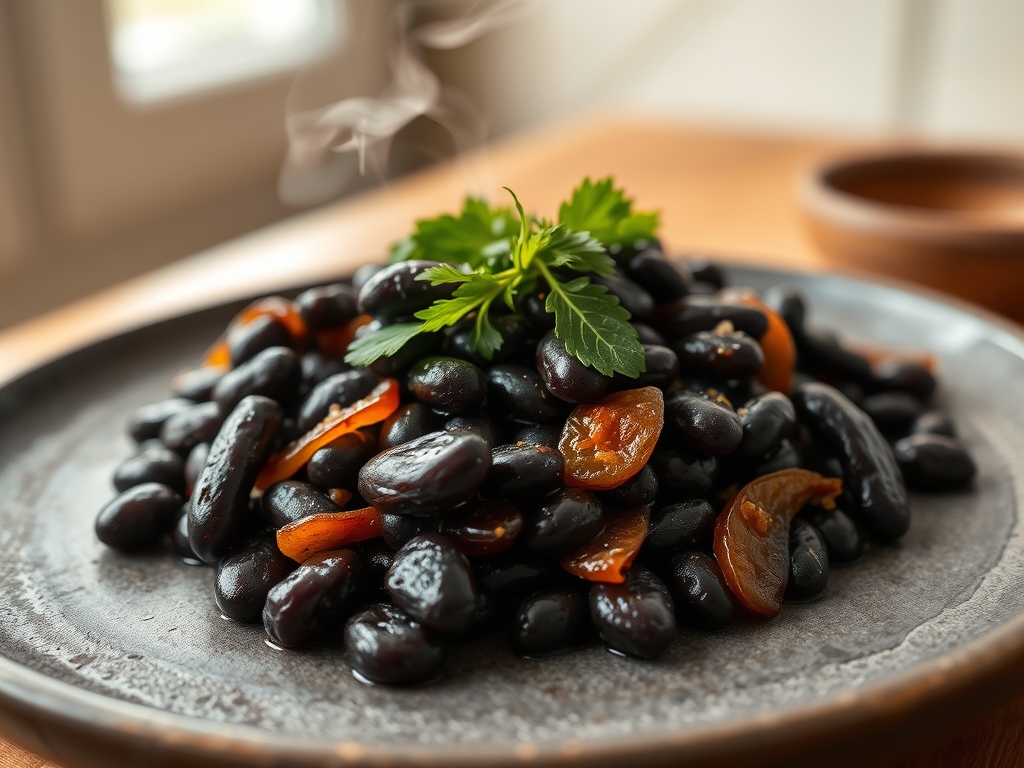
The air in a high-performance kitchen does not just carry scents; it carries data. When you crack open a jar of premium Fermented Black Beans, you are not just smelling salt and mold. You are encountering a centuries-old microbial legacy that has survived the rigorous scrutiny of the salt-brine audit. These beans, known as douchi, are the obsidian jewels of the Cantonese pantry. They possess a pungent, umami-heavy profile that can transform a pedestrian stir-fry into a symphonic masterpiece of savory depth. We are looking for that specific piquant funk that signals a successful fungal inoculation by Aspergillus oryzae. If your douchi lacks that oily, midnight sheen, your infrastructure is failing. We demand a texture that is soft enough to smear under a thumb but firm enough to retain its structural integrity during a high-heat sear. This is not mere cooking; it is the management of a biological reactor. Get ready to audit your technique, optimize your thermal variables, and render these legumes into a viscous, flavor-dense paste that defines the very essence of Chinese culinary excellence.
THE DATA MATRIX
| Metric | Specification |
|---|---|
| Prep Time | 15 Minutes |
| Execution Time | 10 Minutes |
| Yield | 4 Servings |
| Complexity (1-10) | 4 |
| Estimated Cost per Serving | $1.25 USD |
THE GATHERS
Ingredient Protocol:
- 45g / 3 tbsp Fermented Black Beans (Douchi)
- 30ml / 2 tbsp Shaoxing Rice Wine
- 15ml / 1 tbsp Light Soy Sauce
- 10g / 2 tsp Granulated Sugar
- 30ml / 2 tbsp Neutral Oil (Grapeseed or Peanut)
- 20g / 4 cloves Fresh Garlic, minced
- 15g / 1 inch Fresh Ginger, finely grated
- 2g / 1/2 tsp Cornstarch mixed with 15ml / 1 tbsp water (Slurry)
Section A: Ingredient Quality Audit:
The primary failure point in this protocol is the use of desiccated, overly salty beans. If your Fermented Black Beans feel like gravel, they have lost their internal moisture and enzymatic potential. To fix this, perform a "rehydration bypass" by soaking them in warm Shaoxing wine for ten minutes before mashing. If the ginger is fibrous and woody, it will ruin the mouthfeel; always use a microplane to ensure the aromatics integrate into the sauce rather than standing out as grit. For soy sauces that are too thin, look for "double-brewed" varieties to provide the necessary body to the final emulsion.
THE MASTERCLASS
1. The Mechanical Breakdown
Place your measured Fermented Black Beans into a small ceramic bowl. Use the back of a stainless steel spoon or a heavy muddler to lightly crush approximately sixty percent of the beans. This exposes the interior starches and increases the surface area for the subsequent infusion.
Pro Tip: Use a digital scale to measure your beans rather than volume. The density of douchi varies wildly by brand, and weight-based precision ensures consistent salinity across different batches.
2. The Aromatic Activation
Heat your saucier or carbon steel wok over medium-low heat. Add the neutral oil. Once the oil begins to shimmer, introduce the minced garlic and ginger. Sauté for exactly forty-five seconds until the scent becomes pervasive but before any browning occurs.
Pro Tip: Use a silicone spatula to constantly move the aromatics. Garlic contains high levels of natural sugars that will acridly caramelize if left stationary for even a few seconds too long.
3. The Maillard Integration
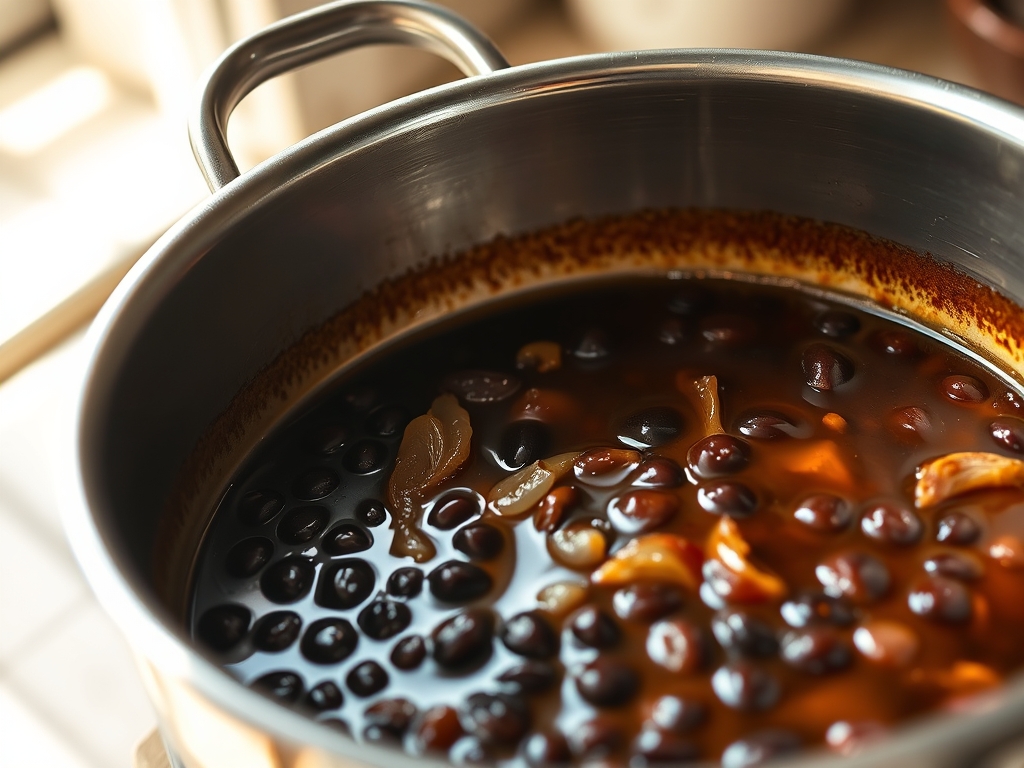
Increase the heat to medium and add the crushed bean mixture. Stir-fry for two minutes. You are looking for the beans to "bloom" in the oil, releasing their dark pigments and creating a bubbling, dark brown foam. This is the Maillard reaction working on the residual proteins of the fermented legumes.
Pro Tip: If the pan appears dry, add an extra teaspoon of oil. The oil acts as the primary heat transfer medium, ensuring the beans reach the critical temperature needed to render their deep, earthy oils.
4. The Deglaze and Emulsify
Pour in the Shaoxing wine and soy sauce. Use your bench scraper or spatula to scrape any fond (the stuck bits) from the bottom of the pan. This is the "deglaze" phase. Add the sugar and the cornstarch slurry. Stir rapidly as the liquid begins to thicken into a viscous glaze.
Pro Tip: The cornstarch slurry must be whisked immediately before adding. Starch molecules settle at the bottom of the water; if not redistributed, they will form gelatinous clumps instead of a smooth, glossy coating.
Section B: Prep & Timing Fault-Lines:
The most common human error is "thermal overshoot." If the wok is too hot when the beans are added, the outer skin of the douchi will char before the interior flavors can infuse the oil. This results in a bitter, one-dimensional sauce. Conversely, if the heat is too low, the beans will boil in the liquid rather than fry, preventing the development of complex roasted notes. Use an infrared thermometer to ensure your oil is between 300F and 325F before adding the aromatics.
THE VISUAL SPECTRUM
Section C: Thermal & Visual Troubleshooting:
Observe the reference image provided above. A successful audit results in a sauce that is "midnight mahogany." If your sauce looks pale or translucent, you have over-diluted the mixture or failed to crush enough beans to release their pigment. If the sauce looks matte or dull, you lack sufficient lipids; add a teaspoon of sesame oil at the end to aerate the surface and provide a high-gloss finish. The beans should appear plump and glistening, not shriveled. If you see white specks, those are likely salt crystals that did not dissolve; increase the liquid ratio slightly and ensure the sugar is fully integrated to balance the salinity.
THE DEEP DIVE
Macro Nutrition Profile:
Fermented Black Beans are a powerhouse of fermented nutrition. Per serving, this sauce provides approximately 85 calories, 6g of fat, 5g of carbohydrates, and 3g of protein. The fermentation process breaks down complex soy proteins into easily digestible amino acids, specifically glutamic acid, which provides the intense umami sensation.
Dietary Swaps:
- Vegan: Naturally vegan, but ensure your sugar is bone-char free.
- Keto: Replace the granulated sugar with an erythritol-based sweetener and swap the cornstarch for a pinch of xanthan gum.
- GF: Use Tamari instead of soy sauce and ensure the Shaoxing wine is a certified gluten-free variety (or substitute with dry sherry).
Meal Prep & Reheating Science:
This sauce is incredibly stable due to its high salt and oil content. It can be stored in an airtight glass container for up to three weeks. When reheating, do not use a microwave, as it can cause the beans to explode. Instead, gently warm the sauce in a small pan with a tablespoon of water to restore the viscous consistency and prevent the oils from separating.
THE KITCHEN TABLE
How do I store leftover beans?
Keep them in their original jar or a glass container in the fridge. The high salt content makes them shelf-stable, but refrigeration preserves the volatile aromatic compounds that provide that signature piquant funk over long periods.
Can I use black turtle beans instead?
No. Standard black beans are unfermented and lack the microbial complexity of douchi. Using them would result in a bland, starchy mess. The fermentation process is non-negotiable for the structural integrity of this specific flavor profile.
Why is my sauce too salty?
You likely skipped the rinsing step for high-sodium brands. If the audit reveals excess salinity, counteract it with a splash of rice vinegar. The acidity will provide a bright contrast that masks the aggressive salt spikes.
What is the best way to mince the garlic?
Use a heavy chef's knife to smash the cloves first, then mince. This ruptures the cell walls, releasing allicin, which provides the sharp, pungent punch necessary to stand up against the heavy, fermented notes of the beans.