Forget everything you know about store-bought condiments that sit listlessly in plastic tubs. We are entering the realm of biological architecture. Gochujang Fermentation is not merely a cooking process; it is a slow-motion chemical explosion where starches are systematically dismantled into complex sugars. Imagine a dense, crimson paste that hums with a piquant energy, vibrating between the deep earthiness of sun-dried chilis and the funky, floral sweetness of hydrolyzed glutinous rice. This is the cornerstone of Korean flavor profiles, a viscous masterpiece that demands respect for its enzymatic timeline. When you engage with this process, you are acting as a microbial foreman, overseeing a workforce of Aspergillus oryzae as they transform humble grains into a deep, savory umami bomb. The air in your kitchen will shift, thick with the scent of toasted grains and the sharp, fermented bite of red pepper. We are not just making a sauce; we are engineering a shelf-stable legacy of heat and depth that will redefine every protein it touches.
THE DATA MATRIX
| Metric | Specification |
|---|---|
| Prep Time | 90 Minutes |
| Execution Time | 60 to 90 Days (Active Fermentation) |
| Yield | 2.5 Liters / 10.5 Cups |
| Complexity (1-10) | 8 |
| Estimated Cost per Serving | $0.22 |
THE GATHERS
Ingredient Protocol:
- 500g / 1.1 lbs Meju-garu (Fermented soybean powder)
- 1kg / 2.2 lbs Gochugaru (Fine-grind sun-dried red chili powder)
- 1kg / 2.2 lbs Glutinous rice flour (Chapssal-garu)
- 500ml / 2 cups Grain syrup (Jocheong) or rice syrup
- 500g / 1.1 lbs Sea salt (Coarse, non-iodized)
- 4L / 17 cups Filtered water
- 250g / 1 cup Malted barley flour (Yeotgireum)
Section A: Ingredient Quality Audit:
If your Meju-garu smells excessively of ammonia rather than earthy funk, the fermentation has veered into spoilage territory. You can attempt to mitigate this by aerating the powder in a dry, cool environment for 24 hours before use. If your Gochugaru lacks a vibrant, blood-red hue and appears brownish, the capsaicin and color compounds have oxidized. In this case, increase the grain syrup slightly to provide a glossier finish that masks the dullness. Always use filtered water; chlorine is a microbial assassin that will stall your saccharification kinetics before they even begin.
THE MASTERCLASS
Step-by-Step Execution:
1. The Malted Infusion
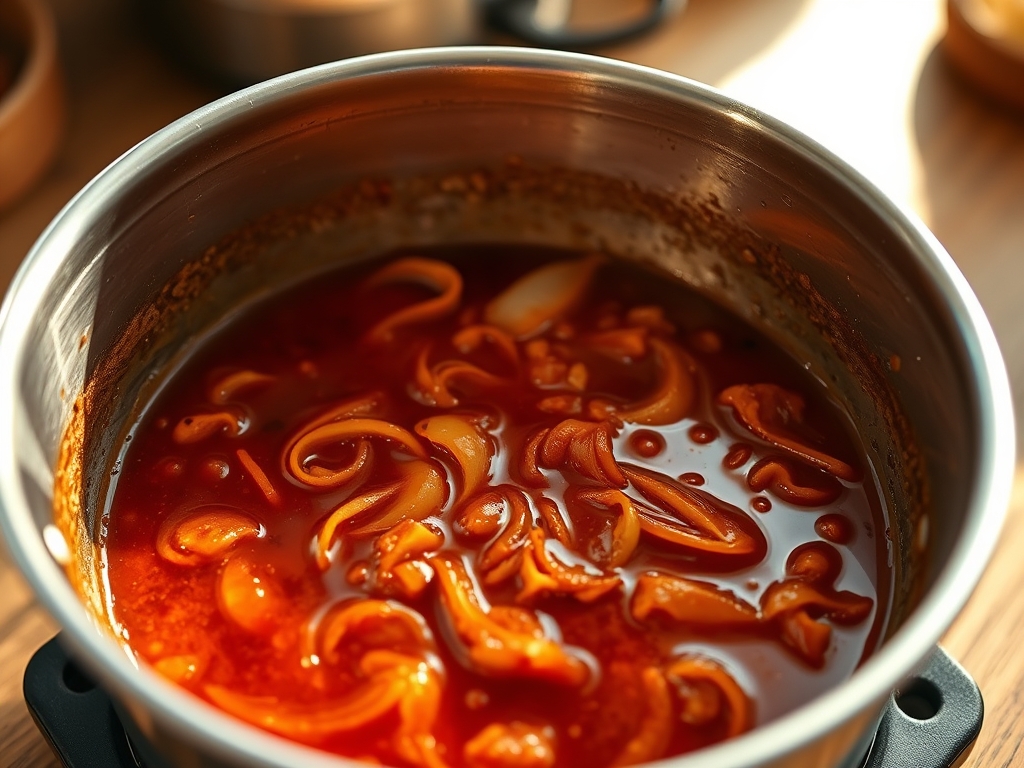
Combine the malted barley flour with the filtered water in a large stainless steel saucier. Heat the mixture to exactly 60 degrees Celsius (140 Fahrenheit). You must maintain this temperature for at least 4 hours. This is the saccharification phase where enzymes break down the barley starches. Use a digital thermometer to ensure you do not exceed 65 degrees, or you will denature the enzymes.
Pro Tip: This specific temperature range optimizes amylase activity, ensuring the maximum conversion of starch to fermentable maltose, which provides the signature body of the paste.
2. The Rice Flour Integration
Whisk the glutinous rice flour into the warm malt water. Continue to heat until the mixture thickens into a translucent, porridge-like consistency. Use a silicone spatula to scrape the bottom constantly to prevent scorching. The mixture should be thick enough to coat the back of a spoon heavily.
Pro Tip: Constant agitation prevents localized hot spots that can lead to carbonization, which would introduce a bitter, burnt aftertaste to your final product.
3. The Cooling Phase
Transfer the rice mixture to a large earthenware vessel or a heavy glass bowl. Allow it to cool until it reaches room temperature. If you add the remaining ingredients while the base is hot, you will cook the chili powder, resulting in a bitter flavor profile and a muddy color.
Pro Tip: Use a bench scraper to clean the sides of your vessel during the cooling process to ensure no dried "skin" forms on the surface of the paste.
4. The Molecular Assembly
Sift the Meju-garu and Gochugaru into the cooled rice base. Add the grain syrup and half of the sea salt. Use a heavy wooden paddle to fold the ingredients together until no dry pockets remain. The texture should be incredibly viscous and difficult to stir.
Pro Tip: Sifting the powders prevents clumping, ensuring an even distribution of microbial starters and heat throughout the entire batch.
5. The Salt Cap and Sealing
Transfer the paste into a sterilized ceramic crock (onggi). Smooth the top and sprinkle the remaining sea salt in an even layer across the surface. Cover the mouth of the jar with a breathable cloth secured by a rubber band, then place the lid on top.
Pro Tip: The salt layer acts as a sacrificial barrier, preventing mold growth while allowing the paste beneath to breathe and develop its complex esters.
Section B: Prep & Timing Fault-Lines:
The most common failure in Gochujang Fermentation is impatience during the malt infusion. If you rush this 4-hour window, the paste will lack the necessary sugar density to fuel the long-term fermentation, resulting in a thin, sour product. Temperature control is equally vital; if your kitchen is consistently above 30 degrees Celsius, the fermentation will accelerate too quickly, producing a harsh, alcoholic funk rather than a mellow sweetness. Use a infrared thermometer to check the surface temperature of your crock weekly.
THE VISUAL SPECTRUM
Section C: Thermal & Visual Troubleshooting:
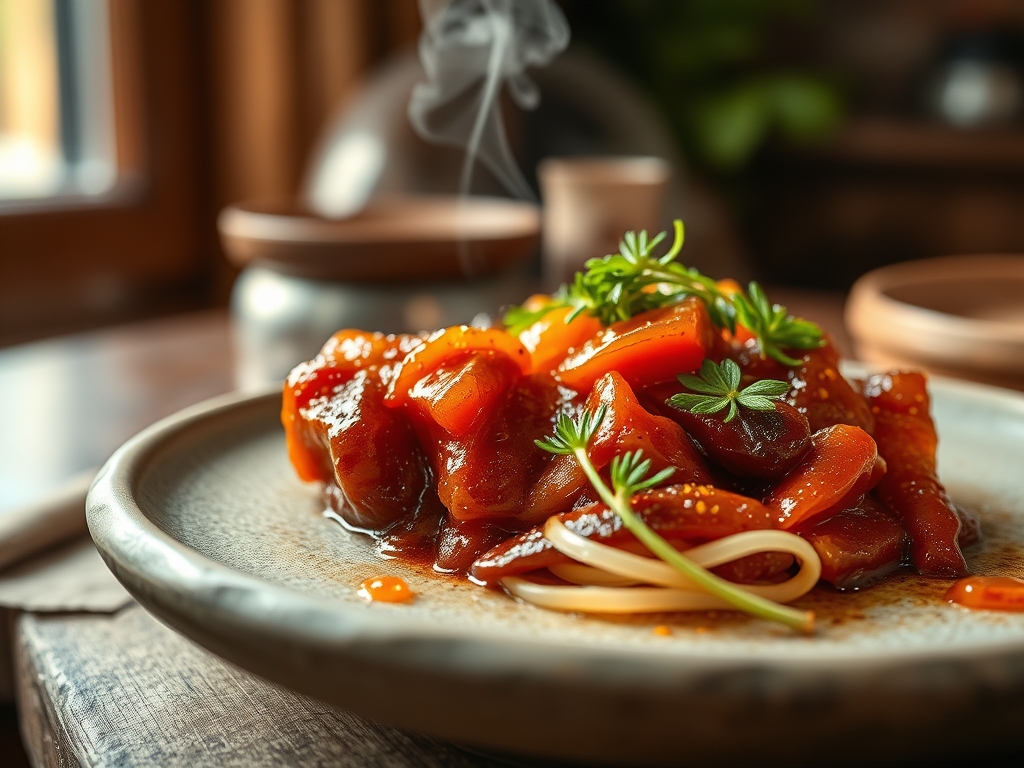
Observe the photo above: the paste should exhibit a deep, saturated crimson with a reflective, glossy surface. If your paste appears matte or pale, you likely under-measured the grain syrup or used low-quality chili powder. If you see white spots on the surface, do not panic; this is usually "kahm yeast." Simply scrape it off with a sterilized spoon and apply a fresh layer of salt. If the spots are green or black, the batch is compromised and must be discarded. A healthy ferment will slightly darken over time, moving from a bright red to a sophisticated mahogany.
THE DEEP DIVE
Macro Nutrition Profile:
Gochujang is a nutrient-dense ferment. Per 30g serving, expect approximately 60 calories, 12g of carbohydrates (primarily complex sugars), 2g of protein, and 0g of fat. It is exceptionally high in Vitamin A and Vitamin C due to the concentrated chili content.
Dietary Swaps:
- Vegan: Naturally vegan, but ensure your grain syrup does not contain honey.
- Keto: This is difficult due to the rice base; however, you can reduce the grain syrup and substitute a portion of the rice flour with almond flour for a "lower-carb" approximation.
- Gluten-Free: Ensure your malted barley flour is certified GF or substitute with a gluten-free koji starter.
Meal Prep & Reheating Science:
Gochujang is functionally immortal if stored in a cool, dark place. When using it in cooked dishes, add it toward the end of the render or deglaze phase. Excessive direct heat will caramelize the sugars too quickly, potentially leading to a bitter profile. To maintain molecular structure when reheating sauces containing gochujang, add a splash of water to re-emulsify the sugars.
THE KITCHEN TABLE
Why is my gochujang too thin?
This usually indicates insufficient evaporation during the rice flour cooking phase or a failed malt infusion. You can fix this by simmering the paste very gently over low heat to reduce moisture before starting the fermentation.
Can I use regular chili flakes?
No. Standard flakes are too coarse and will not provide the necessary surface area for even fermentation. You must use a fine-grind Gochugaru to achieve the correct viscous and homogenous texture required for a successful audit.
What if I see liquid on top?
A small amount of liquid separation is normal. This is "soy sauce" weeping from the fermented beans. You can either stir it back in using a sterilized tool or blot it away with a clean paper towel.
How do I know it is finished?
After 60 days, perform a sensory audit. The paste should have lost its raw flour taste and developed a deep, savory sweetness with a lingering heat. If it still tastes "young," allow it another 30 days.