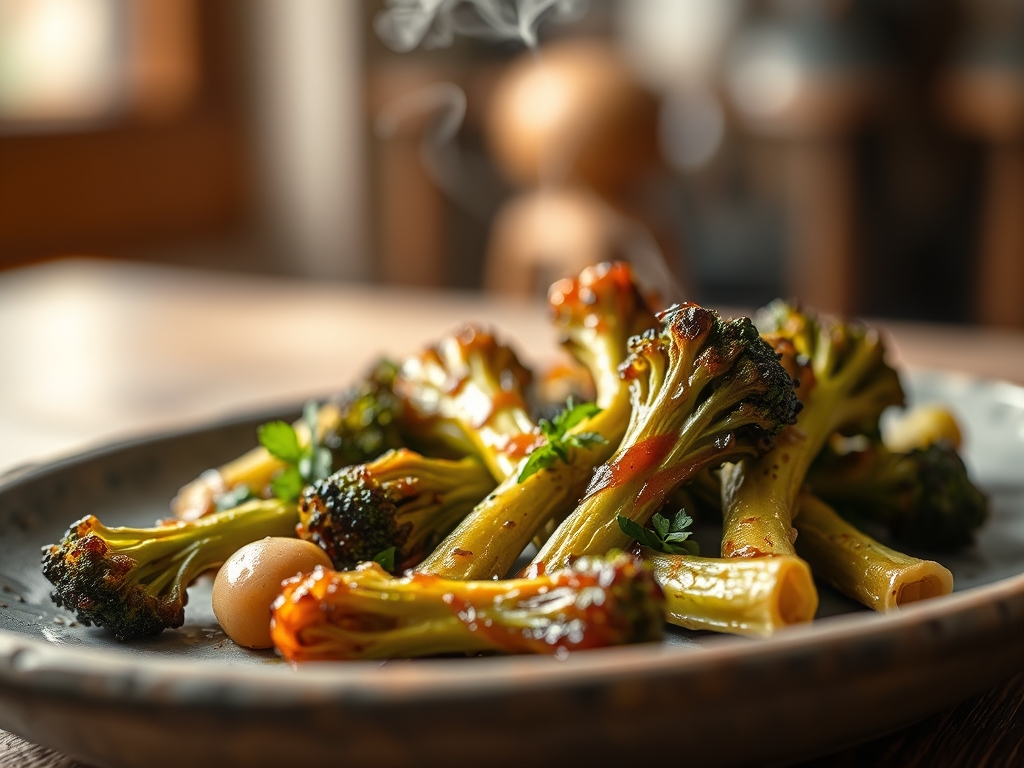
Listen closely because we are about to re-engineer your relationship with the humble Brassica oleracea. We are not steaming these into a mushy, sulfurous oblivion; we are engaging in high-velocity thermal modification. The objective is the perfect plate of Charred Broccoli Tips. We want a structural contrast that defies the laws of domestic stovetops. We are looking for a stalk that remains snap-tender while the florets undergo a violent transformation into carbonized lace. This is where the Maillard reaction meets architectural integrity. When heat hits those tiny buds at high velocity, they dehydrate rapidly, concentrating sugars and creating a bitter-sweet complexity that mimics the depth of a wood-fired hearth. If you have been treating broccoli as a side dish, you have been failing the audit. It is a canvas for high-heat physics. We are going to harness lipid-based heat transfer to ensure every crevice of that floret is coated, ensuring that when the heat rises, the result is a shattering crunch rather than a soggy wilt. Prepare for a sensory overhaul.
THE DATA MATRIX
| Metric | Specification |
|---|---|
| Prep Time | 12 Minutes |
| Execution Time | 8 Minutes |
| Yield | 4 Servings |
| Complexity (1-10) | 4 |
| Estimated Cost per Serving | $1.15 |
THE GATHERS
Ingredient Protocol:
- 500g / 1.1 lbs Fresh Broccoli Crowns (Tight florets)
- 45ml / 3 tbsp High-Smoke Point Oil (Avocado or Grapeseed)
- 5g / 1 tsp Diamond Crystal Kosher Salt
- 2g / 0.5 tsp Freshly Cracked Black Pepper
- 15ml / 1 tbsp Fresh Lemon Juice
- 30g / 0.25 cup Shaved Parmigiano-Reggiano
- 2g / 1 tsp Red Chili Flakes (Optional for piquant finish)
Section A: Ingredient Quality Audit:
The primary failure point in Charred Broccoli Tips is turgor pressure. If your broccoli is limp or rubbery before it hits the pan, the cellular walls have already collapsed; you will never achieve a crisp finish. Technical Fix: Submerge aging stalks in an ice-water bath for 20 minutes to re-hydrate the vascular system. Furthermore, avoid "pre-cut" bagged florets. These often harbor excess moisture and have oxidized edges that turn acrid rather than sweet when charred. Always audit the stem; it should be vibrant green and snap cleanly when bent. If the florets are yellowing, the chlorophyll is degrading, and the flavor profile will be unpleasantly metallic.
THE MASTERCLASS
1. The Architectural Breakdown
Using a sharpened chef knife or a heavy-duty bench scraper, segment the crowns into uniform, bite-sized florets. It is imperative that the flat surfaces are maximized; this is your contact patch for heat transfer. Ensure the stems are trimmed to a consistent 1-inch length to guarantee even cooking across the batch.
Pro Tip: Uniformity is the soul of consistency. If your florets vary in size, the smaller pieces will carbonize into ash before the larger stems render their fibrous cores into something edible. Use a digital scale to ensure your batches are weighted equally for predictable thermal absorption.
2. Lipid Saturation and Emulsification
Place the florets in a large stainless steel mixing bowl. Drizzle the high-smoke point oil over the greens and toss vigorously. You are looking for a microscopic coating on every single bud of the floret. This oil acts as a conductive medium, ensuring heat penetrates the dense clusters of the tip.
Pro Tip: Do not season with salt until immediately before the heat application. Salt is hygroscopic; it will draw moisture out of the vegetable, creating a layer of steam that prevents the Maillard reaction from initiating. We want dry heat, not a localized sauna.
3. High-Velocity Thermal Application
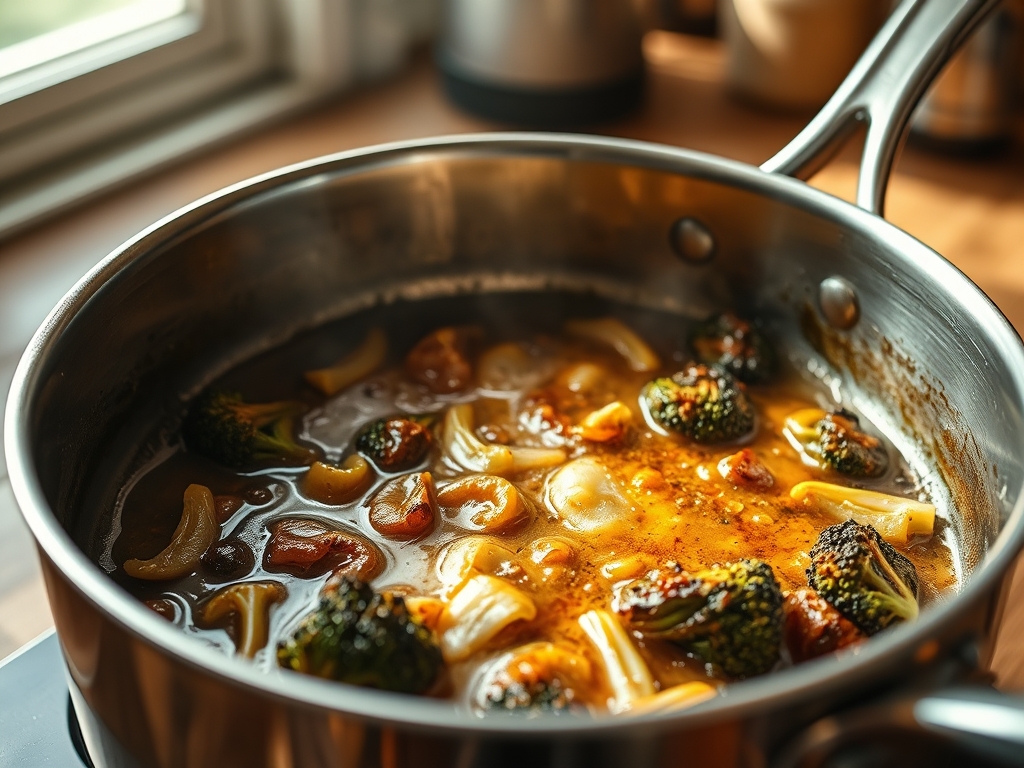
Preheat a heavy-bottomed cast iron skillet or a stainless steel saucier until it reaches approximately 425 degrees Fahrenheit. Introduce the broccoli in a single layer. Do not overcrowd the pan. If you hear a violent sizzle, you are on the right track. Leave it undisturbed for 3 to 4 minutes to allow the "char" to develop.
Pro Tip: This is where we infuse flavor through controlled burning. The "fond" or browned bits developing on the pan surface are concentrated sugars. Use a high-heat silicone spatula to flip the florets once the tips show a dark, mahogany color.
4. The Acidic Deglaze and Finish
Once the broccoli has reached the desired level of carbonization, remove the pan from the heat. Immediately add the lemon juice and red chili flakes. The liquid will hit the hot pan and deglaze any caramelized sugars, redistributing them back onto the florets. Toss in the Parmigiano-Reggiano last so it softens but does not completely liquefy.
Pro Tip: The lemon juice provides a piquant counterpoint to the bitter char. The steam generated by this final hit of moisture also helps to slightly tenderize the interior of the stem without sacrificing the exterior crunch.
Section B: Prep & Timing Fault-Lines:
The most common human error is "pan-crowding." When too many florets occupy the same surface area, the ambient moisture released cannot escape as steam; instead, it traps heat and boils the vegetable. This results in a dull, olive-drab color and a mushy texture. Technical Fix: Work in batches. It is better to have two perfect batches than one mediocre, overcrowded mess. Also, monitor your heat source. If the oil begins to smoke excessively before the broccoli is added, you have exceeded the flash point; wipe the pan and start over to avoid a rancid, acrid aftertaste.
THE VISUAL SPECTRUM
Section C: Thermal & Visual Troubleshooting:
Referencing the Masterclass photo, your target visual is "Lace Carbonization." You should see distinct black edges on the very tips of the florets, while the stems remain a vibrant, neon green.
- Issue: Dull, Grey-Green Color. This indicates overcooking or a slow heat ramp-up. The chlorophyll has been destroyed by prolonged heat. Solution: Increase the initial pan temperature and decrease total cook time.
- Issue: Uneven Charring. This occurs when the florets are not cut with a flat "contact face." Solution: Ensure you are slicing through the center of the floret to create a flat plane that sits flush against the metal.
- Issue: Greasy Texture. The oil was not hot enough to flash-fry the exterior, causing it to soak into the plant tissue. Solution: Wait for the "shimmer" in the oil before adding the greens.
THE DEEP DIVE
Macro Nutrition Profile
Per serving, this dish delivers approximately 140 calories, 11g of healthy fats (primarily monounsaturated if using avocado oil), 6g of fiber, and 5g of protein. It is a micronutrient powerhouse, loaded with Vitamin C and K.
Dietary Swaps
- Vegan: Replace Parmigiano-Reggiano with nutritional yeast or a toasted panko-lemon zest crumble to maintain the umami profile.
- Keto: This dish is naturally keto-compliant; increase the oil or add toasted walnuts for additional healthy fats.
- GF: Naturally gluten-free. Ensure your chili flakes or secondary seasonings are not processed with wheat-based anti-caking agents.
Meal Prep & Reheating Science
To maintain the molecular structure during reheating, avoid the microwave. The microwave agitates water molecules, which will turn your crisp tips into a soggy disaster. Instead, use an air fryer at 375 degrees Fahrenheit for 3 minutes to aerate the florets and restore the crisp exterior.
THE KITCHEN TABLE
Why is my broccoli bitter instead of sweet?
You likely skipped the acid. The charring process creates bitter compounds that require a piquant acid, like lemon or vinegar, to balance the palate. Also, ensure you are not burning the garlic if you choose to add it.
Can I use frozen broccoli for this?
Negative. Frozen broccoli has undergone cell-wall rupture during the freezing process. When thawed, it releases too much moisture to ever achieve a true char. You will end up with a steamed, mushy product that fails the audit.
What is the best oil for high-heat charring?
Use avocado oil or refined grapeseed oil. These have smoke points above 400 degrees Fahrenheit. Avoid extra virgin olive oil for the initial sear; its low smoke point will cause it to break down and taste acrid.
How do I get the cheese to stick?
The "Acidic Deglaze" step is key. The light coating of lemon juice and the residual heat create a slightly viscous surface that allows the finely grated cheese to adhere to the florets rather than falling to the bottom.