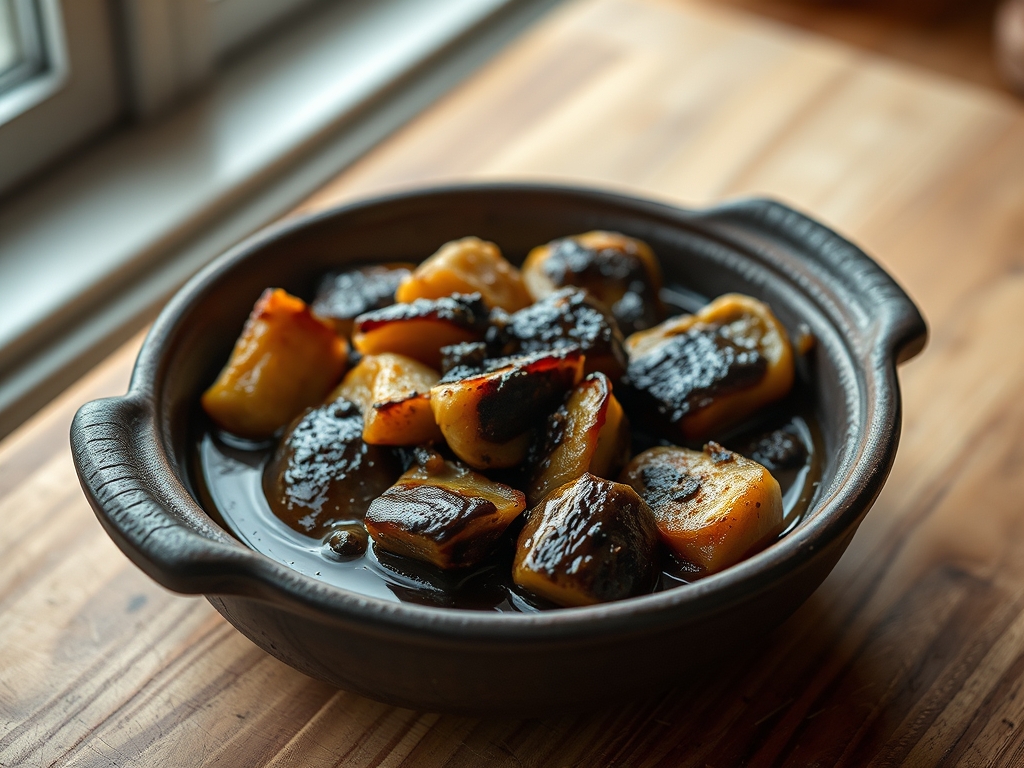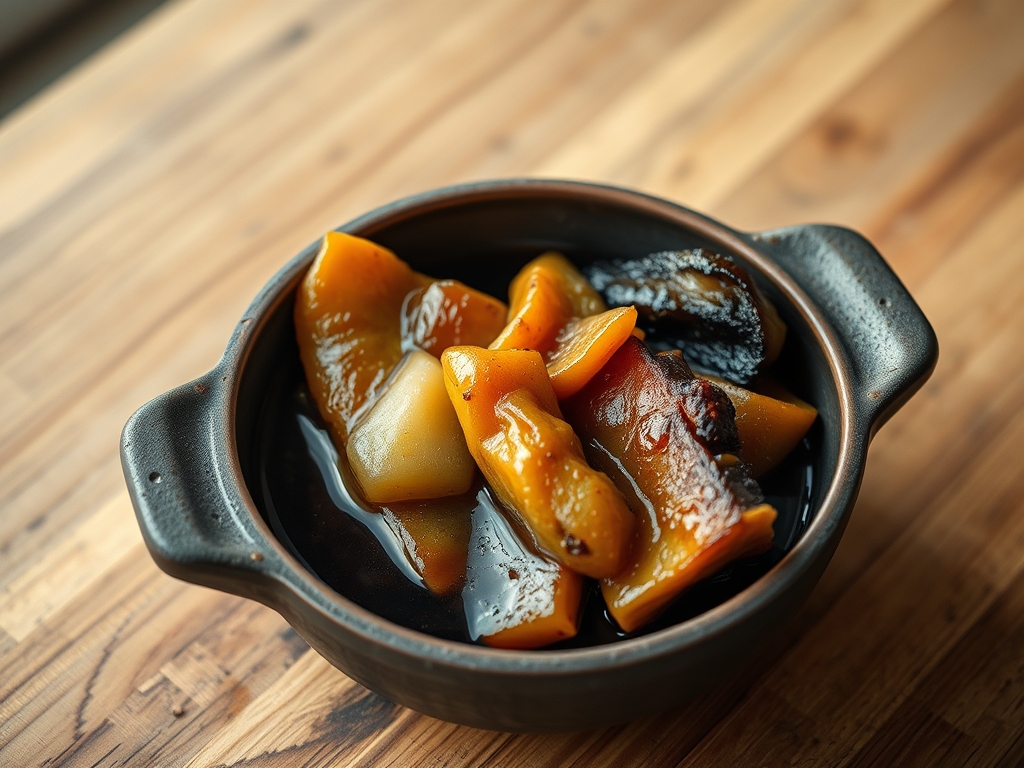

Listen closely because the air is about to change. We are entering the realm of the microbial architect where the humble soybean transforms into a structural masterpiece of stickiness and funk. This is not just breakfast; it is a masterclass in biological engineering. When you lift a chopstick and witness those shimmering, gossamer threads stretching toward the ceiling, you are witnessing the peak of Natty Soy Viscosity. This specific textural profile is the gold standard of fermentation. It is the result of Bacillus subtilis var. natto consuming soy proteins and spinning them into a web of poly-glutamic acid. Without that signature stretch, you have failed the audit. We are looking for a result that is aggressively pungent, deeply umami, and structurally sound. If your beans are sliding around without a cohesive, ropey bond, your infrastructure has collapsed. We are here to ensure that every bean is encapsulated in a shimmering, bioactive lacquer that hits the palate with a piquant punch and a silky, lingering finish. Let us begin the build.
THE DATA MATRIX
| Metric | Specification |
|---|---|
| Prep Time | 12 Hours (Soaking) |
| Execution Time | 24 to 48 Hours (Fermentation) |
| Yield | 4 Servings |
| Complexity (1-10) | 8 |
| Estimated Cost per Serving | $1.25 |
THE GATHERS
Ingredient Protocol:
- 500g / 2.2 cups Organic Small-Kernel Soybeans
- 1g / 0.25 tsp Natto Spore Powder (Natto-moto)
- 30ml / 2 tbsp Filtered Water (Sterilized)
- 15ml / 1 tbsp Shoyu (Soy Sauce)
- 5g / 1 tsp Karashi (Japanese Hot Mustard)
- 10g / 2 tsp Sliced Negi (Green Onion)
Section A: Ingredient Quality Audit:
The most common failure in the supply chain is the bean size. Large soybeans have a low surface-area-to-volume ratio; this prevents the bacteria from creating a dense network of strings. Always source "small" or "extra-small" beans to maximize Natty Soy Viscosity. If your beans are old, they will remain stubbornly hard even after a long soak. Technical fix: Add a pinch of baking soda to the soaking water to help break down the hemicellulose in the cell walls. Furthermore, ensure your water is filtered. Chlorine is a microbial assassin and will stall your fermentation before it even starts. If your spores are past their expiration date, double the dosage to ensure a viable colony count.
THE MASTERCLASS

Step 1: The Hydration Phase
Rinse your soybeans under cold water until the runoff is crystal clear. Place them in a large glass bowl and cover with three times their volume in filtered water. Soak for at least 12 hours. The beans should double in size and lose their spherical shape, becoming oblong and plump.
Pro Tip: Use a digital scale to measure the water absorption. A fully hydrated bean should weigh approximately 2.1 to 2.3 times its dry weight. This ensures the interior is soft enough for the bacteria to penetrate.
Step 2: The Thermal Breakdown
Drain the beans and move them to a pressure cooker or a heavy-bottomed saucier. Steam or boil the beans until they are soft enough to crush easily between your thumb and pinky finger. This usually takes 40 minutes under high pressure or 3 to 4 hours of simmering.
Pro Tip: Do not overcook them into a mash. We need structural integrity. Use a bench scraper to move the beans gently; you want the skins intact to provide the necessary scaffolding for the biofilm.
Step 3: Inoculation Protocol
While the beans are piping hot, dissolve your natto spores into the sterilized water. Drain the beans thoroughly and place them in a sterilized fermentation vessel. Pour the spore solution over the beans and toss rapidly with a sterilized spoon to ensure every surface is coated.
Pro Tip: Speed is essential here. The beans must be above 70 degrees Celsius (158 degrees Fahrenheit) during inoculation to kill off competing bacteria, but the Bacillus subtilis spores are heat-resistant and will survive this thermal shock.
Step 4: The Incubation Chamber
Spread the beans in a shallow layer, no more than two centimeters deep. Cover the vessel with a sterilized cloth or perforated foil to allow for oxygen exchange. Place the vessel in an incubator (like a yogurt maker or an oven with the light on) set to 38 to 40 degrees Celsius (100 to 104 degrees Fahrenheit) for 24 hours.
Pro Tip: Use a digital thermometer with a probe to monitor the internal temperature. If the environment drops below 35 degrees Celsius, the bacteria will go dormant, and you will lose your viscosity.
Step 5: The Cold Cure
Once the beans are covered in a white, hazy film and smell slightly of ammonia, remove them from the heat. Transfer the vessel to the refrigerator for at least 24 hours. This "aging" process allows the enzymes to further break down proteins and stabilizes the flavor.
Pro Tip: This is where the magic happens. Cold aging allows the strings to set. Use a silicone spatula to gently fold the beans after the first 12 hours of cooling to aerate the mixture and encourage more string development.
Section B: Prep & Timing Fault-Lines:
Timing is the silent killer of quality fermentation. If you ferment for too long (over 48 hours), the ammonia smell will become overpowering and caustic. If you pull it too early, the beans will be "naked" and lack the necessary slip. If your incubator is too airtight, the bacteria will suffocate; they are aerobic organisms that require oxygen to render the proteins into those sticky strings. If you see black or green mold, your sterilization protocol failed. Toss the batch and start over with bleached or boiled equipment.
THE VISUAL SPECTRUM
Section C: Thermal & Visual Troubleshooting:
Referencing the Masterclass photo, your natto should exhibit a "frosted" appearance. This is the biofilm. If the beans look wet and dark rather than hazy and white, your temperature was likely too high, killing the culture. If the strings are thin and break easily, you did not aerate the mixture sufficiently during the final stages. A healthy batch will show thick, white bridges between the beans when lifted. If the beans appear shriveled, the humidity in your incubator was too low; cover the vessel with a damp cloth next time to maintain moisture.
THE DEEP DIVE
Macro Nutrition Profile:
Natto is a nutritional powerhouse. A single serving provides roughly 15g of protein, 9g of fiber, and is the highest dietary source of Vitamin K2 (MK-7), which is critical for bone and cardiovascular health. It also contains nattokinase, an enzyme known for its fibrinolytic (blood-thinning) properties.
Dietary Swaps:
- Vegan: Naturally vegan. Ensure your shoyu is not processed with animal-derived clarifying agents.
- Keto: Extremely keto-friendly due to high fiber and low net carbs.
- GF: Swap standard shoyu for Tamari to ensure the dish is gluten-free.
Meal Prep & Reheating Science:
Never microwave natto. High heat will denature the nattokinase enzyme and kill the probiotic cultures, destroying the biological value. To maintain the molecular structure, eat it cold or folded into warm (not hot) rice. If you must store it long-term, natto freezes beautifully. Thaw it slowly in the refrigerator to keep the Natty Soy Viscosity intact.
THE KITCHEN TABLE
Why does my natto smell like ammonia?
A slight ammonia scent is normal due to protein breakdown. However, an overwhelming stench means it over-fermented or the temperature was too high. Shorten your incubation time by 2 to 4 hours in the next cycle.
Can I use store-bought natto as a starter?
Absolutely. Mix one tablespoon of commercial natto into your warm, cooked beans. The live cultures will propagate, though the Natty Soy Viscosity may vary depending on the vigor of the original strain.
What is the best way to increase the stringiness?
Stir it vigorously. Use chopsticks to whip the beans in a circular motion at least 50 times. This introduces air, which helps the poly-glutamic acid chains cross-link and thicken.
Why are my beans still hard after 24 hours?
This is a pre-production error. The beans were either under-soaked or under-cooked. The bacteria cannot soften the beans; they only coat them. Ensure the beans are "butter-soft" before you begin the inoculation process.