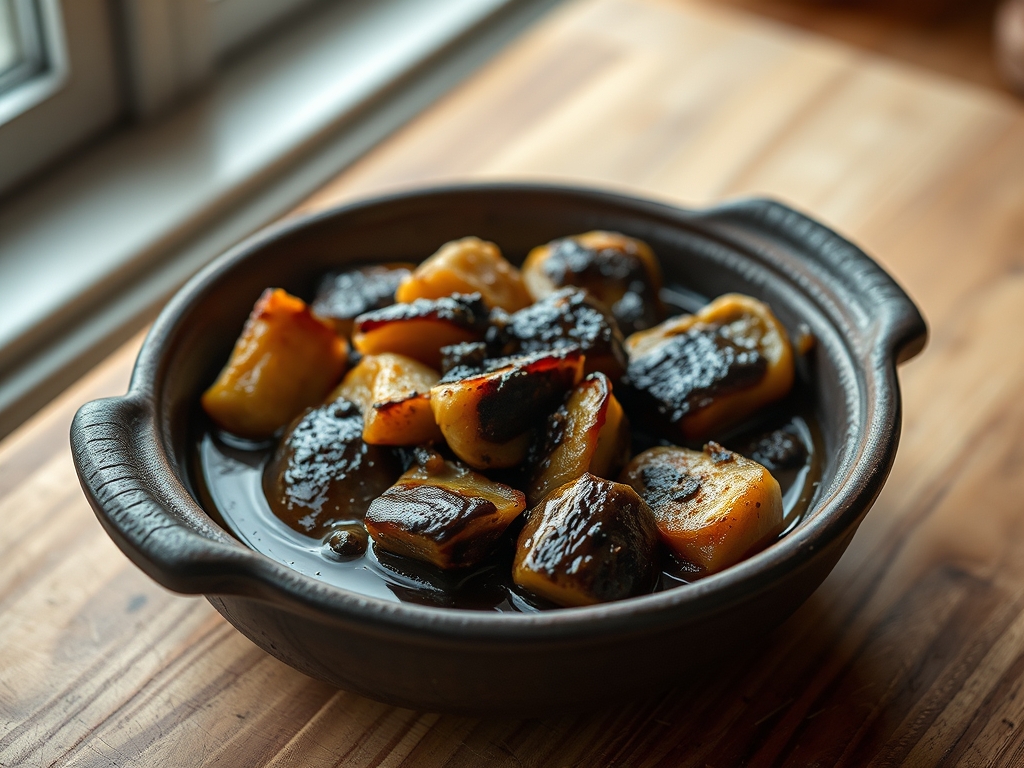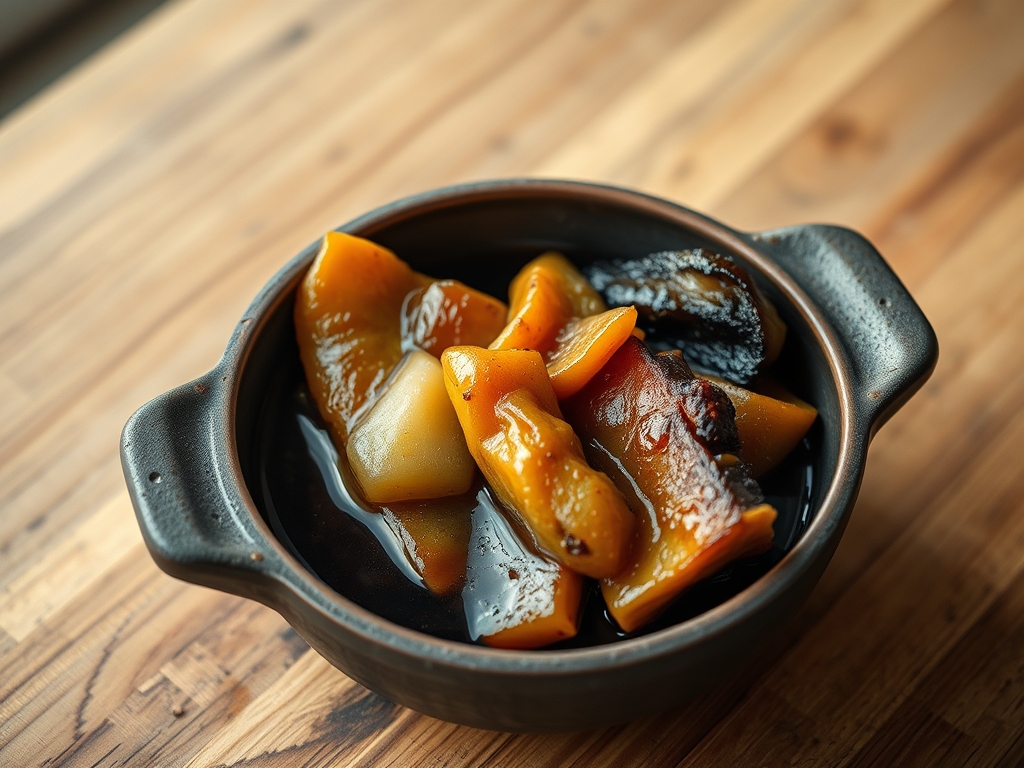
Welcome to the pungent front lines of culinary infrastructure. If your olfactory receptors are not currently screaming in a confused mixture of terror and ecstasy, you are doing it wrong. We are diving deep into the molecular architecture of stinky tofu, a dish that defies the laws of polite society through the sheer power of microbial labor. This is not just a snack; it is a bio-chemical event. To master the crunch and the funk, we must rely on Fermented Tofu Data. This dataset tracks the precise moment when protein degradation yields to creamy perfection. We are looking for that specific threshold where the exterior becomes a rigid, structural cage for the molten, protease-softened interior. If you treat this like a standard deep-fry job, you have already failed the audit. We are here to manage the volatile aromatics and the Maillard reactions with the precision of a structural engineer. Strap in, calibrate your sensors, and prepare to turn a block of soy into a weaponized delicacy that tastes like heaven and smells like a logistical nightmare.
THE DATA MATRIX
| Metric | Specification |
|---|---|
| Prep Time | 48 Hours (Inoculation Phase) |
| Execution Time | 25 Minutes |
| Yield | 4 Servings |
| Complexity (1-10) | 8 |
| Estimated Cost per Serving | $2.50 |
THE GATHERS
Ingredient Protocol:
- 500g / 1.1 lbs Extra Firm Tofu (High-density substrate)
- 250ml / 1 cup Fermented Brine (The microbial engine)
- 15ml / 1 tbsp Rice Wine (Aromatic stabilizer)
- 10g / 2 tsp Sea Salt (Osmotic regulator)
- 500ml / 2 cups Peanut Oil (High smoke point lipid)
- 30ml / 2 tbsp Light Soy Sauce (Umani booster)
- 5g / 1 tsp Sichuan Peppercorns (Numbing agent)
Section A: Ingredient Quality Audit:
If your tofu feels spongy or weeps water excessively before the soak, your structural integrity is compromised. This usually indicates a low-protein soy milk was used during the curdling process. To fix this, press the tofu between two heavy sheet pans for 30 minutes to increase density. If your brine lacks that signature "blue cheese" sharpness, it has likely gone dormant. Re-activate the microbial colony by adding a teaspoon of sugar and leaving it at room temperature for four hours before introducing the tofu. Never use chemically "stinked" tofu that relies on artificial flavorings; the Fermented Tofu Data confirms that authentic protease activity is the only way to achieve the required internal creaminess.
THE MASTERCLASS
1. Substrate Inoculation
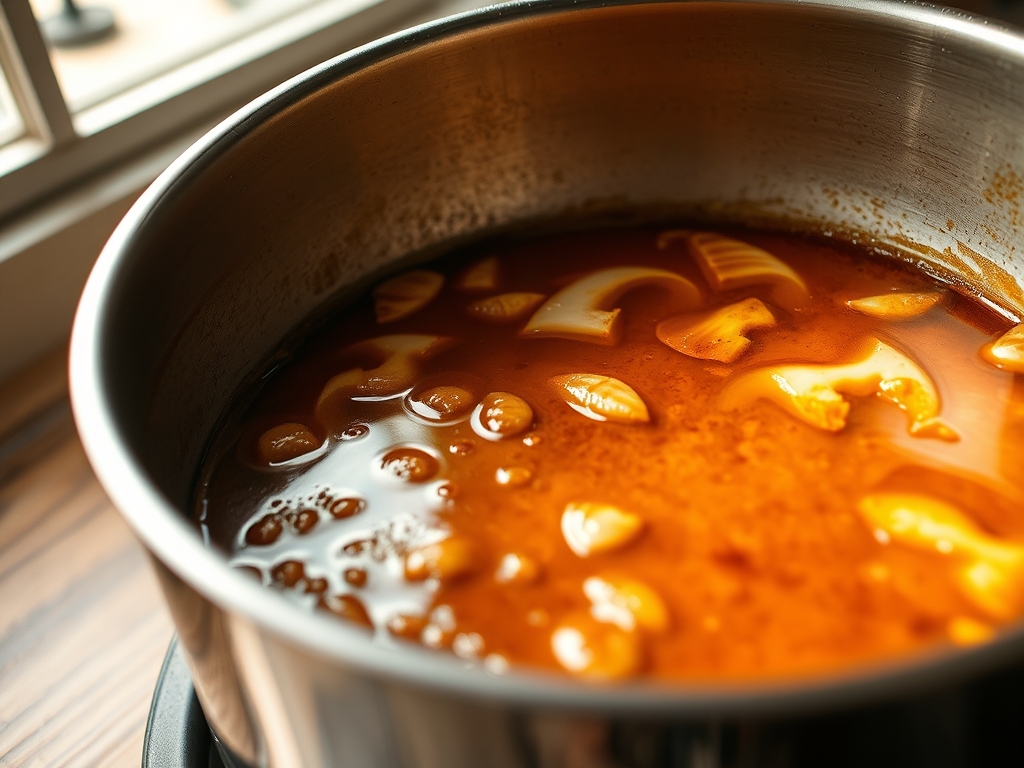
Submerge your tofu cubes into the brine, ensuring every surface is in contact with the liquid. Use a heavy ceramic plate to keep the tofu submerged; oxygen is the enemy of this anaerobic process. Place the container in a temperature-controlled environment at 25 degrees Celsius.
Pro Tip: Use a digital scale to weigh down the tofu. The pressure helps the brine penetrate the dense protein matrix, ensuring the protease enzymes can begin breaking down the internal structure for that signature custardy finish.
2. Dehydration and Surface Prep
Remove the tofu from the brine and pat it dry with surgical precision. Any residual surface moisture will cause a steam barrier in the oil, preventing the formation of a crisp crust. Let the cubes air-dry on a wire rack for 20 minutes.
Pro Tip: Use a bench scraper to move the tofu blocks. They are now fragile due to the internal protein breakdown, and the flat edge of the scraper prevents the structural collapse of the cubes before they hit the heat.
3. Thermal Sealing
Heat your peanut oil in a heavy-bottomed saucier or wok until it reaches 180 degrees Celsius. Drop the cubes in small batches. The oil temperature will dip; monitor it closely to ensure it stays above 165 degrees Celsius to prevent oil logging.
Pro Tip: A saucier is ideal here because the sloped sides allow for better oil circulation around the cubes. The Fermented Tofu Data suggests that a rapid initial sear is required to lock in the "stink" before it evaporates entirely into your kitchen vents.
4. The Double Fry
Remove the tofu once it turns a pale gold. Crank the heat until the oil reaches 200 degrees Celsius. Flash-fry the cubes for exactly 45 seconds until they puff up and turn a deep, aggressive amber.
Pro Tip: This second fry is where the Maillard reaction peaks. The high heat causes the internal moisture to expand rapidly, creating the airy, honeycomb texture that defines a professional-grade audit.
Section B: Prep & Timing Fault-Lines:
The most common failure is the "Cold Core" error. If the tofu is fried straight from a cold refrigerator, the exterior will burn before the protease-softened center can reach a palatable temperature. Always temper your tofu to room temperature before frying. Another timing disaster is the "Soggy Soak." If left in the brine for more than 48 hours, the enzymes will turn your tofu into a liquid slurry that cannot hold its shape in the oil. Stick to the data-backed timelines to maintain structural viability.
THE VISUAL SPECTRUM
Section C: Thermal & Visual Troubleshooting:
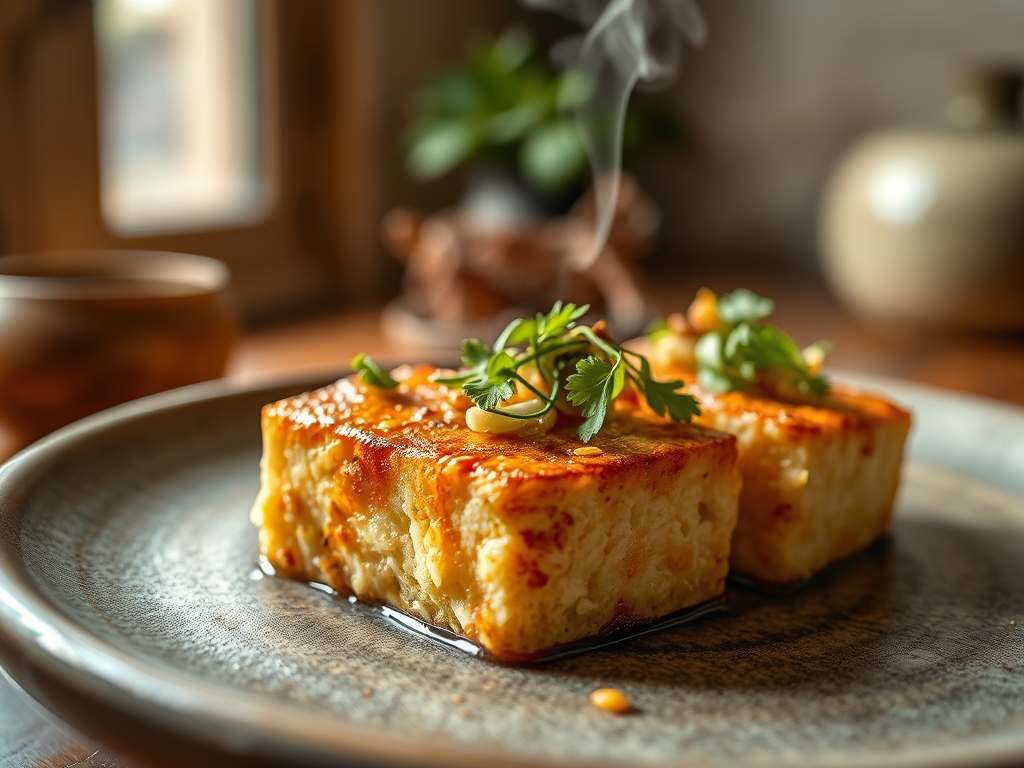
Referencing the Masterclass photo above, look for the "Vesicular Crust." This refers to the tiny bubbles on the surface of the fried tofu. If your tofu looks smooth and flat, your oil was too cold or your tofu was too wet. If the color is a dull grey rather than a vibrant gold, your brine acidity was too high, which inhibited the Maillard reaction. A successful audit results in a cube that looks structurally rigid but yields to the slightest pressure from a chopstick, revealing a pale, viscous interior that contrasts sharply with the dark, craggy exterior. If you see dark black spots, your oil is contaminated with carbonized food particles; filter it through a fine-mesh sieve immediately.
THE DEEP DIVE
Macro Nutrition Profile
Each serving provides approximately 18g of high-quality plant protein, 14g of healthy fats (mostly monounsaturated from the peanut oil), and 5g of carbohydrates. The fermentation process increases the bioavailability of isoflavones and introduces a significant dose of Vitamin K2, which is essential for bone health.
Dietary Swaps
- Vegan: This dish is naturally vegan, provided your brine does not contain dried shrimp or fermented milk solids.
- Keto: Tofu is a low-carb powerhouse. Skip any sugar-heavy dipping sauces and use a soy-vinegar-chili oil blend to keep the glycemic load near zero.
- Gluten-Free: Ensure your soy sauce is replaced with Tamari and that your fermentation brine was not started with wheat-based additives.
Meal Prep & Reheating Science
To maintain the molecular structure, never microwave stinky tofu. The microwave vibrates water molecules, which will turn the crisp crust into a rubbery mess. To reheat, use an air fryer at 190 degrees Celsius for 4 minutes. This re-activates the surface lipids and restores the crunch without overcooking the delicate internal custard.
THE KITCHEN TABLE
Why does my tofu smell like ammonia?
Excessive ammonia indicates the fermentation went too long or the temperature was too high. While some ammonia is normal, a stinging sensation in the nose means the proteins have over-degraded. Discard and recalibrate your fermentation timing.
Can I reuse the frying oil?
Yes, but only for stinky tofu. The volatile aromatic compounds will infuse the oil permanently. Filter it through a coffee filter to remove particulates and store it in a cool, dark place for up to three uses.
How do I neutralize the smell in my kitchen?
Boil a mixture of white vinegar and lemon peels on the stove while frying. The acetic acid helps neutralize the alkaline airborne molecules released during the frying process.
What is the best dipping sauce for the audit?
A high-acid sauce is required to cut through the richness. Mix minced garlic, bird's eye chilies, black vinegar, and a splash of sesame oil. The acidity balances the piquant funk of the tofu perfectly.