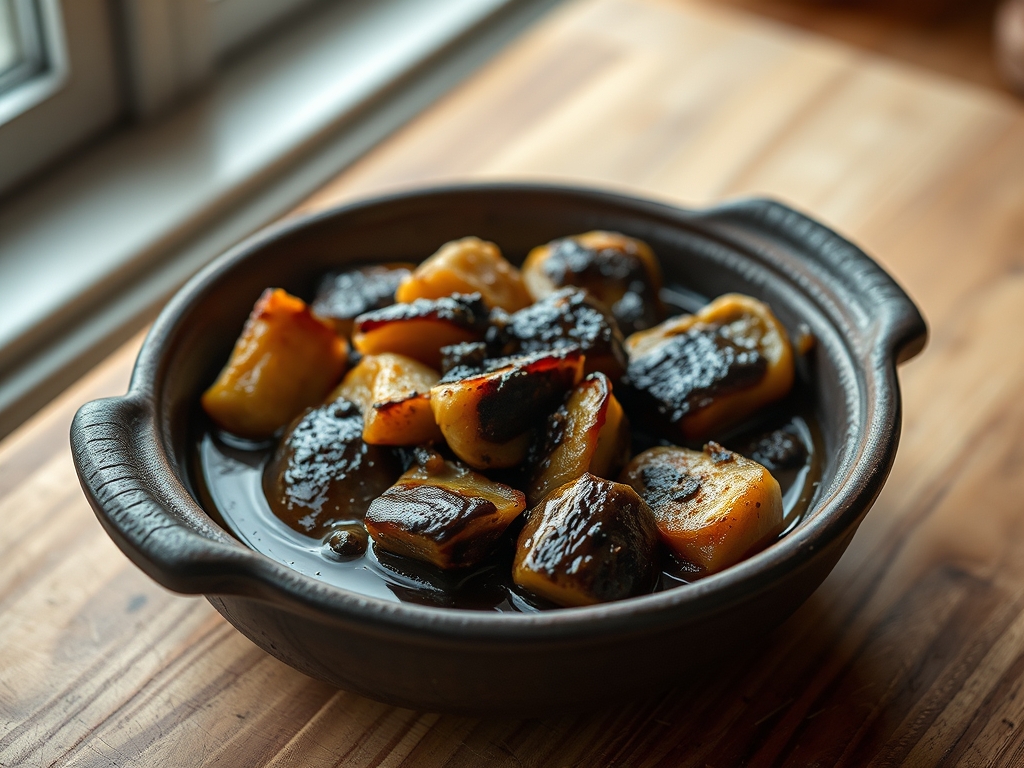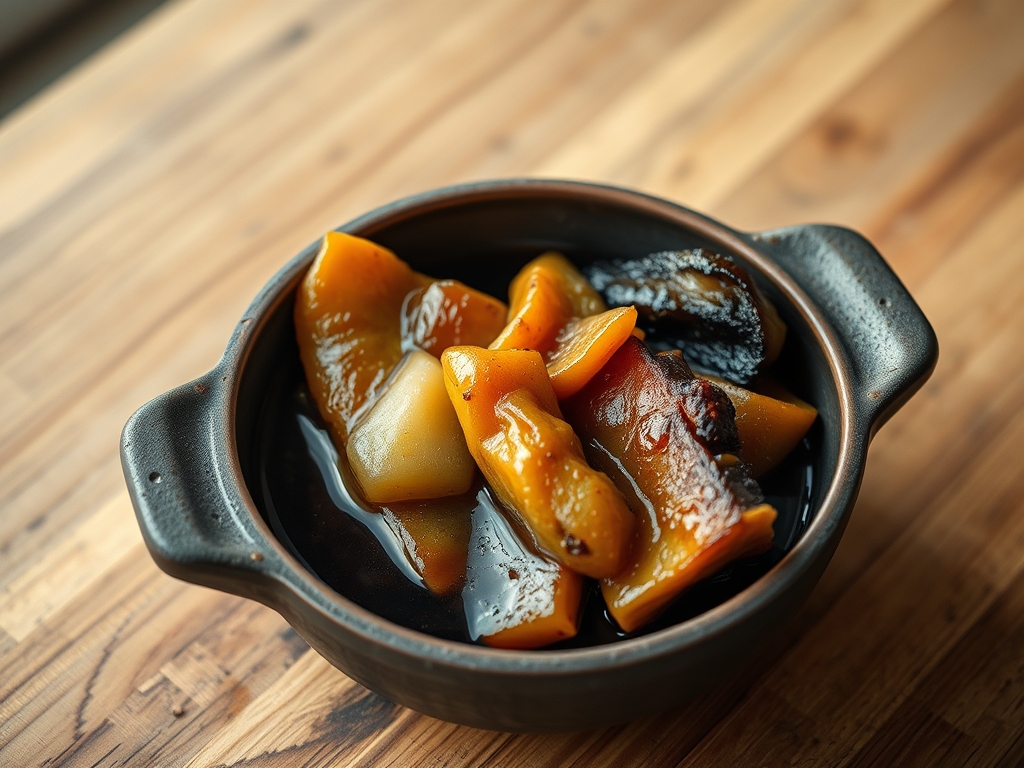
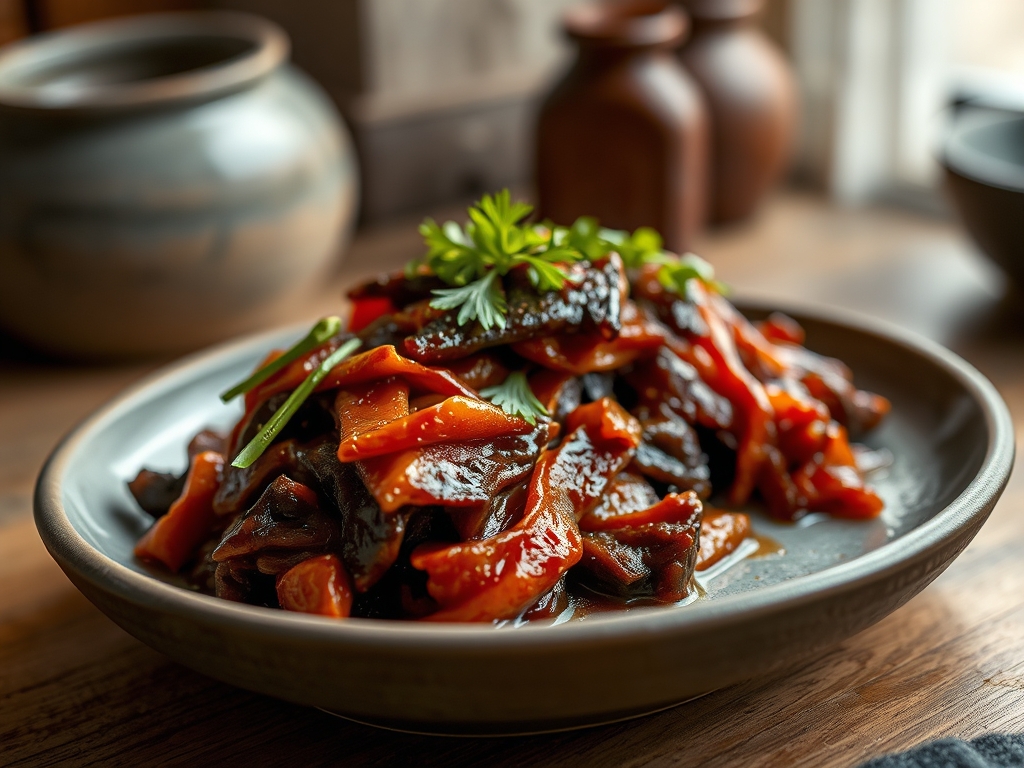
Forget everything you think you know about the neon-red, fizzy crunch of young cabbage. We are moving past the superficial bright notes and diving headlong into the abyss of Dark Kimchi Maturity. This is not just fermentation; it is a structural metamorphosis where the piquant acidity of lactic acid bacteria meets the deep, savory umami of aged proteins. When you reach this stage of maturity, the cabbage leaves lose their structural rigidity and become translucent, almost silken in texture. The color shifts from a vibrant scarlet to a moody, brick-red mahogany. This is the infrastructure of flavor. It is a sensory assault of funk, sourness, and a lingering sweetness that only comes from months of patient molecular breakdown. We are looking for that specific point where the sugars have been fully converted, the pH has stabilized at a razor-sharp 3.6, and the aromatics have evolved from sharp garlic into a complex, earthy perfume. If your kimchi doesnt make your jaw tingle before the first bite, you havent reached the summit yet.
THE DATA MATRIX
| Metric | Specification |
|---|---|
| Prep Time | 90 Minutes |
| Execution Time | 6 to 12 Months (Fermentation Phase) |
| Yield | 4 Liters / 1 Gallon |
| Complexity | 8 / 10 |
| Estimated Cost per Serving | $0.85 |
THE GATHERS
Ingredient Protocol:
- 4.5kg / 10 lbs Napa Cabbage (approx. 3 large heads)
- 450g / 3 cups Coarse Sea Salt (non-iodized)
- 1L / 4 cups Filtered Water (chlorine-free)
- 250g / 2 cups Sweet Rice Flour (Glutinous Rice Flour)
- 125ml / 0.5 cup Fish Sauce (Premium Anchovy or Sand Lance)
- 60ml / 0.25 cup Salted Fermented Shrimp (Saeu-jeot), minced
- 200g / 2 cups Gochugaru (Korean Red Chili Flakes), coarse grind
- 150g / 1.5 cups Daikon Radish, julienned
- 100g / 1 cup Scallions, cut into 2-inch lengths
- 50g / 4 tbsp Fresh Garlic, minced
- 25g / 2 tbsp Fresh Ginger, grated
- 30g / 2 tbsp Granulated Sugar (to feed the initial culture)
Section A: Ingredient Quality Audit:
The primary failure point in long-phase fermentation is the water. If you use chlorinated tap water, you will sanitize your batch and prevent the growth of Lactobacillus. Always use filtered or spring water. If your cabbage feels rubbery rather than crisp, it likely lacks the mineral density required for a long soak. Fix this by adding a pinch of calcium chloride to your brine to reinforce the pectin cell walls. Finally, check your Gochugaru. If it is dull orange or brown before you even start, it is oxidized. You need vibrant, sun-dried flakes to achieve the deep mahogany associated with true Dark Kimchi Maturity.
THE MASTERCLASS
1. The Osmotic Draw
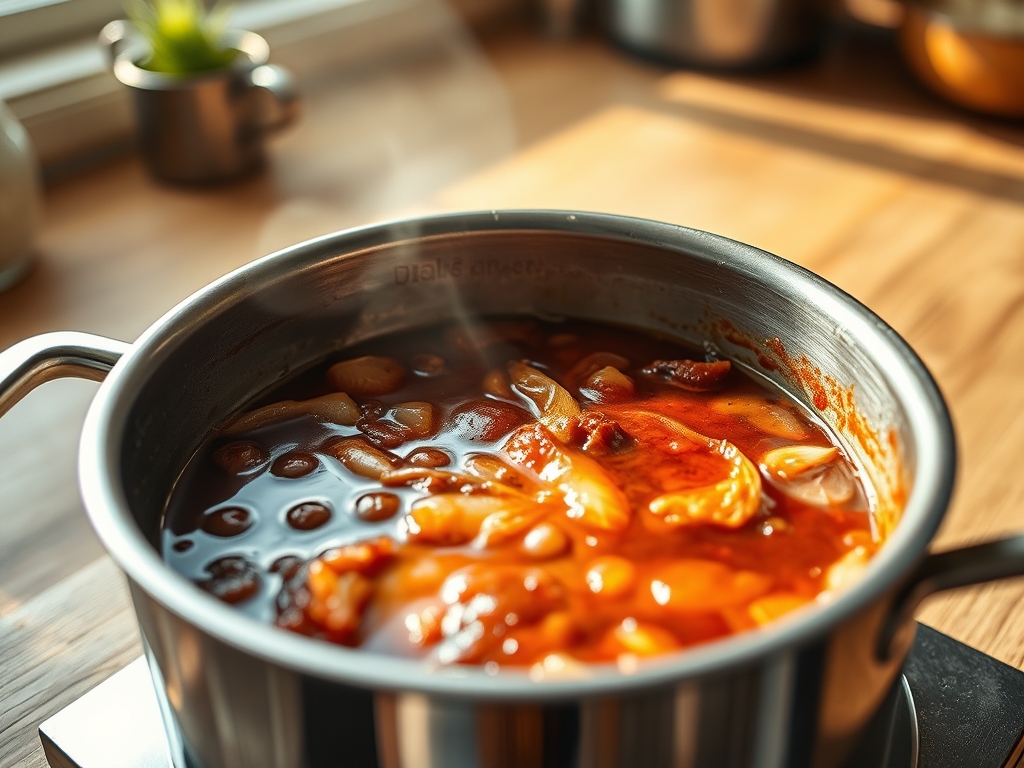
Split the cabbage lengthwise and submerge each half in a concentrated brine. You must ensure the salt penetrates the thickest part of the root. Use a digital scale to ensure your salt-to-water ratio is exactly 10 percent by weight. This process will render the water out of the cell walls, creating the necessary space for the spice paste to infuse the leaves.
Pro Tip: Use a heavy weight or a fermentation crock stone to keep the cabbage fully submerged. This prevents aerobic spoilage and ensures an even texture across the entire batch.
2. The Porridge Foundation
In a small saucier, whisk the sweet rice flour into the filtered water over medium heat. You are looking for a viscous, translucent paste. This starch acts as the primary fuel source for the microbes during the early stages of fermentation. Once thickened, whisk in the sugar until fully dissolved.
Pro Tip: Allow the porridge to cool completely to room temperature before adding the chili flakes. If the paste is too hot, it will "cook" the Gochugaru, resulting in a bitter, scorched flavor profile rather than a clean heat.
3. The Umami Integration
Combine the cooled rice paste with the fish sauce, fermented shrimp, garlic, ginger, and Gochugaru. Use a bench scraper to help fold the julienned radish and scallions into the paste without bruising the delicate greens. This mixture should be thick, pungent, and incredibly dark.
Pro Tip: The fermented shrimp (Saeu-jeot) provide the essential proteolytic enzymes that break down the cabbage proteins over several months, leading to that coveted "dark" maturity.
4. The Structural Packing
Rub the paste onto every single leaf of the wilted cabbage, starting from the outermost layer and working inward. Pack the cabbage into glass jars or fermentation vessels, pressing down firmly with a tamper to eliminate all air pockets. Oxygen is the enemy of the long phase.
Pro Tip: Leave at least two inches of headspace at the top of the jar. As the CO2 builds up, the liquid levels will rise; if the jar is too full, it will overflow and break the anaerobic seal.
5. The Long Phase Incubation
Leave the jars at room temperature for 48 hours to kickstart the microbial activity, then move them to a controlled environment between 35F and 40F. This is where Dark Kimchi Maturity happens. You are waiting for the lactic acid saturation to reach its peak, which typically takes 6 to 12 months.
Pro Tip: Use a pH meter to track the acidity. Once you hit 3.6, the environment is too acidic for most spoilage bacteria, and the flavors will begin to mellow and deepen into the complex "aged" spectrum.
Section B: Prep & Timing Fault-Lines:
The biggest human error is impatience. Opening the jar frequently to "check" the progress introduces oxygen and mold spores. Use a one-way airlock valve to allow gas to escape without letting air in. If your fermentation environment is too warm (above 50F), the cabbage will turn to mush before the flavor develops. Temperature stability is the hallmark of a professional setup.
THE VISUAL SPECTRUM
Section C: Thermal & Visual Troubleshooting:
Referencing the Masterclass photo, you should notice the distinct absence of bright white ribs. In a mature batch, the white parts of the cabbage should appear translucent and saturated with the red spice paste. If you see white spots or a "fuzzy" film on the surface, this is Kahm yeast. While not toxic, it indicates oxygen exposure and can ruin the flavor; scrape it off immediately and reseal. If the liquid appears thin and watery rather than viscous, your rice porridge was likely too thin, or the cabbage was not drained sufficiently after the initial salting. The final product should have a deep, uniform mahogany hue with no signs of oxidation or browning at the top of the jar.
THE DEEP DIVE
Macro Nutrition Profile:
Per 100g serving, mature kimchi is incredibly nutrient-dense but low in calories. Expect approximately 30 calories, 2g of protein, 5g of carbohydrates, and 2g of fiber. The real value lies in the billions of CFU (Colony Forming Units) of Lactobacillus plantarum and Leuconostoc mesenteroides.
Dietary Swaps:
- Vegan: Replace fish sauce and fermented shrimp with a combination of light soy sauce and kelp powder (kombu) to maintain the umami depth.
- Keto: Omit the sugar and reduce the rice flour by half. The fermentation will take longer, but the result remains functionally identical.
- GF: This recipe is naturally gluten-free, provided your fish sauce is pure.
Meal Prep & Reheating Science:
To maintain the molecular structure of mature kimchi, never boil it for extended periods. If making a stew (Kimchi-jjigae), add the aged kimchi during the last 10 minutes of simmering. This preserves the delicate organic acids and prevents the cabbage from disintegrating into a pulp.
THE KITCHEN TABLE
How do I know if it is "Dark" enough?
Taste the thickest part of the cabbage stem. If it tastes like a fresh vegetable, it is too young. If it has a sharp, fizzy, and deeply savory "blue cheese" funk, you have reached maturity.
Can I use regular flour instead of rice flour?
No. Rice flour provides a specific type of starch that creates the signature viscous coating. Wheat flour will result in a pasty, cloudy texture that interferes with the clarity of the lactic acid.
Why did my kimchi turn soft?
This usually happens if the fermentation temperature was too high or if you used too little salt. Salt is the structural glue that keeps the pectin intact while the bacteria do their work.
Is the liquid supposed to be that dark?
Yes. As the Gochugaru hydrates and the cabbage pigments break down, the brine should transition from a bright red to a dark, concentrated mahogany. This is a primary indicator of successful aging.