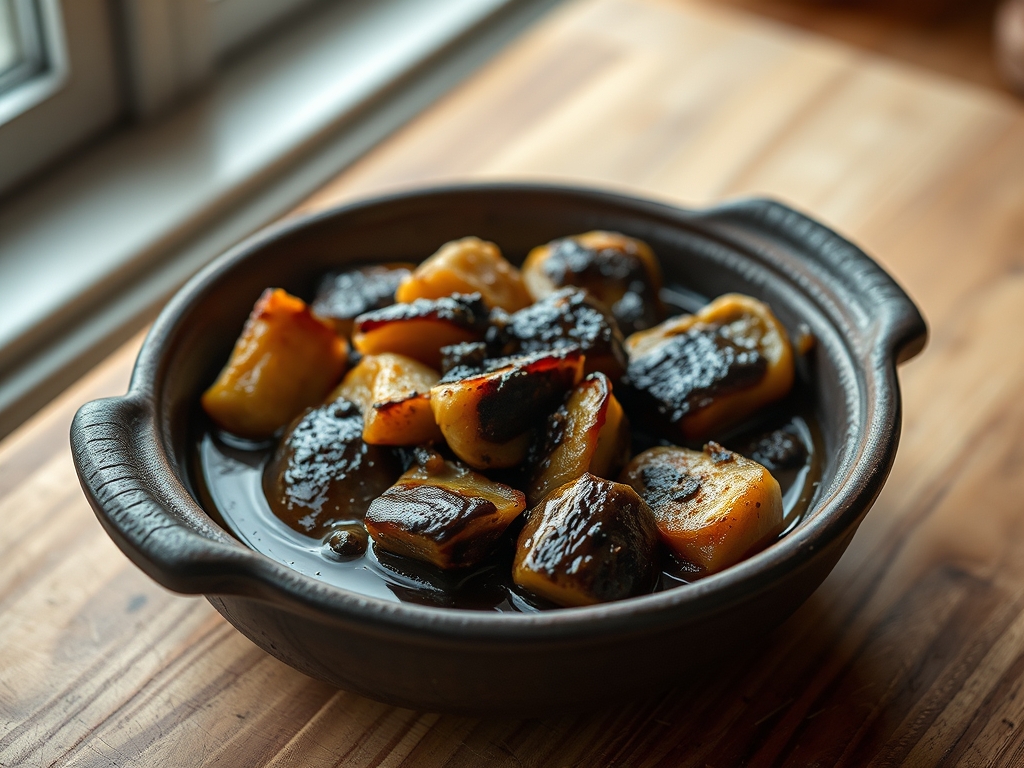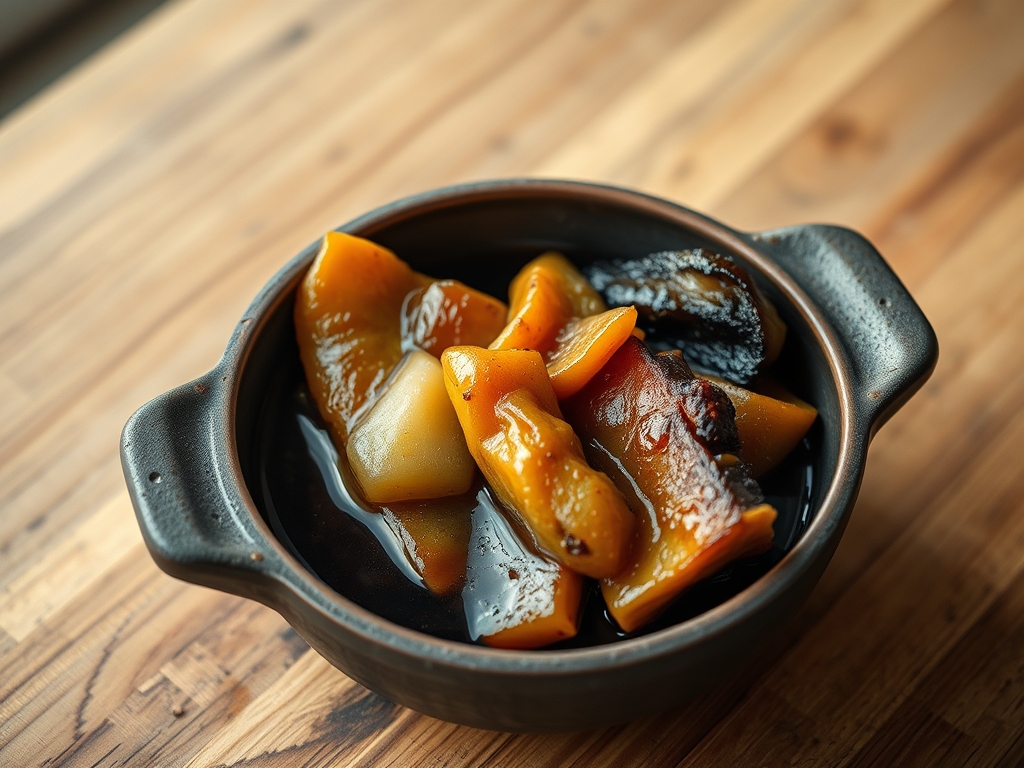
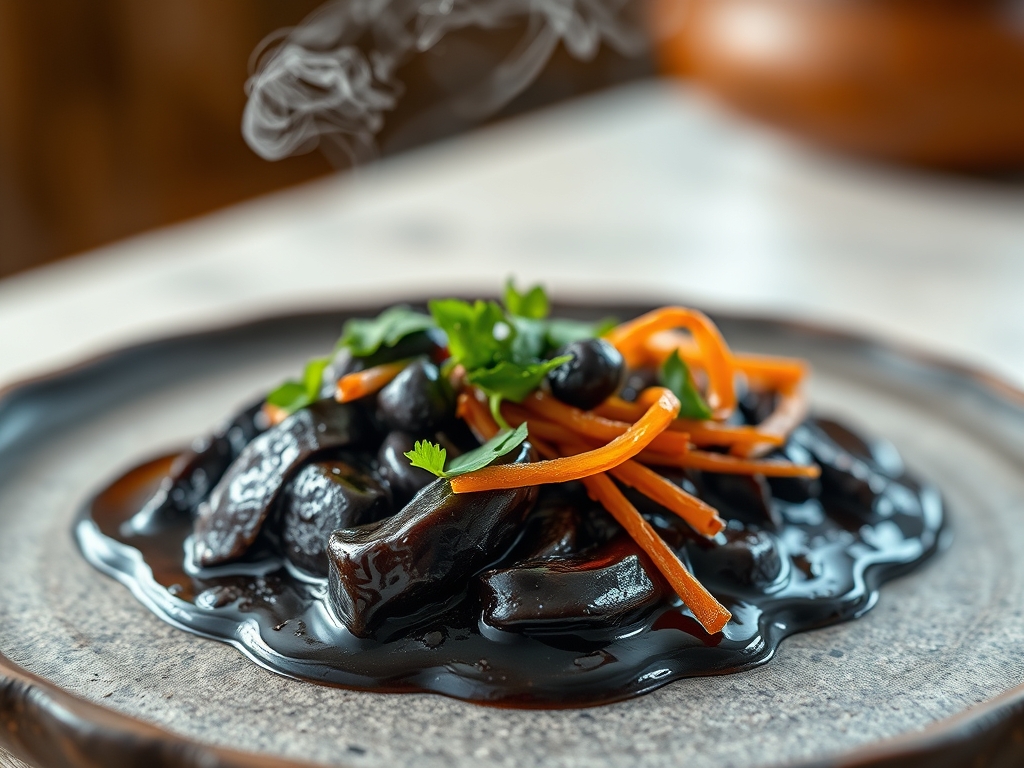
Forget everything you think you know about pantry staples. We are not merely opening a jar; we are engineering a masterpiece of fermented chemistry. The true Black Bean Sauce Flow is a high-velocity, high-viscosity achievement that balances the pungent funk of salted legumes with the sharp clarity of aromatics. When executed correctly, this sauce does not just sit on your protein; it clings with a gravitational pull that demands respect. We are looking for that specific gloss, a shimmering surface tension that signals the perfect emulsion of oil, starch, and sugar. This is the liquid gold of the Cantonese kitchen. It requires a ruthless commitment to heat management and a deep understanding of how sugars caramelize against the salt-cured skin of the douchi. If your sauce is thin or watery, you have failed the audit. If it is a monochromatic sludge, you have missed the nuance. We are here to calibrate your technique, ensuring every drop achieves maximum particulate umami density. Let us begin the tear-down.
THE DATA MATRIX
| Metric | Specification |
|---|---|
| Prep Time | 15 Minutes |
| Execution Time | 10 Minutes |
| Yield | 500ml / 2 Cups |
| Complexity (1-10) | 6 |
| Estimated Cost per Serving | $0.45 USD |
THE GATHERS
Ingredient Protocol:
- 200g / 1.5 cups Fermented black beans (douchi), rinsed and patted dry.
- 60ml / 0.25 cup Neutral high-smoke point oil (Grapeseed or Peanut).
- 50g / 4 tbsp Fresh garlic, minced to a fine paste.
- 40g / 3 tbsp Fresh ginger, finely grated.
- 30ml / 2 tbsp Light soy sauce.
- 15ml / 1 tbsp Dark soy sauce (for pigment density).
- 30ml / 2 tbsp Shaoxing rice wine.
- 15g / 1 tbsp Granulated sugar.
- 5g / 1 tsp Cornstarch slurry (mixed with 15ml cold water).
- 120ml / 0.5 cup Low-sodium chicken or vegetable stock.
Section A: Ingredient Quality Audit:
The primary failure point in most builds is the quality of the fermented beans. If they arrive overly desiccated or smell purely of salt without a deep, wine-like funk, they are sub-par. To fix this, soak the beans in warm Shaoxing wine for ten minutes before mashing; this rehydrates the cellular structure and awakens the dormant enzymes. If your ginger is fibrous and woody, do not mince it. Use a microplane to create a ginger slurry, ensuring the flavor infuses the oil without leaving behind unpalatable "wood chips." Finally, check your cornstarch. If it has been sitting in a humid pantry, its thickening power is compromised. Always test a small amount in boiling water to ensure it achieves the desired viscous state before adding it to the master batch.
THE MASTERCLASS
1. The Aromatic Ignition
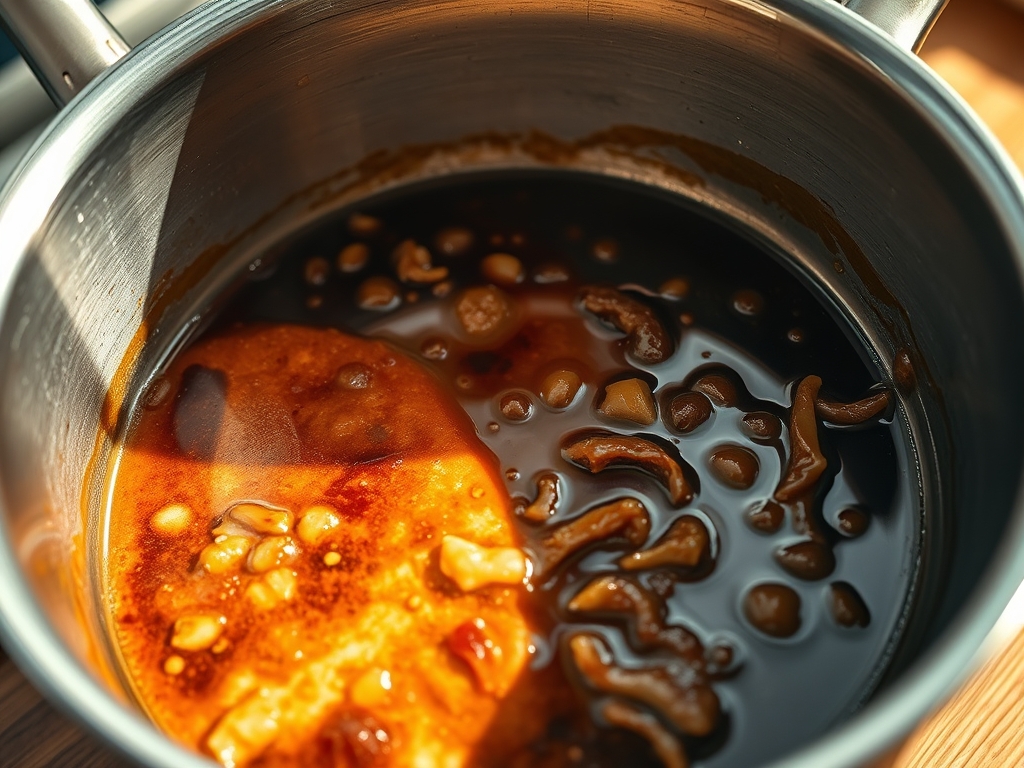
Place your saucier over medium-low heat and add the neutral oil. Once the oil reaches 150C (300F), introduce the garlic and ginger. You are not looking for a hard sear here; you are performing a gentle extraction. Stir constantly with a heat-resistant spatula to aerate the aromatics, preventing the garlic from turning bitter.
Pro Tip: Use a digital scale to measure your aromatics. Volumetric measurements for minced garlic are notoriously inaccurate, and an extra 10 grams can completely skew the piquant balance of the final reduction.
2. The Legume Integration
Increase the heat to medium and add the rinsed black beans. Use the back of a wooden spoon or a bench scraper to lightly crush about one-third of the beans directly against the pan surface. This releases the internal starches and concentrated umami paste, which will act as a natural thickener for the Black Bean Sauce Flow.
Pro Tip: Crushing a portion of the beans creates a multi-textured mouthfeel. The whole beans provide "pops" of salt, while the crushed paste creates a continuous savory background note.
3. The Deglaze and Emulsify
Pour in the Shaoxing wine to deglaze the pan, scraping up any browned bits (fond) from the bottom. Follow immediately with the light and dark soy sauces, sugar, and stock. Bring the mixture to a vigorous simmer. This is where the molecular magic happens as the sugars and proteins begin to bind.
Pro Tip: The dark soy sauce is primarily for visual "weight." It provides the deep, obsidian hue seen in professional kitchen outputs, ensuring the sauce looks as intense as it tastes.
4. The Final Calibration
Whisk the cornstarch slurry one last time to ensure no settling has occurred, then stream it into the bubbling liquid while whisking constantly. Watch for the "nappe" stage, where the sauce is thick enough to coat the back of a spoon. Remove from heat immediately to prevent the starch bonds from breaking down under prolonged thermal stress.
Pro Tip: Always use a thermopen or infrared thermometer to check the sauce temperature. Starch gelatinization occurs between 62C and 70C (144F to 158F). Exceeding this significantly can lead to a "stringy" texture.
Section B: Prep & Timing Fault-Lines:
The most common human error is the "Flash Burn." If the heat is too high when the beans are added, the residual sugar in the fermented skins will scorch, turning the sauce acrid. If you see blue smoke, your oil is too hot; pull the pan off the burner immediately and add a splash of room-temperature stock to crash the temperature. Another fault-line is the "Slurry Lump." Never add dry starch to a hot liquid. It will encapsulate, creating dry flour pockets that ruin the Black Bean Sauce Flow. Always maintain a 1:1 ratio of cold liquid to starch for the slurry.
THE VISUAL SPECTRUM
Section C: Thermal & Visual Troubleshooting:
Referencing the Masterclass photo, notice the "High-Gloss Obsidian" finish. If your sauce appears matte or dull, you likely under-rendered the fats or skipped the sugar. A dull sauce lacks the refractive index needed for a premium presentation. If the sauce looks "broken" or oily, the emulsion has failed. This happens when the liquid is added too slowly to the hot fat. To fix a broken sauce, whisk in a tablespoon of boiling water very rapidly to re-establish the bond. If the color is too pale, increase the dark soy sauce by 5ml increments until the depth matches the visual cues in the reference image. The texture should be fluid but substantial; it should move like heavy cream, not water.
THE DEEP DIVE
Macro Nutrition Profile:
Per 30ml serving, this sauce contains approximately 45 calories, 3g of fat, 4g of carbohydrates, and 2g of protein. The sodium content is high (approx 480mg), so calibrate your secondary seasoning accordingly.
Dietary Swaps:
- Vegan: Use mushroom-based "oyster" sauce in place of half the soy sauce for added depth.
- Keto: Replace granulated sugar with an erythritol-based sweetener and use xanthan gum (0.5g) instead of cornstarch.
- GF: Ensure your black beans are processed in a gluten-free facility and swap soy sauce for Tamari or liquid aminos.
Meal Prep & Reheating Science:
This sauce is incredibly stable due to the high salt and sugar content. It will keep in an airtight container for up to three weeks. When reheating, the starch molecules will have "set" into a gel. Do not microwave on high. Instead, place the sauce in a small pan with 15ml of water and heat over low, whisking constantly to render the fats back into a liquid state and restore the original flow.
THE KITCHEN TABLE
Why is my sauce bitter?
Bitter notes usually stem from burnt garlic or over-toasted beans. The douchi are already fermented and "cooked." They only need to be warmed through to release their oils. Keep your aromatics at a golden blonde, never dark brown.
Can I skip rinsing the beans?
Rinsing is mandatory. The packing salt on douchi is overwhelming and will red-line your sodium levels. Rinsing also removes excess dust and debris from the fermentation process, ensuring a cleaner, more refined Black Bean Sauce Flow.
My sauce turned into a jelly in the fridge!
This is normal. The cornstarch and natural bean proteins create a matrix that solidifies when cold. Simply apply gentle heat and a whisk to return it to its original, glorious liquid state.
What is the best way to store leftovers?
Use a glass jar with a tight seal. Plastic containers can absorb the piquant odors of the garlic and fermented beans, which is nearly impossible to wash out. Glass maintains the purity of the flavor profile.