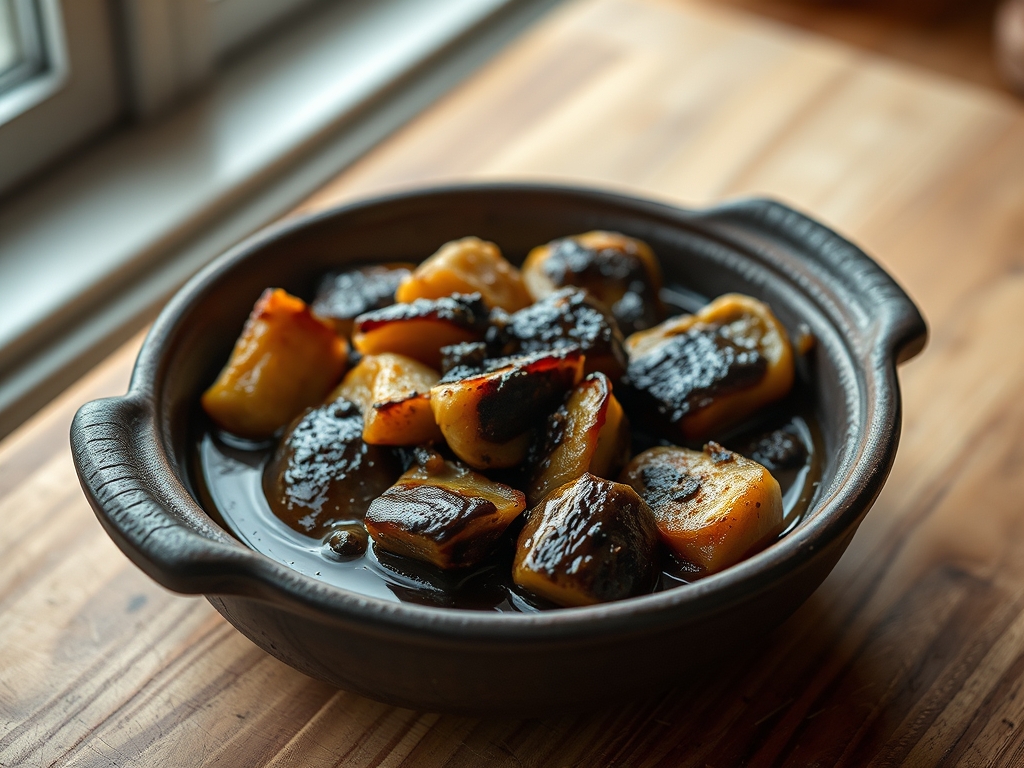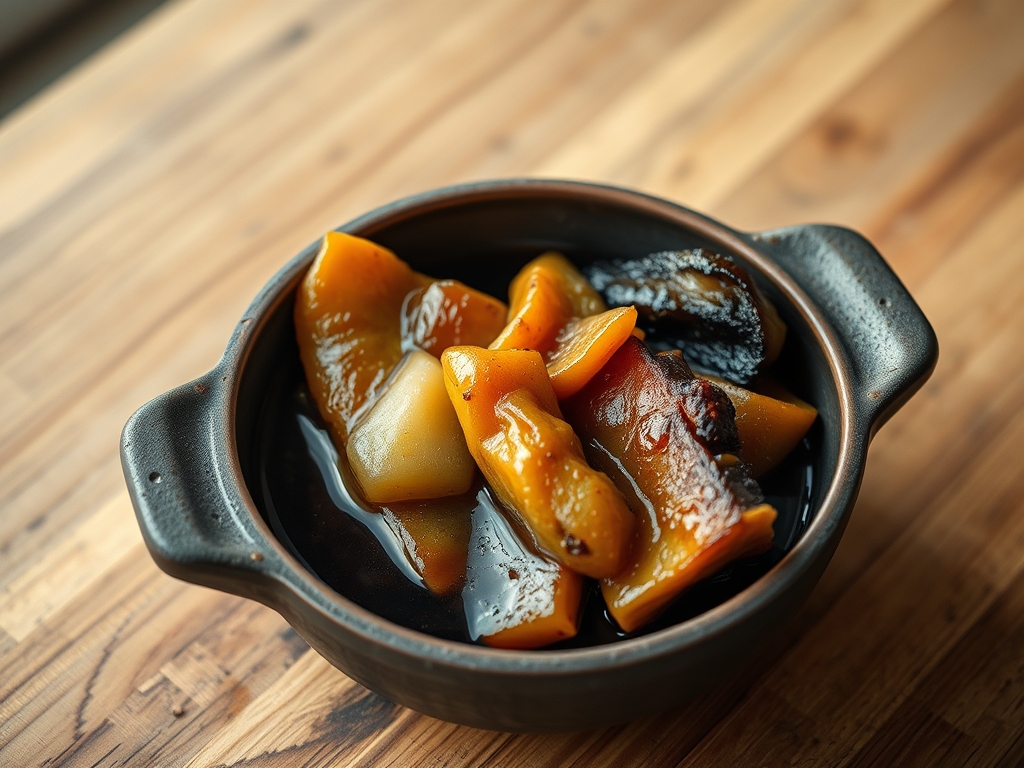
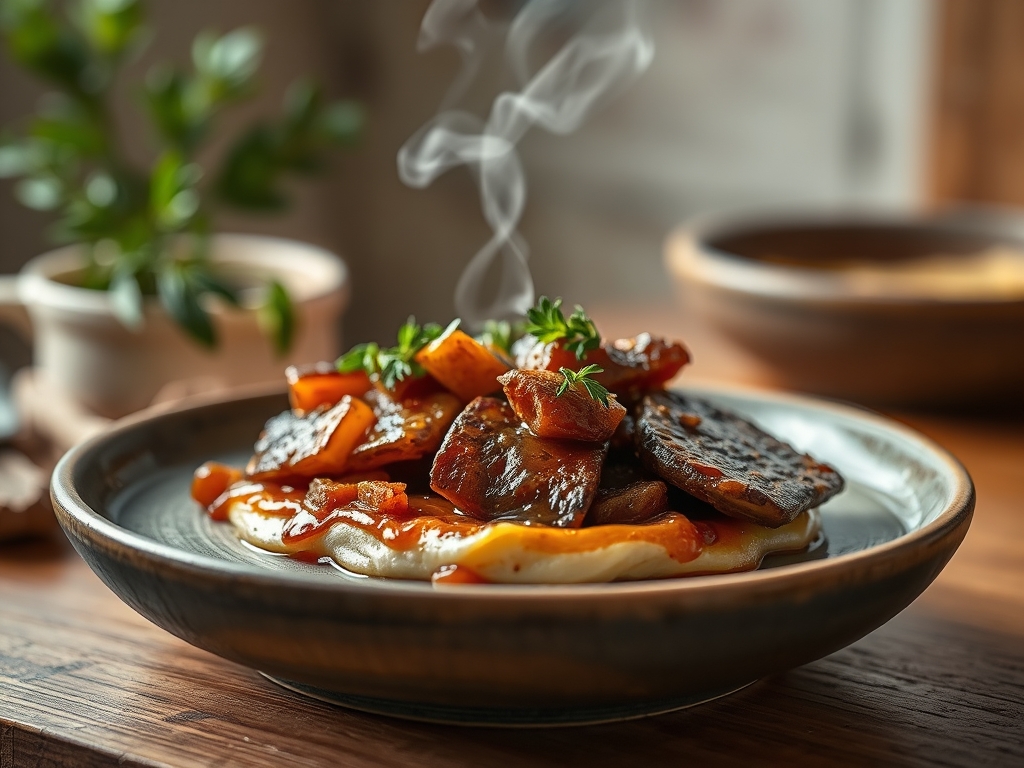
Listen to the sound of a kitchen operating at peak efficiency. It is not just the clatter of pans; it is the rhythmic thrum of a high performance engine. We are here to talk about the absolute gold standard of pantry infrastructure: the fusion of fermented fish and acidic fruit. When you introduce Aged Worcestershire into a reduction of tamarind and anchovy, you are not just making a sauce. You are conducting a masterclass in molecular layering. The Aged Worcestershire acts as the connective tissue, providing a deep, umami backbone that bridges the gap between the sharp, fruity bite of the tamarind and the salty, oceanic punch of the anchovy. This is a viscous, dark nectar that transforms basic proteins into architectural triumphs. It is piquant, it is bold, and it requires a level of precision that would make a structural engineer weep. We are moving past the era of haphazard seasoning. Today, we build a flavor profile from the ground up, starting with the complex, barrel aged notes of a premium condiment that has spent years developing its soul.
THE DATA MATRIX
| Metric | Specification |
|---|---|
| Prep Time | 20 Minutes |
| Execution Time | 45 Minutes |
| Yield | 500ml / 2 Cups |
| Complexity (1-10) | 7 |
| Estimated Cost per Serving | $1.45 |
THE GATHERS
Ingredient Protocol:
- 250ml / 1 cup Aged Worcestershire (The primary umami driver)
- 150g / 5.3oz Tamarind Paste (Seedless, high acidity)
- 50g / 1.75oz Salt-Cured Anchovies (Rinsed and patted dry)
- 100ml / 3.4oz Maple Syrup or Dark Brown Sugar
- 30g / 1oz Fresh Galangal (Finely grated)
- 15ml / 1 tbsp Toasted Sesame Oil
- 2 cloves Black Garlic (Smashed into a paste)
- 5ml / 1 tsp Fish Sauce (For a high-note salt spike)
Section A: Ingredient Quality Audit:
If your tamarind paste is excessively dry or brittle, do not attempt to force it into the emulsion. Rehydrate it in 50ml of boiling water to create a smooth slurry before integration. If your anchovies lack that distinct, deep red hue and appear grey, they have likely oxidized. To fix this, soak them in a small amount of milk for ten minutes to neutralize off-flavors, though fresh, high-quality fillets are always preferred. Most importantly, ensure your Aged Worcestershire is genuine. Look for sediment at the bottom of the bottle; that is a sign of long-term fermentation and concentrated flavor solids.
THE MASTERCLASS
Step 1: The Anchovy Dissolution
Place your salt-cured anchovies into a cold saucier with a teaspoon of neutral oil. Gradually increase the heat to medium-low. Use a wooden spoon to press the fillets against the side of the pan until they literally melt into a paste.
Pro Tip: This process is called rendering. By starting in a cold pan, you ensure the proteins break down before the delicate fats reach their smoke point, creating a smooth, grit-free base.
Step 2: The Tamarind Infusion
Add the rehydrated tamarind paste and grated galangal to the anchovy base. Stir vigorously with a silicone whisk to ensure even distribution. The mixture will appear thick and slightly chunky at this stage.
Pro Tip: Use a digital scale to measure your tamarind precisely. Too much acidity will inhibit the Maillard reaction later in the process, preventing the sauce from achieving its signature dark luster.
Step 3: The Aged Worcestershire Integration
Slowly pour in the Aged Worcestershire while whisking constantly. This is the moment where the liquid phase meets the solid phase. The vinegar and molasses in the Worcestershire will deglaze the bottom of the pan, lifting any caramelized anchovy bits.
Pro Tip: Constant agitation is key. You are creating a complex suspension of solids in liquid. A high-quality saucier with rounded edges prevents the sauce from scorching in the corners.
Step 4: The Reduction and Aeration
Lower the heat to a simmer. Allow the volume to reduce by approximately thirty percent. Once the sauce coats the back of a spoon, remove it from the heat and whisk in the black garlic and sesame oil.
Pro Tip: Use a handheld milk frother or a whisk to aerate the sauce just before cooling. This introduces tiny air bubbles that lighten the texture and help the flavors hit your palate more rapidly.
Section B: Prep & Timing Fault-Lines:
The most common failure point is "The Flash Point." If you boil the sauce too vigorously, the sugars in the Aged Worcestershire will burn, turning the sauce bitter instead of savory. Maintain a gentle simmer. If the sauce separates, it means your heat was too high, causing the fats to break away from the water-based acids. You can rescue a broken sauce by whisking in a teaspoon of warm water and a drop of lecithin or mustard powder to re-emulsify the mixture.
THE VISUAL SPECTRUM
Section C: Thermal & Visual Troubleshooting:
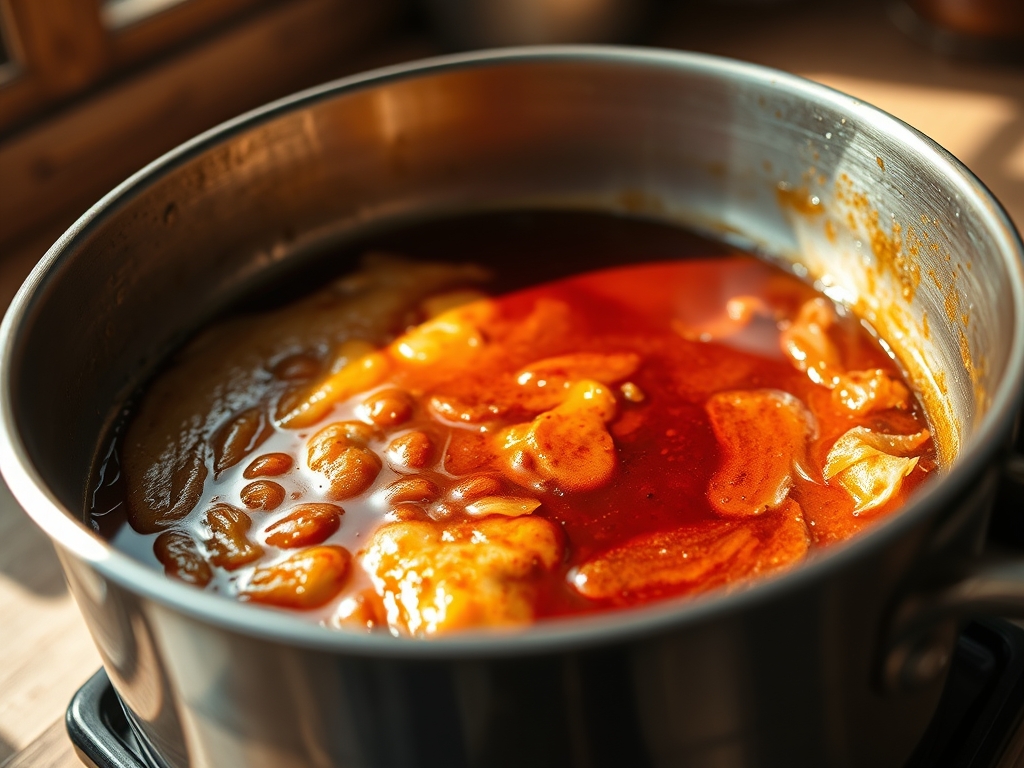
Look at the Masterclass photo above. Notice the deep, mahogany sheen of the sauce. If your sauce looks pale or translucent, you have not reduced it sufficiently. The texture should be viscous, similar to warm honey. If you see visible chunks of anchovy, your initial rendering phase was too short. Use an immersion blender to achieve that glass-like finish. If the color is dull rather than glossy, it usually indicates a lack of sugar or fat; a final teaspoon of maple syrup or a knob of cold butter whisked in at the end can restore that professional shine.
THE DEEP DIVE
Macro Nutrition Profile:
This sauce is an umami powerhouse with a surprisingly lean profile. Per 30ml serving: 45 Calories, 1.5g Fat, 8g Carbohydrates, and 2g Protein. It is exceptionally high in sodium, so use it as a finishing glaze rather than a bulk ingredient.
Dietary Swaps:
- Vegan: Replace anchovies with 2 tablespoons of red miso paste and use a vegan-certified Worcestershire sauce.
- Keto: Swap the maple syrup for a monk fruit concentrate and ensure your tamarind paste has no added sugars.
- Gluten-Free: Verify that your Aged Worcestershire is made with tamari or distilled vinegar rather than malt vinegar.
Meal Prep & Reheating Science:
To maintain the molecular structure, store this sauce in a glass airtight container for up to three weeks. When reheating, do not use a microwave. The uneven electromagnetic waves can cause the proteins to seize. Instead, reheat in a small pot over low heat, adding a splash of water to compensate for evaporation. This preserves the viscous mouthfeel and prevents the Aged Worcestershire from becoming overly pungent.
THE KITCHEN TABLE
How long does the Aged Worcestershire flavor last?
The fermented notes are incredibly stable. In an airtight container, the flavor profile remains peak for 21 days. The acidity in the tamarind acts as a natural preservative, keeping the umami notes sharp and vibrant.
Can I use regular Worcestershire sauce instead?
You can, but you will lose the "Infrastructure." Aged versions have a higher solid-to-liquid ratio and less harsh vinegar bite. Regular sauce is thinner and requires a longer reduction time, which risks scorching the other delicate ingredients.
Why is my sauce too salty?
Anchovies and Worcestershire are both high-sodium. If you over-reduced the liquid, the salt concentration became too high. Balance this by adding a teaspoon of lime juice or more maple syrup to distract the salt receptors on your tongue.
What is the best tool for straining?
Use a chinois or a very fine mesh sieve. If you want that professional, mirror-like finish seen in high-end bistros, straining is non-negotiable. It removes any fibrous galangal or tamarind bits that escaped the initial whisking.