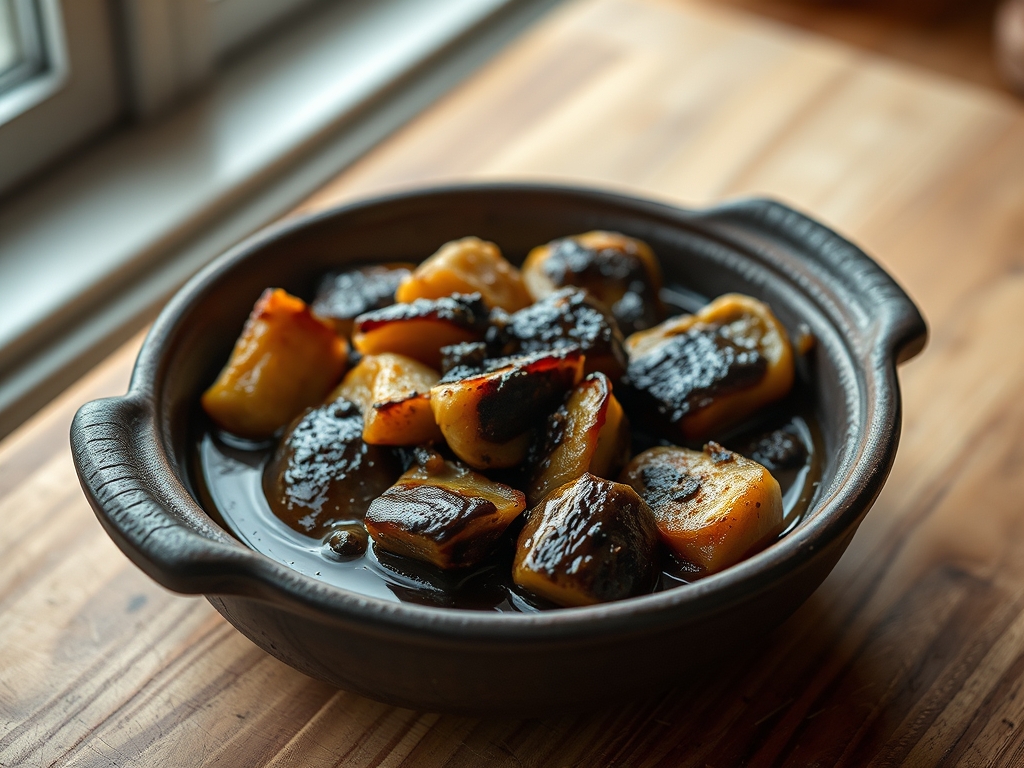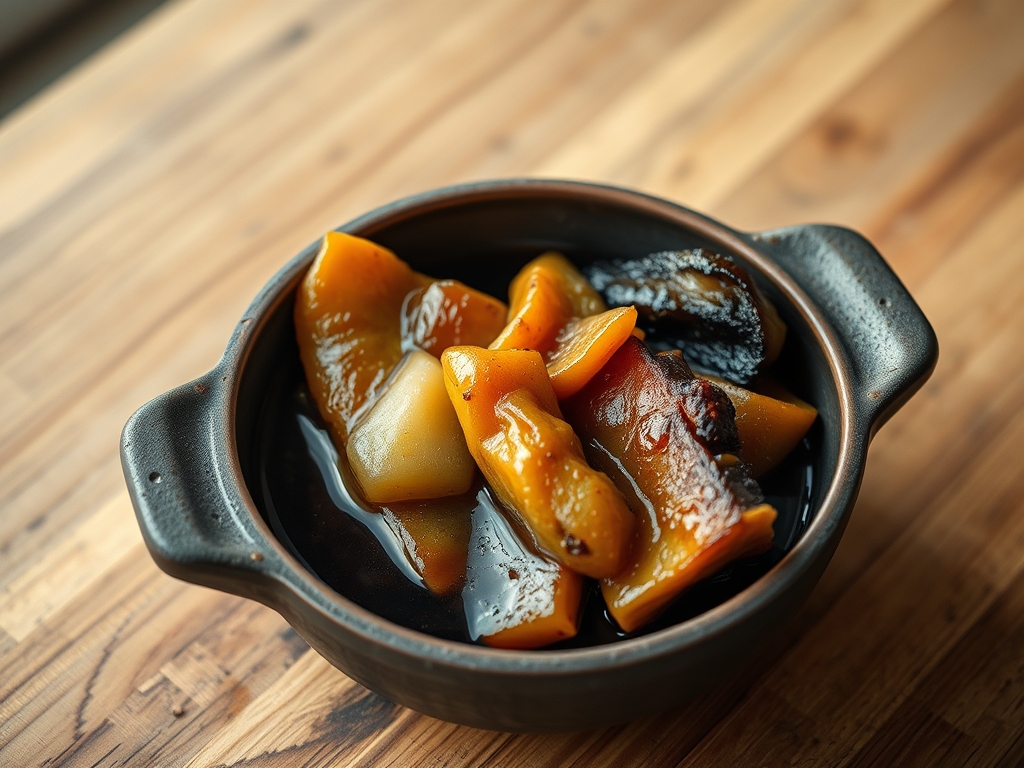
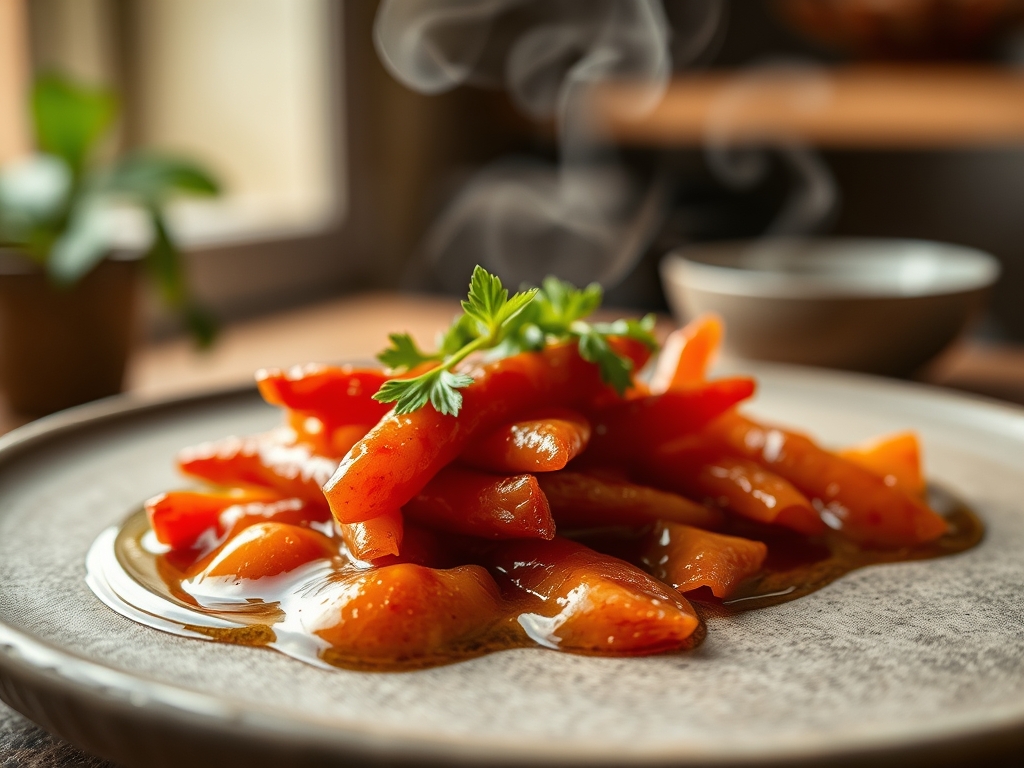
The scent of a high-performance kitchen is not merely an aroma; it is a chemical signature of success. When you introduce the concept of Fermented Chili Oil into your culinary infrastructure, you are not just making a condiment. You are engineering a complex microbial ecosystem designed to maximize umami and heat. Traditional chili oils rely on a quick thermal extraction, but the fermented variant utilizes lactic acid bacteria to pre-digest the sugars in the peppers. This process unlocks a deep, funk-forward complexity that a standard dry-pepper infusion simply cannot replicate. Imagine the sharp, piquant bite of a fresh bird's eye chili transformed into a mellow, rounded, and earthy heat that lingers on the palate. This is the difference between a loud noise and a symphony. We are looking for a viscous, crimson liquid that carries the ghost of fermentation while maintaining the crisp texture of toasted aromatics. If your current oil lacks soul, it is because you have ignored the microbial labor force waiting to revolutionize your pantry.
THE DATA MATRIX
| Metric | Specification |
|---|---|
| Prep Time | 25 Minutes (plus 7-14 days fermentation) |
| Execution Time | 45 Minutes |
| Yield | 750ml / 3 Cups |
| Complexity (1-10) | 7 |
| Estimated Cost per Serving | $0.45 |
THE GATHERS
Ingredient Protocol:
- 500g / 1.1 lbs Fresh Fresno or Thai Bird's Eye Chilies
- 15g / 1 tbsp Non-iodized Sea Salt
- 500ml / 2 cups Neutral Oil (Grapeseed or Avocado)
- 50g / 1.7 oz Garlic, finely minced
- 30g / 1 oz Fresh Ginger, grated
- 15ml / 1 tbsp Toasted Sesame Oil
- 10g / 2 tsp Sichuan Peppercorns, toasted and crushed
- 5g / 1 tsp Star Anise (2 whole pods)
Section A: Ingredient Quality Audit:
If your chilies arrive with soft spots or "weeping" skins, the fermentation will fail. Pathogenic molds thrive where the cellular structure of the pepper has collapsed. To fix this, discard any bruised specimens and ensure your salt concentration is exactly 3 percent of the pepper weight. This creates an environment where Lactobacillus can dominate. If your oil tastes bitter, you likely used a low-quality olive oil or burned the garlic. Always opt for high-smoke-point neutral oils to ensure the delicate aromatics remain the protagonist of the flavor profile.
THE MASTERCLASS
Step-by-Step Execution:
1. The Microbial Initiation
Wash and dry your chilies thoroughly. Use a digital scale to weigh the peppers and calculate your 3 percent salt ratio. Pulse the chilies in a food processor until they reach a coarse mash consistency. Pack this mixture into a sterilized glass jar, ensuring the mash is submerged under its own brine.
Pro Tip: Use a fermentation weight to keep the solids submerged. This prevents aerobic mold growth and ensures the anaerobic fermentation produces the desired lactic acid, which provides that signature tangy undertone.
2. The Maturation Phase
Store the jar in a cool, dark place for 7 to 14 days. Burp the jar daily to release carbon dioxide buildup. You are looking for the color to shift from a bright, vibrant red to a deeper, brick-like hue. The aroma should be acidic and funky, not putrid.
Pro Tip: The science here involves the breakdown of complex carbohydrates into simple sugars and then into organic acids. Use a bench scraper to keep your workspace clean as you check the mash for activity and consistency.
3. The Aromatic Infusion
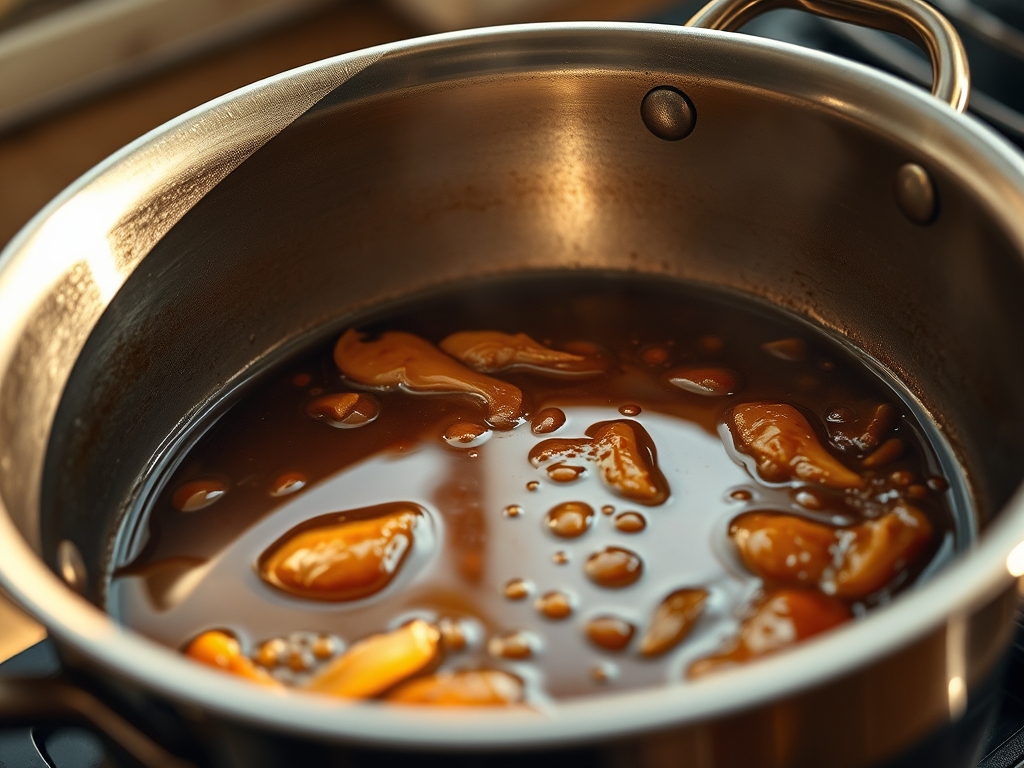
Once fermented, strain the mash through a fine-mesh sieve, reserving the solids. In a heavy-bottomed saucier, combine the neutral oil with garlic, ginger, star anise, and peppercorns. Heat the oil slowly over medium-low heat until the garlic turns a pale golden brown.
Pro Tip: This is a cold-start infusion. By starting with room temperature oil, you allow the fat-soluble compounds in the aromatics to render and infuse more effectively without scorching the delicate sulfur compounds in the garlic.
4. The Thermal Marriage
Place the fermented chili solids into a heat-proof bowl. Once the oil has reached 110 degrees Celsius (230 degrees Fahrenheit), carefully pour it over the solids. The mixture will sizzle and aerate, releasing a cloud of piquant steam.
Pro Tip: Use an infrared thermometer to monitor the oil temperature. If the oil is too hot, it will burn the fermented solids, destroying the complex esters you spent two weeks developing. If it is too cool, it will not properly deglaze the bowl.
5. The Final Emulsification
Allow the oil to cool completely before stirring in the toasted sesame oil. Transfer the entire mixture, including the solids, into a sterilized glass container. Let it sit for 24 hours before use to allow the flavors to stabilize.
Pro Tip: The sediment at the bottom is pure gold. It contains the concentrated umami of the fermented peppers. Always use a clean spoon to reach the bottom of the jar to ensure you get a balanced ratio of oil and "crunch."
Section B: Prep & Timing Fault-Lines:
The most common failure point is the temperature of the oil during the final pour. If you rush the heating process, you risk a "flash point" where the aromatics carbonize instantly. Conversely, if you add the oil while it is too cool, the solids will absorb the fat and become soggy rather than crispy. Use a digital scale for all measurements to ensure the salt-to-pepper ratio is perfect; guessing leads to spoilage.
THE VISUAL SPECTRUM
Section C: Thermal & Visual Troubleshooting:
Referencing the Masterclass photo, your Fermented Chili Oil should exhibit a deep, translucent ruby color with a visible layer of sediment. If the oil looks cloudy, there is likely residual moisture from the fermentation brine. To fix this, heat the oil slightly to evaporate the water. If the solids look black instead of dark red, the oil was too hot during the infusion. The texture should be viscous and cling to a spoon, indicating a successful extraction of oils and capsaicin.
THE DEEP DIVE
Macro Nutrition Profile:
A single tablespoon serving contains approximately 120 calories, 14g of fat, 1g of carbohydrates, and 0g of protein. The primary benefit lies in the capsaicinoids and the probiotic history of the mash, though the heat of the oil will neutralize live bacteria.
Dietary Swaps:
This recipe is naturally Vegan, Keto, and Gluten-Free. To add an extra layer of depth for non-vegans, you can infuse the oil with a small amount of dried shrimp or fermented black beans during the heating phase.
Meal Prep & Reheating Science:
Fermented Chili Oil is shelf-stable for up to 6 months if kept in a cool, dark place. Do not microwave the oil, as uneven heating can cause the solids to pop and burn. If the oil solidifies in a cold pantry, simply let it sit at room temperature to restore its viscous flow.
THE KITCHEN TABLE
How long does fermented chili oil last?
When stored in a sterilized, airtight container in a cool pantry, it remains potent for 6 months. Refrigeration extends this to a year, though the oil may cloud. Always use a clean utensil to prevent cross-contamination.
Why is my chili oil not spicy?
Heat levels depend on the chili variety used. If your oil lacks kick, your peppers may have been harvested out of season or the seeds were removed. You can boost the heat by adding a pinch of high-quality red pepper flakes.
Can I use dried chilies for this?
No. Fermentation requires the moisture and natural sugars found in fresh peppers. If you only have dried chilies, you are making a standard infusion, not a fermented oil. The microbial synergy requires fresh cellular material to begin the process.
What is the white film on my ferment?
This is likely Kahm yeast, a harmless but unsightly byproduct of fermentation. Scrape it off immediately. If the growth is fuzzy, green, or black, that is mold; discard the entire batch and sanitize your equipment.