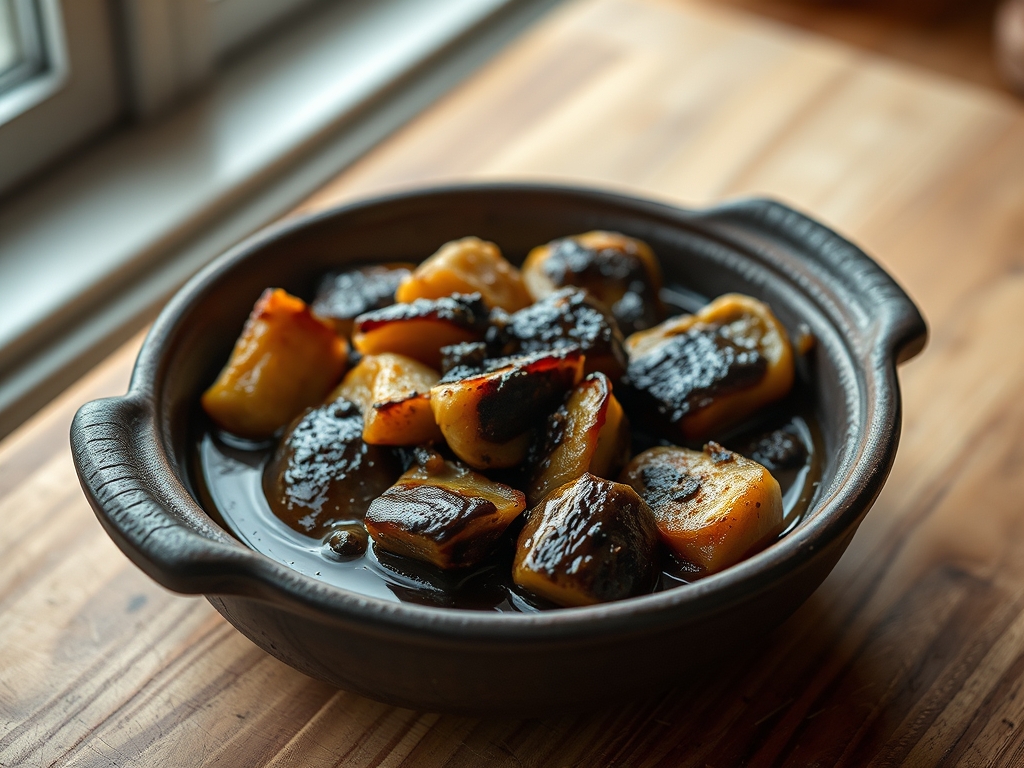
The scent of atomized butter hitting a white-hot cast iron surface is the siren song of a successful Blackened Salmon Audit. We are not merely cooking; we are orchestrating a high-velocity thermal event where spice and protein undergo a violent, delicious metamorphosis. This is the intersection of Cajun tradition and precision engineering. If your kitchen does not currently smell like a spicy, caramelized forge, you are likely failing the audit. True blackening is not about burnt carbon; it is about the Maillard reaction accelerated to its logical extreme. We are seeking a crust that is dark, piquant, and structurally sound, protecting a pressurized interior of succulent, medium-rare fats. This audit demands total control over your thermal infrastructure. One degree too low and you have soggy fish; one degree too high and you have an acrid mess. Strap in, calibrate your sensors, and prepare to execute a dish that defines the boundary between searing and incineration.
THE DATA MATRIX
| Metric | Specification |
|---|---|
| Prep Time | 15 Minutes |
| Execution Time | 8 Minutes |
| Yield | 4 Servings |
| Complexity (1-10) | 7 |
| Estimated Cost per Serving | $9.50 – $12.00 |
THE GATHERS
Ingredient Protocol:
- 4 Atlantic Salmon Fillets (Skinless); 170g / 6oz each
- Unsalted Butter (Melted); 115g / 0.5 cup
- Smoked Paprika; 15g / 2 tbsp
- Cayenne Pepper; 2g / 0.5 tsp
- Onion Powder; 5g / 1 tsp
- Garlic Powder; 5g / 1 tsp
- Dried Thyme; 1g / 0.5 tsp
- Dried Oregano; 1g / 0.5 tsp
- Kosher Salt; 8g / 1.5 tsp
- Black Peppercorns (Freshly Cracked); 3g / 1 tsp
- Neutral Oil (Grapeseed or Avocado); 30ml / 2 tbsp
Section A: Ingredient Quality Audit:
Sub-par salmon is the primary failure point in this infrastructure. If your fish feels "mushy" or lacks structural integrity, it will render too much moisture during the sear, steaming the spices instead of crusting them. Technical Fix: Perform a "dry-brine" by salting the fillets 30 minutes prior to cooking and leaving them uncovered in the refrigerator. This draws out surface moisture and tightens the protein matrix. Additionally, if your spices are older than six months, they have lost their volatile oils. Technical Fix: Toast stale spices in a dry saucier for 60 seconds before mixing to awaken any remaining aromatic compounds.
THE MASTERCLASS
1. Thermal Priming of the Infrastructure
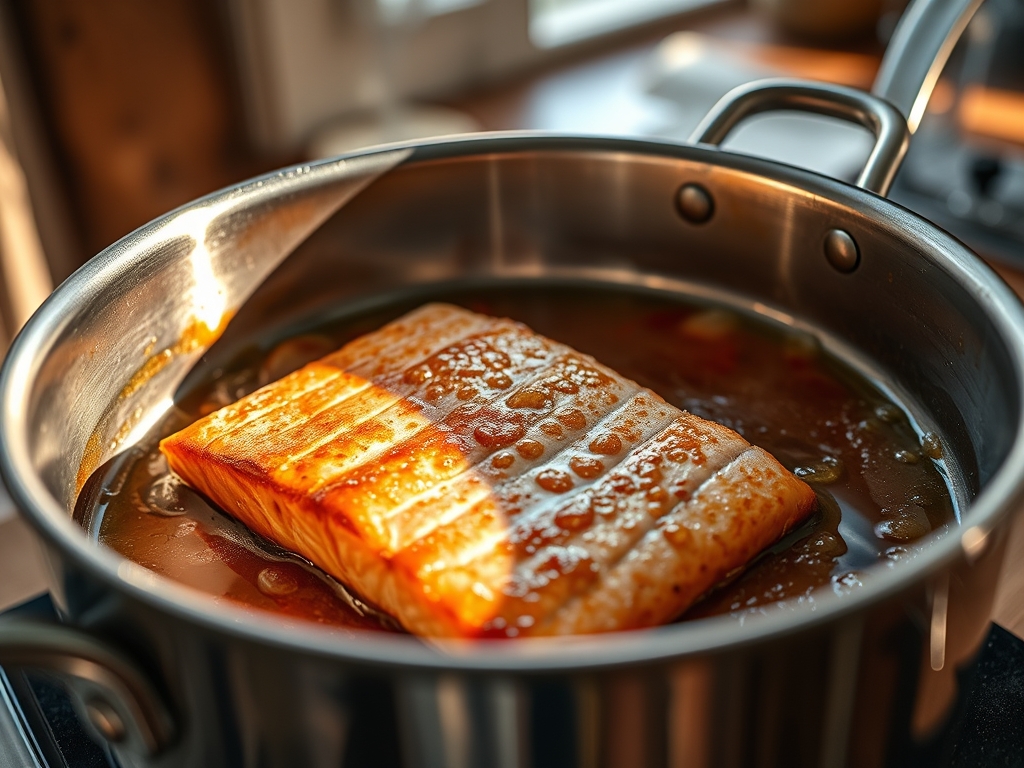
Place a heavy-bottomed cast iron skillet over high heat for at least five minutes. You are looking for a surface temperature of 450 degrees Fahrenheit. Use an infrared thermometer to verify.
Pro Tip: High thermal mass is essential for preventing temperature drops when the cold protein hits the pan. A professional digital scale ensures your spice ratios are exact, preventing any single note from overpowering the piquant profile.
2. The Butter Barrier and Spice Application
Dip each fillet into the melted butter, ensuring total coverage, then dredge heavily in the spice blend. The butter acts as the adhesive and the primary fat source for the crust.
Pro Tip: This is an emulsification of fat and dry matter. The butter helps the spices infuse into the surface of the fish before the heat locks them into a carbonized lattice. Use a bench scraper to keep your workstation clean of excess spice fallout.
3. The High-Velocity Sear
Place the fillets in the dry, hot skillet. Expect significant smoke. Do not move the fish for at least three minutes. The goal is a deep, mahogany crust that releases naturally from the iron.
Pro Tip: Moving the fish too early disrupts the formation of the crust. The moisture in the fish must aerate and escape as steam for the surface to dehydrate and blacken properly.
4. The Flip and Finish
Flip the fillets using a thin metal spatula. Cook for another 2 to 3 minutes. The internal temperature should reach 125 degrees Fahrenheit for a perfect medium-rare.
Pro Tip: Use a high-quality instant-read probe. Salmon carries significant residual heat; pulling it at 125 degrees allows it to carry over to a perfect 130 degrees while resting on a wire rack.
Section B: Prep & Timing Fault-Lines:
The most common human error is "pan-crowding." If you attempt to sear four large fillets in a small skillet, the ambient temperature drops, the butter fails to reach its smoke point, and the fish poaches in its own juices. Technical Fix: Work in batches or use two separate skillets. Another fault-line is the "cold-center syndrome." If the salmon is pulled directly from a 38-degree refrigerator, the exterior will burn before the interior reaches safety. Technical Fix: Temper the fish at room temperature for 20 minutes before the audit begins.
THE VISUAL SPECTRUM
Section C: Thermal & Visual Troubleshooting:
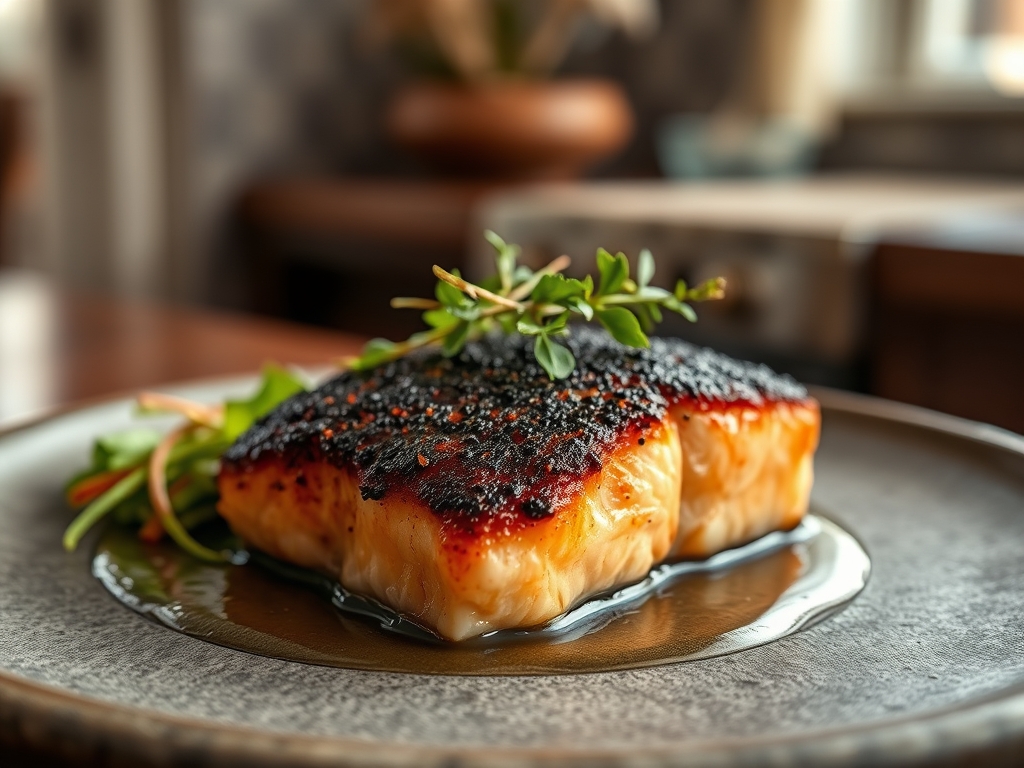
Observe the reference photo above. Note the "obsidian" sheen; this is the result of the butter solids caramelizing alongside the sugars in the paprika. If your salmon looks "dusty" or pale orange, your pan was not hot enough. If the crust is flaking off in large chunks, you lacked sufficient "butter-glue."
If you see white globules (albumin) pushing out of the sides of the fish, you have overcooked the protein, causing the muscle fibers to contract and squeeze out moisture. Visual Cue Fix: Look for a slight "give" when pressing the center of the fillet. It should feel like the tension of your thumb pressing against your palm. Dull, matte colors indicate the spices have scorched without the presence of fat; always ensure a viscous coating of butter before hitting the heat.
THE DEEP DIVE
Macro Nutrition Profile:
A standard 6oz serving provides approximately 340 calories, 34g of protein, 20g of fat, and 2g of carbohydrates. The high Omega-3 fatty acid content makes this a functional powerhouse for cardiovascular health.
Dietary Swaps:
- Vegan: Replace salmon with extra-firm tofu pressed for 2 hours. Use melted vegan butter or coconut oil for the dredge.
- Keto: This recipe is naturally Keto-compliant. Ensure your spice blend contains no added sugar or cornstarch.
- GF: Naturally gluten-free. Verify that your spices are processed in a GF-certified facility to avoid cross-contamination.
Meal Prep & Reheating Science:
To maintain the molecular structure during reheating, avoid the microwave. The high-frequency waves vibrate water molecules, turning your crust into mush. Instead, use an air fryer at 350 degrees for 4 minutes or a toaster oven. This dehydrates the surface again, restoring the snap of the blackened crust.
THE KITCHEN TABLE
How do I stop my kitchen from smoking?
You cannot eliminate smoke in a true Blackened Salmon Audit. Ensure your ventilation is on maximum or cook outdoors on a high-BTU burner. The smoke is a byproduct of the butter solids and spices undergoing rapid carbonization.
Can I use oil instead of butter?
You can, but you will lose the signature flavor. Butter contains milk solids that caramelize and provide a rich, nutty backdrop to the heat. If using oil, choose one with a high smoke point like avocado oil.
Why is my salmon sticking to the pan?
The pan was likely not hot enough or was not properly seasoned. A hot cast iron surface creates a "Leidenfrost effect" where the evaporating moisture lifts the fish slightly, preventing a permanent bond with the metal infrastructure.
What is the best side dish for this?
Balance the high-intensity spice with something acidic or creamy. A lemon-heavy slaw or a cooling cucumber salad provides the necessary contrast to the piquant crust. Avoid heavy, spicy sides that compete with the main protein.