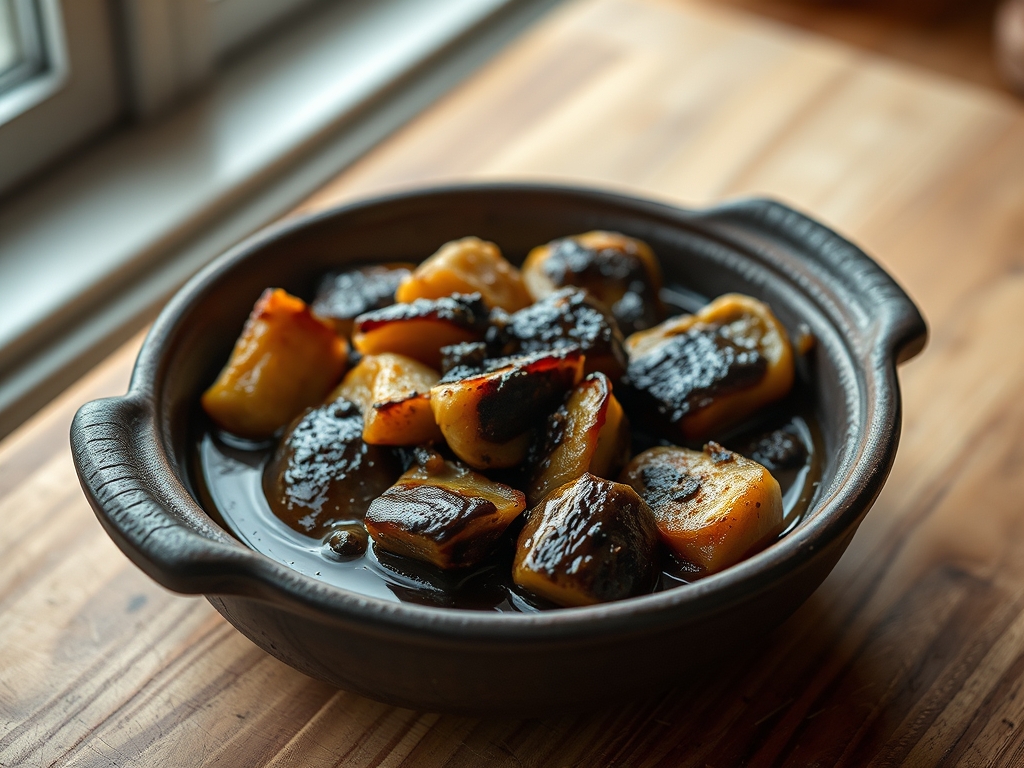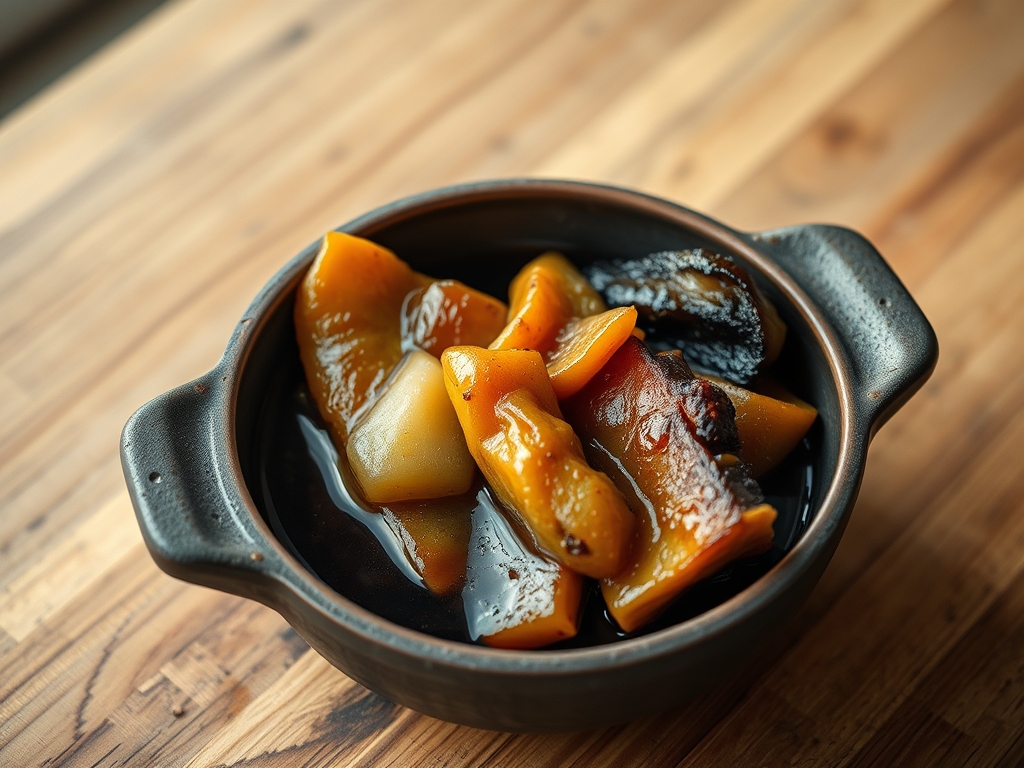
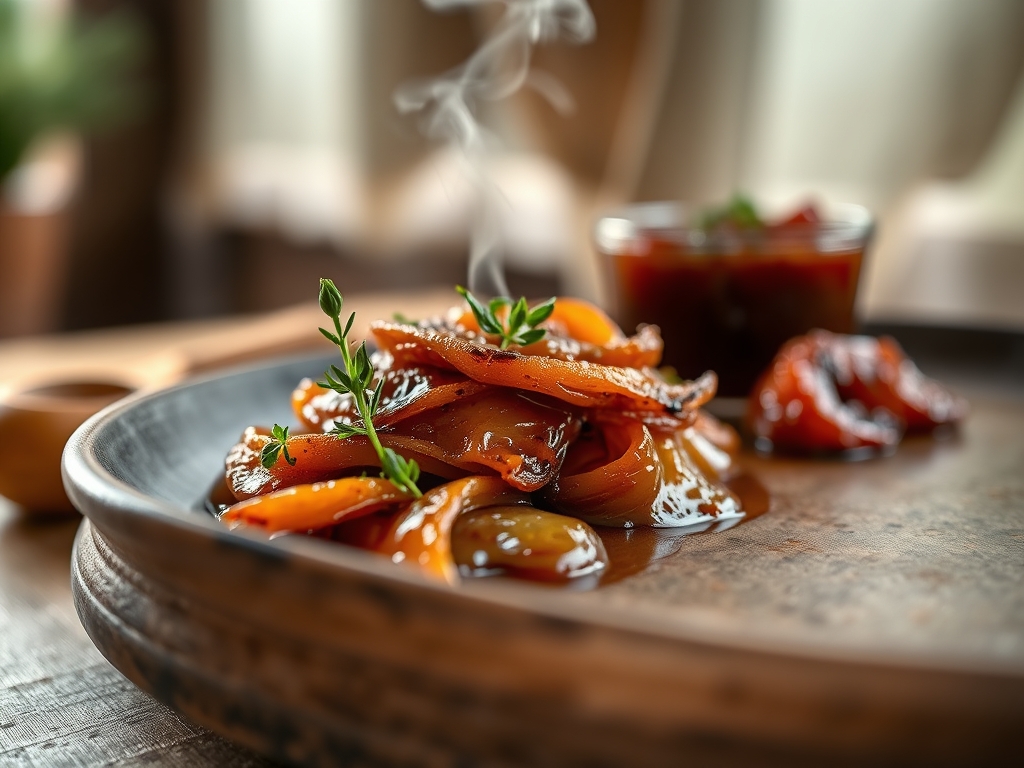
Stop playing it safe with your aromatics. If your onions are merely translucent, you are leaving the most aggressive flavor profiles on the table. We are here to talk about the fine line between culinary genius and a kitchen fire. We are talking about Burnt Onion Jam. This is not your grandmother's marmalade; it is a high-octane, carbon-kissed condiment that demands respect. True caramelization is a chemical slow-burn, but the "burnt" aesthetic requires a controlled descent into the Maillard reaction's darkest corners. We want bitterness that balances the inherent sugars of the allium. We want a texture that is viscous and unapologetically bold. When you master this audit, you are not just cooking; you are engineering a piquant masterpiece that can rescue a dry brisket or elevate a simple piece of toast into a fine-dining experience. This process is messy, it is loud, and it requires nerves of steel. Grab your apron and your infrared thermometer. It is time to stop sweating the onions and start scorching them with intent.
THE DATA MATRIX
| Metric | Specification |
|---|---|
| Prep Time | 15 Minutes |
| Execution Time | 65 Minutes |
| Yield | 480ml / 2 Cups |
| Complexity (1-10) | 7 |
| Estimated Cost per Serving | $0.45 USD |
THE GATHERS
Ingredient Protocol:
- 1kg / 2.2lbs Yellow Onions (Sliced 3mm thick)
- 60ml / 4 tbsp Neutral Oil (Grape seed or Avocado)
- 120ml / 0.5 cup Aged Balsamic Vinegar
- 60g / 0.25 cup Dark Brown Sugar
- 5g / 1 tsp Diamond Crystal Kosher Salt
- 2g / 0.5 tsp Fresh Cracked Black Pepper
- 30ml / 2 tbsp Bourbon (Optional for depth)
- 2 sprigs Fresh Thyme (Leaves only)
Section A: Ingredient Quality Audit:
If your onions are sprouting green shoots, discard the cores immediately. Those shoots contain bitter alkaloids that will turn your jam from "complex" to "medicinal." If you find your balsamic vinegar is too thin and acidic, it lacks the sugar density required for a proper glaze. Technical Fix: Reduce the vinegar by half in a separate small saucepan before adding it to the onions to concentrate the natural sugars. If using red onions instead of yellow, be aware that the anthocyanins (the red pigments) will turn a muddy grey-brown when subjected to high heat; stick to yellow or Spanish onions for that deep, mahogany luster.
THE MASTERCLASS
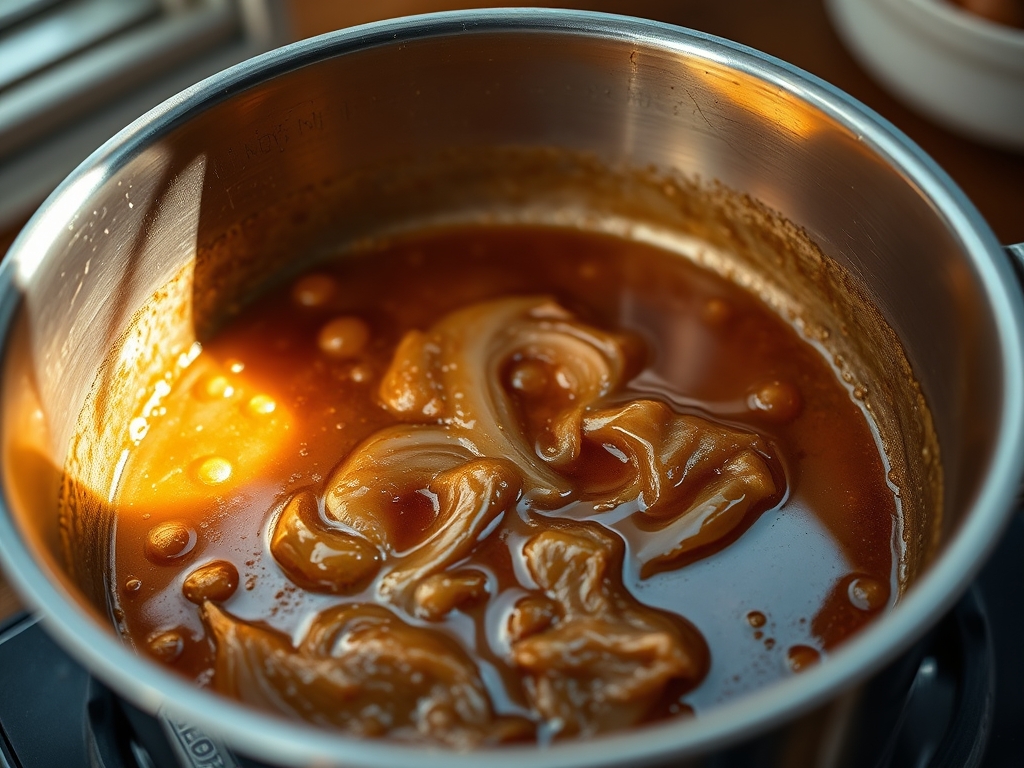
Step-by-Step Execution:
1. The Precision Slice
Uniformity is your only protection against uneven cooking. Use a sharp mandoline or a well-honed chef knife to slice the onions into consistent 3mm half-moons. Ensure every slice is identical to prevent smaller fragments from carbonizing before the bulk of the batch reaches the target temperature.
Pro Tip: Use a bench scraper to transfer your onions from the cutting board to the pan. This prevents bruising the cell walls of the onion, which keeps the juices inside until they hit the heat, ensuring a better render of sugars.
2. High-Heat Initiation
Heat your saucier or a heavy-bottomed stainless steel pan over medium-high heat. Add the oil and wait for the first wisps of smoke. Toss in the onions and stir vigorously. We are looking for immediate localized scorching on the edges of the onion strands.
Pro Tip: A saucier with sloped sides is superior to a straight-sided skillet here. The geometry allows for better steam escape, preventing the onions from boiling in their own liquid and encouraging a faster Maillard reaction.
3. The Controlled Scorch
Once the onions have softened and developed dark brown edges, reduce the heat to medium. Do not stir constantly. Allow the onions to sit against the hot metal for 45 to 60 seconds at a time to develop a deep crust, then deglaze with a tablespoon of water to lift the fond. Repeat this for 40 minutes.
Pro Tip: Use a digital scale to weigh your salt. Salt draws out moisture through osmosis, and precise seasoning at this stage ensures the onions break down into a viscous jam rather than remaining as individual strands.
4. Acid and Sugar Integration
Add the brown sugar, balsamic vinegar, and bourbon. The mixture will bubble violently. Stir with a heat-resistant spatula, scraping the bottom of the pan to incorporate all the burnt bits (the flavor gold). Continue to simmer until the liquid has reduced to a syrupy consistency that coats the back of a spoon.
Pro Tip: This is where you infuse the herbs. Adding the thyme too early results in the volatile oils evaporating; adding them now ensures the herbaceous notes survive the final reduction.
5. The Final Reduction
Lower the heat to the minimum setting. Continue to cook until the jam is dark, glossy, and thick. The onions should be completely collapsed. Perform a "swipe test" on the bottom of the pan; if the path stays clear for three seconds, the jam is done.
Pro Tip: Use an infrared thermometer to check the jam. You are looking for a final temperature of approximately 105C (221F). This is the "jam stage" where the sugar concentration is high enough to set upon cooling.
Section B: Prep & Timing Fault-Lines:
The most common failure in Burnt Onion Jam is "The Panic Pull." Chefs see the dark color and fear they have ruined the batch, pulling it off the heat before the sugars have fully transformed. If your jam tastes like raw onion and vinegar, you pulled it 15 minutes too early. Conversely, if the mixture becomes "tacky" or smells like acrid smoke, your heat was too high. Technical Fix: If you overshoot the heat, immediately add 50ml of water and stir vigorously to drop the temperature and redistribute the sugars.
THE VISUAL SPECTRUM
Section C: Thermal & Visual Troubleshooting:
Referencing the Masterclass photo, your goal is a variegated color profile. You want shades ranging from deep amber to near-black mahogany. If your jam looks pale or "blonde," you did not allow the fond to build up sufficiently between stirs. If the jam looks dull and matte rather than glossy, you likely lacked enough fat or sugar to create a proper emulsion. To fix a dull appearance, stir in a small knob of cold butter or a teaspoon of honey at the very end to aerate and brighten the finish. If the texture is too chunky, pulse it three times in a food processor to achieve a more uniform, spreadable consistency.
THE DEEP DIVE
Macro Nutrition Profile
Per 30ml (2 tbsp) serving: 85 Calories, 4g Fat, 12g Carbohydrates, 9g Sugar, 1g Protein. While high in sugar, the intensity of the flavor means a little goes a long way.
Dietary Swaps
- Vegan: Ensure the sugar is bone-char free; substitute butter with high-quality olive oil.
- Keto: Replace brown sugar with an erythritol-based gold sweetener and use apple cider vinegar with a drop of molasses extract.
- GF: Naturally gluten-free, but verify that your balsamic vinegar does not contain caramel color additives derived from wheat.
Meal Prep & Reheating Science
To maintain the molecular structure, store in an airtight glass jar. The high sugar and acid content act as natural preservatives, allowing the jam to last 3 weeks in the fridge. When reheating, do so gently in a small pan with a splash of water to loosen the pectin bonds; avoid the microwave, as it can create localized "hot spots" that will further burn the sugars and ruin the flavor.
THE KITCHEN TABLE
How do I fix jam that is too bitter?
Balance the carbon notes by adding a teaspoon of maple syrup or a squeeze of fresh lemon juice. The acid cuts through the bitterness, while the additional sugar rounds out the harsh edges of the scorched alliums.
Can I use white onions instead?
You can, but white onions have a higher water content and lower sugar density. You will need to extend the cooking time by 15 percent to achieve the same level of caramelization and depth found in yellow onions.
Why is my jam watery after cooling?
This indicates you did not reach the "jam stage" temperature. Put it back in the pan and reduce it further. The mixture must be thick enough to hold its shape on a spoon before you call it finished.
What is the best way to store this?
Use a sterilized glass jar. The acidity of the balsamic can react with plastic containers over time, affecting the flavor. Glass ensures the piquant and smoky notes remain pure for the duration of its shelf life.