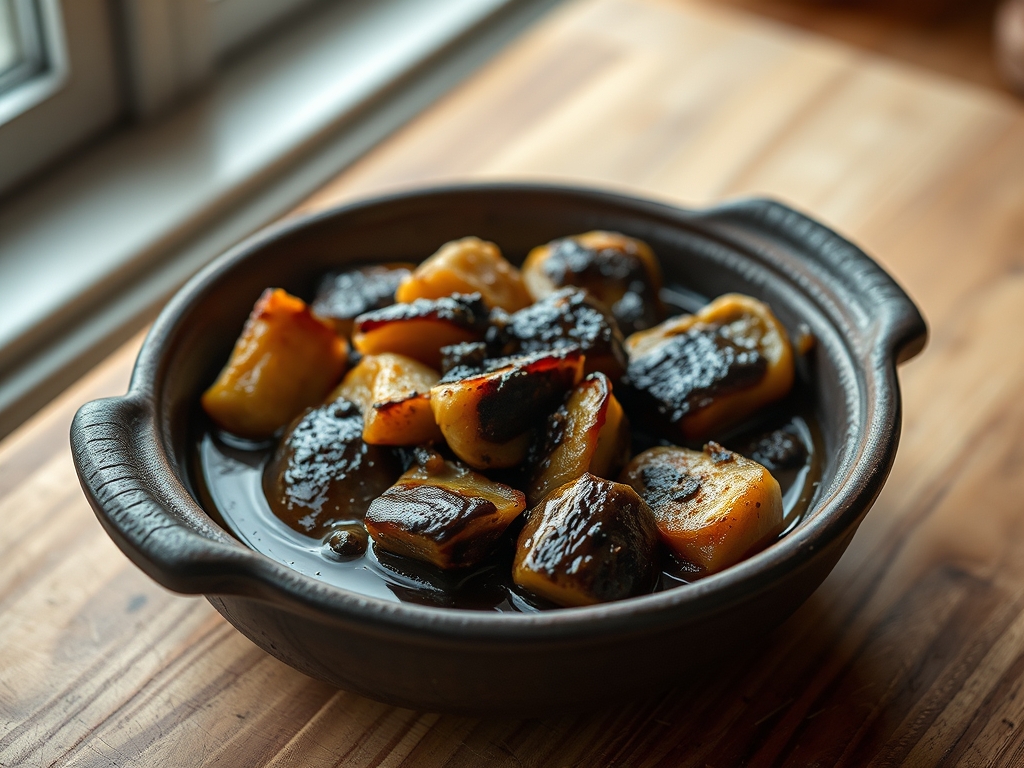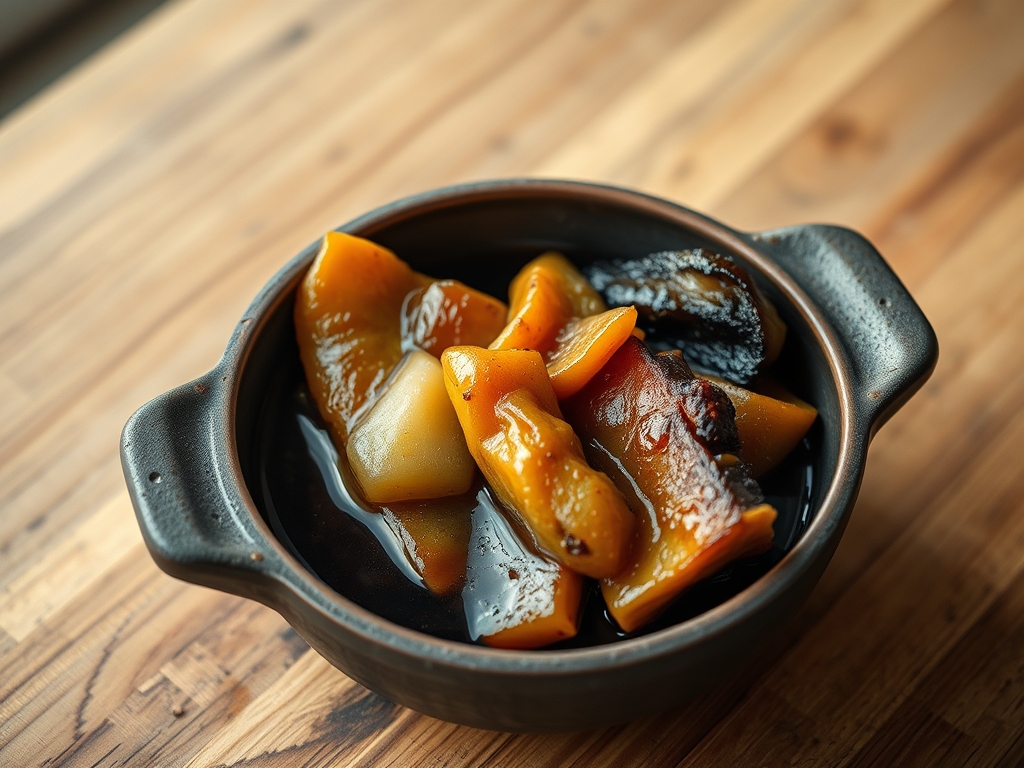
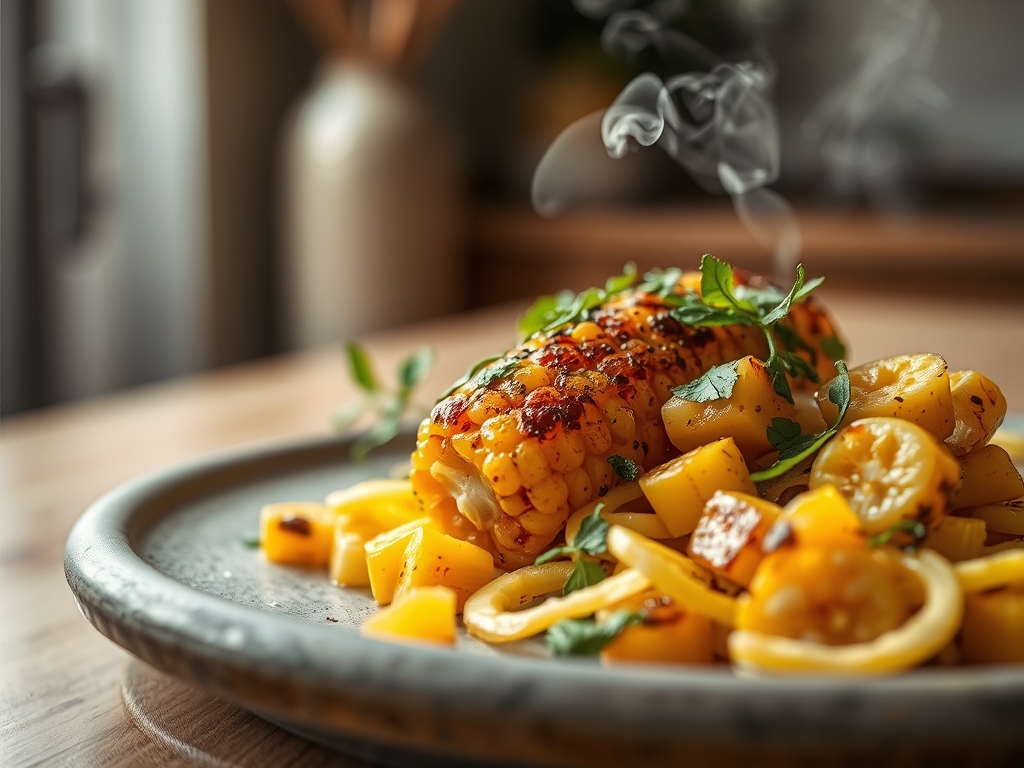
Listen to the sound of a thousand tiny steam explosions. That is the symphony of the kernel under duress. When raw sweet corn meets an unyielding heat source, we are not just cooking; we are conducting a high-stakes thermal audit of the vegetable kingdom. The objective is clear: transform simple fructose into a complex, bitter-sweet carbon shell that shatters against the palate. This process requires precise Scorched Corn Data to navigate the narrow corridor between "perfectly charred" and "inedible debris." We are looking for the exact moment when the natural sugars undergo pyrolysis, creating those deep, umami-heavy notes that define elite street food. It is a violent, beautiful transition. The air fills with the scent of toasted grain and caramelized sugar as the moisture within each cell reaches a critical pressure point. If you miss the window by even ten seconds, the delicate balance of sweetness and smoke collapses into a chalky, acrid failure. Prepare your stations. We are about to weaponize the Maillard reaction.
THE DATA MATRIX
| Metric | Specification |
|---|---|
| Prep Time | 15 Minutes |
| Execution Time | 12 Minutes |
| Yield | 4 Servings |
| Complexity | 7/10 |
| Estimated Cost per Serving | $1.85 |
THE GATHERS
Ingredient Protocol:
- 4 Large Ears / 800g Fresh Sweet Corn (Shucked and cleaned)
- 60ml / 4 tbsp Unsalted High-Fat Butter (Room temperature)
- 5g / 1 tsp Smoked Paprika (Piquant grade)
- 3g / 0.5 tsp Flaky Sea Salt
- 15ml / 1 tbsp Neutral Oil (Grape seed or Avocado)
- 30g / 0.25 cup Cotija Cheese (Crumbled)
- 10g / 2 tbsp Fresh Cilantro (Fine chiffonade)
- 1 Lime / 45ml Juice (Freshly squeezed)
Section A: Ingredient Quality Audit:
The primary failure point in this infrastructure is starchy corn. If your kernels feel doughy or lack a "snap" when pressed with a fingernail, the sugars have already converted to starch. To fix this, infuse the corn in a light sugar-water bath for ten minutes before drying thoroughly. If your butter is too low in milk solids, it will break rather than brown; always opt for European-style butter with at least 82 percent fat content. For the cheese, if Cotija is unavailable, do not substitute with a melting cheese like Mozzarella. Use a dry, salty alternative like Ricotta Salata or a firm Feta to maintain the structural integrity of the topping.
THE MASTERCLASS
1. Surface Preparation and Moisture Control
Before the corn touches the heat, it must be bone dry. Use a clean kitchen towel to remove every trace of surface moisture. Any residual water will create a steam barrier, preventing the high-temperature contact needed for charring. Apply a thin, even coat of neutral oil using a silicone pastry brush to ensure total coverage.
Pro Tip: This is about thermal conductivity. Water absorbs massive amounts of energy to evaporate; by removing it, you allow the heat to immediately begin the pyrolysis of the corn's outer skin. Use a digital scale to ensure your oil application is consistent across all ears.
2. High-Velocity Thermal Application
Place the corn directly onto a preheated cast iron skillet or a high-BTU grill. Do not crowd the pan. You need airflow to prevent the corn from "stewing" in its own juices. Listen for the "pop" which indicates the internal moisture is expanding and softening the starch within the kernel.
Pro Tip: Use a heavy-duty kitchen timer to track rotation intervals. You are looking for a 90-degree turn every 2 to 3 minutes. This ensures an even distribution of the Scorched Corn Data across the entire circumference of the cob.
3. Emulsifying the Flavor Matrix
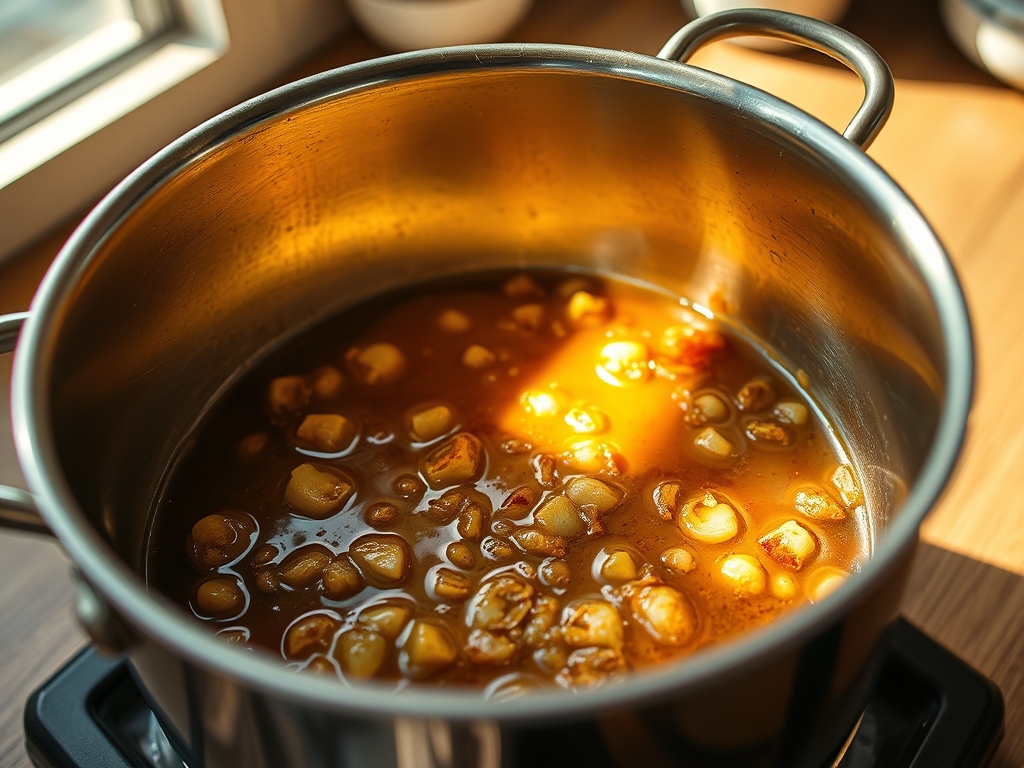
Once the char is achieved, remove the corn from the heat and immediately apply the room-temperature butter. The residual heat will render the fat, allowing it to seep into the crevices between the charred kernels. Dust with the paprika and salt while the butter is still viscous.
Pro Tip: A saucier can be used to pre-melt the butter with the spices if you prefer a more uniform coating. This creates a stable emulsion that clings to the scorched surface rather than dripping off into the abyss of the plate.
4. The Final Acidic Integration
Finish the dish with a heavy hand of lime juice and the crumbled cheese. The acid from the lime will deglaze the palate, cutting through the richness of the butter and the bitterness of the char. The cheese provides a textural contrast that rounds out the sensory profile.
Pro Tip: Use a bench scraper to clean your workspace and gather any fallen kernels or cheese crumbles for a clean, professional presentation. The contrast between the bright white cheese and the blackened corn is your primary visual indicator of success.
Section B: Prep & Timing Fault-Lines:
The most common human error is premature rotation. If you move the corn too early, the sugars will stick to the pan rather than caramelizing on the kernel. If the heat is too low, the corn will become tough and rubbery before it browns. Use an infrared thermometer to ensure your cooking surface is at least 450 degrees Fahrenheit before beginning the process. If you find the corn is drying out, a light misting of water midway through can provide enough steam to cook the interior without ruining the exterior char.
THE VISUAL SPECTRUM
Section C: Thermal & Visual Troubleshooting:
Look closely at the Masterclass photo. You should see "leopard spotting" on the kernels; distinct black circles surrounded by deep gold. If your corn looks uniform brown, the heat was too low. If it looks grey, you have steamed it. To fix uneven browning, ensure the corn is making full contact with the pan; sometimes a heavy press or another cast iron skillet placed on top can help flatten the surface area. If the colors are dull, increase the acidity. A fresh squeeze of lime acts like a "polish" for the charred surfaces, making the Scorched Corn Data pop against the plate.
THE DEEP DIVE
Macro Nutrition Profile:
One serving (one ear) contains approximately 180 calories. This includes 14g of healthy fats from the butter and cheese, 22g of complex carbohydrates, and 4g of protein. The fiber content remains high at 3g, which aids in the slow release of the corn's natural sugars.
Dietary Swaps:
- Vegan: Replace butter with a high-quality coconut oil or avocado oil and use a nut-based "feta" or nutritional yeast.
- Keto: Corn is naturally higher in carbs, but you can minimize the impact by reducing the portion size and increasing the fat content via extra butter or avocado slices.
- GF: This recipe is naturally gluten-free; just ensure your smoked paprika is not processed in a facility with wheat.
Meal Prep & Reheating Science:
To maintain the molecular structure, do not microwave. Reheat in a 400-degree oven for 5 minutes. This prevents the kernels from becoming "soggy" by re-crisping the outer carbon layer. Store the cheese and lime separately until the moment of consumption to prevent the corn from absorbing excess moisture.
THE KITCHEN TABLE
Why does my corn taste bitter instead of sweet?
You have likely crossed the line from charring to incineration. If the kernels are completely black and ashy, the carbon has overwhelmed the fructose. Aim for "leopard spots" rather than total coverage to keep the sweetness intact.
Can I use frozen corn for this?
Yes, but you must thaw and dry it completely. Frozen corn has compromised cell walls, so it will release more water. Use a very hot pan and smaller batches to ensure the moisture evaporates instantly.
What is the best way to remove the silk?
Use a stiff-bristled vegetable brush under cold running water. Any remaining silk will burn instantly and create an unpleasant "burnt hair" aroma that ruins the delicate Scorched Corn Data you are trying to build.
How do I know when the corn is done?
The kernels should look plump and slightly translucent in the yellow areas, while the charred areas should be matte black. A quick "poke" test with a paring knife should meet very little resistance in the center.