Listen up, kitchen architects. We are not just cooking dinner; we are managing a high-stakes structural collapse. When you drop raw, rubbery cephalopod into a boiling cauldron, you are initiating a violent contraction of collagen fibers. Without the proper intervention, you end up with something resembling a discarded tire. But when executed with precision, Charred Octopus Tentacles become the ultimate trophy of the culinary world. We are talking about a texture that is impossibly tender on the interior while maintaining a shattered-glass crispness on the outer suction cups. This is where the Maillard reaction meets hydraulic pressure. You want that deep, mahogany crust and that piquant aroma that signals a perfect chemical transition from raw protein to charred excellence. We are auditing every single variable in the process, from the initial enzymatic breakdown to the final high-heat sear. If you are looking for mediocre seafood, go to a pier-side tourist trap. If you want to master the technical infrastructure of the ocean's most stubborn muscle, stay exactly where you are.
THE DATA MATRIX
| Metric | Specification |
|---|---|
| Prep Time | 20 Minutes |
| Execution Time | 90 Minutes |
| Yield | 4 Servings |
| Complexity | 7/10 |
| Estimated Cost per Serving | $14.50 – $18.00 |
THE GATHERS
Ingredient Protocol:
- 1.5 kg / 3.3 lbs Whole Octopus (cleaned, beak removed)
- 500 ml / 2 cups Dry White Wine (Albariño or Pinot Grigio)
- 1 large White Onion (halved)
- 3 cloves Garlic (smashed)
- 2 Bay Leaves
- 15 g / 1 tbsp Black Peppercorns
- 60 ml / 4 tbsp Extra Virgin Olive Oil
- 5 g / 1 tsp Smoked Paprika (Pimentón de la Vera)
- 1 Lemon (zested and juiced)
- 10 g / 2 tsp Flaky Sea Salt
Section A: Ingredient Quality Audit:
If your octopus arrives with a fishy, ammonia-like scent, the structural integrity is already compromised. Freshness is binary; it is either oceanic and clean or it is trash. If you are forced to use frozen product, do not panic. In fact, freezing helps break down the tough connective tissues through ice crystal formation. This acts as a mechanical tenderizer. If your olive oil lacks that peppery bite, it will fail to infuse the charred exterior with the necessary depth. Swap it for a high-quality, cold-pressed oil to ensure the fat profile stands up to the smoke.
THE MASTERCLASS
Step-by-Step Execution:
1. The Low-Moisture Braise
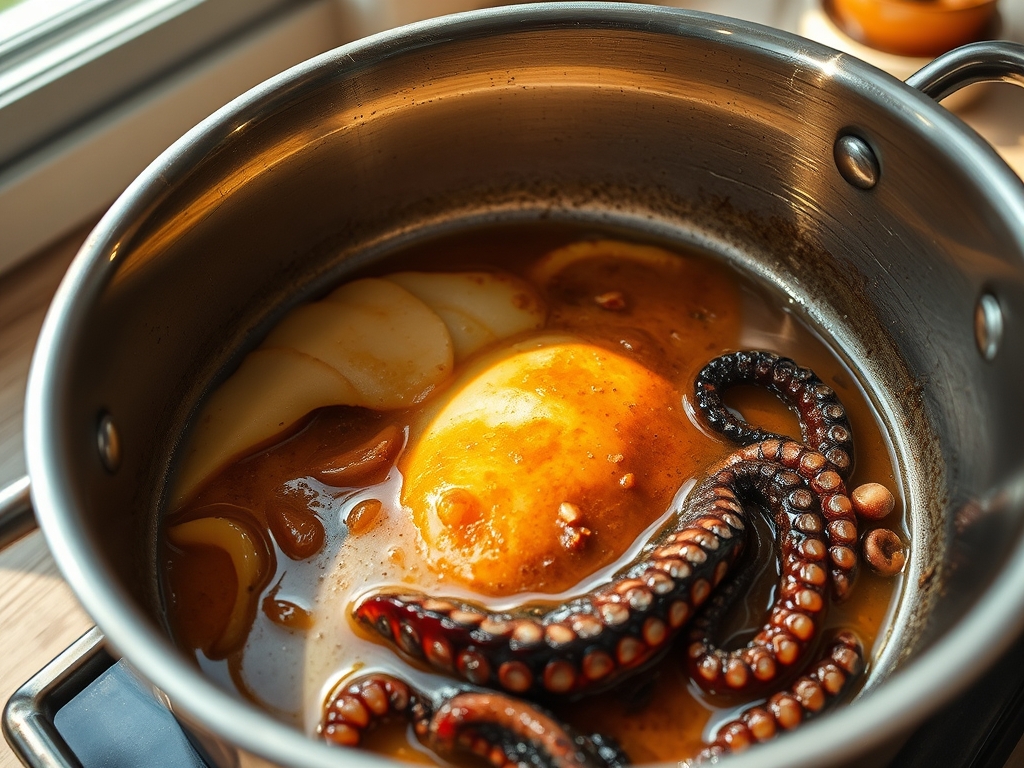
Place the octopus in a heavy-bottomed saucier or Dutch oven. Do not add water. The octopus is roughly 80 percent liquid and will render its own natural juices as it heats. Add the wine, onion, garlic, peppercorns, and bay leaves. Cover tightly and simmer on low heat for 45 to 60 minutes.
Pro Tip: Use a digital scale to weigh down the lid if it is too light. Maintaining a pressurized environment ensures the steam penetrates the thickest part of the tentacles, breaking down the triple-helix collagen structure into gelatin.
2. The Tenderness Audit
After 45 minutes, use a paring knife to pierce the thickest part of the tentacle. It should slide in with zero resistance. If there is any "snap" or bounce-back, the muscle fibers have not yet relaxed. Once tender, remove the pot from the heat and let the octopus cool completely in its own poaching liquid.
Pro Tip: Cooling in the liquid allows the octopus to reabsorb some of the viscous juices it lost during the contraction phase. This prevents the meat from becoming stringy or dry.
3. Surface Dehydration
Remove the octopus and pat it dry with surgical precision. Use a bench scraper to portion the tentacles if you are working with a massive specimen. Place the tentacles on a wire rack and refrigerate for at least 30 minutes. This dries the skin, which is essential for a crisp finish.
Pro Tip: Moisture is the enemy of the Maillard reaction. If the surface is wet, the energy from your pan will go toward evaporating water rather than browning the protein.
4. The High-Heat Infrastructure
Heat a cast-iron skillet until it is screaming hot. Add a high-smoke-point oil. Lay the tentacles in the pan, pressing down slightly to maximize surface contact. Sear for 2 to 3 minutes per side until the suction cups are blackened and crispy.
Pro Tip: This is the "scorched" phase. You are looking for a localized char that provides a bitter, smoky counterpoint to the sweet, tender meat inside.
5. The Final Infusion
In a small bowl, whisk together the olive oil, smoked paprika, lemon juice, and zest. Toss the hot tentacles in this mixture immediately after they leave the pan. The residual heat will aerate the aromatics in the paprika and lemon.
Pro Tip: Use a digital scale to measure your spices. Precision in the acid-to-fat ratio ensures the final glaze is perfectly balanced and does not overwhelm the delicate flavor of the seafood.
Section B: Prep & Timing Fault-Lines:
The most common failure is rushing the cooling process. If you move a hot octopus directly to a hot pan, the skin will slough off in a messy, gelatinous heap. Patience is a technical requirement. Furthermore, if your poaching liquid is at a rolling boil rather than a gentle simmer, the exterior will disintegrate before the interior is cooked. Control your BTUs like a professional.
THE VISUAL SPECTRUM
Section C: Thermal & Visual Troubleshooting:
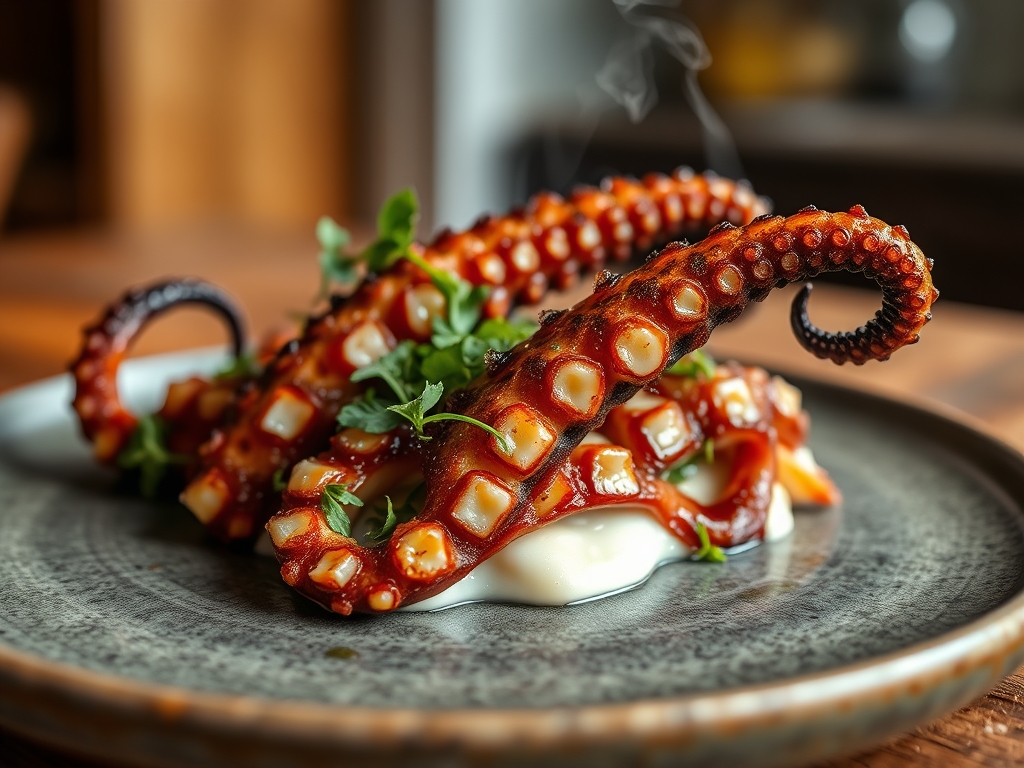
Referencing our masterclass photo, you are looking for a specific aesthetic: the "charred lace" effect. If your tentacles look grey or pale, your pan temperature was too low. You need that aggressive, mahogany browning. If the suction cups are falling off, you over-poached the specimen; next time, reduce the braise time by 10 minutes. The photo shows a vibrant, glistening finish which is achieved by the final toss in the viscous paprika oil. If your dish looks dull, you likely skipped the dehydration step in the fridge, resulting in a steamed rather than seared texture.
THE DEEP DIVE
Macro Nutrition Profile:
Octopus is a nutritional powerhouse for the high-performance kitchen. A 150g serving provides approximately 25g of protein with less than 2g of fat. It is exceptionally high in Vitamin B12 and selenium. By controlling the amount of olive oil used in the final glaze, you can keep the caloric density low while maintaining high satiety.
Dietary Swaps:
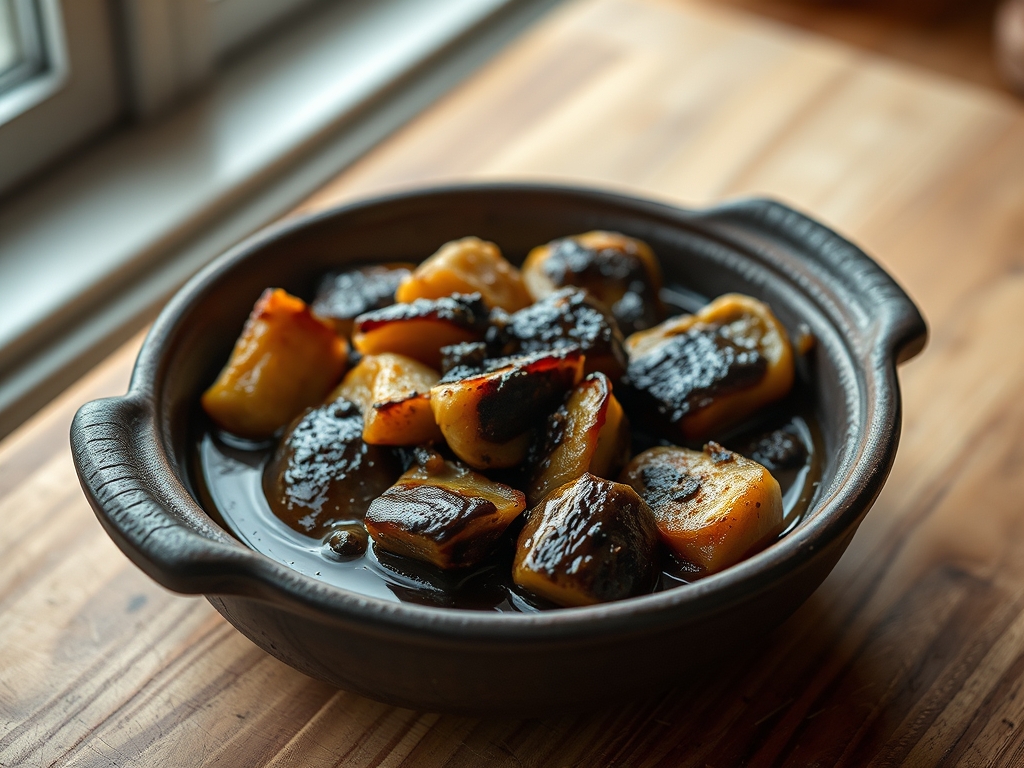
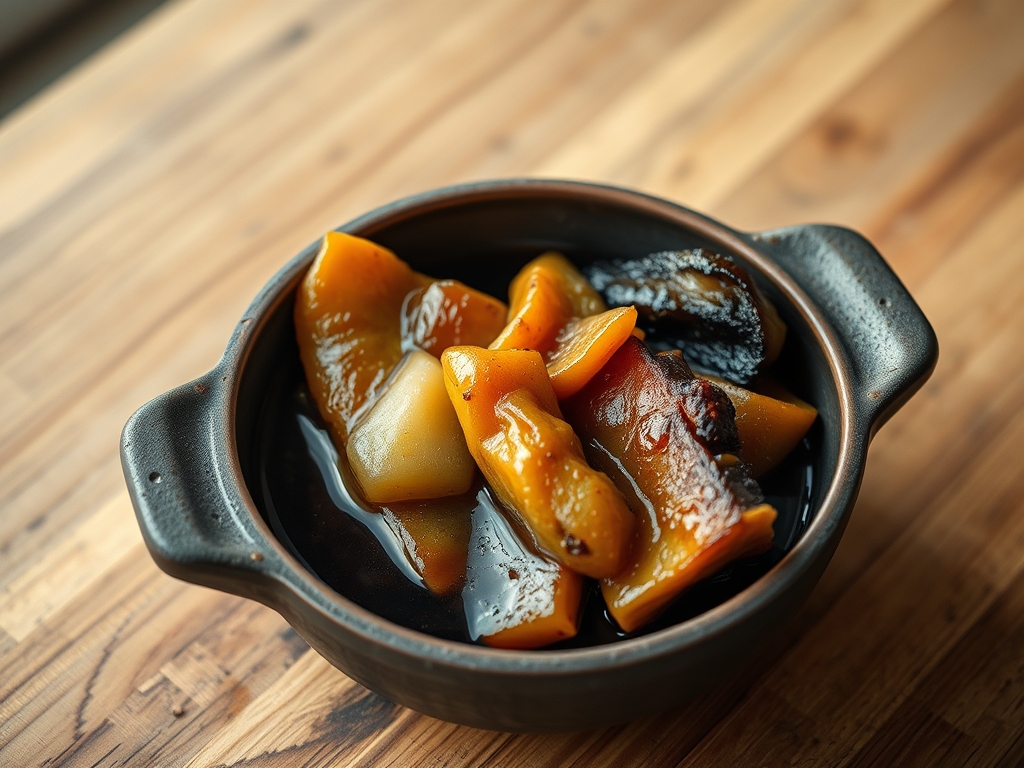
- Vegan: There is no direct molecular substitute for cephalopod, but king oyster mushroom stalks, sliced and scored, can be poached and charred using the same infrastructure.
- Keto: This recipe is naturally keto-compliant. Ensure the white wine used in poaching is bone-dry to minimize residual sugars.
- GF: This dish is naturally gluten-free. Just ensure your smoked paprika is not bulked with flour-based anti-caking agents.
Meal Prep & Reheating Science:
To maintain the molecular structure, do not microwave. Reheating octopus in a microwave will turn it into a rubber eraser. Instead, deglaze a pan with a splash of water or wine, add the tentacles, and cover for 2 minutes over medium heat. This gently steams the interior without toughening the fibers.
THE KITCHEN TABLE
Why is my octopus still rubbery after an hour?
You likely didn't reach the "collagen melt" temperature. Continue poaching. Some older, larger specimens require up to 90 minutes to fully transition from tough muscle to tender gelatin. Trust the knife test, not the clock.
Can I skip the poaching and go straight to the grill?
Absolutely not. Direct high heat on raw octopus causes the fibers to contract so violently they become inedible. You must break down the structural proteins through a slow, moist-heat braise before finishing with a sear.
Do I need to peel the purple skin off?
Negative. The skin contains the pigment and flavor compounds that define the dish. When properly charred, the skin becomes a crispy, savory crust. Only remove it if it has become unpleasantly slimy from overcooking.
What is the best way to store leftovers?
Store in an airtight container for up to 2 days. For the best results, slice the cold tentacles thin and serve them in a chilled salad with lemon and parsley rather than attempting to recreate the char.