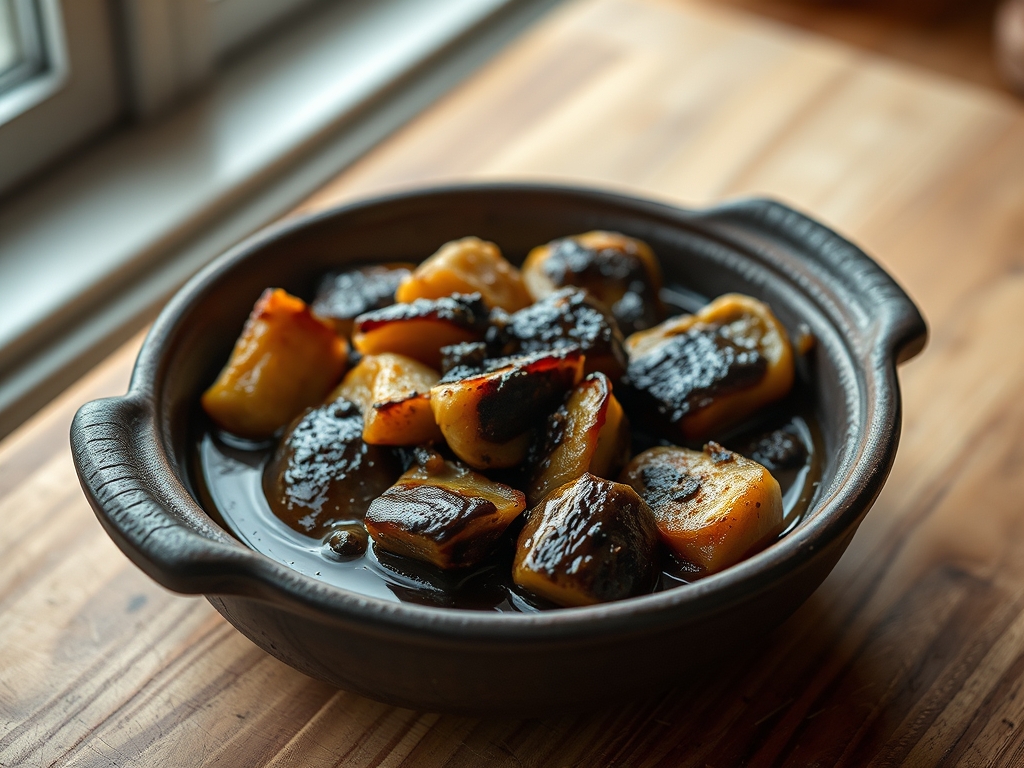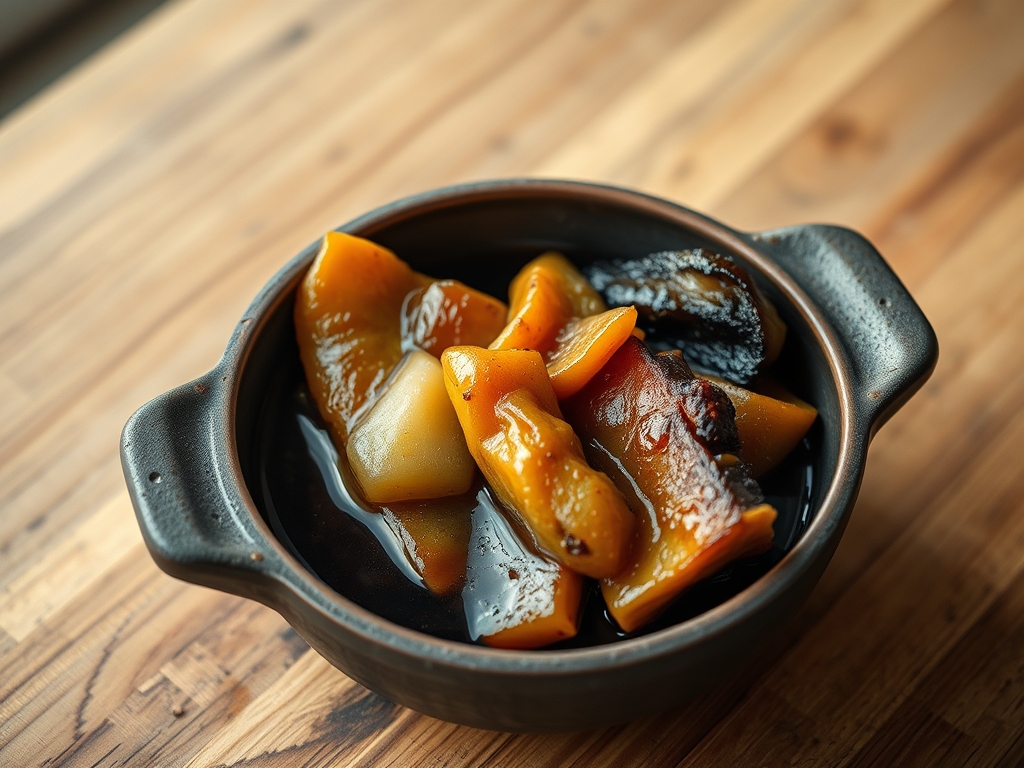
Listen to the sound of high-octane culinary engineering. It is the rhythmic hiss of moisture escaping fibrous layers and the sharp, metallic snap of a cast iron pan hitting a 500-degree burner. We are not just cooking vegetables; we are conducting a structural overhaul of the Allium ampeloprasum. When you commit to Charred Leek Hearts, you are signing off on a thermal transformation that turns rigid, woody cylinders into molten, buttery cylinders of concentrated sweetness. The goal is a violent exterior contrast against a core that has undergone complete cellular collapse. Most amateur attempts result in a soggy, pale mess or a bitter, carbonized husk. We demand better. We demand a precise Maillard reaction that creates a smoky crust while the internal sugars undergo deep caramelization. This is the technical audit of heat, pressure, and timing. If your kitchen smells like a campfire and a candy factory simultaneously, you have successfully breached the perimeter. Prepare your station; we are about to render these stalks into edible gold.
THE DATA MATRIX
| Metric | Specification |
|---|---|
| Prep Time | 15 Minutes |
| Execution Time | 25 Minutes |
| Yield | 4 Servings |
| Complexity | 6 / 10 |
| Estimated Cost per Serving | $2.25 USD |
THE GATHERS
Ingredient Protocol:
- 4 Large Leeks (White and light green parts only) / approx. 800g
- 60ml / 1/4 cup Extra Virgin Olive Oil
- 45g / 3 tbsp Unsalted Butter (High fat content preferred)
- 5g / 1 tsp Flaky Sea Salt
- 2g / 1/2 tsp Freshly Cracked Black Pepper
- 15ml / 1 tbsp Sherry Vinegar (to deglaze)
- 3g / 1 tbsp Fresh Thyme Leaves
Section A: Ingredient Quality Audit:
The primary failure point in leek procurement is "silt infiltration." If your leeks feel gritty, your audit is compromised. To fix sub-par, dry materials, utilize a 10-minute cold water submersion post-cut to rehydrate the cellular walls. If the leeks are overly thick and fibrous, increase your fat ratio during the sear to ensure the heat penetrates the core before the exterior burns. Never use leeks with yellowing outer skins; these indicate a loss of volatile oils and a piquant bitterness that no amount of butter can mask.
THE MASTERCLASS
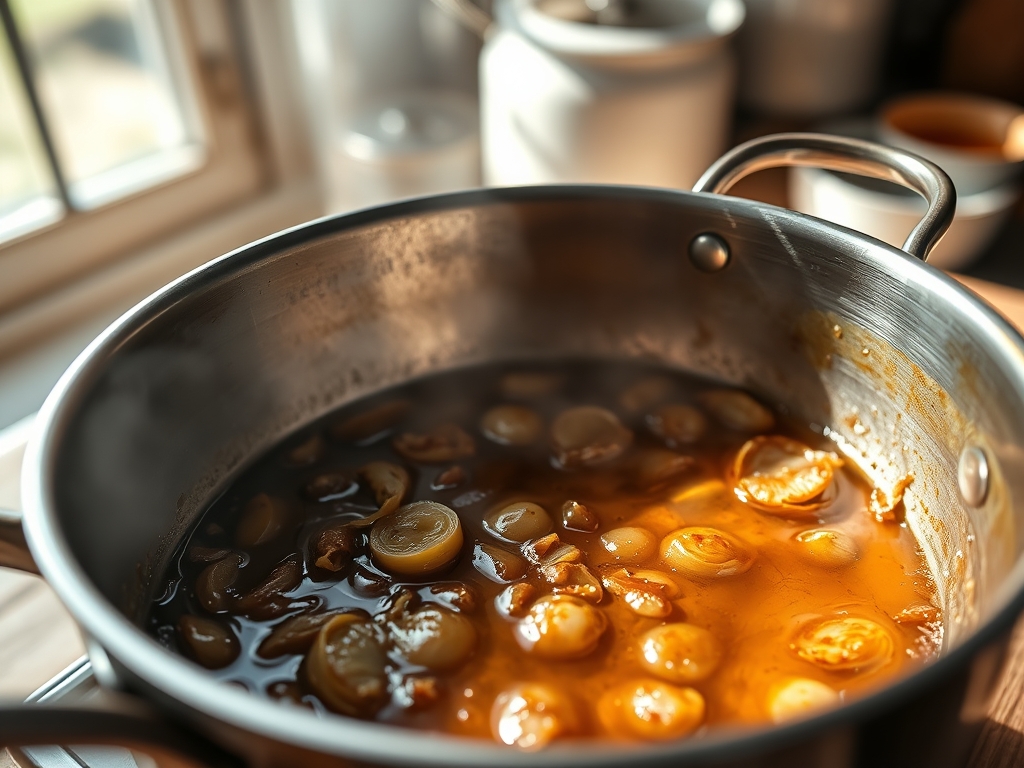
1. The Cylindrical Extraction
Trim the dark green tops and the root ends. Slice the remaining white and light green stalks into uniform 3-inch cylinders. Use a sharp chef's knife to ensure clean cuts; ragged edges will burn unevenly. Use a digital scale to ensure each segment is within a 5-gram variance for thermal consistency.
Pro Tip: Uniformity is the backbone of thermal dynamics. Using a bench scraper to move your prepared cylinders prevents bruising the delicate outer layers before they hit the pan.
2. The High-Heat Deployment
Place a heavy-bottomed saucier or cast iron skillet over medium-high heat. Add the olive oil. Once the oil begins to shimmer (approximately 190C), place the leeks cut-side down. Do not crowd the pan; airflow is essential to prevent steaming.
Pro Tip: This is the "searing phase." Do not move the leeks for at least 4 minutes. You are looking for a deep, mahogany crust. Moving them prematurely disrupts the formation of the Maillard compounds.
3. The Butter Emulsion and Deglaze
Reduce heat to medium. Add the cold butter and thyme. As the butter begins to render and foam, use a large spoon to continuously baste the leeks. Once the butter turns a nutty brown, add the sherry vinegar to deglaze the pan, scraping up any browned bits.
Pro Tip: Basting creates a convective heat environment. The hot fat penetrates the layers, ensuring the interior becomes viscous and tender while the exterior maintains its structural integrity.
4. The Final Softening
Cover the pan with a tight-fitting lid for the final 5 minutes of cooking. This traps the residual steam and vinegar vapors, finishing the softening process of the innermost "heart" of the leek.
Pro Tip: Use an instant-read thermometer to check the internal temperature. You are targeting 95C (203F) for maximum starch-to-sugar conversion.
Section B: Prep & Timing Fault-Lines:
The most common human error is "thermal impatience." If you crank the heat to maximum, the exterior will carbonize while the interior remains raw and sulfurous. Conversely, low heat leads to a "boiled" texture. If you find your leeks are browning too fast, add a splash of water or stock to drop the pan temperature instantly. Monitor your digital scale measurements; if the leeks vary in diameter, the smaller ones must be extracted early to avoid over-softening.
THE VISUAL SPECTRUM
Section C: Thermal & Visual Troubleshooting:
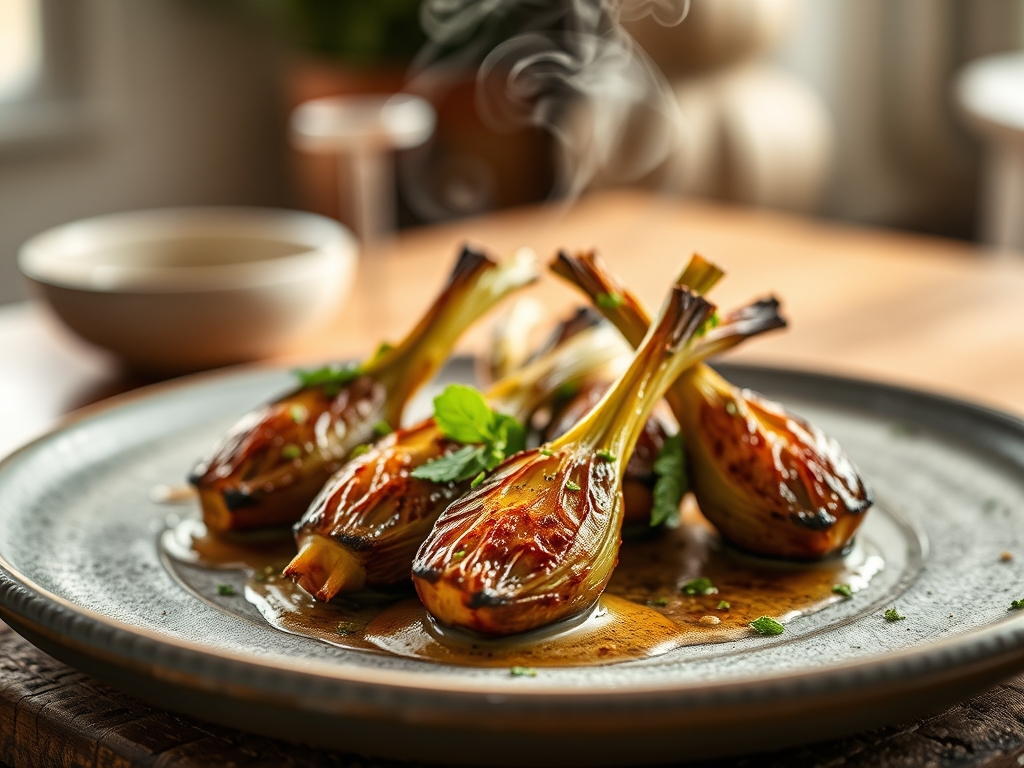
Referencing the Masterclass photo, your Charred Leek Hearts should exhibit a "gradient of transformation." The outermost layer should be dark, almost black in concentrated spots, while the inner rings should transition from a golden tan to a translucent, creamy white. If your leeks look dull or grey, you likely lacked enough fat during the basting phase. If the centers are popping out (the "telescope effect"), your heat was too high, causing internal steam pressure to eject the core. To fix a dull appearance, finish with a high-quality finishing oil to infuse a glossy sheen and boost the piquant flavor profile.
THE DEEP DIVE
Macro Nutrition Profile:
A standard serving provides approximately 180 calories, 14g of healthy fats (primarily monounsaturated from the olive oil), 12g of carbohydrates, and 2g of fiber. Leeks are rich in kaempferol, a polyphenol that protects blood vessels.
Dietary Swaps:
- Vegan: Replace the butter with a high-quality vegan buttery spread or additional avocado oil.
- Keto: This dish is naturally low-carb; ensure you do not use balsamic vinegar, which has higher sugar content than sherry vinegar.
- GF: Naturally gluten-free. Ensure your sherry vinegar is certified if you have high sensitivity.
Meal Prep & Reheating Science:
To maintain the molecular structure during reheating, avoid the microwave. The rapid agitation of water molecules will turn the tender hearts into mush. Instead, reheat in a 350F oven for 8 minutes. This preserves the exterior "char" while gently warming the viscous interior.
THE KITCHEN TABLE
Why are my leeks stringy?
You likely skipped the "steaming" phase or used the dark green tops. The tops contain significantly more cellulose and lignin, which do not break down at these temperatures. Stick to the white hearts for a melt-in-the-mouth texture.
Can I use a different vinegar?
Yes, but avoid heavy, syrupy vinegars. Apple cider vinegar or white wine vinegar works well. The goal is to provide an acidic counterpoint to the rich, fatty butter and the natural sugars of the charred leek.
What if I don't have a cast iron pan?
A stainless steel saucier is your next best bet. Avoid non-stick pans for this specific audit; they cannot safely reach the temperatures required to achieve a true, professional-grade char without damaging the coating.
How do I get the grit out without cutting them?
You can't. The "fan" method is best: slice the leeks lengthwise (leaving the root intact), fan the layers under running water, then proceed with your cylindrical cuts. Cleanliness is a non-negotiable metric in this infrastructure.