The kitchen is a battlefield where the primary objective is the strategic deployment of the Maillard reaction. We are not just cooking; we are orchestrating a high-stakes collision between amino acids and reducing sugars. When you introduce a Burnt Miso Glaze to the equation, you are playing with fire in the most literal sense. This is the infrastructure of flavor. It is the piquant, salty, and deeply umami coating that transforms a piece of protein from a mere caloric requirement into a structural masterpiece of culinary engineering. You want that specific, controlled char. You want the sugars to reach the edge of combustion without falling into the abyss of bitterness. It requires a fundamental understanding of how fermented soy paste behaves under intense thermal pressure. We are looking for a glaze that is viscous enough to cling to a surface but fluid enough to caramelize evenly. If you miss the mark, you end up with a sticky, acrid mess. If you hit it, you achieve a level of depth that defines modern high-end gastronomy.
THE DATA MATRIX
| Metric | Specification |
|---|---|
| Prep Time | 10 Minutes |
| Execution Time | 15 Minutes |
| Yield | 350ml (Approx. 1.5 Cups) |
| Complexity | 6 / 10 |
| Estimated Cost per Serving | $0.85 |
THE GATHERS
Ingredient Protocol:
- 200g / 0.75 cup Shiro (White) Miso Paste
- 100ml / 0.4 cup Mirin (Hon-Mirin preferred)
- 50ml / 0.2 cup Sake
- 60g / 4 tbsp Unrefined Cane Sugar
- 15ml / 1 tbsp Toasted Sesame Oil
- 10g / 2 tsp Freshly Grated Ginger
- 5ml / 1 tsp Rice Vinegar (unseasoned)
Section A: Ingredient Quality Audit:
The most common point of failure in this infrastructure is the quality of the miso. If your paste is overly salty or contains high levels of preservatives, the glaze will break under heat. If you find your miso is too grainy, you must aerate the mixture using a high-speed immersion blender to ensure a smooth emulsion. If using a low-quality Mirin (often labeled as "Mirin-style" seasoning), the high corn syrup content will cause the glaze to burn prematurely. To fix this, reduce the added cane sugar by 20 percent to compensate for the synthetic sweeteners. If the ginger is fibrous and dry, do not simply chop it; use a microplane to create a paste that will infuse the liquid phase without leaving woody shards in the final reduction.
THE MASTERCLASS
1. The Liquid Integration
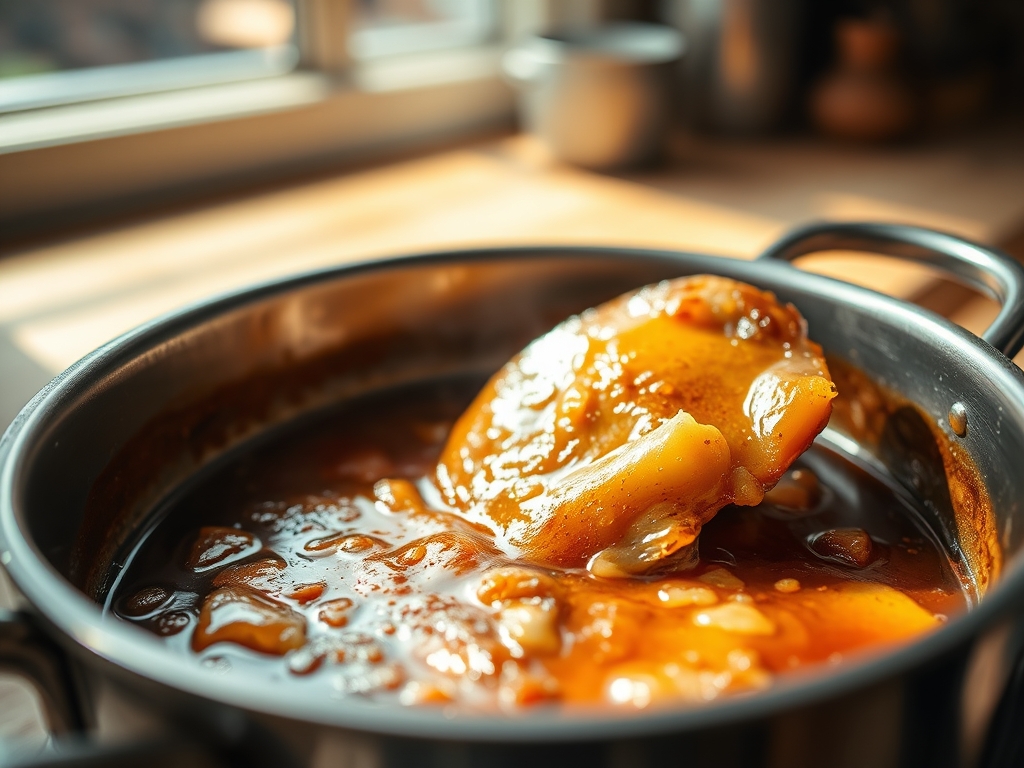
Combine the sake and mirin in a heavy-bottomed saucier. Place the vessel over medium-high heat and bring the mixture to a rapid simmer for two minutes. This step is critical to burn off the raw alcohol esters while concentrating the natural sugars.
Pro Tip: Use a digital scale for your measurements rather than volume cups. Precision in the alcohol-to-sugar ratio ensures that the glaze reaches the correct boiling point for optimal sugar polymerization.
2. The Umami Suspension
Reduce the heat to low and whisk in the miso paste and cane sugar. It is vital to use a silicone-coated whisk to prevent scratching the pan while ensuring every gram of paste is fully incorporated into the liquid. Continue to stir until the sugar crystals have completely dissolved and the mixture is uniform.
Pro Tip: If the miso begins to clump, use a bench scraper to press the paste against the side of the saucier before whisking. This mechanical shearing breaks down the protein clusters for a more viscous finish.
3. The Emulsification Phase
Slowly drizzle in the toasted sesame oil while whisking constantly. This creates a stable emulsion between the water-based miso and the fats. Add the grated ginger and rice vinegar last to preserve their volatile aromatic compounds.
Pro Tip: A stable emulsion is the difference between a glaze that coats and a glaze that slides off. Use an immersion blender for sixty seconds if the oil begins to pool at the surface.
4. The Thermal Application
Apply the glaze to your protein of choice (black cod, pork belly, or eggplant) using a silicone pastry brush. Place the item under a broiler or in a high-heat oven at 230C (450F). Watch for the moment the surface begins to bubble and darken into a deep mahogany.
Pro Tip: Use an infrared thermometer to monitor the surface temperature of the glaze. You are aiming for a surface temp of 160C (320F) to trigger the final stage of the Maillard reaction without carbonizing the sugars.
Section B: Prep & Timing Fault-Lines:
Timing is the silent killer. If you apply the glaze too early in the roasting process, the sugars will burn before the interior of the protein reaches a safe temperature. The solution is the "Two-Stage Application" protocol. Cook the protein to 75 percent doneness, then apply the glaze for the final 5 minutes of high-heat exposure. If the glaze is too thick to brush, do not add water; instead, deglaze a small amount of sake into the mixture to loosen the texture without sacrificing flavor density.
THE VISUAL SPECTRUM
Section C: Thermal & Visual Troubleshooting:
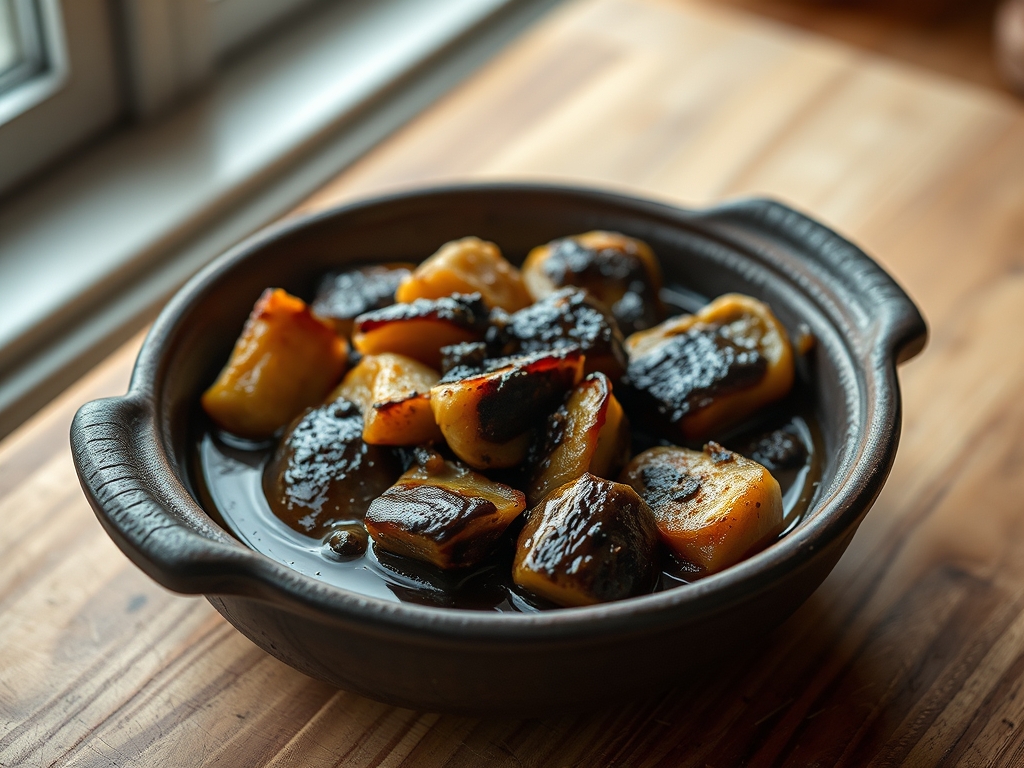
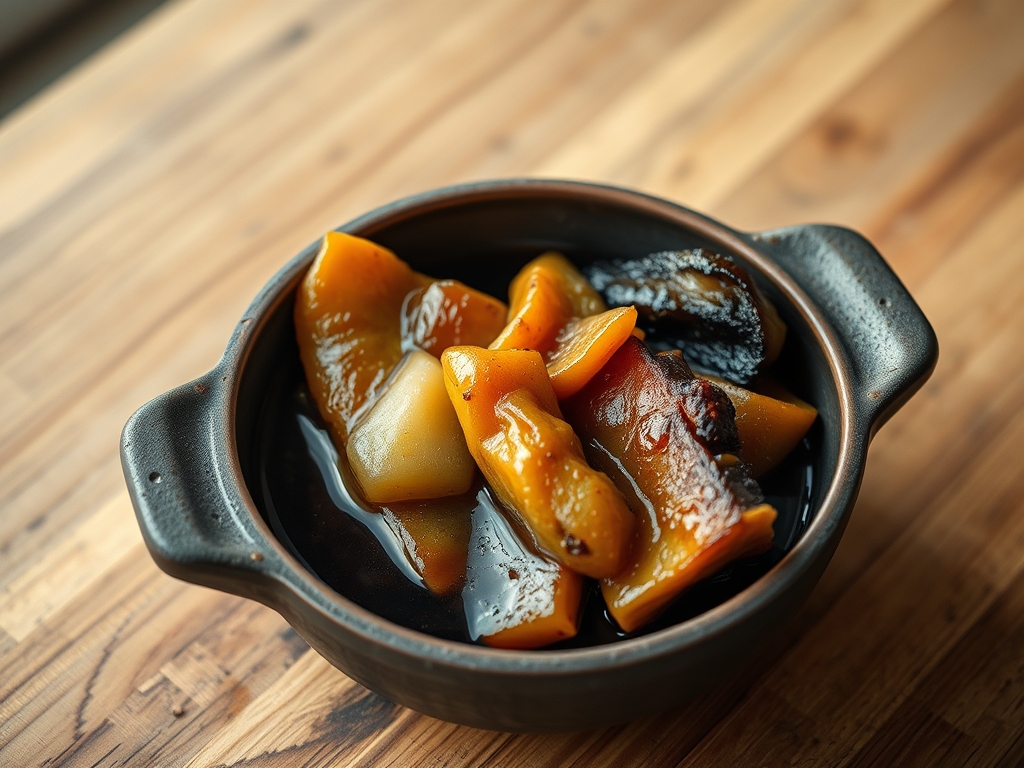
Look closely at the reference image. You should see a variegated landscape of colors ranging from honey-gold to near-black. This is the "Burnt" signature. If your glaze looks dull and matte, you likely lacked enough fat or sugar; a quick brush of neutral oil before broiling can restore the sheen. If the browning is uneven, it indicates "hot spots" in your oven or an uneven application of the paste. Ensure the layer is consistent in thickness. If the glaze is sliding off the protein, the surface was likely too wet. Pat your protein dry with paper towels before the first application to ensure a proper molecular bond between the glaze and the substrate.
THE DEEP DIVE
Macro Nutrition Profile
Per 30ml serving, this glaze delivers approximately 85 calories. The profile is dominated by carbohydrates (14g) and small amounts of fermented plant protein (2g). Sodium levels are high due to the miso base, so adjust the seasoning of your primary protein accordingly.
Dietary Swaps
- Vegan: This recipe is naturally vegan if using traditional miso and mirin.
- Keto: Replace the cane sugar with an allulose-based sweetener and swap the mirin for a combination of dry sherry and stevia. Note that the caramelization will be less intense.
- Gluten-Free: Ensure your miso paste is labeled GF, as some varieties use barley or rye as a fermentation starter.
Meal Prep & Reheating Science
The high sugar and salt content makes this glaze an excellent candidate for batch cooking. It will remain stable in an airtight container for up to three weeks. When reheating, the proteins in the miso may cause the mixture to thicken excessively. To restore the original molecular structure, gently warm the glaze in a small pan while whisking in a teaspoon of warm water to re-hydrate the fermented solids.
THE KITCHEN TABLE
Why does my miso glaze taste bitter instead of smoky?
You have likely crossed the line from caramelization to carbonization. The sugars in miso are delicate. If the glaze turns black too quickly, move the tray further from the heat source or reduce the broiler intensity immediately.
Can I use red miso instead of white?
Yes, but be prepared for a much more aggressive salt profile. Red miso has been fermented longer, meaning it has more complex amino acids. You may need to increase the sugar content by 15 percent to balance the intensity.
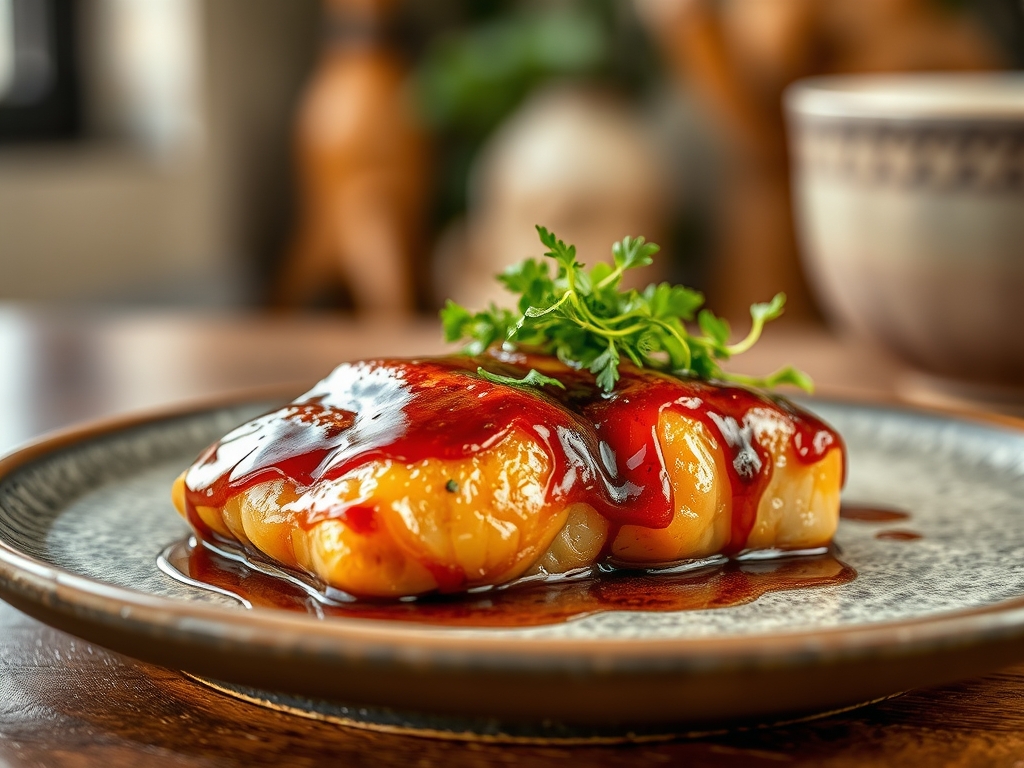
How do I get that high-gloss finish seen in restaurants?
The secret is the final emulsification of fat. Adding a small cold cube of unsalted butter or an extra teaspoon of sesame oil at the very end of the simmering process creates a light-reflective coating on the tongue and the plate.
My glaze is too thin and won't stick. Help!
This is a reduction issue. Return the glaze to the saucier and simmer on low heat. You are looking for "nappe" consistency, where the glaze coats the back of a spoon and holds a line when you draw your finger through it.