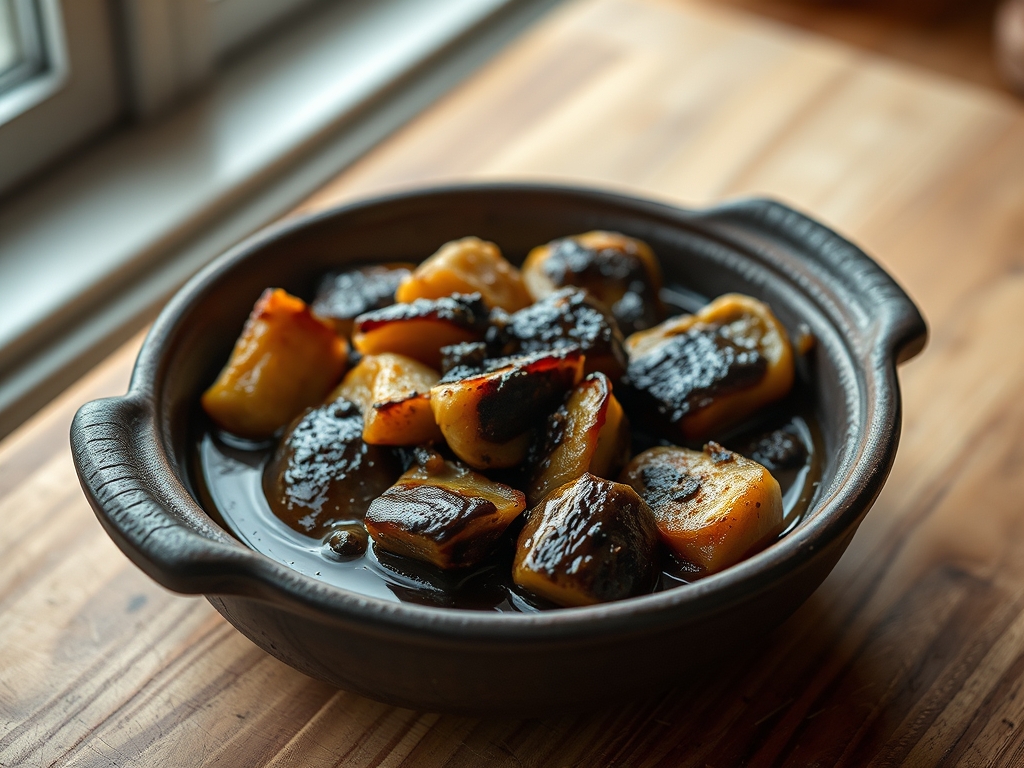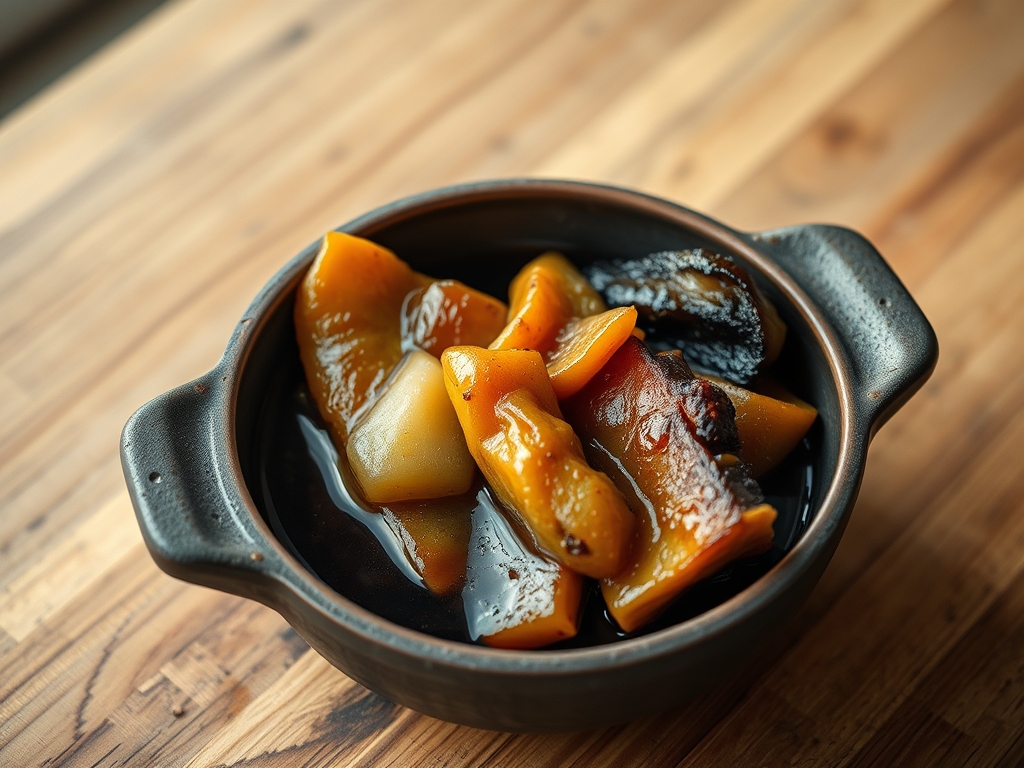
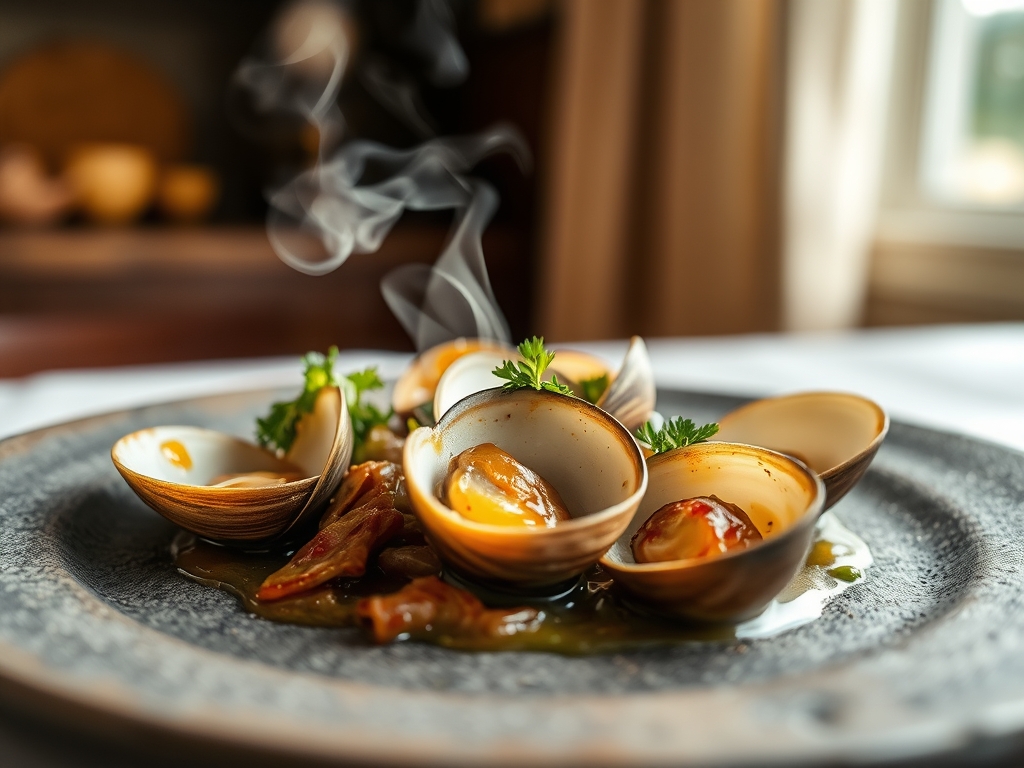
The kitchen is not a sanctuary; it is a high-pressure laboratory where the laws of physics dictate the success of your plate. When you crack open a fresh littleneck or steam a bushel of cherrystones, you are not just cooking seafood. You are harvesting a biological saline solution. This essence, the very soul of the Atlantic, is defined by Clam Liquor Density. If your broth is thin and watery, you have failed the audit. We are looking for a viscous, protein-rich suspension that coats the back of a spoon with the authority of a heavy cream but the clarity of a mountain spring. Achieving the perfect Clam Liquor Density requires more than heat; it requires an understanding of refractive indices and the delicate balance of dissolved solids. We are here to render out the impurities and infuse the base with a piquant intensity that vibrates on the palate. Forget the diluted, tinny flavors of amateur hour. We are going deep into the brine to build a foundation that is structurally sound and gastronomically superior.
THE DATA MATRIX
| Metric | Specification |
|---|---|
| Prep Time | 25 Minutes |
| Execution Time | 15 Minutes |
| Yield | 4 Servings |
| Complexity (1-10) | 7 |
| Estimated Cost per Serving | $8.50 |
THE GATHERS
Ingredient Protocol:
- 2 kg / 4.4 lbs Fresh Littleneck Clams (scrubbed and purged)
- 250 ml / 1.05 cups Dry White Wine (preferably Muscadet or Sauvignon Blanc)
- 60 g / 4 tbsp Unsalted High-Fat Butter (minimum 82 percent butterfat)
- 30 ml / 2 tbsp Extra Virgin Olive Oil
- 4 Large Garlic Cloves (microplaned)
- 5 g / 1 tsp Red Chili Flakes
- 15 g / 0.5 oz Flat Leaf Parsley (finely chiffonaded)
- 1 Lemon (zested and juiced)
- 2 g / 0.5 tsp Xanthan Gum (optional for texture stabilization)
Section A: Ingredient Quality Audit:
If your clams smell like a pier at low tide, abort the mission. Fresh bivalves should smell like a cold ocean breeze. If they are gaping and refuse to close when tapped, their cellular integrity is compromised. For sub-par, low-yield clams that lack natural juices, you must fortify. Use a high-quality bottled clam juice as a secondary substrate, but reduce it by thirty percent before adding it to the pan to mimic the natural Clam Liquor Density of a premium specimen. If your garlic has a green germ in the center, remove it; that bitter sprout will ruin the delicate aromatics of the emulsion.
THE MASTERCLASS
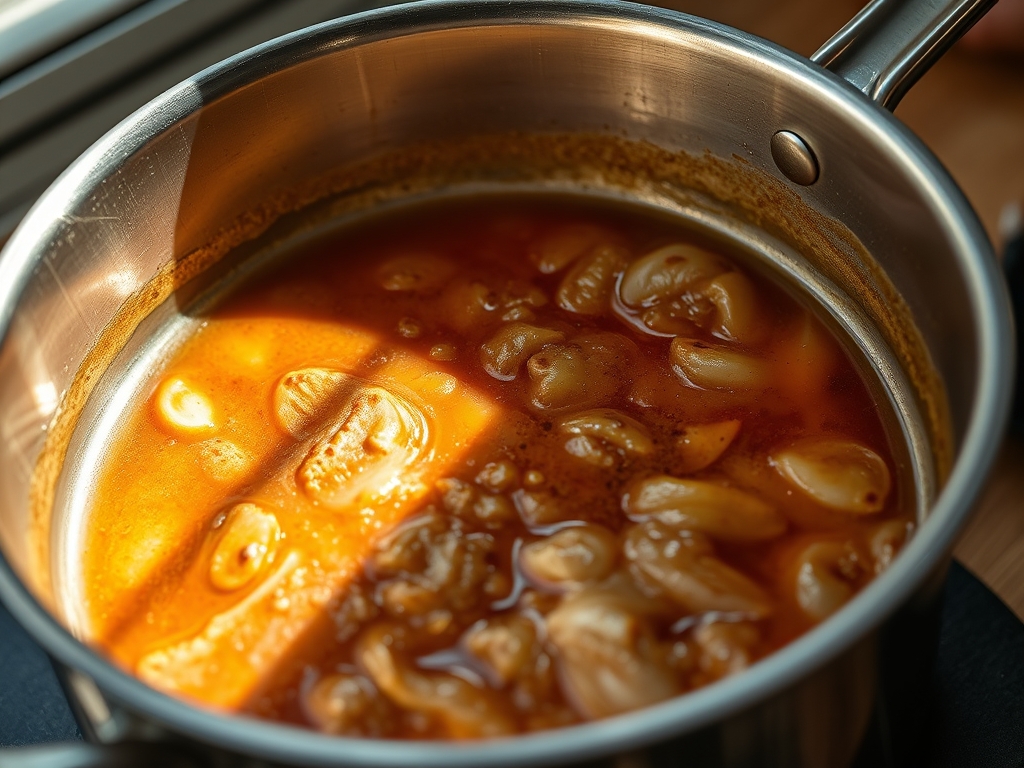
Step 1: The Aromatic Foundation
Heat your heavy-bottomed saucier over medium heat and add the olive oil. Once the oil shimmers, add the garlic and chili flakes. You are looking for a gentle sizzle, not a scorched-earth policy.
Pro Tip: Use a digital scale to measure your aromatics. Consistency is the hallmark of a professional. By controlling the mass of the garlic, you ensure the piquant notes do not overwhelm the salinity of the clams.
Step 2: The Deglaze and Steam
Increase the heat to high and add the clams all at once. Immediately follow with the white wine. The goal is to deglaze the pan and create a massive steam event. Cover the saucier with a tight-fitting lid.
Pro Tip: The steam pressure inside the saucier forces the bivalve muscles to relax. A heavy lid is essential; if steam escapes, your Clam Liquor Density will be too high due to excessive evaporation, leading to an oversalted finish.
Step 3: The Extraction
As the clams open, use a pair of silicone-tipped tongs to remove them one by one to a warm bowl. This prevents the meat from becoming rubbery while you finish the sauce.
Pro Tip: This is where you audit the liquid. Look for a slight opacity. If the liquid is too clear, it lacks the dissolved proteins and fats necessary for a proper mouthfeel.
Step 4: The Emulsion Phase
Whisk in the cold butter one tablespoon at a time. If using xanthan gum for extra stability, sprinkle it in now while whisking vigorously. This creates a mechanical bond between the wine, the clam juices, and the fats.
Pro Tip: Use a high-quality whisk to aerate the sauce. This incorporates tiny air bubbles that lighten the texture while the fats increase the viscosity.
Section B: Prep & Timing Fault-Lines:
The most common failure in this protocol is thermal overshoot. If you leave the clams in the pan while reducing the sauce, the proteins will cross-link and turn into erasers. Use a bench scraper to keep your workspace clear; clutter leads to timing errors. If the sauce breaks (oil separating from the liquid), add a teaspoon of cold water and whisk violently to re-establish the emulsion.
THE VISUAL SPECTRUM
Section C: Thermal & Visual Troubleshooting:
Referencing the Masterclass photo, the sauce should possess a "nappe" consistency; it should coat the clams in a translucent, shimmering veil. If the sauce looks dull or grey, your wine was likely too acidic or your garlic oxidized. To fix a dull appearance, a final hit of fresh lemon juice and a sprinkle of vibrant green parsley will provide the necessary visual contrast. If the liquid appears broken or curdled, the heat was too high during the butter integration. Lower the temperature and use a handheld immersion blender for ten seconds to force the lipids back into suspension.
THE DEEP DIVE
Macro Nutrition Profile:
This dish is a powerhouse of lean protein and essential minerals. A single serving provides approximately 25g of protein, 12g of healthy fats (primarily from the emulsion), and is exceptionally high in Vitamin B12 and Iron.
Dietary Swaps:
- Vegan: Replace clams with king oyster mushroom "scallops" and use a seaweed-based dashi. Substitute butter with a high-quality cashew cream to maintain the Clam Liquor Density.
- Keto/GF: This recipe is naturally keto-friendly. For GF, ensure the wine is a dry variety and avoid any flour-based thickeners.
Meal Prep & Reheating Science:
Reheating seafood is a delicate operation. To maintain the molecular structure, do not use a microwave. Instead, warm the sauce separately in a small pot over low heat. Once the sauce is simmering, add the clams just long enough to take the chill off. Overheating will cause the proteins to contract and expel their moisture, ruining the texture.
THE KITCHEN TABLE
How do I increase Clam Liquor Density without salt?
Use a controlled reduction of the wine before adding the clams. Alternatively, a tiny amount of xanthan gum or a cornstarch slurry can increase viscosity without affecting the sodium profile of the finished sauce.
Why did my sauce turn cloudy?
Cloudiness is usually a sign of successful emulsification between the fats and the clam proteins. However, if it is grey, you likely overcooked the garlic or used a pan that reacted with the acidity of the wine.
Can I use frozen clams for this?
You can, but the Clam Liquor Density will suffer. Frozen clams often lose their internal juices during the thawing process. If using frozen, reduce the added wine by half to compensate for the lack of natural liquor.
What is the best wine for this audit?
Search for a high-acid, low-oak white wine. Muscadet is the gold standard because its saline notes complement the clams perfectly. Avoid Chardonnay; the oak notes will clash with the delicate brine.