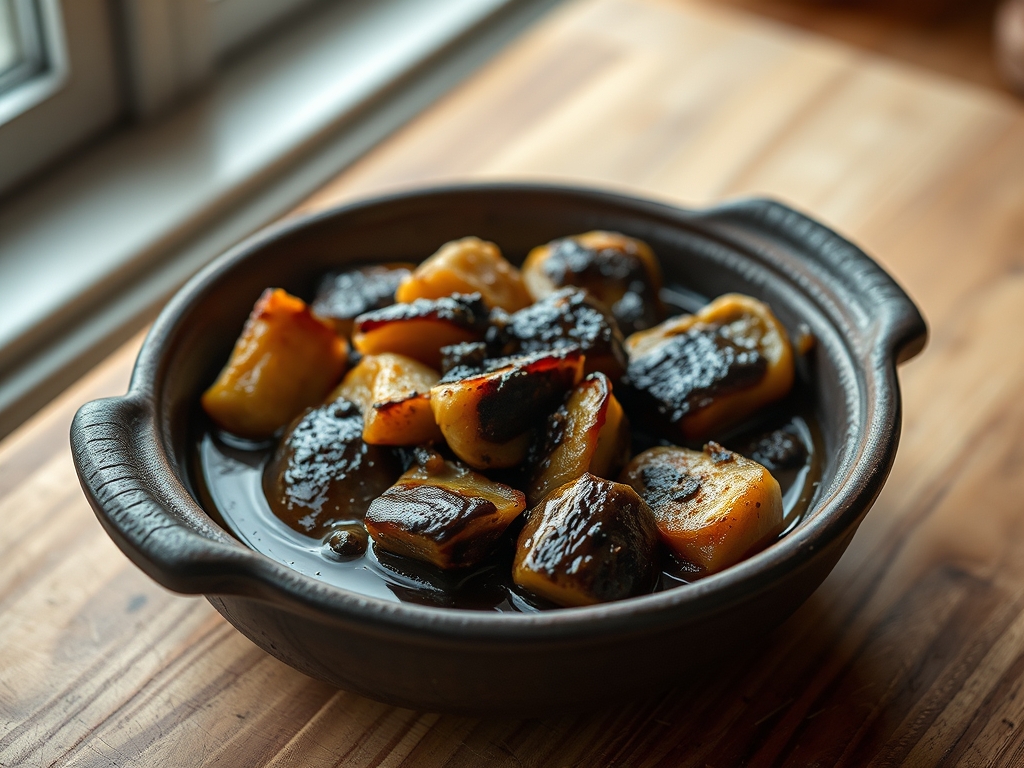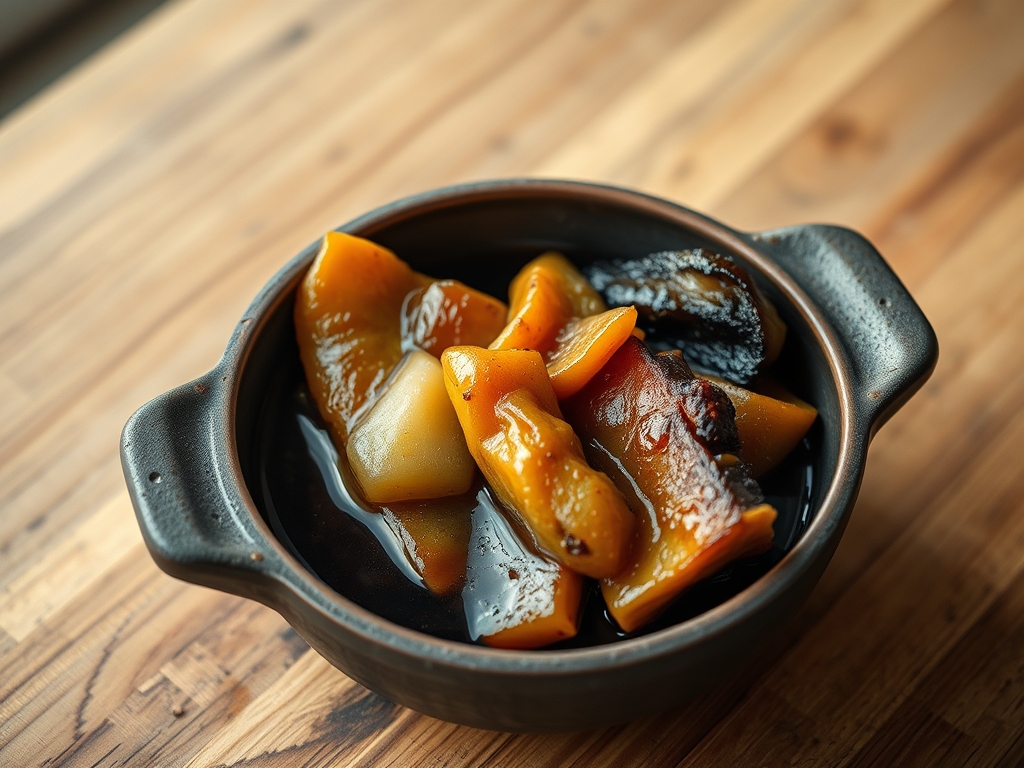
If you are listening for the sound of a gentle simmer, you have already failed the audit. To achieve the perfect Seafood Paella Socarrat, you must listen for the crackle. This is the sound of the Maillard reaction transitioning into controlled carbonization. We are not just cooking rice; we are engineering a structural masterpiece of marine-infused starch. The socarrat is the toasted, caramelized crust that forms at the base of the pan, acting as the foundation for the entire flavor profile. It requires a high-stakes gamble with thermal energy. One minute too short and you have soggy grains; one minute too long and you have bitter ash. We are looking for that precise moment where the sugars in the seafood stock and the starches from the Bomba rice fuse into a crunchy, golden-brown honeycomb. This is the soul of the Mediterranean, rendered down into a concentrated, viscous layer of umami that demands respect and a very sturdy spoon.
THE DATA MATRIX
| Metric | Specification |
|---|---|
| Prep Time | 30 Minutes |
| Execution Time | 45 Minutes |
| Yield | 4 Servings |
| Complexity (1-10) | 8.5 |
| Estimated Cost per Serving | $12.50 – $18.00 |
THE GATHERS
Ingredient Protocol:
- 400g / 2 cups Bomba or Calasparra Rice (Do not rinse).
- 1 liter / 4.2 cups High-Quality Seafood Stock (Heated).
- 500g / 1.1 lbs Large Shrimp (Shell-on for maximum flavor).
- 300g / 10.5 oz Calamari rings.
- 500g / 1.1 lbs Mussels or Clams (Scrubbed and debearded).
- 150g / 5.3 oz Grated Tomato (Fresh pulp only).
- 100ml / 0.4 cup Extra Virgin Olive Oil.
- 2g / 1 tsp Saffron threads (Toasted and crushed).
- 10g / 2 tsp Smoked Paprika (Pimenton de la Vera).
- 4 cloves Garlic (Minced).
- 1 medium Onion (Finely diced).
Section A: Ingredient Quality Audit:
If your seafood smells like a pier at low tide, abort the mission. Sub-par protein releases excess moisture that will turn your starch into a gummy mess. If you find your shrimp are "water-added," pat them dry with surgical precision and sear them at a higher temperature to render out the brine before the rice hits the pan. If using generic long-grain rice instead of Spanish short-grain, you will lose the structural integrity required for the socarrat. Long-grain rice lacks the amylopectin ratio needed to absorb liquid while remaining firm. The fix? There is none. Use the correct rice or accept a subpar texture.
THE MASTERCLASS
Step 1: The Maillard Foundation
Begin by heating your paella pan over medium-high heat. Add the olive oil and sear the shrimp and calamari until they develop a golden hue. Remove the seafood and set it aside; we are merely "perfuming" the oil. Pro Tip: Use a digital infrared thermometer to ensure the pan surface reaches 175C (350F) before adding protein. This ensures an immediate sear rather than a slow steam.
Step 2: The Sofrito Infrastructure
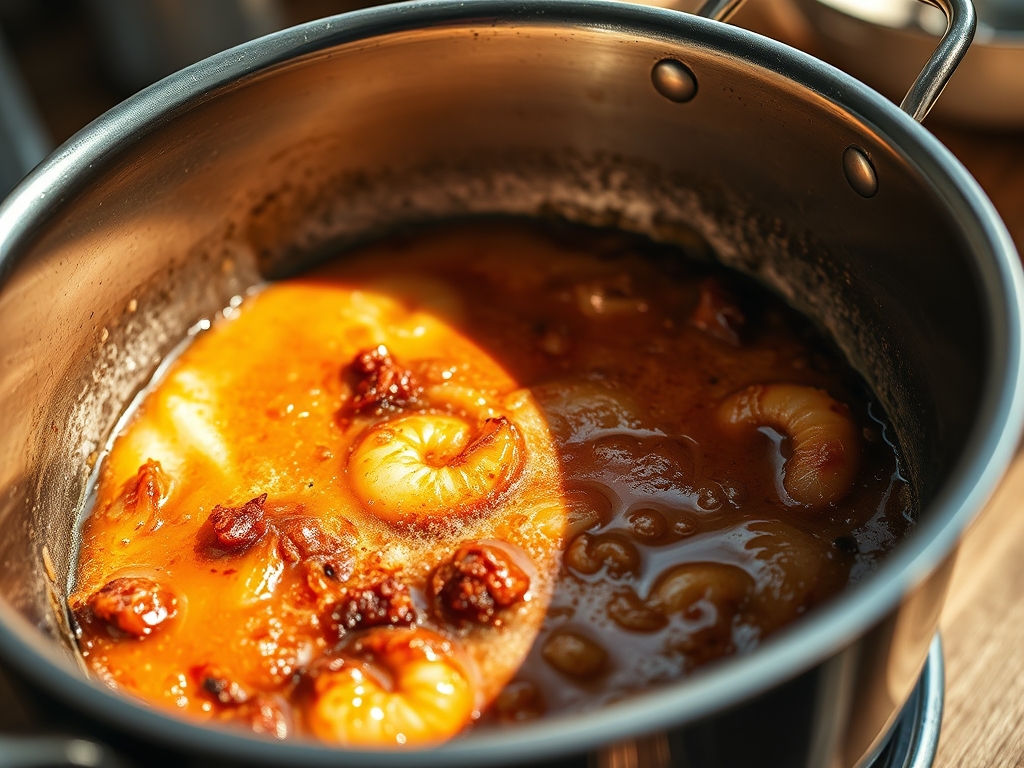
Add the onions and garlic to the residual oil. Sauté until translucent, then add the grated tomato and smoked paprika. Cook this mixture until it darkens and the water has evaporated, leaving a thick, viscous paste. Pro Tip: Use a stainless steel bench scraper to keep the sofrito moving, preventing the garlic from scorching while the tomato sugars caramelize.
Step 3: Starch Toasting and Hydration
Incorporate the rice into the sofrito, stirring constantly for two minutes. Every grain must be coated in oil and toasted until the edges are translucent. Pour in the hot, saffron-infused stock. Do not stir the rice again after this point. Pro Tip: Accuracy is non-negotiable. Use a digital scale to measure your stock-to-rice ratio by weight rather than volume for perfect hydration.
Step 4: The Simmer Phase
Distribute the seafood back onto the top of the rice. Maintain a steady simmer for 15 minutes. The liquid should reduce until it is level with the rice. Pro Tip: Use a saucier to keep your stock at a bare simmer on a side burner. Adding cold stock to a hot pan shocks the rice starches and ruins the texture.
Step 5: The Socarrat Strike
This is the critical maneuver. Increase the heat to medium-high for the final 2 to 3 minutes. Listen for a rhythmic crackling sound. Use a spoon to gently "feel" the bottom of the pan. It should feel resistant and crusty. Pro Tip: If you smell even a hint of acrid smoke, immediately remove the pan from the heat and place it on a cold, damp towel to stop the thermal conduction.
Section B: Prep & Timing Fault-Lines:
The most common failure in Seafood Paella Socarrat is "The Stirring Impulse." Stirring releases excess starch, creating a risotto-like texture that prevents the bottom crust from forming. If your timing is off and the rice is still hard but the liquid is gone, do not pour more stock over the top. Instead, cover the pan with a tight lid or foil for five minutes to allow the residual steam to finish the hydration process.
THE VISUAL SPECTRUM
Section C: Thermal & Visual Troubleshooting:
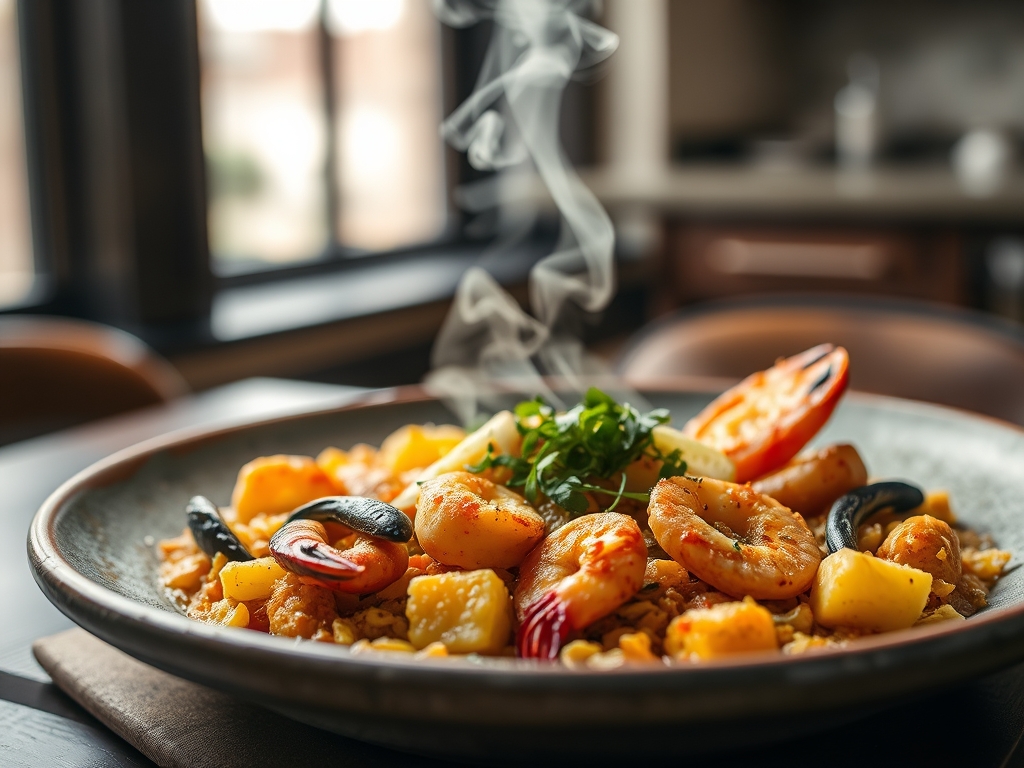
Look closely at the Masterclass photo. Notice the vibrant, sunset-orange hue of the rice. If your dish looks pale or yellow, your saffron was likely old or synthetic. Real saffron provides a deep, piquant aroma and a rich orange tint. If you see "islands" of wet rice amidst dry patches, your burner is not distributing heat evenly. Rotate the pan 90 degrees every few minutes during the simmer phase to ensure a uniform socarrat. If the seafood looks shriveled, you added it too early. Seafood should be nestled into the rice only when the liquid is 75 percent absorbed to prevent overcooking.
THE DEEP DIVE
Macro Nutrition Profile:
A standard serving provides approximately 550 calories, 28g of protein, 65g of carbohydrates, and 18g of healthy fats. The high mineral content from the shellfish provides a significant boost of zinc and selenium.
Dietary Swaps:
- Vegan: Replace seafood with king oyster mushrooms and artichoke hearts. Use a rich vegetable dashi as the stock base.
- Keto: This is a starch-centric dish; however, cauliflower rice can be used if you accept that a true socarrat is chemically impossible without the starch-sugar bond.
- GF: Naturally gluten-free, provided your stock and smoked paprika are certified.
Meal Prep & Reheating Science:
To maintain the molecular structure, do not microwave. Reheat in a non-stick skillet with a teaspoon of water and a lid. This "re-steams" the rice while the bottom can potentially re-crisp, though the original socarrat texture is a "one-time-only" chemical event.
THE KITCHEN TABLE
Why is my rice mushy instead of firm?
You likely over-hydrated or stirred the rice. Stirring breaks the starch granules, releasing amylopectin into the liquid. This creates a creamy texture rather than the distinct, separate grains required for an authentic Seafood Paella Socarrat.
Can I use a non-stick pan?
Technically yes, but it is an architectural handicap. The smooth surface of non-stick coatings prevents the rice from "grabbing" the pan, which is essential for developing a deep, even crust. A traditional carbon steel paella pan is the gold standard.
How do I know if the socarrat is burning?
Trust your nose. There is a specific transition from the sweet, toasted scent of caramelized starch to the sharp, acrid smell of carbon. If it smells like a campfire, you have gone too far. Aim for "toasted nut."
Do I really need to toast the saffron?
Yes. Heat activates the essential oils (safranal) within the threads. Briefly tossing them in a dry pan before grinding them into the stock will infuse the dish with a significantly more complex, floral profile.