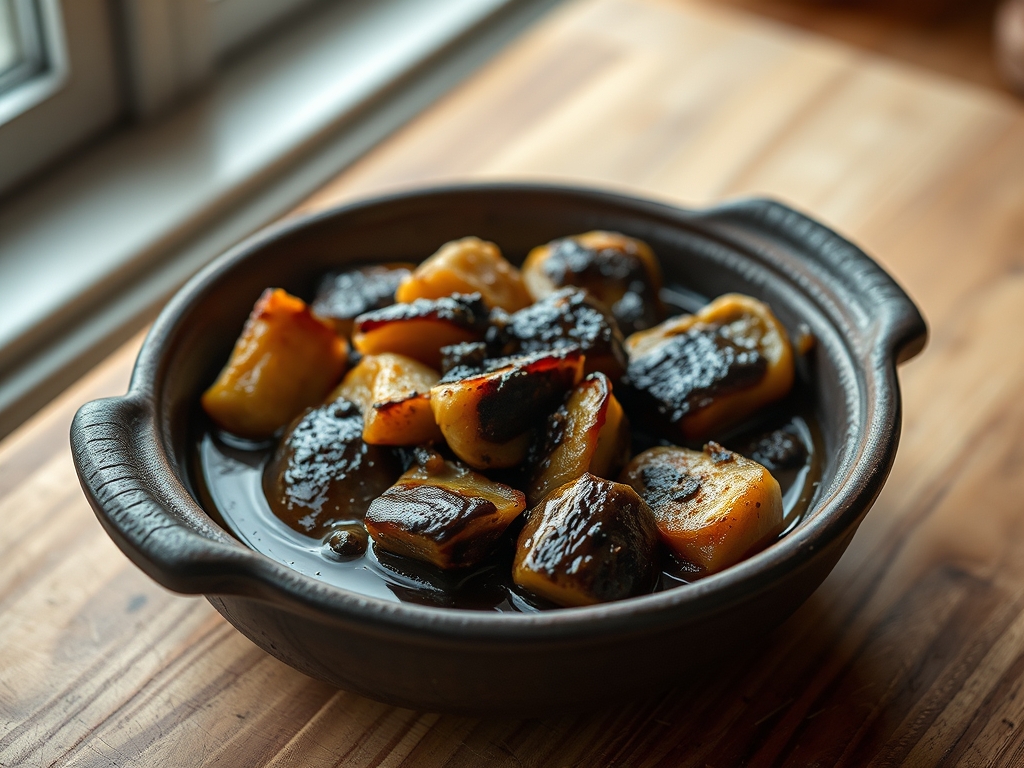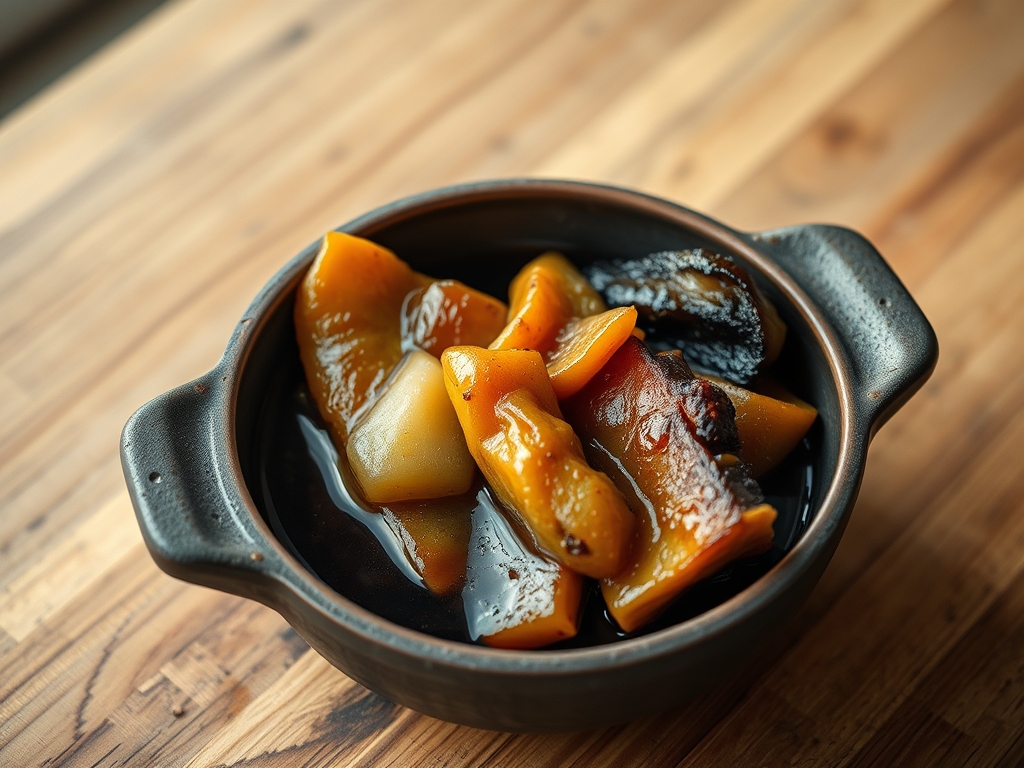
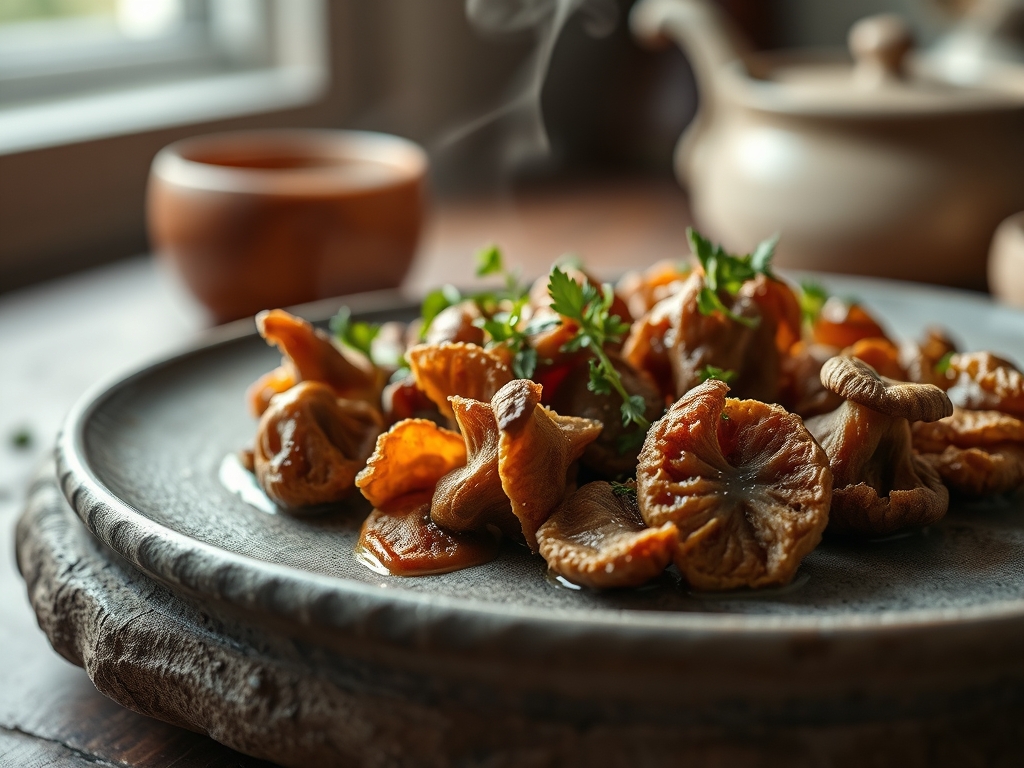
Stop treating your pantry staples like dusty relics and start treating them like the concentrated umami batteries they actually are. We are not just making a sauce; we are conducting a high-stakes extraction of 5-guanylate and glutamate. The process of Dried Porcini Rehydration is the single most important infrastructure project in your kitchen this week. When you introduce these desiccated Boletus edulis caps to hot liquid, you are not just softening fiber; you are triggering a molecular jailbreak. The water penetrates the chitinous cell walls, dragging out deep, earthy aromatic compounds that fresh mushrooms simply cannot replicate. This is the difference between a flat, one-dimensional broth and a liquid gold that coats the tongue with a persistent, savory velvet. We are looking for a result that is dark, viscous, and unapologetically bold. If your kitchen does not currently smell like a damp, ancient forest floor electrified by a lightning strike, you are doing it wrong. Let us audit your process and optimize your flavor yields before you waste another gram of premium fungi.
THE DATA MATRIX
| Metric | Specification |
|---|---|
| Prep Time | 10 Minutes |
| Execution Time | 30 Minutes |
| Yield | 4 Servings |
| Complexity (1-10) | 4 |
| Estimated Cost per Serving | $4.50 |
THE GATHERS
Ingredient Protocol:
- 40g / 1.4oz Premium Dried Porcini Mushrooms
- 500ml / 2 cups Near-Boiling Filtered Water
- 30g / 2 tbsp Unsalted European-Style Butter
- 2 Large Shallots, finely minced
- 120ml / 0.5 cup Dry White Wine (e.g., Pinot Grigio)
- 5g / 1 tsp Kosher Salt
- 2g / 0.5 tsp Freshly Cracked Black Pepper
- 10ml / 2 tsp Soy Sauce (for the "Umami Kick")
Section A: Ingredient Quality Audit:
If your dried mushrooms look like grey cardboard or lack a potent, musky aroma, they are likely oxidized. To fix sub-par raw materials, toast them in a dry saucier for 60 seconds before adding water to awaken dormant volatiles. If your water is too hard or chlorinated, it will inhibit the extraction of delicate esters; always use filtered water for the cleanest solute profile. If your butter lacks a high fat content (under 82 percent), the final emulsion will be thin and watery rather than luxuriously viscous.
THE MASTERCLASS
1. The Thermal Activation
Place your dried fungi into a heat-proof glass bowl. Pour your 500ml of near-boiling water (ideally 90C / 195F) over the mushrooms. Use a weighted plate to keep them fully submerged.
Pro Tip: Use a digital scale to measure your water precisely. The science here is simple: too much water dilutes the guanylate concentration, while too little prevents full cellular expansion. Proper Dried Porcini Rehydration requires a 1:12 ratio of fungi to liquid for optimal saturation.
2. The Particulate Filtration
After 20 minutes, remove the mushrooms with a slotted spoon. Pour the remaining liquid through a fine-mesh sieve lined with a coffee filter or cheesecloth into a clean vessel.
Pro Tip: Never skip the filtration. Dried mushrooms are harvested from the wild and often harbor microscopic grit. A chinois or high-quality filter ensures your sauce remains silky rather than abrasive.
3. The Aromatization and Rendering
Mince the rehydrated mushrooms using a sharp bench scraper or chef's knife. In a heavy-bottomed saucier, melt the butter over medium heat and sauté the shallots until they are translucent and begin to render their sugars.
Pro Tip: Adding the mushrooms to the fat before adding the liquid allows for a secondary Maillard reaction. This browns the exterior of the rehydrated bits, adding a nutty complexity to the base earthy notes.
4. The Deglaze and Reduction
Increase the heat to high. Add the chopped mushrooms and the white wine to deglaze the pan, scraping up any fond. Pour in the filtered mushroom liquor and the soy sauce. Simmer until the volume reduces by half.
Pro Tip: Watch the bubbles. As the water evaporates, the concentration of solutes increases, and the bubbles will become larger and slower. This is the visual cue that your sauce is becoming viscous and rich.
Section B: Prep & Timing Fault-Lines:
The most common failure is rushing the soak. If the mushrooms are still rubbery, they will not release their full flavor profile during the simmer. Conversely, using boiling water (100C) can sometimes "cook" the exterior too fast, trapping the flavor inside. If your sauce breaks or looks greasy, it is likely because the temperature was too high during the final butter emulsification; whisk in a teaspoon of cold water to re-stabilize the proteins.
THE VISUAL SPECTRUM
Section C: Thermal & Visual Troubleshooting:
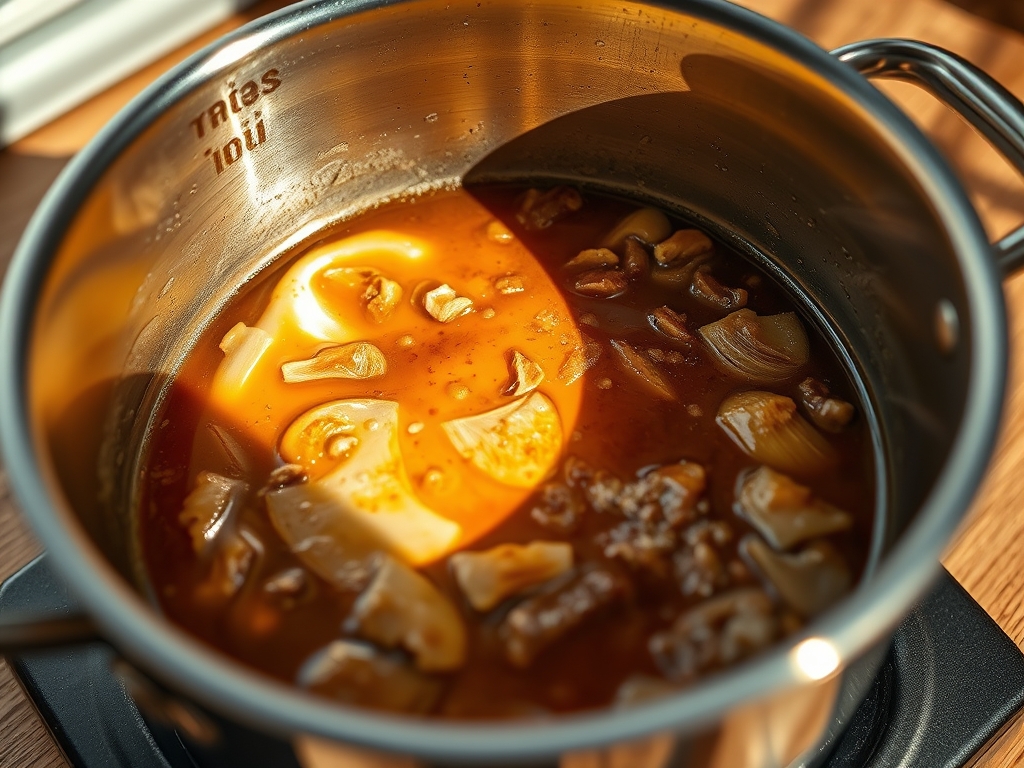
Look closely at the Masterclass photo: notice the deep, mahogany hue of the liquid. If your broth looks pale like weak tea, your mushrooms were either old or you used too much water. If the mushrooms appear shriveled rather than plump, they haven't finished their rehydration cycle. For uneven browning, ensure your saucier is not overcrowded; moisture is the enemy of the Maillard reaction. If the color is dull, a splash of acid (lemon juice or more wine) will brighten the pigments and the piquant profile of the dish.
THE DEEP DIVE
Macro Nutrition Profile:
This umami-dense infrastructure is surprisingly lean. Per serving, expect approximately 120 calories, 9g of fat (mostly from the butter), 6g of carbohydrates, and 3g of protein. The mushrooms provide a significant boost of Vitamin D and selenium without the caloric load of heavy creams.
Dietary Swaps:
- Vegan: Replace European butter with a high-quality cashew butter or a neutral oil infused with truffle.
- Keto: This recipe is naturally low-carb. Ensure the wine is bone-dry to minimize residual sugars.
- GF: Naturally gluten-free, provided your soy sauce is substituted with Tamari or liquid aminos.
Meal Prep & Reheating Science:
To maintain the molecular structure, store the sauce in an airtight glass container for up to four days. When reheating, do not use a microwave, as it can cause the fats to separate and the mushroom texture to become "corky." Instead, gently warm the sauce in a small pan over low heat, whisking constantly to aerate and re-incorporate the emulsion.
THE KITCHEN TABLE
Why is my mushroom water bitter?
Bitterness usually stems from over-steeping or using low-quality stems. Limit your soak to 30 minutes. If it is already bitter, a tiny pinch of sugar or a drop of balsamic vinegar can neutralize the perception of bitterness on the palate.
Can I use the soaking liquid for risotto?
Absolutely. That liquid is pure flavor gold. It contains the majority of the water-soluble glutamates. Just ensure it is filtered twice to remove any forest floor debris that could ruin the texture of your creamy rice.
Do I need to wash the mushrooms before soaking?
No. Washing them under the tap removes the very dust and spores that contain the highest concentration of flavor. Trust the filtration process after the soak to handle any physical impurities or grit.
Why use soy sauce in a mushroom dish?
Soy sauce contains fermented glutamates that act as a "flavor multiplier." When combined with the guanylates in the porcini, they create a synergistic effect that makes the savory taste feel ten times more intense than either ingredient alone.