Forget everything you know about the humble forest floor. We are not just cooking mushrooms; we are architecting a structural masterpiece of lipid suspension and fungal protein. When you spread a proper pate across a toasted baguette, you are witnessing the pinnacle of culinary physics. The secret to a world class spread is not just the flavor profile, but the specific Mushroom Pate Viscosity. If it is too loose, it lacks the gravitas of a luxury spread; if it is too dense, it feels like a chore for the palate. We are aiming for a silky, spreadable emulsion that clings to the knife with a piquant confidence. This is where the Maillard reaction meets the science of fat stabilization. We will render the moisture out of the cell walls, infuse the remaining fibers with high quality lipids, and then aerate the mixture into a velvet finish. Prepare your station. We are moving from raw earth to refined infrastructure in sixty minutes flat. This is the audit of the ultimate umami spread.
THE DATA MATRIX
| Metric | Specification |
|---|---|
| Prep Time | 20 Minutes |
| Execution Time | 40 Minutes |
| Yield | 500ml / 2 Cups |
| Complexity (1-10) | 6 |
| Estimated Cost per Serving | $1.25 |
THE GATHERS
Ingredient Protocol:
- 500g / 1.1 lbs Cremini or Shiitake mushrooms (finely diced)
- 115g / 0.5 cups Unsalted high-fat butter (European style preferred)
- 120ml / 0.5 cups Heavy cream or full-fat coconut milk
- 60ml / 4 tbsp Dry Sherry or Cognac
- 2 medium Shallots (minced)
- 4 cloves Garlic (microplaned)
- 10g / 2 tsp Fresh thyme leaves
- 5ml / 1 tsp Soy sauce (for umami depth)
- To taste: Fine sea salt and cracked black pepper
Section A: Ingredient Quality Audit:
If your mushrooms feel slimy or "bendy" before you start, your Mushroom Pate Viscosity is already compromised. Old mushrooms have lost their structural turgor pressure and will release excess water, resulting in a boiled texture rather than a sautéed one. To fix this, spread them on a paper towel and allow them to air-dry in the refrigerator for two hours before use. If your shallots are sprouting green centers, remove the bitter germ immediately. For the butter, ensure it is at room temperature to facilitate a faster lipid-protein bond during the final emulsification phase. Sub-par fats lead to a grainy mouthfeel; always use the highest butterfat percentage available to ensure a glossy, cohesive finish.
THE MASTERCLASS
Step-by-Step Execution:
1. The Fungal Dehydration
Place your diced mushrooms into a dry saucier over medium-high heat. Do not add fat yet. We are performing a dry-sear to evaporate the cellular water. Once the mushrooms begin to squeak and release their moisture, continue cooking until that liquid has completely evaporated and the edges begin to bronze.
Pro Tip: This technique, known as the "dry sauté," concentrates the amino acids. Use a digital scale to ensure your starting weight is accurate, as the mushrooms will lose nearly 40 percent of their volume during this phase.
2. The Lipid Infusion
Add half of the butter and the minced shallots to the pan. Reduce the heat to medium. We want to render the shallots until they are translucent but not browned. Add the garlic and thyme in the final thirty seconds to prevent the garlic from turning bitter.
Pro Tip: Fat is the primary carrier for flavor. By infusing the butter with aromatics before adding the liquid, you are creating a stable flavor base that will survive the high-speed blending process.
3. The Deglaze and Reduction
Pour in the Sherry or Cognac. Use a bench scraper or wooden spoon to scrape up every bit of the brown fond from the bottom of the pan. This is pure umami gold. Reduce the liquid until it is a syrupy glaze that coats the mushrooms.
Pro Tip: Alcohol acts as a solvent, pulling out flavors that are neither water nor fat soluble. This step is critical for achieving a complex, multi-layered profile.
4. The Emulsification Phase
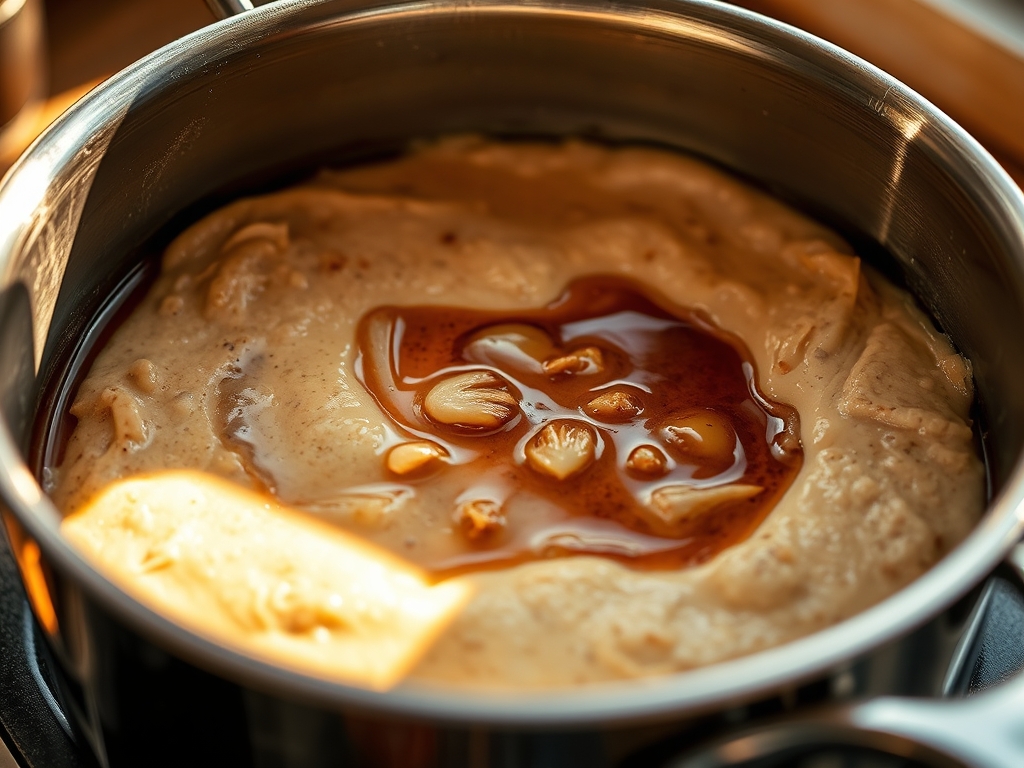
Transfer the mixture to a high-speed blender. Add the remaining butter, cream, and soy sauce. Pulse until the mixture reaches a smooth, viscous consistency. Slowly increase the speed to aerate the pate, which lightens the color and creates a mousse-like texture.
Pro Tip: Temperature control is vital here. If the mixture is too hot, the butter will break and turn oily. If it is too cold, it will not emulsify. Aim for approximately 50 degrees Celsius (122 Fahrenheit) for the perfect bind.
Section B: Prep & Timing Fault-Lines:
The most common failure in this protocol is rushing the reduction. If you leave too much liquid in the pan before blending, the pate will be "weepy" after it sets in the fridge. Conversely, over-cooking the mushrooms until they are crispy will result in a gritty texture that no amount of blending can fix. Use a timer for the deglazing step; if the liquid hasn't reduced by half in three minutes, your heat is too low. Always check the internal temperature of the emulsion with an instant-read thermometer before the final chill.
THE VISUAL SPECTRUM
Section C: Thermal & Visual Troubleshooting:
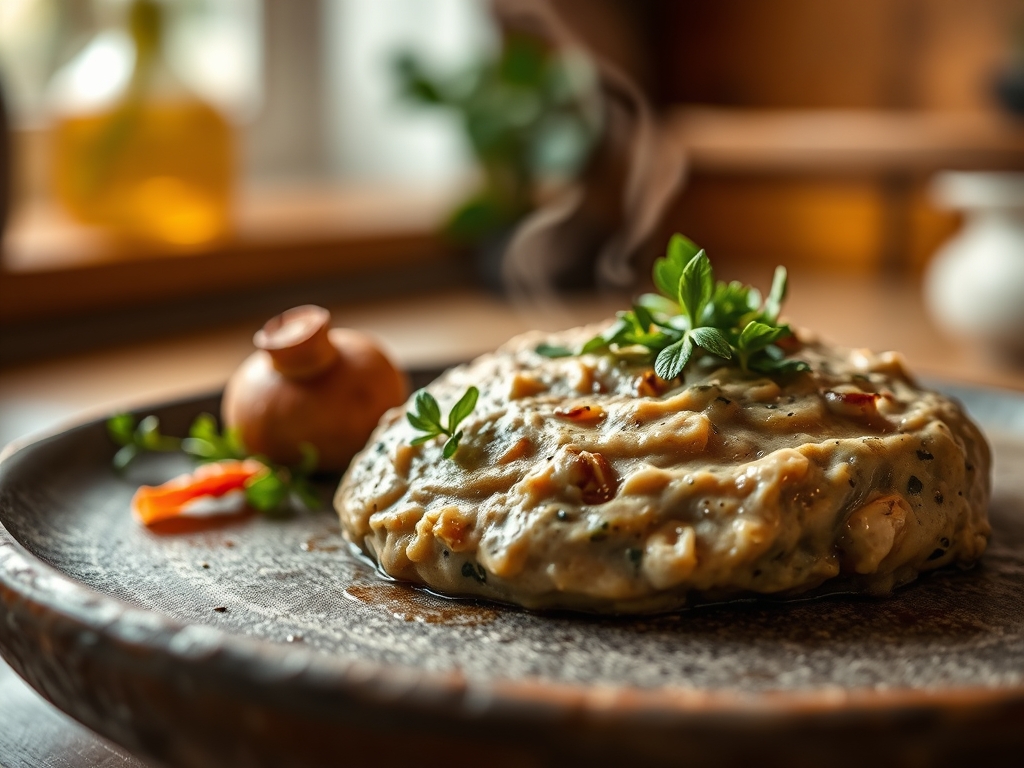
Referencing the Masterclass photo, your pate should exhibit a pale, taupe-grey hue with a matte-gloss finish. If your pate looks dark brown or muddy, you likely over-caramelized the mushrooms or used a dark balsamic instead of Sherry. If the surface appears cracked or dry, the lipid content was too low; next time, increase the butter ratio. A "broken" pate will show visible beads of yellow oil on the surface. This can be salvaged by re-heating the mixture slightly and whisking in a teaspoon of warm cream to re-establish the emulsion. The texture should hold a soft peak when lifted with a spoon, indicating the correct Mushroom Pate Viscosity has been achieved.
THE DEEP DIVE
Macro Nutrition Profile:
A standard 30g serving contains approximately 110 calories, 10g of fat, 3g of carbohydrates, and 2g of protein. While high in lipids, it is a nutrient-dense source of Vitamin D, Selenium, and B-vitamins derived from the fungal cell walls.
Dietary Swaps:
- Vegan: Replace butter with a high-quality cashew cream and use refined coconut oil for the sauté.
- Keto: This recipe is naturally keto-friendly; ensure the Sherry is a dry variety to minimize residual sugars.
- Gluten-Free: Naturally GF, but ensure your soy sauce is replaced with Tamari or liquid aminos.
Meal Prep & Reheating Science:
To maintain the molecular structure, store the pate in a glass ramekin and seal the top with a thin layer of clarified butter. This creates an airtight "fat-cap" that prevents oxidation and discoloration. When serving, do not microwave. Allow the pate to sit at room temperature for 20 minutes to let the lipids soften naturally.
THE KITCHEN TABLE
Why is my pate grainy?
Graininess usually stems from under-cooked mushrooms or a low-powered blender. Ensure the mushrooms are soft before blending and process on high speed for at least 60 seconds to fully break down the chitinous cell walls.
Can I use dried mushrooms?
Yes, but they must be fully rehydrated in warm water first. Use the soaking liquid (strained) as part of your reduction to amplify the earthy notes. This will significantly increase the umami concentration.
How long does it stay fresh?
Under a clarified butter seal, it will last 7 days in the refrigerator. Without a seal, consume within 3 to 4 days. The fats will eventually absorb "fridge odors" if not tightly covered with plastic wrap.
Why did the color turn grey?
Mushrooms oxidize when exposed to air. To keep the color vibrant, add a tiny splash of lemon juice at the very end of blending. The acidity prevents enzymatic browning and brightens the overall flavor profile.