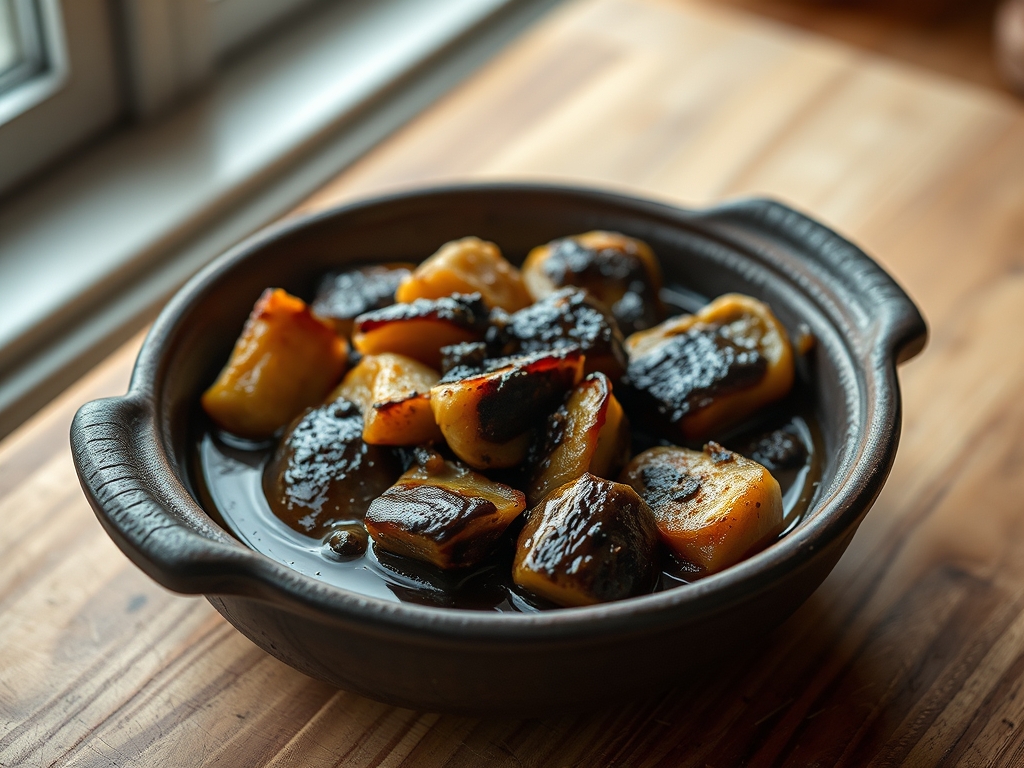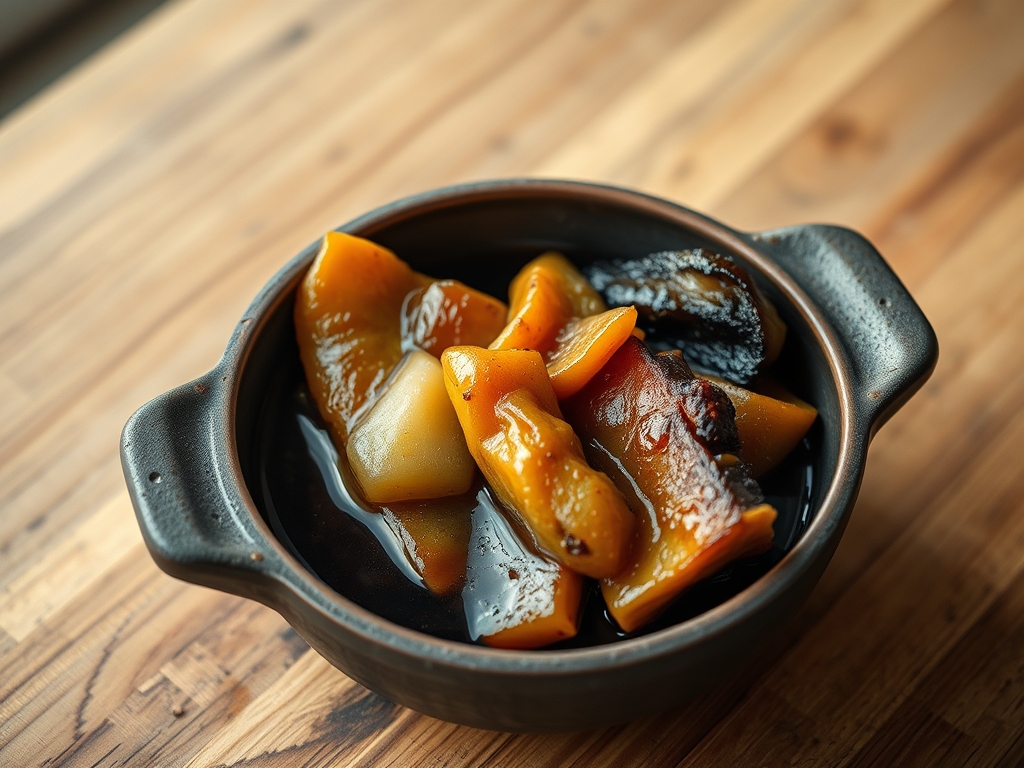
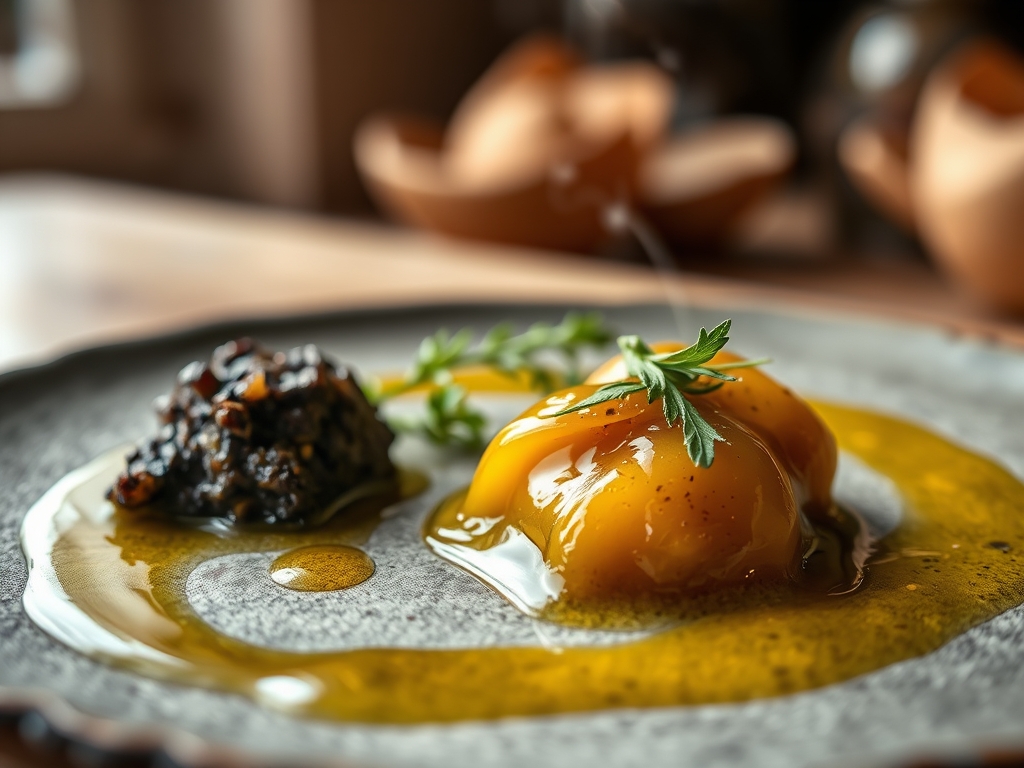
Your kitchen is currently a crime scene of mediocrity if you are still relying on those dusty, clear bottles of supermarket "truffle" oil that contain nothing but synthetic 2,4-dithiapentane. We are here to conduct a full-scale forensic audit of your aromatic inventory. To achieve a true Truffle Oil Infusion, you must understand the volatile nature of organic sulfur compounds and the lipid-binding capacity of high-quality fats. We are moving beyond the realm of "flavors" and into the territory of molecular engineering. Imagine the scent of damp earth, musky pheromones, and toasted garlic hitting a hot pan; that is the sensory benchmark we are targeting. This process requires precision, temperature control, and a refusal to settle for laboratory-grade perfumes. We are going to render a base oil into a carrier for pure, unadulterated luxury. If your current pantry smells more like a gas station than a Perigord forest, it is time to recalibrate your standards. Let us strip back the pretension and focus on the raw chemistry of the infusion.
THE DATA MATRIX
| Metric | Specification |
|---|---|
| Prep Time | 15 Minutes |
| Execution Time | 45 Minutes |
| Yield | 500ml / 2 Cups |
| Complexity (1-10) | 4 |
| Estimated Cost per Serving | $1.25 |
THE GATHERS
Ingredient Protocol:
- 500ml / 2 cups Neutral Grapeseed Oil (High smoke point, low flavor profile)
- 30g / 1.05 oz Fresh Black Winter Truffles or High-Quality Dried Summer Truffle Carpaccio
- 5ml / 1 tsp Vitamin E Oil (Optional natural antioxidant to prevent rancidity)
- 2g / 0.5 tsp Fine Sea Salt (To enhance lipid-solubility of aromatics)
- 1 clove Garlic, smashed (For a piquant undertone)
Section A: Ingredient Quality Audit:
The primary failure point in any Truffle Oil Infusion is the base lipid. If you use an extra virgin olive oil with a heavy peppery finish, it will clash with the delicate earthy notes of the fungus. Switch to a viscous neutral oil like grapeseed or refined avocado oil. If your fresh truffles feel spongy or lack a pungent aroma, they have already lost their volatile organic compounds. Technical fix: Dehydrate sub-par truffles slightly in a low-moisture environment to concentrate the remaining esters before immersion. If the oil tastes metallic, your storage vessel was likely reactive; always use non-reactive glass or high-grade stainless steel.
THE MASTERCLASS
Step-by-Step Execution:
1. Thermal Calibration of the Lipid Base
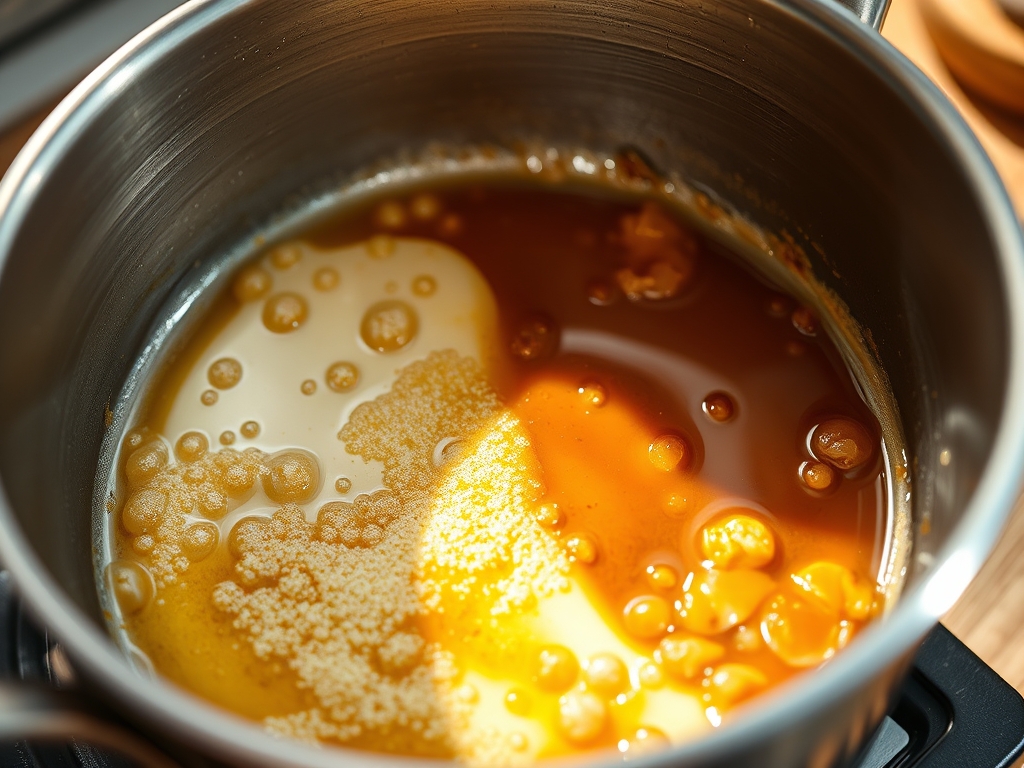
Place your neutral oil into a heavy-bottomed saucier over the lowest possible heat setting. Use a digital probe thermometer to monitor the temperature. You are aiming for a steady 55 degrees Celsius (131 degrees Fahrenheit). Do not exceed this threshold.
Pro Tip: High heat destroys the delicate sulfur-based aromatics of the truffle. Keeping the oil at a low, consistent temperature allows the lipids to gently infuse without scorching the organic matter.
2. Micro-Surface Area Maximization
While the oil warms, use a microplane or a sharp mandoline to shave the truffles into paper-thin slices. The goal is to maximize the surface area contact between the truffle cells and the oil.
Pro Tip: Use a bench scraper to transfer every single shaving into the oil. The more cell walls you rupture, the more aromatic compounds are released into the medium.
3. The Controlled Steep
Submerge the truffle shavings and the smashed garlic clove into the warm oil. Maintain the temperature for exactly 40 minutes. You should see tiny, infrequent bubbles; this indicates the moisture is slowly leaving the truffle, allowing the oil to take its place.
Pro Tip: This is a displacement reaction. As the water content of the truffle is rendered out, the oil permeates the structure, capturing the fat-soluble flavor molecules.
4. Filtration and Stabilization
Remove the saucier from the heat. Allow it to cool to room temperature. Strain the oil through a fine-mesh sieve lined with a coffee filter into a sterilized glass bottle. Add the Vitamin E oil if using.
Pro Tip: Using a digital scale to measure your final yield ensures consistency. The coffee filter removes micro-particles that could cause the oil to go cloudy or spoil prematurely.
Section B: Prep & Timing Fault-Lines:
The most common human error is impatience. If you rush the heating process, you will end up with a "cooked" truffle flavor, which is bitter and flat. If you skip the filtration step, the organic sediment will undergo anaerobic fermentation, creating off-flavors within 48 hours. Ensure your glass storage bottles are completely dry; even a single drop of water can introduce bacteria into your infusion, compromising the entire batch.
THE VISUAL SPECTRUM
Section C: Thermal & Visual Troubleshooting:
Referencing the Masterclass photo, your final Truffle Oil Infusion should possess a crystal-clear clarity with a pale golden hue. If your oil appears murky or "muddy," your filtration was insufficient or the temperature was too high, causing the truffle proteins to break down. If the oil is too dark, you have likely oxidized the lipids. The truffle slices remaining in the filter should look translucent and slightly shriveled, indicating that their essence has been successfully extracted into the carrier oil. If the garlic clove has turned brown, your heat was excessive; it should remain pale and soft.
THE DEEP DIVE
Macro Nutrition Profile:
Per 15ml (1 tbsp) serving: 120 Calories, 14g Total Fat, 0g Carbohydrates, 0g Protein. This is a pure lipid delivery system designed for aromatic impact rather than caloric density.
Dietary Swaps:
- Vegan: Naturally vegan.
- Keto: High-fat content makes this an ideal keto flavor enhancer.
- GF: Naturally gluten-free.
- Alternative Base: For a richer mouthfeel, use clarified butter (ghee) instead of oil, though this will solidify at room temperature.
Meal Prep & Reheating Science:
To maintain the molecular structure of your infusion, never expose it to direct, high-intensity heat for long periods. When using it in a dish, drizzle it as a finishing oil after the primary cooking is complete. If you must reheat a dish containing the oil, do so gently; excessive heat will cause the truffle aromatics to aerate and vanish into the exhaust hood rather than staying on the plate. Store the oil in a cool, dark place or the refrigerator to prevent UV-induced oxidation.
THE KITCHEN TABLE
How long does homemade truffle oil last?
Stored in a sterilized, airtight glass container in the refrigerator, this infusion remains chemically stable for about 2 to 3 weeks. Always check for cloudiness or off-smells before use to ensure food safety.
Can I leave the truffle pieces in the bottle?
While it looks aesthetically pleasing, leaving organic matter in the oil increases the risk of botulism and spoilage. For a professional-grade audit, always strain the oil to ensure a shelf-stable and clean product.
Why does my oil smell like garlic more than truffle?
Truffle aromatics are volatile and easily overpowered. If the garlic dominates, you likely used too much or overheated it. The garlic is meant to provide a piquant base note that supports, rather than eclipses, the truffle.
What is the best way to use this infusion?
Use it to deglaze a pan of wild mushrooms or drizzle it over a freshly whisked risotto. The heat of the food will release the trapped aromatics, creating an immediate olfactory impact for the diner.