Imagine a sensory overload where the forest floor meets high-velocity industrial processing. We are talking about the ultimate flavor multiplier. This is not just a condiment; it is a structural overhaul for your palate. When you dehydrate a fungi specimen, you are not just removing water. You are concentrating guanylate and glutamate into a crystalline powder that functions as a biological volume knob for savory notes. Welcome to the definitive Mushroom Powder Audit. We are here to strip away the moisture and leave behind a concentrated essence that can turn a mediocre broth into a viscous masterpiece. This audit demands precision. If your mushrooms are damp, your powder is mud. If your heat is too high, you incinerate the delicate volatile compounds that provide that earthy, piquant punch. We are building a technical infrastructure for your pantry that renders salt nearly obsolete. Prepare to analyze every fiber and spore as we transition from raw organic matter to a shelf-stable umami bomb that will redefine your culinary architecture.
THE DATA MATRIX
| Metric | Specification |
|---|---|
| Prep Time | 15 Minutes |
| Execution Time | 4 to 6 Hours |
| Yield | 120g / 1.25 cups |
| Complexity (1-10) | 3 |
| Estimated Cost per Serving | $0.18 |
THE GATHERS
Ingredient Protocol:
- 500g / 1.1 lbs Fresh Cremini or Shiitake Mushrooms
- 15g / 1 tbsp Dried Porcini Mushrooms (for depth reinforcement)
- 5g / 1 tsp Fine Sea Salt
- 2g / 0.5 tsp Dehydrated Garlic Granules
- 1g / 0.25 tsp Black Peppercorns
Section A: Ingredient Quality Audit:
Sub-par raw materials will compromise the structural integrity of your dust. If your mushrooms feel slimy or have a fermented odor, the moisture content is too high for a clean dehydration cycle. Technical fix: Perform a surface-tension test. If the mushroom cap does not snap when bent, it is too old. For mushrooms that are slightly soft but not spoiled, use a salad spinner to remove external moisture before slicing. If the flavor profile is weak, the "fix" is the addition of the dried porcini. This acts as a catalyst to boost the overall guanylate concentration of the final batch.
THE MASTERCLASS
1. The Precision Slicing Phase
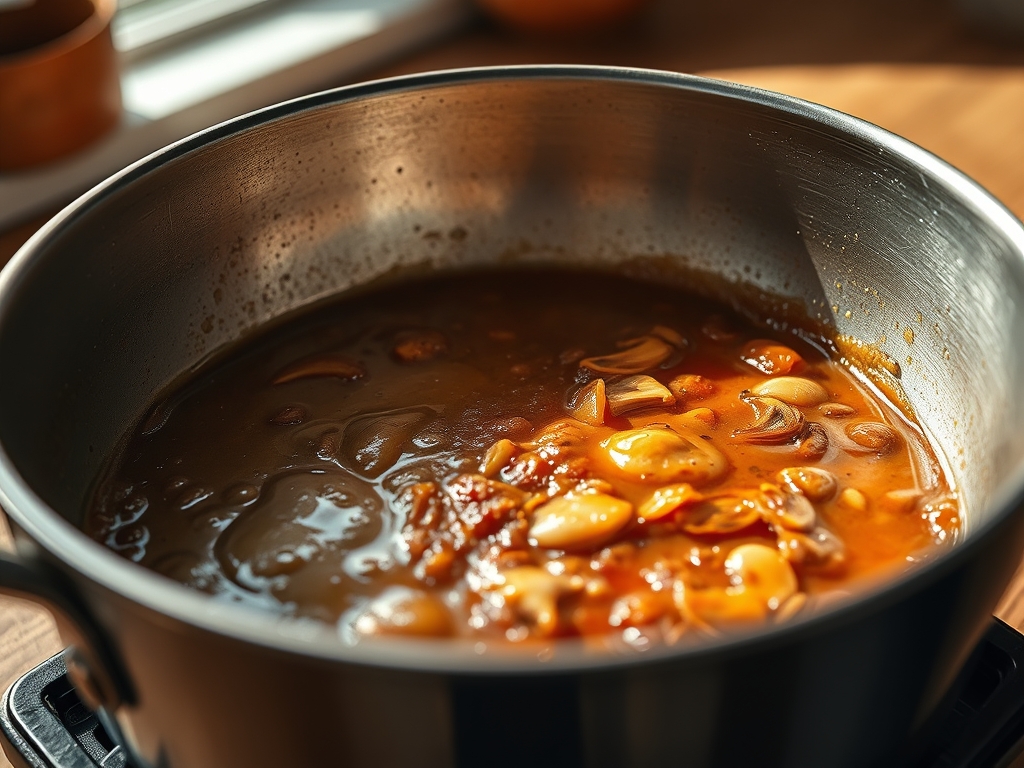
Use a sharp mandoline or a heavy-duty chef knife to slice the mushrooms into uniform 3mm segments. Consistency is non-negotiable here. If the slices vary in thickness, the dehydration rate will be uneven; leading to some pieces being burnt while others remain leathery.
Pro Tip: Use a bench scraper to efficiently transfer your uniform slices from the cutting board to the drying trays without bruising the delicate cellular walls of the fungi.
2. Thermal Extraction and Dehydration
Arrange the slices on the racks of a food dehydrator or a wire rack set over a rimmed baking sheet. Set your equipment to 55 degrees Celsius (130 degrees Fahrenheit). This low-temperature threshold ensures we infuse the air with moisture without triggering a full Maillard reaction that could turn the powder bitter.
Pro Tip: Use a digital thermometer to verify the internal oven temperature if you are not using a dedicated dehydrator. Standard ovens often fluctuate; a constant airflow is required to aerate the mushrooms and prevent steaming.
3. The Desiccation Verification
After four hours, check for brittleness. The mushroom should snap like a cracker. If there is any "give" or flexibility, the internal moisture will cause the powder to clump and eventually mold.
Pro Tip: Weigh a sample slice on a digital scale. If the weight continues to drop over a thirty-minute window, water is still evaporating and the process is incomplete.
4. Molecular Pulverization
Transfer the fully desiccated slices into a high-speed blender or a dedicated spice grinder. Pulse until the texture resembles fine silt. This increases the surface area exponentially, allowing the powder to render its flavor instantly when it hits a liquid medium.
Pro Tip: Pass the final product through a fine-mesh chinois or sieve to remove any woody stems that refused to pulverize. This ensures a silky mouthfeel in your final dishes.
Section B: Prep & Timing Fault-Lines:
The most common failure in this Mushroom Powder Audit is "The Steam Trap." If you crowd the trays, the mushrooms release moisture into a localized microclimate, effectively poaching themselves. Technical fix: Ensure at least 1cm of space between each slice. Another fault-line is the "Grinder Heat" error. Running a spice grinder for more than 30 seconds straight can generate enough friction heat to cook the oils in the powder. Use short, five-second bursts to maintain the molecular integrity.
THE VISUAL SPECTRUM
Section C: Thermal & Visual Troubleshooting:
Referencing the Masterclass photo above, look for a "Pale Toasted Oak" color. If your powder looks dark brown or black, you have oxidized the sugars too quickly; the flavor will be acrid. If the powder looks grey and clumpy, the dehydration was insufficient. To fix uneven browning, rotate your trays every hour. If you notice a dull, dusty appearance without any crystalline shimmer, you may have skipped the salt integration. The salt acts as an anti-caking agent and a flavor bridge. If the texture is gritty rather than silken, your grinding duration was insufficient or your sieve was too coarse.
THE DEEP DIVE
Macro Nutrition Profile:
Mushroom powder is a nutritional powerhouse with negligible caloric density. Per tablespoon, expect approximately 10-15 calories, 1g of protein, and 0g of fat. It is a significant source of selenium and B-vitamins, making it a functional "superfood" additive.
Dietary Swaps:
- Vegan: Naturally compliant. Use as a "Parmesan" substitute when mixed with nutritional yeast.
- Keto: High flavor, zero net carbs. Perfect for thickening sauces without flour or cornstarch.
- GF: Naturally gluten-free. Ensure your dried porcini source is certified to avoid cross-contamination.
Meal Prep & Reheating Science:
The molecular structure of this powder is highly hygroscopic; it loves to absorb water. Store it in an airtight glass jar with a desiccant pack to prevent clumping. When reheating dishes fortified with this powder, avoid boiling them aggressively. High heat can cause the concentrated proteins to coagulate, potentially muting the viscous quality you worked so hard to achieve.
THE KITCHEN TABLE
How do I prevent my powder from clumping?
Always include a few grains of dry rice or a food-grade silica packet in your storage jar. This manages the internal humidity and ensures the powder remains free-flowing and ready to deglaze any pan.
Can I use the stems for this audit?
Absolutely. While stems are often too woody for sautéing, they contain high concentrations of umami. The pulverization process breaks down those tough cellulose structures, making them perfectly palatable and highly flavorful in powder form.
Why does my powder smell like nothing?
You likely used old, grocery-store white buttons. For a high-impact Mushroom Powder Audit, you need varieties with lower water content and higher amino acid profiles, such as Shiitake or Cremini. Always add a small portion of dried wild mushrooms.
How long will this technical infrastructure last?
If stored in a cool, dark environment in an airtight container, the powder maintains peak potency for six months. Beyond that, the volatile aromatics begin to dissipate, though the base umami remains functional for up to a year.
Is it necessary to wash the mushrooms first?
Negative. Washing introduces unnecessary moisture into the cellular matrix. Use a dry brush or a damp paper towel to remove debris. We are in the business of dehydration; do not start by hydrating the product.