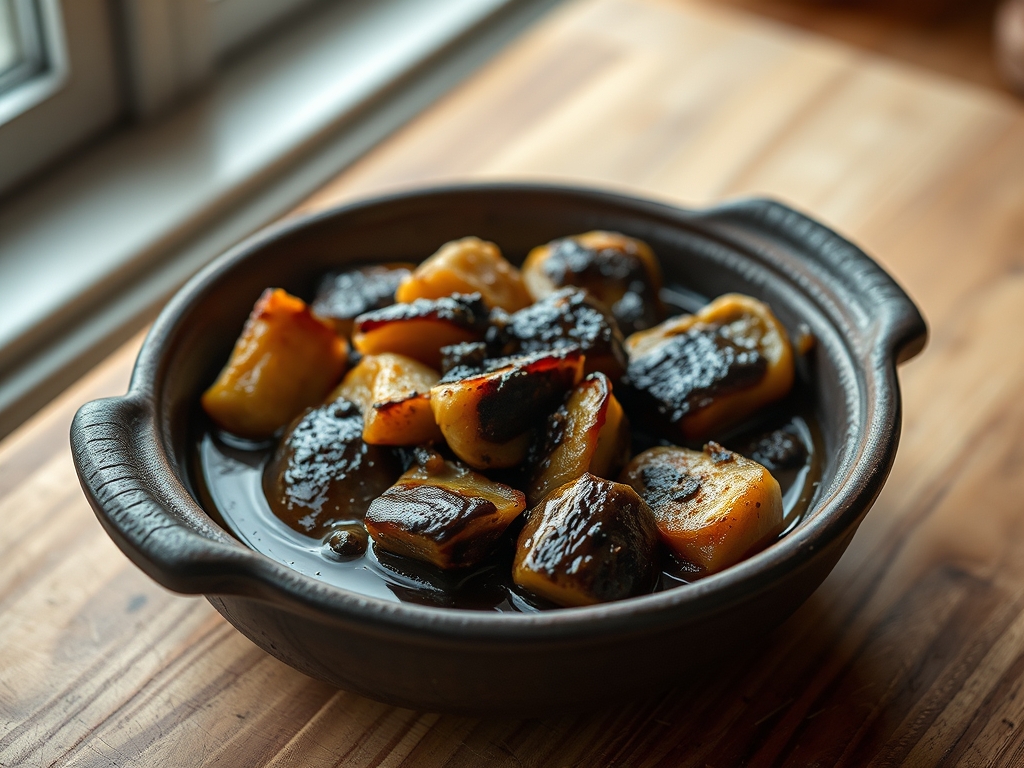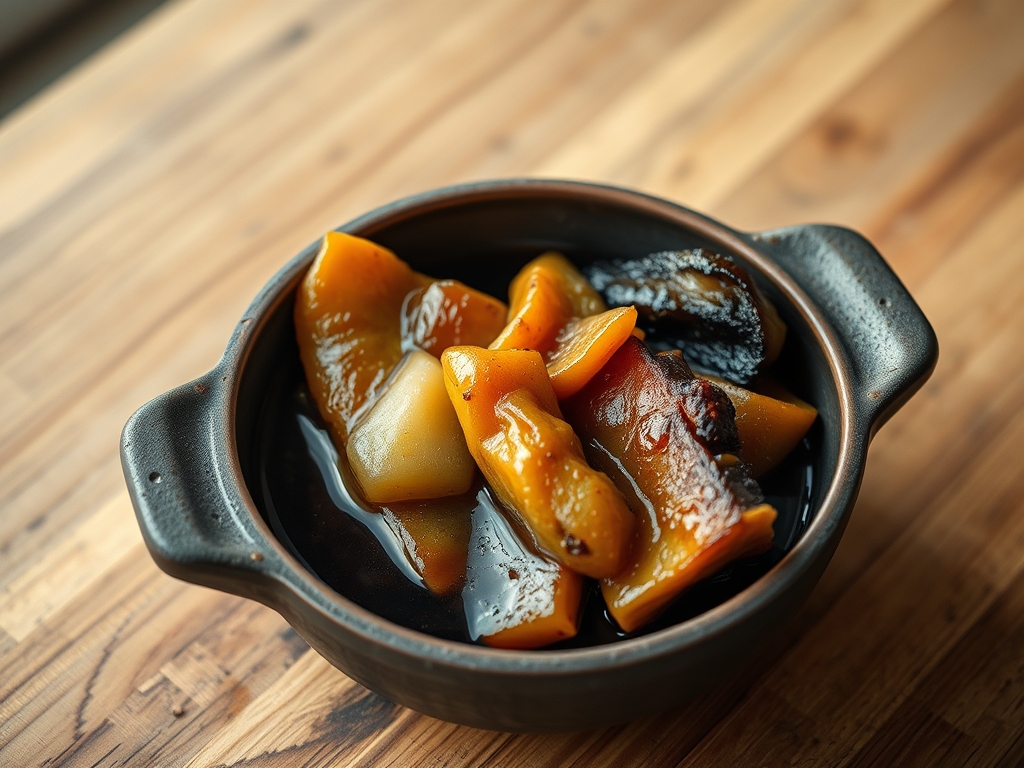
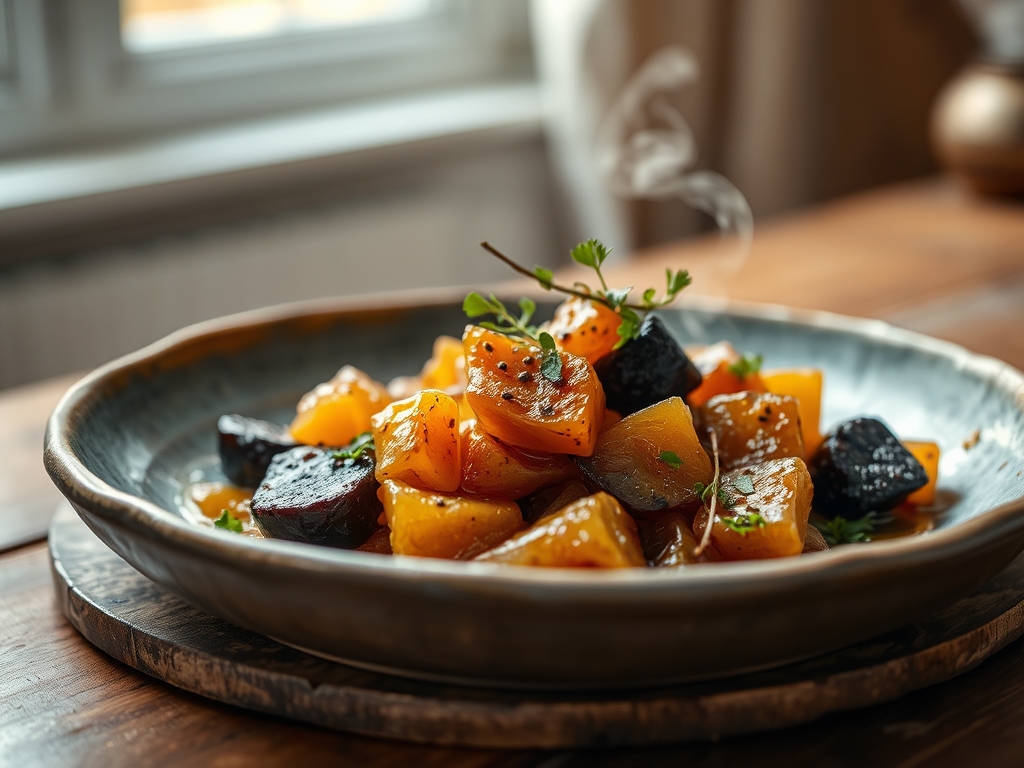
Craterous, obsidian, and smelling of damp earth and smoke; the Craterellus cornucopioides is not a mushroom for the faint of heart. We are not dealing with the rubbery, water-logged buttons of a supermarket shelf. This is a technical audit of the Black Trumpet Saute, a dish that demands respect for dark pigment stability and high-heat thermodynamics. When these fungi hit a hot pan, they do not just cook; they undergo a transformative molecular shift. The goal is to maximize the surface area for the Maillard reaction while preserving the delicate, funnel-like structure that gives this mushroom its name. We are hunting for a texture that is simultaneously crisp on the margins and tenderly viscous at the core. You need to approach this with the precision of a lab technician. If you fail to manage the moisture, you end up with a grey, muddy slurry. If you succeed, you unlock a deep, truffle-adjacent umami that lingers on the palate like a dark symphony. Let us begin the audit.
THE DATA MATRIX
| Metric | Specification |
|---|---|
| Prep Time | 20 Minutes |
| Execution Time | 10 Minutes |
| Yield | 4 Servings |
| Complexity (1-10) | 6 |
| Estimated Cost per Serving | $8.50 |
THE GATHERS
Ingredient Protocol:
- 500g / 1.1 lbs Fresh Black Trumpet Mushrooms
- 60g / 4 tbsp Unsalted High-Fat Butter
- 30ml / 2 tbsp Extra Virgin Olive Oil
- 30g / 3 Medium Shallots, finely minced
- 15g / 3 cloves Garlic, microplaned
- 5g / 1 tsp Fresh Thyme leaves
- 15ml / 1 tbsp Dry Sherry or Cognac
- 5g / 1 tsp Flaky Sea Salt
- 2g / 0.5 tsp Freshly Cracked Black Pepper
Section A: Ingredient Quality Audit:
If your mushrooms arrive feeling slimy rather than velvety, they have begun anaerobic decomposition. You cannot fix rot, but you can revive slightly wilted trumpets by placing them on a wire rack in a refrigerator with active airflow for two hours to aerate the chitin. If the shallots lack a piquant bite and feel soft, they will turn bitter when heated. Substitute with the white parts of scallions to maintain the sulfur profile. For sub-par butter with high water content, render it down into clarified butter before starting to ensure the smoke point is high enough for a proper sear.
THE MASTERCLASS
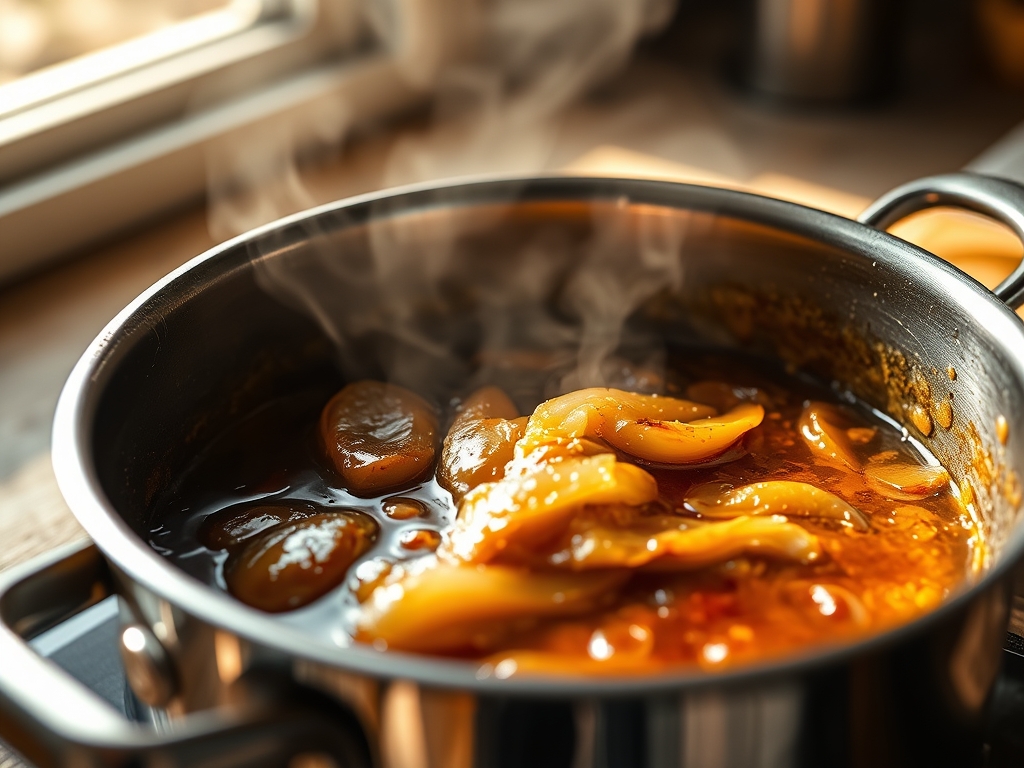
1. The Dry Cleaning Protocol
Before the heat is even considered, you must inspect the "bells" of the trumpets. Use a soft pastry brush or a dedicated mushroom brush to remove forest debris. Never soak these; their porous structure acts like a sponge. Split larger specimens lengthwise using a bench scraper or paring knife to ensure no grit is trapped in the hollow stem.
Pro Tip: Use a digital scale to ensure your mushroom-to-fat ratio is precise. Excess fat leads to deep-frying rather than sautéing, which destroys the subtle earthiness of the pigments.
2. The Initial Desiccation
Place a heavy-bottomed saucier or cast-iron skillet over medium-high heat. Add the mushrooms to the dry pan first. This "dry sauté" forces the internal cellular water to evaporate without the interference of lipids, concentrating the flavor.
Pro Tip: This stage is about managing the "weep." Once the mushrooms release their liquid, let it evaporate entirely before adding fat. This ensures the cell walls are primed for the Maillard reaction.
3. The Lipid Infusion
Add the butter and olive oil once the pan is dry. The oil raises the smoke point of the butter, preventing the solids from burning. Toss the mushrooms vigorously to coat every surface. Add the shallots and thyme now.
Pro Tip: Use a silicone spatula to scrape the bottom of the pan constantly. You are looking to infuse the fat with the mushroom essence while the shallots soften into a translucent, savory base.
4. The Deglaze and Emulsification
Once the mushrooms show charred edges, pour in the Sherry. The alcohol will deglaze the fond (the browned bits) from the bottom of the pan. Stir rapidly as the liquid reduces to a glaze.
Pro Tip: This is a flash-evaporation technique. The acidity in the wine balances the heavy fats, creating a light emulsion that coats the fungi without making them greasy.
Section B: Prep & Timing Fault-Lines:
The most common human error is "pan crowding." If you dump 500g of mushrooms into a small pan, the temperature drops instantly, and the mushrooms boil in their own juice. Work in batches if necessary. Another failure point is the garlic timing. If you add microplaned garlic at the start, it will burn and turn acrid before the mushrooms are done. Always add aromatics in the final 120 seconds of high-heat execution.
THE VISUAL SPECTRUM
Section C: Thermal & Visual Troubleshooting:
Look at the Masterclass photo above. Notice the "matte-to-gloss" transition. A perfect Black Trumpet Saute should look like polished onyx. If your dish looks dull or grey, you likely lacked sufficient heat or failed to use enough fat during the second stage. If the mushrooms appear shriveled and stringy, you overcooked them, causing the chitin to collapse entirely. The visual cue for completion is a slight curling of the edges and a vibrant, deep purple-black hue that reflects the light. If the pan looks "wet," increase the heat immediately to tighten the sauce into a viscous coating.
THE DEEP DIVE
Macro Nutrition Profile:
Per serving, this dish offers approximately 140 calories, 12g of fat (mostly from the butter), 4g of fiber, and 3g of protein. Black trumpets are surprisingly high in Vitamin B12 and copper, making them a powerhouse for neurological health.
Dietary Swaps:
- Vegan: Swap the butter for a high-quality cashew butter or a neutral avocado oil to maintain the creamy mouthfeel.
- Keto: This dish is naturally keto-friendly; increase the butter for higher fat macros.
- GF: Naturally gluten-free. Ensure your Sherry is not a flavored blend containing additives.
Meal Prep & Reheating Science:
Mushrooms contain a high amount of water and protein. Reheating in a microwave will result in a rubbery texture due to uneven molecular agitation. To reheat, return them to a cold pan with a teaspoon of water; cover and heat on low. This creates a steam-chamber effect that rehydrates the fibers without toughening the proteins.
THE KITCHEN TABLE
Why are my black trumpets bitter?
Bitterness usually stems from burnt garlic or over-reduced alcohol. If the mushrooms themselves are bitter, they may have been harvested too late in the season. A pinch of sugar can neutralize minor bitter notes during the final toss.
Can I use dried black trumpets for this?
Yes, but the texture will change. Rehydrate them in warm water for 20 minutes, squeeze dry, and proceed. Save the soaking liquid; it is a potent umami bomb for future soups or pan sauces.
What is the best pan for this audit?
Cast iron or carbon steel is superior. These materials have high thermal mass, meaning they do not lose heat when the cold mushrooms hit the surface, ensuring an immediate sear rather than a slow sweat.
How do I store leftovers without them getting slimy?
Place them in a glass airtight container with a paper towel tucked inside. The towel absorbs residual condensation, preventing the mushrooms from sitting in moisture, which breaks down their structural integrity over 24 hours.