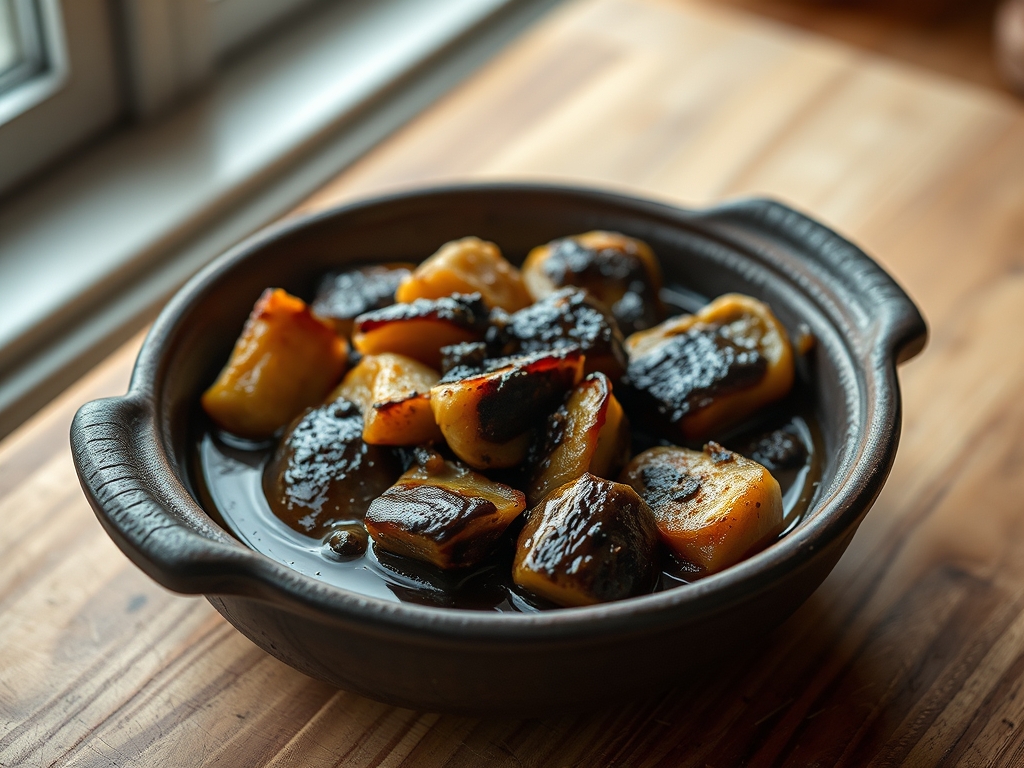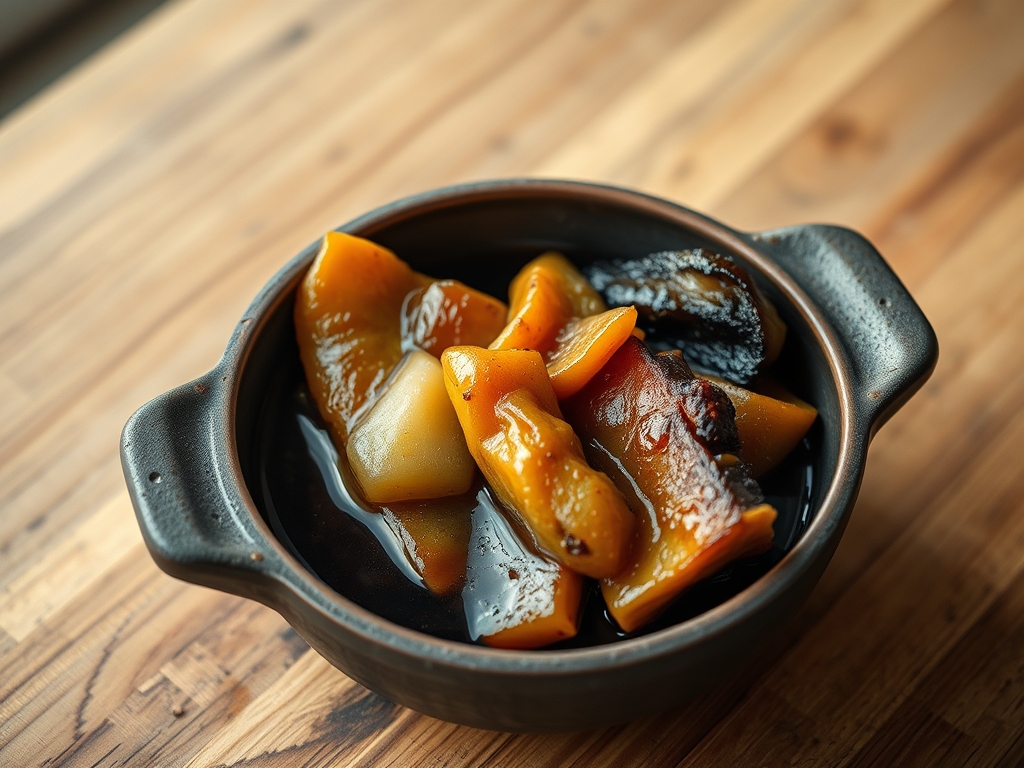
Stop thinking of rice as a side dish and start viewing it as a sophisticated hydraulic system designed to transport flavor. When we discuss a Mushroom Risotto Base, we are not just talking about dinner; we are talking about the precise calibration of fungal polysaccharides and short-grain amylopectin. The air in your kitchen should be thick with the scent of earth and oxidized lipids. You are hunting for that specific, elusive moment where the cell walls of a cremini mushroom collapse, surrendering their moisture to the pan while their proteins undergo the Maillard reaction. This is a high-stakes engineering project. If you miss the mark, you have a bowl of wet grain. If you hit it, you have a viscous, gold-flecked emulsion that vibrates with piquant intensity. We are here to audit your technique, eliminate the variables of human error, and ensure that every grain of rice is suspended in a velvet-smooth matrix of concentrated umami. Let us begin the deployment.
THE DATA MATRIX
| Metric | Specification |
|---|---|
| Prep Time | 20 Minutes |
| Execution Time | 35 Minutes |
| Yield | 4 Standard Servings |
| Complexity (1-10) | 7 (High Focus Required) |
| Estimated Cost per Serving | $3.25 – $4.50 |
THE GATHERS
Ingredient Protocol:
- Arborio or Carnaroli Rice: 300g / 1.5 cups
- Mixed Fresh Mushrooms (Cremini, Shiitake, Oyster): 450g / 1 lb
- Dried Porcini Mushrooms: 15g / 0.5 oz
- Vegetable or Chicken Stock: 1.2L / 5 cups
- Dry White Wine (Pinot Grigio or Sauvignon Blanc): 120ml / 0.5 cup
- Shallots, finely minced: 60g / 2 large bulbs
- Unsalted Butter (High-fat European style): 60g / 4 tbsp
- Parmigiano Reggiano, freshly grated: 50g / 0.5 cup
- Extra Virgin Olive Oil: 30ml / 2 tbsp
- Fresh Thyme: 3 sprigs
- Kosher Salt and Black Peppercorns: To taste
Section A: Ingredient Quality Audit:
The most common failure point in a Mushroom Risotto Base is the moisture content of the fungi. If your mushrooms look slimy or bruised, they will steam rather than sear, resulting in a rubbery texture and a muted flavor profile. Technical Fix: If your mushrooms are slightly past their prime, slice them thin and dehydrate them in a low oven (95C / 200F) for twenty minutes before use to concentrate their sugars. Furthermore, avoid "pre-grated" cheese at all costs. The anti-caking agents (cellulose) used in pre-packaged cheese will prevent a smooth emulsion, leaving you with a grainy, broken sauce. Always use a microplane to grate your cheese fresh from the block.
THE MASTERCLASS
Step 1: The Fungal Extraction
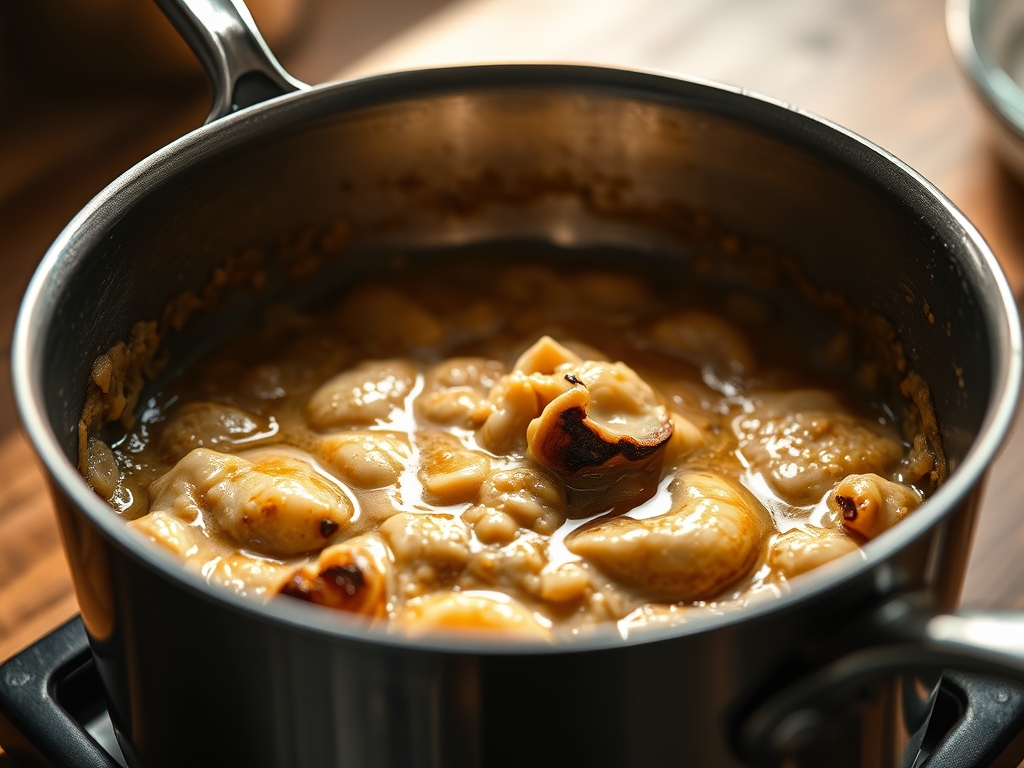
Clean your mushrooms with a damp cloth; never soak them. Slice them into uniform 5mm pieces using a sharp chef knife to ensure even heat distribution. Heat your olive oil in a wide saucier over medium-high heat. Add the mushrooms in a single layer and do not stir for the first three minutes. You want to render out the water and achieve a deep, mahogany brown crust.
Pro Tip: This is the Maillard reaction in action. By allowing the mushrooms to sit undisturbed, you create complex flavor compounds that cannot be replicated through boiling. Use a bench scraper to quickly clear the pan once the browning is complete.
Step 2: The Aromatic Foundation
Reduce the heat to medium and add half of the butter and the minced shallots. Sauté until translucent but not browned. Add the rice directly to the fat. This is the "tostatura" phase. Stir constantly for two minutes until the edges of the rice grains become translucent while the centers remain opaque.
Pro Tip: Toasting the rice creates a physical barrier on the exterior of the grain. This ensures the rice releases starch slowly, preventing the dish from turning into mush. Use a digital scale to ensure your rice-to-fat ratio is precise for optimal coating.
Step 3: The Deglaze and Hydration
Pour in the white wine to deglaze the pan, scraping up all the fond (the brown bits) from the bottom. Once the wine has been fully absorbed, begin adding your warm stock one ladle at a time. Stir frequently. The friction of the rice grains rubbing against each other is what sloughs off the starch to create the creaminess.
Pro Tip: Temperature stability is vital. Your stock must be simmering in a separate pot. Adding cold stock to a hot pan shocks the rice and causes the exterior to break down before the interior is cooked, ruining the structural integrity of the grain.
Step 4: The Emulsion (Mantecatura)
When the rice is al dente (firm to the bite but not crunchy), remove the pan from the heat. This is the most critical stage. Add the remaining cold butter and the grated cheese. Vigorously beat the mixture with a wooden spoon to aerate the sauce and incorporate the fats.
Pro Tip: Removing the pan from the heat prevents the cheese from "breaking" into oil and solids. The residual heat is sufficient to create a glossy, viscous suspension that coats every grain perfectly.
Section B: Prep & Timing Fault-Lines:
Timing is the silent killer of great risotto. If you prep your aromatics while the rice is already toasting, you will burn the starch. All mise en place must be completed before the flame is lit. If you find your rice is cooking too fast on the outside, lower your heat immediately. The liquid should maintain a gentle simmer, not a rolling boil. If you run out of stock before the rice is tender, use warm water. Never use cold water, as it will stall the starch release and result in a chalky finish.
THE VISUAL SPECTRUM
Section C: Thermal & Visual Troubleshooting:
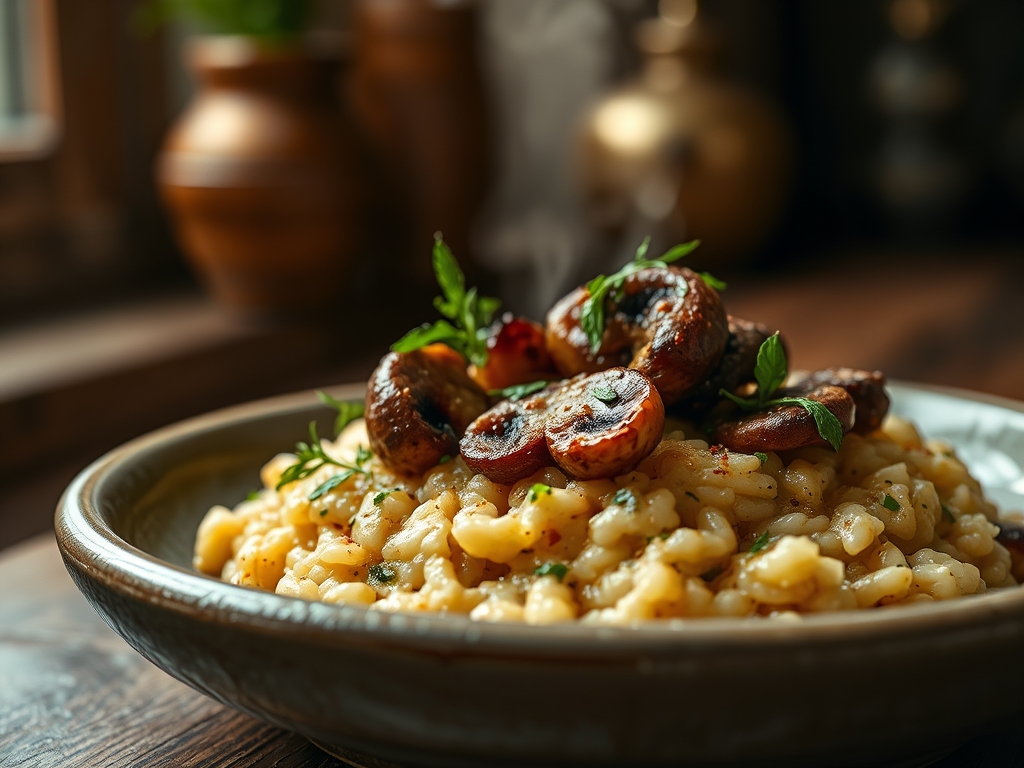
Look closely at the reference photo. You should see a "wave" effect (all'onda) where the risotto moves fluidly when the pan is shaken. If your base looks like a static mound of rice, it is too dry; add a splash of warm stock. If you see a pool of liquid separating from the grains, you have not stirred enough to create the emulsion. The color should be a rich, earthy tan. If the dish looks grey, you likely overcrowded the pan during the mushroom searing phase, causing them to steam in their own juices. To fix a dull appearance, finish with a teaspoon of fresh lemon juice to brighten the colors and the flavor profile.
THE DEEP DIVE
Macro Nutrition Profile:
A standard serving of this Mushroom Risotto Base contains approximately 380 calories. It is high in complex carbohydrates (52g) and provides a solid hit of B-vitamins and selenium from the mushrooms. The fat content (14g) is primarily from the butter and cheese, which provides the satiety needed for a main course.
Dietary Swaps:
- Vegan: Replace the butter with a high-quality vegan buttery spread or extra virgin olive oil. Substitute the Parmigiano with two tablespoons of nutritional yeast and a teaspoon of white miso paste for that piquant umami kick.
- Keto: Traditional rice is not keto-friendly. Use riced cauliflower, but skip the "tostatura" phase and reduce the liquid volume by 70% as cauliflower does not absorb moisture like starch.
- GF: This recipe is naturally gluten-free; however, always audit your stock brand to ensure no wheat-based thickeners were used.
Meal Prep & Reheating Science:
Risotto is notorious for losing its structure when cooled. The amylopectin sets into a firm gel. To reheat, add the rice to a pan with two tablespoons of water or stock per serving. Heat over low flame, stirring constantly to break the starch bonds and restore the viscous texture. Do not use a microwave, as it creates hot spots that will turn the rice rubbery.
THE KITCHEN TABLE
Why is my risotto crunchy even after 20 minutes?
Your heat was likely too high, evaporating the liquid before it could penetrate the grain core. Or, your stock wasn't hot enough. Maintain a gentle simmer and ensure the rice is fully submerged during each addition.
Can I use different mushrooms?
Absolutely. While cremini provides the base, adding dried porcini (and their soaking liquid) introduces a deep, forest-floor musk. Avoid canned mushrooms, as their high water content and preservatives will destroy the delicate starch balance.
What wine is best for deglazing?
Use a dry, high-acid white wine. Avoid anything oaky like a heavy Chardonnay, as the tannins will become bitter when reduced. A crisp Sauvignon Blanc or a Pinot Grigio provides the perfect acidic counterpoint to the heavy fats.
How do I know when it is "Al Dente"?
Bite into a grain. It should have a tiny white speck in the center and offer a slight resistance. If it is completely soft, you have overcooked it; if it sticks to your teeth, it needs more liquid.