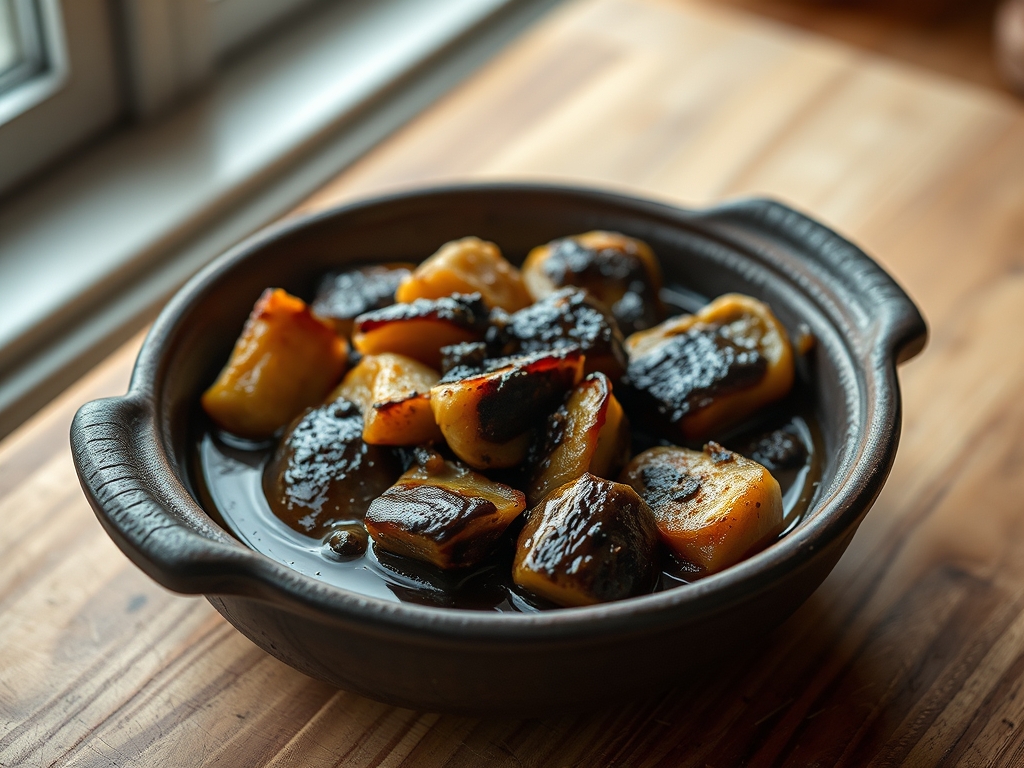
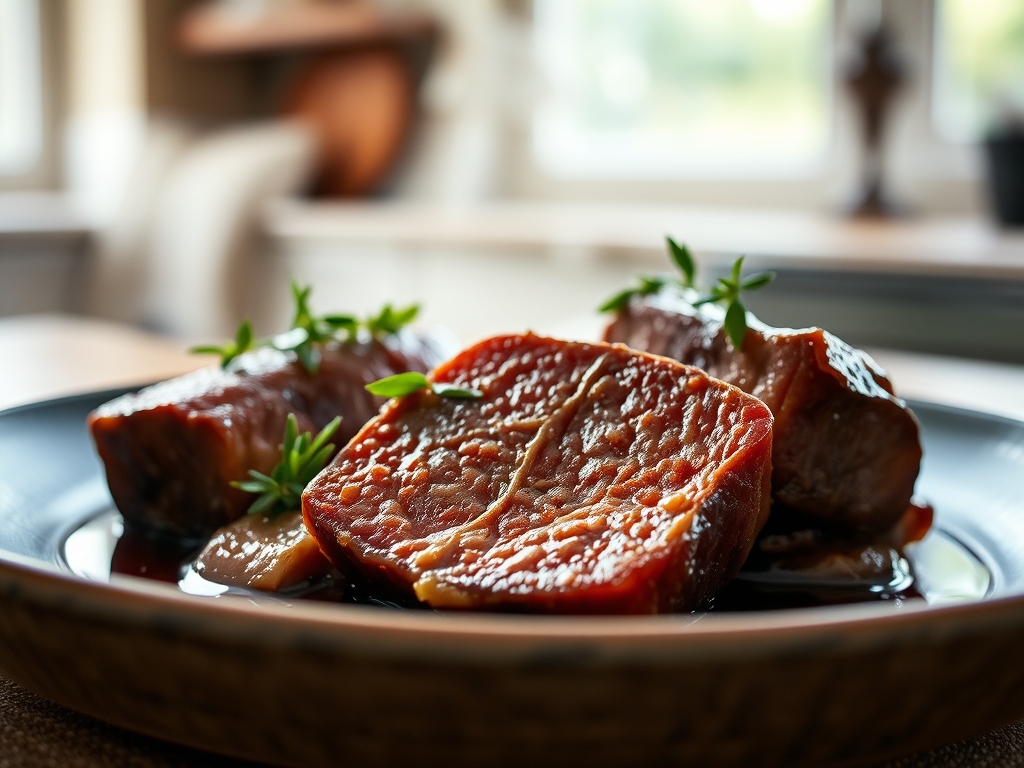
Forget the romanticized imagery of a rustic kitchen for a moment; we are here to discuss a high-stakes structural renovation of animal protein. When you engage in Beef Cheek Braising, you are not merely cooking dinner. You are acting as a biological engineer tasked with the total demolition of tough, connective tissue and its subsequent reconstruction into a rich, viscous masterpiece. Beef cheeks are the hardest working muscles in the bovine anatomy, perpetually grinding through fibrous cud. This relentless activity creates a dense network of Type I collagen that would break a lesser chef. Without the correct thermal application, you are left with a texture akin to a discarded leather boot. However, when you master the transition from collagen to gelatin, the result is a succulent, fork-tender marvel that coats the palate in a way that lean cuts simply cannot replicate. We are looking for a total breakdown of the intramuscular matrix. We want a sauce that clings with gravitational authority. Let us begin the audit of your culinary infrastructure.
THE DATA MATRIX
| Metric | Specification |
|---|---|
| Prep Time | 45 Minutes |
| Execution Time | 4 to 6 Hours |
| Yield | 4 Standard Servings |
| Complexity (1-10) | 7 (Requires Thermal Discipline) |
| Estimated Cost per Serving | $6.50 – $9.00 |
THE GATHERS
Ingredient Protocol:
- 1.2 kg / 2.6 lbs Beef Cheeks (Trimmed of heavy silver skin)
- 30 ml / 2 tbsp High-smoke point oil (Grapeseed or Avocado)
- 250 g / 2 cups Mirepoix (Finely diced onion, carrot, and celery)
- 45 g / 3 tbsp Tomato Paste (Double concentrated)
- 500 ml / 2 cups Full-bodied Red Wine (Cabernet or Syrah)
- 750 ml / 3 cups Fortified Beef Bone Broth
- 30 g / 2 tbsp Cold Unsalted Butter (For the final emulsification)
- 4 sprigs Fresh Thyme and 2 Dried Bay Leaves
- 15 g / 1 tbsp Whole Black Peppercorns
Section A: Ingredient Quality Audit:
The primary failure point in Beef Cheek Braising is often the raw material itself. If your cheeks arrive with excessive "silver skin" (the pearlescent connective tissue), it must be removed. Unlike internal collagen, silver skin does not melt; it contracts and toughens. Use a flexible boning knife to shave this away. If your mirepoix is chopped unevenly, your aromatics will burn before they can properly infuse the oil. Ensure a uniform 5mm dice. If your wine is too acidic or "corky," that bitterness will concentrate during the reduction phase. Always use a wine you would actually drink. If the beef lacks deep marbling, you may need to supplement the braise with a tablespoon of lard to ensure the mouthfeel remains viscous rather than stringy.
THE MASTERCLASS
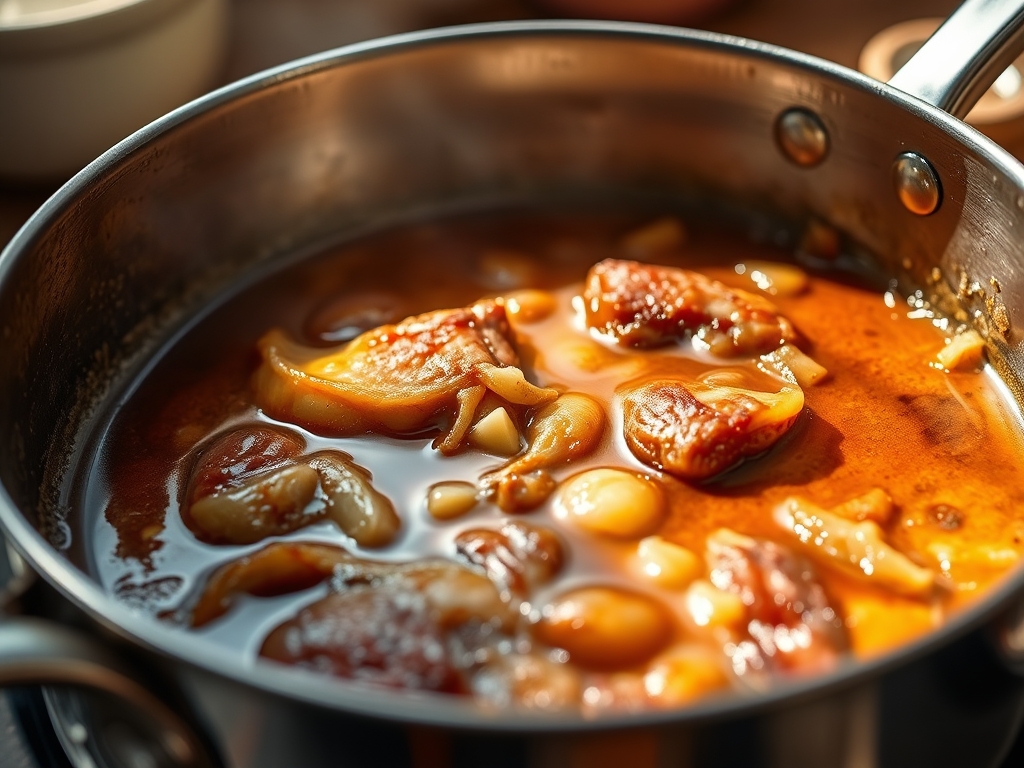
1. The Maillard Initiation
Pat the cheeks bone-dry with paper towels. Moisture is the enemy of the Maillard reaction. Season aggressively with kosher salt and sear in a heavy-bottomed Dutch oven or a copper-core saucier over high heat. You are looking for a deep, mahogany crust, not a light tan.
Pro Tip: Use a digital scale to ensure your salt ratio is exactly 1.5% of the meat's weight. The high heat triggers the chemical reaction between amino acids and reducing sugars, creating hundreds of different flavor compounds that provide the "meaty" backbone of the dish.
2. Deglazing and Aromatic Integration
Remove the meat and discard excess fat, leaving about two tablespoons. Toss in your mirepoix and sauté until the onions are translucent. Add the tomato paste and cook until it turns a dark rust color. Pour in the wine and use a bench scraper or wooden spoon to deglaze the bottom of the pan, scraping up every bit of the "fond."
Pro Tip: Deglazing is not just about cleaning the pan. It is a solvent-based extraction of caramelized proteins. The alcohol in the wine also helps to release flavor molecules that are not water-soluble, broadening the flavor profile.
3. The Low and Slow Transition
Submerge the cheeks in the bone broth until they are 75% covered. Add your herbs and peppercorns. Cover with a cartouche (a parchment paper lid) and a tight-fitting metal lid. Place in an oven preheated to 150C / 300F.
Pro Tip: A cartouche prevents the top of the meat from drying out while allowing a small amount of steam to escape. This concentrates the braising liquid without the risk of the meat becoming "pot-roasted" and tough. Monitoring internal temperature with a digital probe is essential; you are aiming for a steady 95C / 203F internal temp.
4. The Emulsion Protocol
Once the meat is tender, remove it carefully. Strain the liquid through a fine-mesh chinois into a clean pan. Reduce the liquid by half until it coats the back of a spoon. Whisk in the cold butter cubes one by one to aerate and thicken the sauce.
Pro Tip: This is "mounting with butter" (monter au beurre). The milk solids and fats create a stable emulsion with the gelatin-rich reduction, resulting in a glossy, velvet-like texture that professional kitchens prioritize for visual impact.
Section B: Prep & Timing Fault-Lines:
The most common human error is impatience. If you pull the cheeks at the three-hour mark because they "look done," the collagen has likely only reached the "tight" phase. It has not yet converted to gelatin. This results in meat that is technically cooked but physically arduous to chew. Use the "fork twist" test; if the meat doesn't yield to a gentle rotation of a fork, it needs another hour. Furthermore, failing to rest the meat in its own liquid after cooking causes the muscle fibers to expel moisture. Always allow the cheeks to cool slightly in the sauce before the final sear or service.
THE VISUAL SPECTRUM
Section C: Thermal & Visual Troubleshooting:
Referencing the Masterclass photo, your final product should exhibit a "glassy" sheen on the sauce. If the sauce looks dull or matte, you have not reduced it enough or failed to emulsify the butter correctly. If the meat appears grey rather than deep brown, your initial sear was insufficient. To fix a "broken" sauce where oil is floating on top, add a teaspoon of water and whisk vigorously over medium heat to re-establish the emulsion. If the vegetables in the sauce are mushy and unappealing, strain them out and replace them with freshly glazed root vegetables for a more professional aesthetic.
THE DEEP DIVE
Macro Nutrition Profile:
Beef cheeks are a powerhouse of protein and healthy fats. A standard 150g serving provides approximately 35g of protein, 18g of fat, and 0g of carbohydrates. The high gelatin content is exceptional for gut health and joint repair, though the caloric density is higher than leaner cuts like sirloin.
Dietary Swaps:
- Vegan: Replace beef cheeks with "Lion's Mane" mushrooms or thick-cut celery root steaks. Use vegetable demi-glace and coconut aminos for the umami punch.
- Keto: This recipe is naturally keto-friendly. Ensure the wine is a dry variety and avoid adding any flour-based thickeners.
- GF: The recipe is naturally gluten-free. Just verify that your beef broth does not contain hidden yeast extracts or malt.
Meal Prep & Reheating Science:
Beef cheeks actually improve after 24 hours. As they cool, the gelatin sets into a semi-solid state, further tenderizing the fibers. To reheat, do not use a microwave; the uneven radiation will toughen the proteins. Reheat gently in a saucepan over low heat with a splash of water to loosen the sauce, maintaining the molecular integrity of the emulsion.
THE KITCHEN TABLE
Why are my beef cheeks still tough after 4 hours?
You likely haven't reached the "melting point" of collagen. Increase the time, not the heat. Collagen breakdown is a function of time and consistent temperature, usually occurring between 160F and 200F.
Can I do this in a slow cooker?
Yes, but you must sear the meat and aromatics in a pan first. Slow cookers often lack the evaporative power to reduce the sauce, so you will need to finish the sauce on the stovetop for that viscous finish.
What is the best side dish for this?
Something that can absorb the piquant sauce. A buttery pomme purée or a creamy polenta provides the perfect structural base for the rich, heavy nature of the braised beef.
Do I have to use wine?
Wine provides necessary acidity to cut through the heavy fats. If abstaining, substitute with 2 tablespoons of high-quality balsamic vinegar or pomegranate juice to provide that essential sharp counterpoint to the richness.