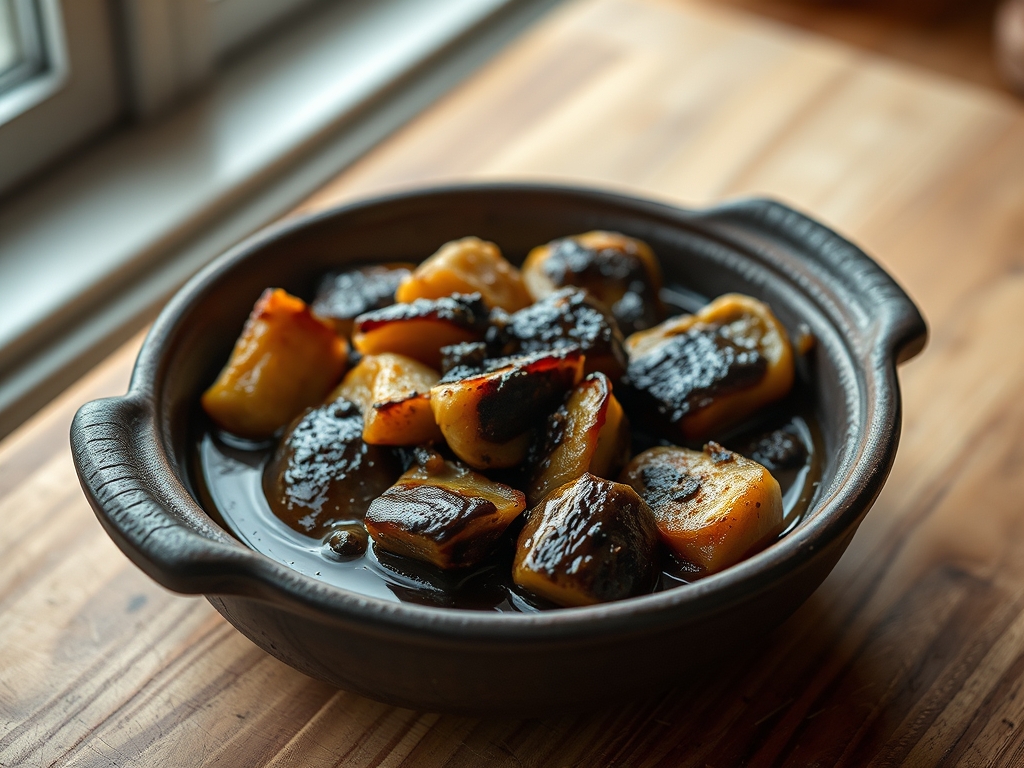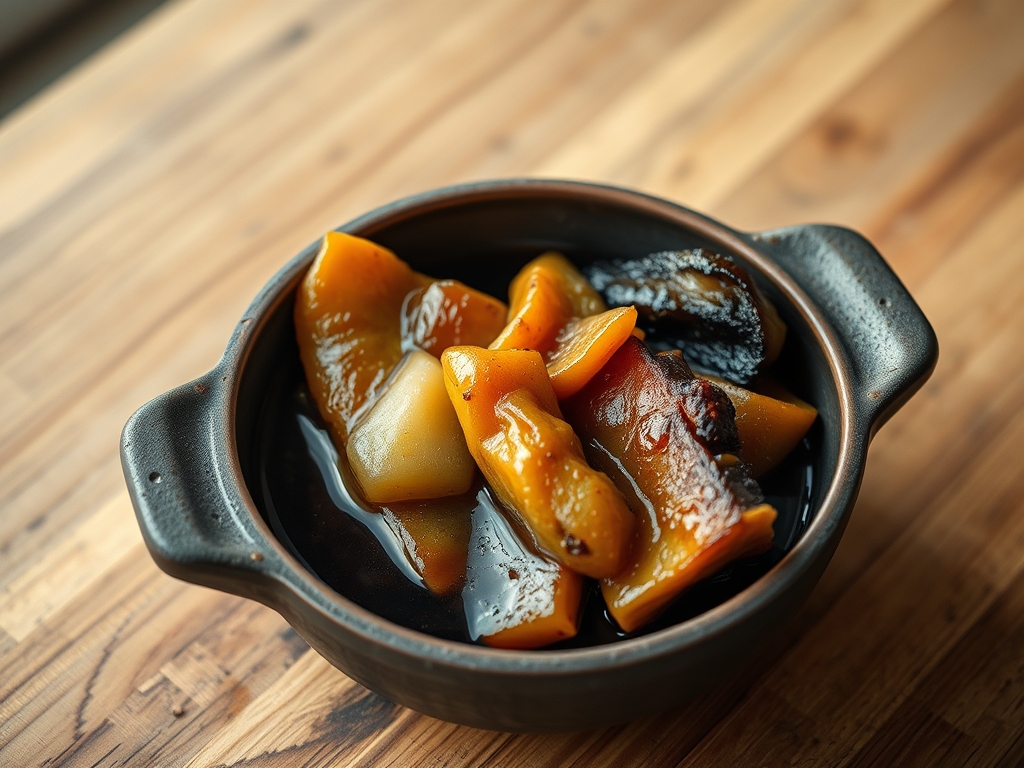
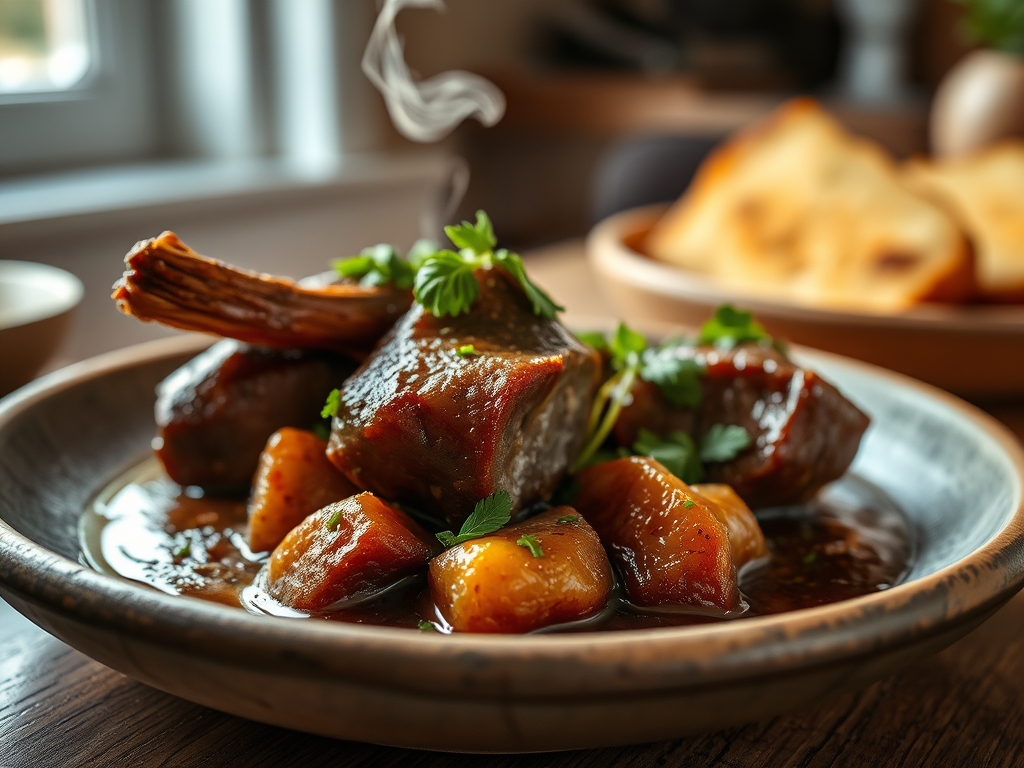
Forget everything you know about thin, watery broths. We are entering the realm of structural integrity where the spoon does not merely sit in the liquid; it is supported by it. Achieving peak Oxtail Stew Density is not an accident of long simmering. It is a calculated extraction of marrow lipids and collagenous proteins designed to create a mouthfeel that borders on the architectural. When you lift a piece of tail from the pot, the sauce should cling like a velvet shroud, shimmering with rendered fats and deep umami pigments. This is the difference between a home cook's hobby and a culinary auditor's masterpiece. We are looking for a specific viscosity that coat the palate without feeling greasy. We want a piquant depth that cuts through the richness. We are building a foundation of flavor that relies on the precise breakdown of connective tissue into gelatin. If your stew lacks body, you have failed the infrastructure test. Prepare to recalibrate your kitchen for high-pressure lipid management and serious flavor consolidation.
THE DATA MATRIX
| Metric | Specification |
|---|---|
| Prep Time | 45 Minutes |
| Execution Time | 4.5 Hours |
| Yield | 6 Servings |
| Complexity (1-10) | 8 |
| Estimated Cost per Serving | $12.50 / 11.50 EUR |
THE GATHERS
Ingredient Protocol:
- 2.3 kg / 5 lbs Center-Cut Oxtail (trimmed of excess exterior fat)
- 60 ml / 4 tbsp High-Smoke Point Oil (Grapeseed or Avocado)
- 300 g / 2 large Yellow Onions (brunoise cut)
- 150 g / 3 large Carrots (medium dice)
- 100 g / 2 stalks Celery (small dice)
- 45 g / 6 cloves Garlic (microplaned)
- 40 g / 2 tbsp Tomato Paste (double concentrated)
- 500 ml / 2 cups Dry Red Wine (Cabernet or Syrah)
- 1.5 L / 6 cups Fortified Beef Bone Broth
- 15 ml / 1 tbsp Worcestershire Sauce
- 5 g / 2 tsp Fresh Thyme (leaves only)
- 2 g / 3 leaves Dried Bay Leaves
- To taste Kosher Salt and Coarse Black Pepper
Section A: Ingredient Quality Audit:
If your oxtails are excessively fatty with minimal lean meat, your stew will suffer from "oil-slick syndrome" rather than true Oxtail Stew Density. Use a sharp paring knife to trim exterior white fat caps to a thickness of 3mm. If your beef broth is store-bought and lacks body, whisk in 10g of unflavored gelatin per 500ml of cold liquid before heating. This mimics the natural collagen found in professional-grade stocks. For aromatics that lack punch, "bloom" your dried spices in a small amount of hot oil for 30 seconds before adding the liquids to reactivate the volatile oils.
THE MASTERCLASS
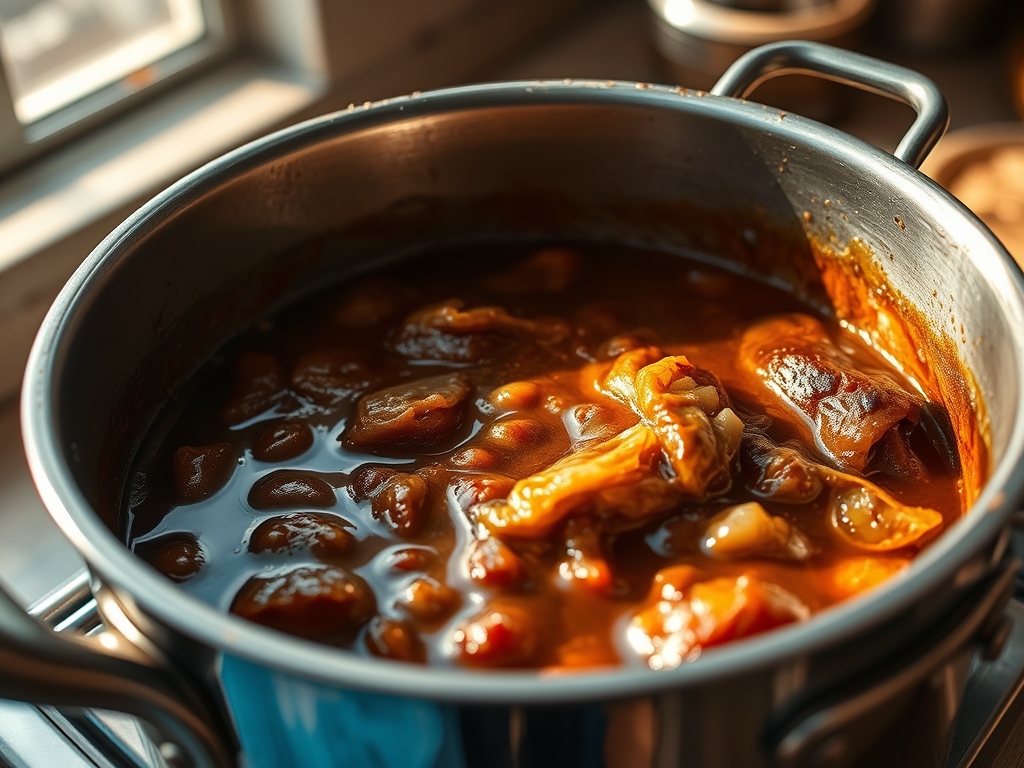
Step-by-Step Execution:
1. The Maillard Foundation
Pat the oxtails bone-dry with paper towels. Use a digital scale to ensure even portioning if necessary. Season aggressively with salt and pepper. Heat your oil in a heavy-bottomed saucier or Dutch oven until it reaches the shimmering point. Sear the meat in batches, ensuring a deep, mahogany crust on all sides. Do not crowd the pan.
Pro Tip: The Maillard reaction occurs most efficiently at temperatures between 140C and 165C. Moisture is the enemy of browning. By ensuring the meat is dry, you prevent the surface temperature from stalling at 100C (the boiling point of water), allowing for the complex flavor compounds to develop.
2. Aromatic Integration
Remove the meat and set aside. Use a bench scraper to clear any large charred bits, but keep the fond. Add the onions, carrots, and celery. Sauté until the onions are translucent and the carrots have softened slightly. Add the garlic and tomato paste, stirring constantly for 2 minutes until the paste turns a dark brick red.
Pro Tip: This process is known as "pincage." It caramelizes the sugars in the tomato paste and vegetables, providing the foundational dark color and "bass notes" of the stew's flavor profile.
3. The Deglaze and Infuse
Pour in the red wine. Use a wooden spoon to scrape the bottom of the pot, incorporating all the caramelized proteins (fond) into the liquid. Reduce the wine by half. Return the oxtails to the pot along with any accumulated juices. Add the bone broth, herbs, and Worcestershire sauce.
Pro Tip: Alcohol acts as a solvent for flavor molecules that are not water-soluble. Reducing the wine concentrates these flavors while ensuring the harsh ethanol bite evaporates, leaving only the piquant acidity behind.
4. Controlled Lipid Extraction
Bring the liquid to a bare simmer. Cover with a tight-fitting lid and transfer to a 150C (300F) oven. Cook for 3 to 4 hours. Every hour, check the liquid level; the meat should remain mostly submerged. The goal is the point where the meat is tender but not disintegrating.
Pro Tip: Maintaining a low, consistent temperature is vital for converting tough collagen into silky gelatin without toughening the muscle fibers. A heavy lid creates a micro-pressure environment that aids in heat distribution.
5. Viscosity Finalization
Carefully remove the oxtails from the liquid. Strain the sauce through a fine-mesh sieve into a clean saucepan. Skim the surface fat. Simmer the sauce over medium-high heat until it coats the back of a spoon. Return the meat to the sauce to glaze.
Pro Tip: This final reduction is where you achieve the legendary Oxtail Stew Density. If the sauce is too thin, the gelatin concentration is too low. If it is too thick, whisk in a tablespoon of hot water to adjust the tension.
Section B: Prep & Timing Fault-Lines:
The most common failure in timing is rushing the sear or the reduction. If you increase the heat to "save time," you will boil the meat, which tightens the protein fibers into rubbery knots. Use a digital probe thermometer to ensure your oven is calibrated correctly. If your stew is ready too early, do not keep it boiling. Turn off the heat and allow the residual energy to finish the work. Gelatin sets as it cools, so a 20-minute rest period is mandatory for the sauce to reach its structural peak.
THE VISUAL SPECTRUM
Section C: Thermal & Visual Troubleshooting:
Look at the Masterclass photo above. Notice the deep, reflective sheen on the sauce; this indicates a successful emulsification of fats and gelatin. If your stew looks "flat" or matte, you likely skimmed too much fat or failed to reduce the liquid sufficiently. If the color is pale, your initial sear was insufficient or the tomato paste did not undergo pincage. For uneven browning, ensure your pan is not overcrowded, as this causes the meat to steam in its own juices rather than sear. If you see "oil bubbles" on top, use a slice of bread or a fat separator to remove the excess lipids that haven't emulsified.
THE DEEP DIVE
Macro Nutrition Profile
A standard serving of this high-density stew contains approximately 450 calories, 32g of protein, 28g of fat, and 12g of carbohydrates. The high collagen content provides significant amounts of glycine and proline, which are essential for connective tissue health.
Dietary Swaps
- Keto: Replace carrots with daikon radish and omit the wine (use extra broth and a splash of red wine vinegar).
- Gluten-Free: This recipe is naturally GF as it relies on gelatin reduction rather than a flour-based roux for thickness.
- Vegan: This is a "lipid extraction" recipe; a vegan version requires a completely different infrastructure using mushrooms, seaweed, and vegetable gums.
Meal Prep & Reheating Science
Oxtail stew is notorious for being better the second day. As the stew cools, the gelatin forms a semi-solid matrix that traps flavor molecules. When reheating, do so slowly over low heat. Avoid the microwave, as uneven heating can break the emulsion, causing the sauce to "split" into a watery mess and a greasy film.
THE KITCHEN TABLE
Why is my stew sauce still watery after four hours?
You likely had too much initial liquid or a lid that was too loose. Remove the meat and reduce the liquid uncovered on the stovetop over medium-high heat until the desired Oxtail Stew Density is achieved through evaporation.
Can I make this in a pressure cooker?
Yes, but you will sacrifice flavor depth. Pressure cookers prevent the Maillard reaction from continuing during the braise. If using one, reduce the liquid by 30% and perform a vigorous stovetop reduction after the pressure cycle completes.
The meat is tender but the sauce is flavorless. Help!
You missed the "pincage" or deglazing steps. To fix this, whisk in a teaspoon of beef base or a splash of soy sauce. The salt and glutamates will help bridge the flavor gap and add much-needed depth.
How do I get that professional glossy shine?
The secret is a "monte au beurre." Just before serving, whisk in two tablespoons of cold, cubed butter. The milk solids and fats create a temporary emulsion that provides a brilliant, mirror-like finish to your sauce.