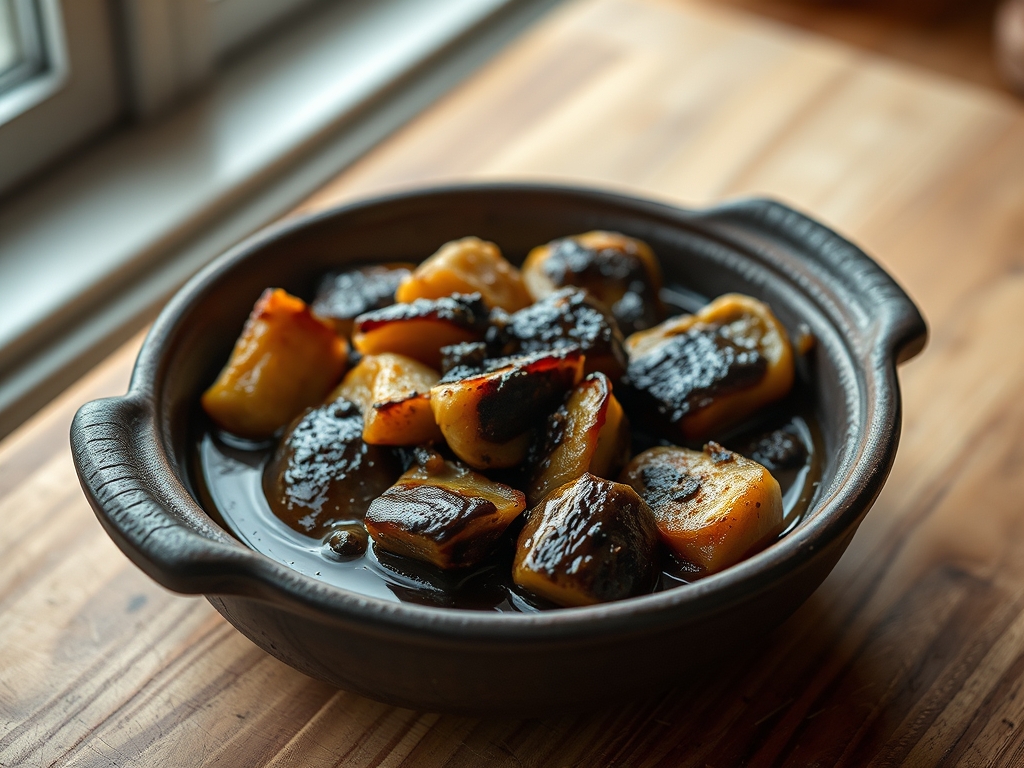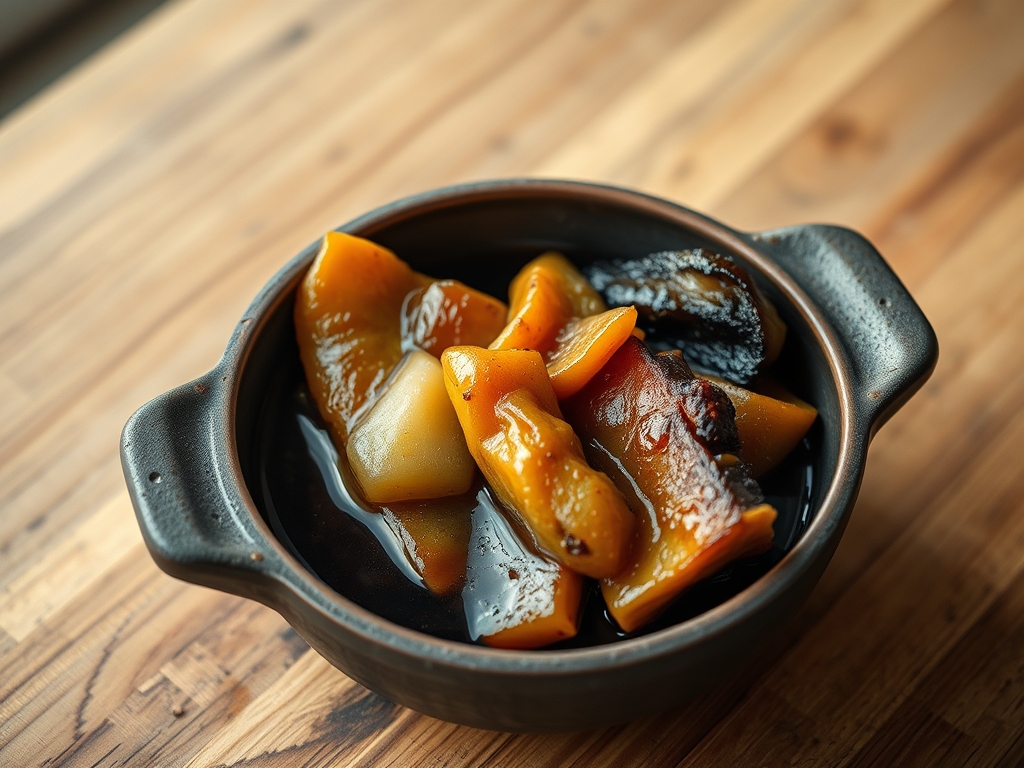
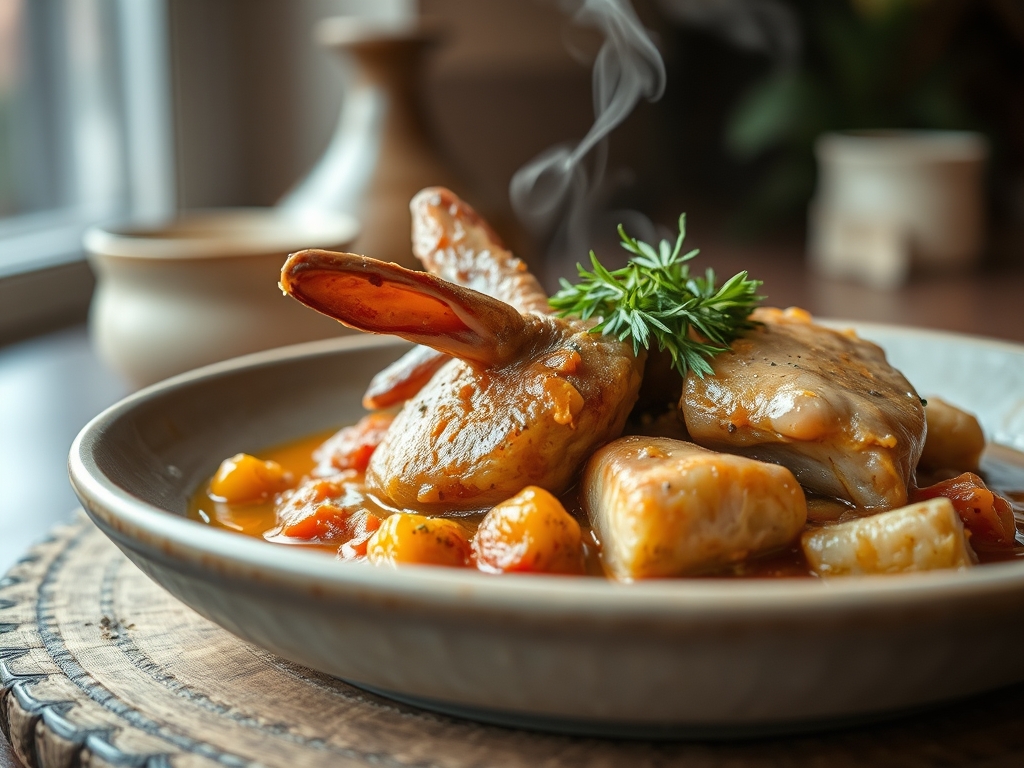
Listen up, kitchen operatives. We are moving beyond the realm of domestic simmering and into the high-stakes theater of protein rehydration. When you manage an asset as lean and structurally volatile as leporid muscle, you are not just making dinner; you are conducting a thermal intervention. Braised Rabbit Stew is the ultimate stress test for your culinary infrastructure. Rabbit is a high-performance, low-fat engine that will seize up and turn into a dry, fibrous mess if you disrespect the moisture-to-heat ratio. We are here to prevent that catastrophic failure. Imagine the scene: the aromatics are sweating under pressure, the wine is hitting the hot steel with a violent hiss, and the rabbit is undergoing a total molecular transformation from tough game to a succulent, fork-tender masterpiece. This is about precision. This is about controlling the environment so that every fiber of the meat is saturated with a rich, viscous liquid that carries the essence of the forest and the cellar. Strap in; we are about to optimize your stewing protocols.
THE DATA MATRIX
| Metric | Specification |
|---|---|
| Prep Time | 45 Minutes |
| Execution Time | 2.5 Hours |
| Yield | 6 Servings |
| Complexity (1-10) | 7 |
| Estimated Cost per Serving | $8.50 – $12.00 |
THE GATHERS
Ingredient Protocol:
- 1.5 kg / 3.3 lbs Whole Rabbit, fabricated into 8 pieces
- 150g / 5.3 oz Pancetta, diced into lardons
- 500ml / 2 cups Dry White Wine (preferably a crisp Sauvignon Blanc)
- 750ml / 3 cups High-Gelatin Chicken Stock
- 300g / 10.5 oz Pearl Onions, peeled
- 250g / 8.8 oz Cremini Mushrooms, quartered
- 30g / 2 tbsp All-Purpose Flour
- 60ml / 4 tbsp High-Smoke Point Oil (Grapeseed or Avocado)
- 3 Large Cloves of Garlic, smashed
- 15g / 1 tbsp Fresh Thyme leaves
- 10g / 2 tsp Kosher Salt
- 5g / 1 tsp Freshly Cracked Black Pepper
Section A: Ingredient Quality Audit:
If your rabbit arrives frozen and shows signs of freezer burn (white, dehydrated patches), do not proceed without a rehydration brine. Soak the pieces in a 5% salt solution for two hours to force moisture back into the cells. If your mushrooms are slimy, they will ruin the viscous quality of the sauce; discard them and use dried porcini rehydrated in warm water as a substitute. If the wine is too sweet, the final profile will be cloying rather than piquant. Balance an overly sweet base with a teaspoon of sherry vinegar during the final reduction phase.
THE MASTERCLASS
1. The Maillard Initiation
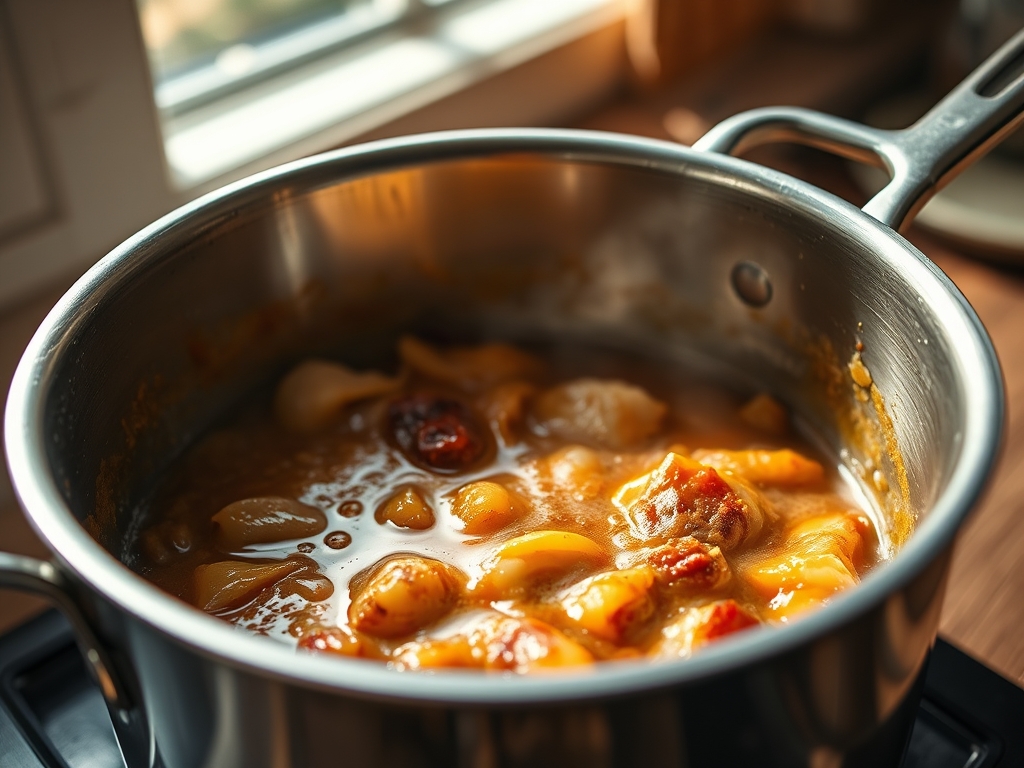
Pat the rabbit pieces bone-dry with paper towels. Season aggressively with salt and pepper. Heat your oil in a heavy-bottomed saucier or Dutch oven over medium-high heat until it shimmers. Sear the rabbit in batches, ensuring you do not crowd the pan. You are looking for a deep, mahogany crust.
Pro Tip: Use a digital scale to ensure even seasoning across all pieces. Achieving a proper sear triggers the Maillard reaction, creating complex flavor compounds that cannot be replicated through boiling. This crust acts as the foundation for your sauce's depth.
2. Rendering the Fat Matrix
Remove the rabbit and set it aside on a wire rack. Lower the heat and add the diced pancetta. Render the fat until the lardons are crispy and golden. Use a bench scraper to move any stubborn bits of meat if they stick to the surface. Add the pearl onions and mushrooms to the rendered fat, sautéing until they soften and begin to caramelize.
Pro Tip: The rendered pork fat provides the necessary lipids to carry fat-soluble flavor compounds from the herbs. This creates a more robust mouthfeel in an otherwise lean dish.
3. Deglazing and Flour Integration
Sprinkle the flour over the vegetables and stir for two minutes to cook out the raw starch flavor. Pour in the white wine and use a wooden spoon to deglaze the bottom of the pan, scraping up all the brown bits (the fond). Increase the heat to aerate the alcohol and reduce the liquid by half.
Pro Tip: Deglazing is a chemical extraction process. The alcohol in the wine dissolves flavor compounds that are not water-soluble, ensuring every scrap of flavor is integrated into the liquid phase.
4. The Braising Immersion
Return the rabbit pieces to the pot along with any accumulated juices. Pour in the chicken stock until the meat is three-quarters submerged. Add the garlic and thyme. Bring to a gentle simmer, then cover with a tight-fitting lid and transfer to a 325 F (160 C) oven for 90 minutes.
Pro Tip: Use a digital probe thermometer to monitor the ambient oven temperature. A consistent, low-heat environment prevents the muscle fibers from tightening too quickly, which would squeeze out the moisture you are trying to infuse.
5. Final Reduction and Emulsification
Carefully remove the rabbit and vegetables. Place the saucier back on the stovetop over high heat. Boil the liquid until it reduces to a glossy, viscous consistency that coats the back of a spoon. Whisk in a knob of cold butter to finish the emulsification. Return the solids to the sauce to glaze them before serving.
Pro Tip: Finishing with cold butter (monter au beurre) adds a professional sheen and rounds out the acidity of the wine, creating a luxurious texture.
Section B: Prep & Timing Fault-Lines:
The biggest human error in braising is the "boil trap." If the liquid is bubbling violently rather than barely shivering, the rabbit will turn to rubber. Check the pot every 30 minutes. If the liquid level drops too fast, your lid seal is compromised; fix this by placing a layer of parchment paper between the pot and the lid. If you run out of time, do not increase the heat. It is better to serve the stew the next day, as the flavors will continue to develop as the proteins cool and re-absorb the sauce.
THE VISUAL SPECTRUM
Section C: Thermal & Visual Troubleshooting:
Referencing the Masterclass photo, your stew should exhibit a rich, golden-brown hue with a sauce that looks like liquid velvet. If your stew looks pale and "washed out," you failed the initial sear; next time, increase your pan temperature. If the sauce is broken or oily, the heat was too high during the final reduction. To fix a broken sauce, whisk in a tablespoon of warm stock or water to re-establish the emulsion. If the rabbit looks gray, it was steamed rather than braised; ensure the liquid only reaches partway up the meat during the oven phase.
THE DEEP DIVE
Macro Nutrition Profile:
Rabbit is a nutritional powerhouse. A 100g serving contains approximately 33g of protein and only 3.5g of fat. This makes it one of the leanest proteins available, though the addition of pancetta and butter in this recipe brings the fat content to a more balanced 12-15g per serving. It is exceptionally high in Vitamin B12 and Selenium.
Dietary Swaps:
- Vegan: This is a protein-centric dish; however, for a similar flavor profile, swap rabbit for king oyster mushrooms and use vegetable demi-glace.
- Keto: Replace the flour with a pinch of xanthan gum or simply reduce the stock further to thicken. Use a dry, low-carb wine.
- GF: Substitute the all-purpose flour with a gluten-free all-purpose blend or cornstarch slurry.
Meal Prep & Reheating Science:
Braising is the king of meal prep. As the stew cools, the collagen that turned into gelatin during the cook begins to set, trapping the flavor molecules. When reheating, do so slowly over low heat to allow the gelatin to melt back into a liquid state without denaturing the proteins further. Avoid the microwave, as it creates "hot spots" that will toughen the rabbit.
THE KITCHEN TABLE
Why is my rabbit still tough after two hours?
You likely had a "boil" instead of a "simmer." High heat causes muscle fibers to contract and lock. If this happens, continue cooking at a much lower temperature until the connective tissue finally breaks down into gelatin.
Can I use red wine instead of white?
Absolutely. A red wine braise (Coq au Vin style) will result in a much heavier, darker, and more robust flavor profile. White wine is preferred for rabbit to highlight its delicate, slightly sweet notes.
What if I do not have a Dutch oven?
Any heavy, oven-safe pot with a tight lid will work. If the lid is loose, wrap the top of the pot in heavy-duty aluminum foil before placing the lid on to ensure zero moisture escape.
Is it necessary to brown the meat first?
Yes. Without the Maillard reaction, your stew will lack complexity and look unappealingly gray. The browned bits on the bottom of the pan are the "flavor gold" that defines the entire dish.