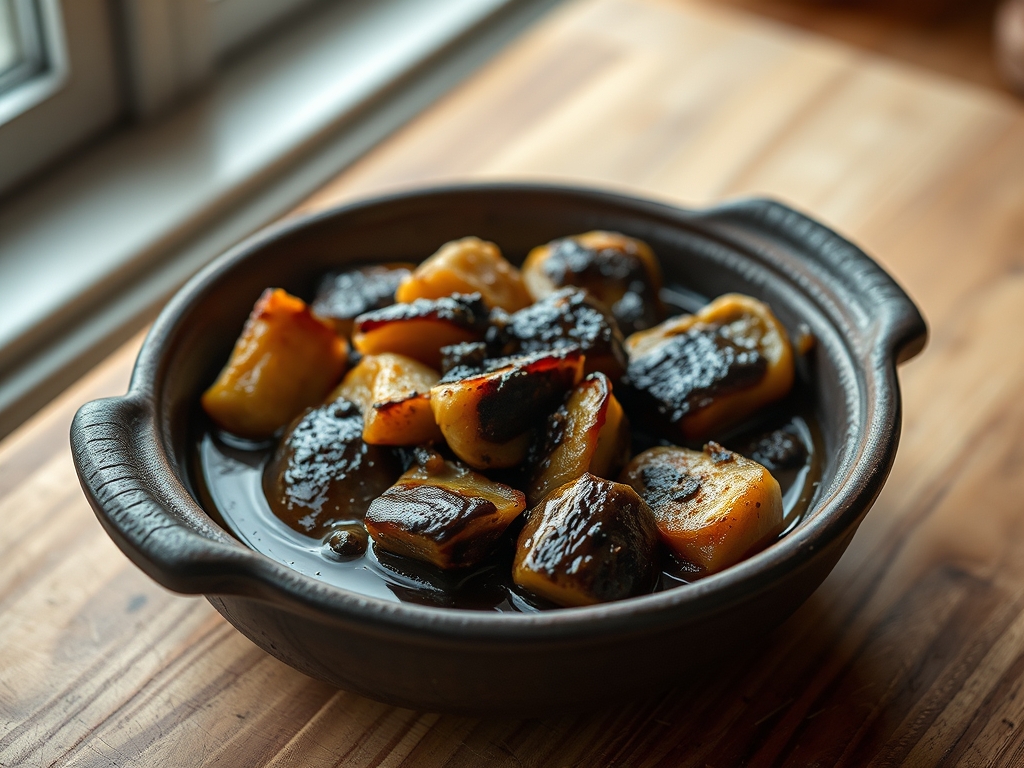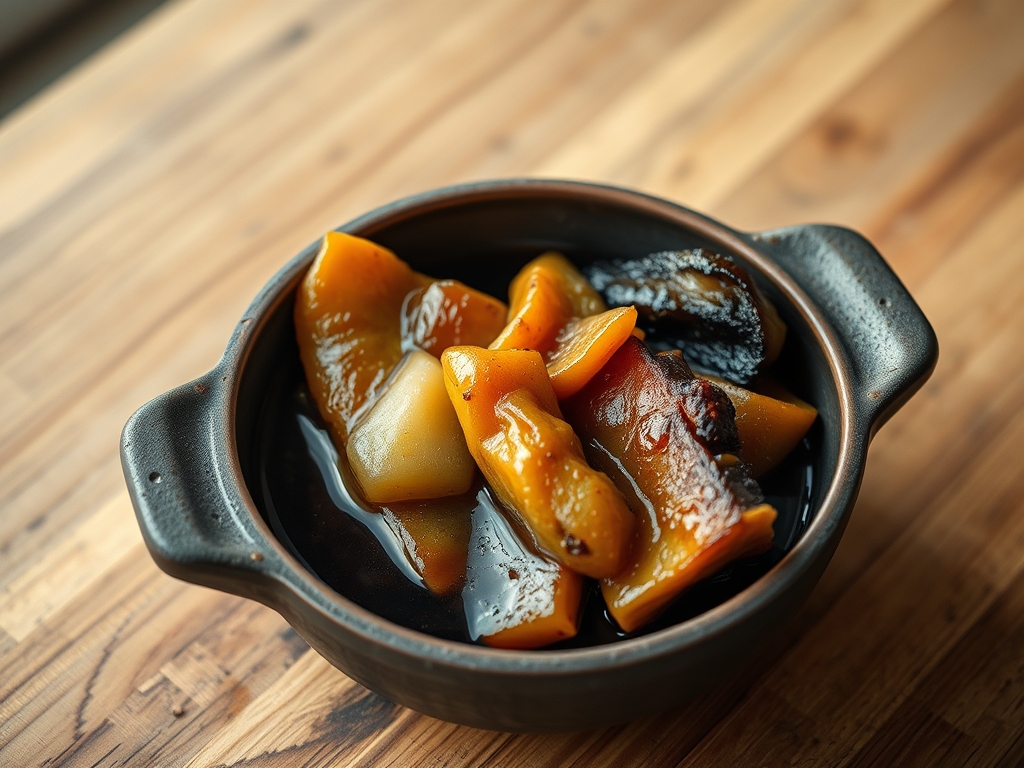
Behold the humble fungus; a porous, subterranean sponge designed by nature to absorb its surroundings. When we introduce these cellular structures to a high-acid environment, we are not merely preserving food. We are conducting a masterclass in osmotic pressure and enzymatic inhibition. The objective is simple yet profound: to transform the earthy, muted profile of raw fungi into the high-voltage, piquant electricity of Pickled Mushrooms. This is where the forest floor meets the laboratory. We are looking for a snap in the bite and a flood of vinegar-driven umami that coats the palate. Forget those flaccid, grey specimens found in the dusty corners of a supermarket shelf. We are engineering a condiment with structural integrity and a flavor profile that cuts through the richest charcuterie or the heaviest cream-based sauces. We are manipulating the very fibers of the mushroom to hold a reservoir of aromatics. This is a technical audit of brine-cured fungi; prepare your mise en place for a total sensory overhaul that will redefine your relationship with acetic acid.
THE DATA MATRIX
| Metric | Specification |
|---|---|
| Prep Time | 20 Minutes |
| Execution Time | 15 Minutes |
| Yield | 1 Liter (approx. 2 Pints) |
| Complexity (1-10) | 3 |
| Estimated Cost per Serving | $0.85 |
THE GATHERS
Ingredient Protocol:
- 500g / 1.1 lbs Cremini or Button Mushrooms (cleaned and halved)
- 250ml / 1 cup White Wine Vinegar (6% acidity)
- 250ml / 1 cup Filtered Water
- 15g / 1 tbsp Kosher Salt
- 12g / 1 tbsp Granulated Sugar
- 4 cloves Garlic (smashed)
- 2g / 1 tsp Black Peppercorns
- 1g / 1/2 tsp Red Chili Flakes
- 2 sprigs Fresh Thyme
- 1 Bay Leaf
- 60ml / 1/4 cup Extra Virgin Olive Oil
Section A: Ingredient Quality Audit:
The primary failure point in this protocol is the moisture content of the raw fungi. If your mushrooms feel slimy or exhibit dark, soft spots, the cellular degradation has already begun. Technical fix: If mushrooms are slightly dehydrated, a five-minute soak in ice water can re-turgidize the cells, but they must be spun dry in a centrifuge or salad spinner immediately. Furthermore, ensure your vinegar is at least 5% acetic acid. Using a weak, "table" vinegar will result in a flat profile and insufficient preservation. If the acidity is too harsh, do not dilute further with water; instead, increase the sugar ratio by 2g to balance the pH perception without compromising the safety of the brine.
THE MASTERCLASS
Step-by-Step Execution:
1. The Thermal Prep and Cleaning
Clean the mushrooms using a damp cloth or a quick rinse; never soak them for extended periods as they act like sponges. Use a bench scraper to clear your station of debris. Slice larger mushrooms into uniform halves to ensure even acetic acid penetration.
Pro Tip: Uniformity is not just for aesthetics. Using a digital scale to weigh your mushrooms ensures the brine-to-vegetable ratio remains consistent, preventing a diluted flavor profile.
2. The Brine Synthesis
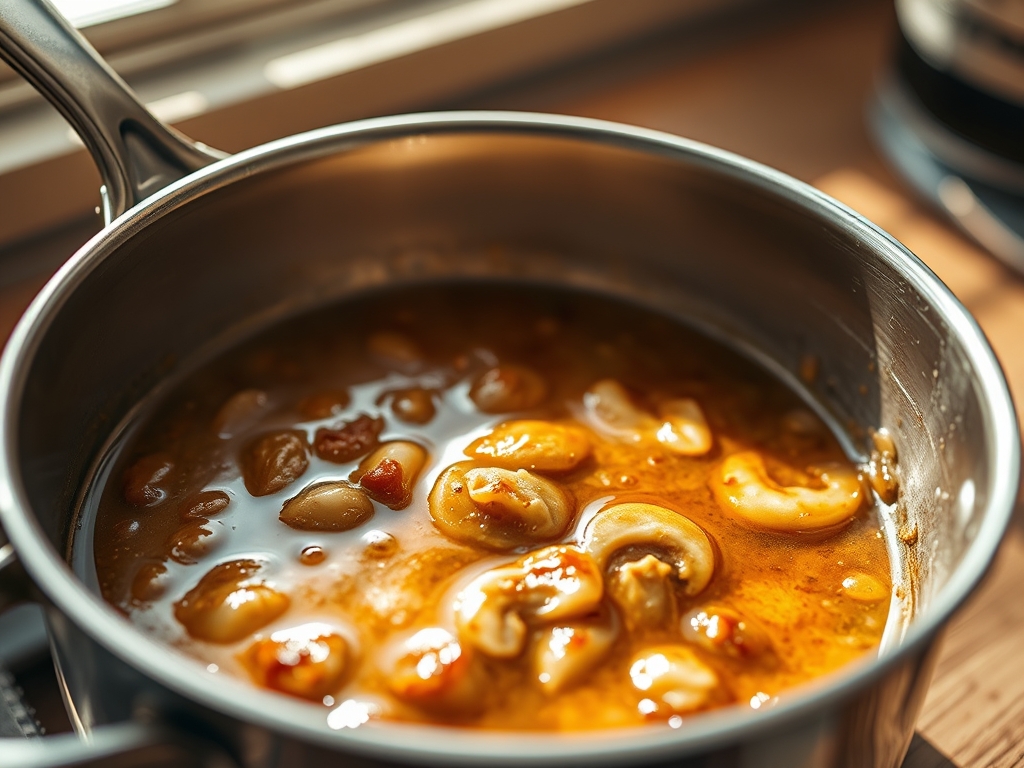
In a high-quality stainless steel saucier, combine the vinegar, water, salt, sugar, garlic, and dry spices. Bring the mixture to a rolling boil over medium-high heat. Stir constantly until the solids are fully dissolved into a viscous solution.
Pro Tip: Boiling the spices directly in the brine allows the essential oils to infuse the liquid more rapidly. This process, known as thermal extraction, ensures the peppercorns and bay leaf release their full aromatic potential before they hit the cold mushrooms.
3. The Controlled Blanch
Add the mushrooms to the boiling brine. Reduce the heat and simmer for exactly five minutes. You are looking for the mushrooms to slightly shrink and darken as they render their internal moisture and replace it with the seasoned vinegar.
Pro Tip: Do not overcook. Excessive heat will break down the hemicellulose in the fungal cell walls, leading to a mushy texture. A precise five-minute simmer keeps the mushrooms "al dente" while ensuring they are sufficiently pasteurized.
4. The Emulsion and Cooling
Remove the saucier from the heat. Stir in the extra virgin olive oil and fresh thyme. The oil will not fully emulsify but will create a protective barrier and add a luxurious mouthfeel to the finished product. Transfer the mixture into a sterilized glass jar.
Pro Tip: Adding the oil at the end prevents it from breaking down under high heat. This creates a "confited" effect where the oil traps the volatile aromatics of the thyme against the mushrooms as they cool.
Section B: Prep & Timing Fault-Lines:
The most common human error is the "Cooling Gap." If you leave the mushrooms in the hot brine on the counter for hours, the residual heat continues to cook the fungi. Technical fix: Use an ice bath to shock the exterior of the jar, dropping the temperature to below 40 degrees Fahrenheit as quickly as possible. This halts the enzymatic activity and locks in the snap. Another timing error is premature tasting. The molecular exchange of salt and acid takes time; wait at least 24 hours before opening the jar for the flavors to fully infuse the core of the mushroom.
THE VISUAL SPECTRUM
Section C: Thermal & Visual Troubleshooting:
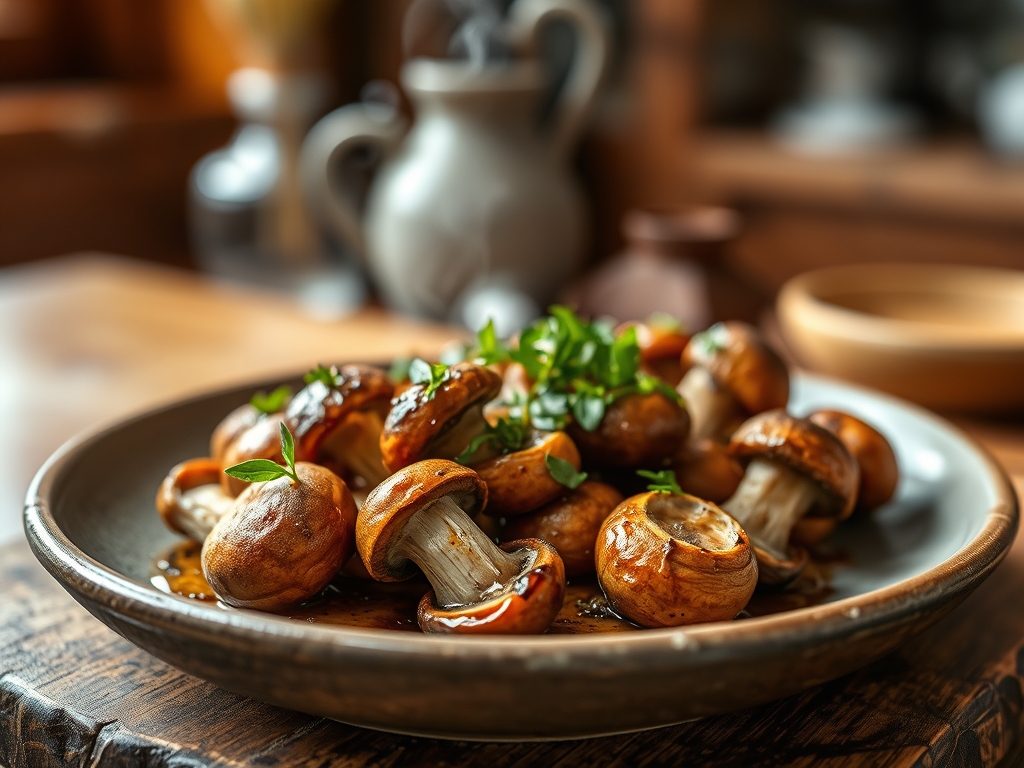
Referencing the Masterclass photo, your mushrooms should exhibit a glossy, deep caramel hue with visible flecks of herbs and spices. If your mushrooms appear dull or "chalky," you likely skipped the oil addition or used a vinegar with too much sediment. If the brine is cloudy, it indicates that the mushrooms were not cleaned properly or the salt contained anti-caking agents. Technical fix: Always use Kosher or sea salt to maintain brine clarity. If the mushrooms are floating at the top, they are not yet fully saturated. Use a fermentation weight or a small piece of parchment paper to keep them submerged, ensuring the entire surface area is exposed to the acidic environment.
THE DEEP DIVE
Macro Nutrition Profile:
A standard 50g serving provides approximately 45 calories, 3g of healthy fats (from olive oil), 2g of carbohydrates, and 1g of protein. They are a powerhouse of micronutrients, including Vitamin D and B-vitamins, with a high bioavailability due to the acidic breakdown of the fungal walls.
Dietary Swaps:
- Vegan: Naturally vegan. Ensure your sugar is bone-char free if following a strict protocol.
- Keto: Replace the granulated sugar with an equal weight of erythritol or monk fruit sweetener.
- GF: Naturally gluten-free. Always verify that your white wine vinegar has not been cross-contaminated with grain-based spirits.
Meal Prep & Reheating Science:
These are designed to be served cold or at room temperature. To maintain the molecular structure, never boil the mushrooms once they have been pickled. If adding to a warm dish, like a risotto, fold them in at the very last second to deglaze the palate without losing the structural "snap" of the fungus. They will keep in a refrigerated, airtight environment for up to three weeks.
THE KITCHEN TABLE
How long do these last in the fridge?
Stored in a sterilized, airtight jar, these pickled mushrooms will maintain peak structural integrity and flavor for 21 days. Beyond that, the acetic acid may begin to overly soften the fungal tissues, leading to a loss of the desired "snap."
Can I use balsamic vinegar instead?
You can, but it will drastically alter the visual spectrum. Balsamic will turn the mushrooms a very dark, almost black color and introduce a heavy sweetness. If you swap, reduce the added sugar by half to maintain the flavor balance.
Why are my mushrooms rubbery?
Rubbery texture is usually the result of undercooking during the five-minute simmer or using mushrooms that were too old. Ensure the brine reaches a full boil before adding the fungi to ensure the heat penetrates the dense cellular structure immediately.
Do I need to peel the mushrooms?
Absolutely not. The skin of the mushroom contains significant flavor and helps maintain the shape during the pickling process. Simply wipe away any substrate or dirt with a damp cloth to preserve the integrity of the exterior.