Listen up, kitchen architects. We are moving beyond the basic salt-and-pepper paradigm into the realm of concentrated oceanic intensity. Imagine a flavor profile so dense it borders on the structural. We are talking about the pulverized essence of the sea; a microscopic powerhouse that transforms a pedestrian stir-fry into a Michelin-grade masterpiece. This is not just a garnish. It is a biological signal for pure, unadulterated umami. When you introduce Dried Shrimp Dust into your culinary workflow, you are deploying a concentrated payload of glutamates and nucleotides. The aroma is sharp, funky, and unapologetically bold. It hits the nostrils with a briny punch before settling into a deep, savory hum that lingers on the palate. This is the secret weapon of the Southeast Asian pantry, reimagined for the modern laboratory kitchen. We are going to take dehydrated crustaceans and subject them to a process of thermal activation and mechanical reduction until they reach a state of molecular perfection. Prepare your senses; the infrastructure of flavor is about to be completely overhauled.
THE DATA MATRIX
| Metric | Specification |
|---|---|
| Prep Time | 10 Minutes |
| Execution Time | 15 Minutes |
| Yield | 125g / 1.25 Cups |
| Complexity (1-10) | 3 |
| Estimated Cost per Serving | $0.12 |
THE GATHERS
Ingredient Protocol:
- 200g / 1.5 cups High-Quality Sun-Dried Shrimp (Large variety preferred)
- 5g / 1 tsp Toasted Sichuan Peppercorns (Optional for piquant depth)
- 2g / 0.5 tsp Fine Sea Salt (To stabilize moisture)
- 10ml / 2 tsp Neutral Oil (Only if creating a concentrated paste)
Section A: Ingredient Quality Audit:
The most common failure point in this protocol is the quality of the raw crustacean. If your dried shrimp smell like ammonia or "old basement," you are dealing with oxidation and poor storage. To fix sub-par materials, soak the shrimp in a solution of 100ml / 0.5 cup of Shaoxing wine for five minutes. This will deglaze the exterior of off-flavors. Pat them bone-dry with a lint-free towel before proceeding. If the shrimp are too soft, they will not pulverize; they will merely clump. Ensure they are brittle to the touch. If they lack that "snap," a quick five-minute stint in a low-temperature oven at 95C / 200F will render out the residual moisture and restore the necessary structural integrity for a fine grind.
THE MASTERCLASS
Step 1: The Thermal Activation
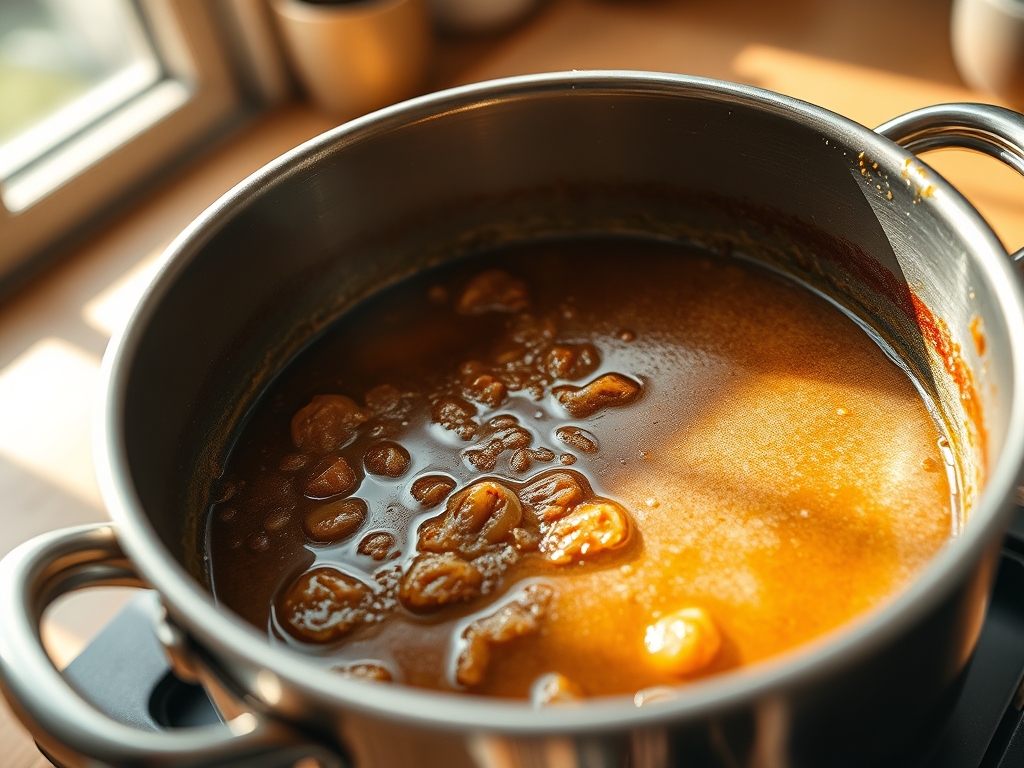
Place your dried shrimp into a heavy-bottomed saucier or cast-iron skillet over medium-low heat. Do not add oil yet. We are looking to toast the chitinous shells to trigger the Maillard reaction without burning the delicate proteins. Toss the shrimp constantly using a bench scraper or heat-resistant spatula to ensure even heat distribution.
Pro Tip: This stage is about infusing the air with aroma. The heat breaks down complex proteins into simpler, more flavorful amino acids. Watch for the color to shift from a pale pink to a vibrant, dusty orange.
Step 2: Precision Cooling and Desiccation
Immediately transfer the toasted shrimp onto a cold stainless steel tray. Spread them out in a single layer to prevent residual steam from softening the shells. Use a digital scale to ensure you haven't lost more than 15 percent of the weight to evaporation; this is the sweet spot for a shelf-stable dust.
Pro Tip: Cooling the shrimp rapidly prevents the oils from becoming rancid. A cold tray acts as a heat sink, locking in the volatile aromatic compounds that would otherwise vanish into your kitchen's ventilation system.
Step 3: Mechanical Reduction
Once completely cool, transfer the shrimp to a high-speed spice grinder or a heavy-duty blender. Pulse in short bursts. We are aiming for a consistency that ranges from coarse sand to a fine, flour-like powder. Do not over-process in a single go, as the friction from the blades can heat the powder and cause it to clump.
Pro Tip: Use a fine-mesh sieve to aerate the powder after grinding. This removes any stubborn bits of shell that didn't break down, ensuring a silky mouthfeel when the dust is integrated into a viscous sauce or broth.
Section B: Prep & Timing Fault-Lines:
Timing is the difference between "toasted" and "charred." If you leave the shrimp in the pan for even thirty seconds too long, the flavor profile shifts from savory to bitter. If you find your dust is clumping in the grinder, your shrimp were either too warm or still contained internal moisture. The fix? Spread the clumped powder on a baking sheet and return it to a 90C oven for ten minutes, then re-grind once cooled. Always use a digital scale for consistency; volume measurements are for amateurs who enjoy unpredictable results.
THE VISUAL SPECTRUM
Section C: Thermal & Visual Troubleshooting:
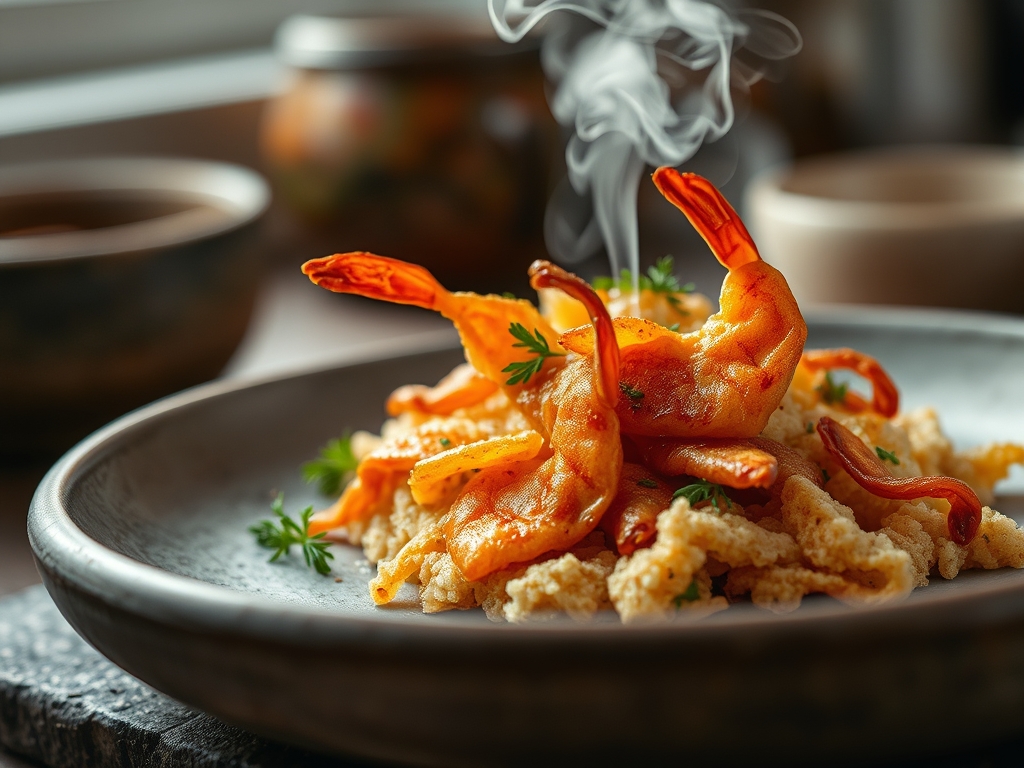
Look at the Masterclass photo. Notice the vibrant, sunset-orange hue. If your Dried Shrimp Dust looks brown or grey, you have over-toasted the proteins or used oxidized raw materials. The texture should look light and fluffy, almost like sawdust, but with a slight crystalline shimmer from the salt and natural minerals. If the powder looks "wet" or heavy, the moisture content is too high, which will lead to mold in storage. A perfect batch should flow freely when poured from a spoon, showing no signs of sticking or grouping. If you see dark specks, those are likely burnt peppercorns or scorched leg fragments; adjust your heat downward for the next cycle.
THE DEEP DIVE
- Macro Nutrition Profile: This is a protein-dense additive. Per 10g serving, expect approximately 7g of protein, 0.5g of fat, and negligible carbohydrates. It is exceptionally high in calcium and astaxanthin, a powerful antioxidant found in crustacean shells.
- Dietary Swaps: For a vegan alternative, utilize dehydrated Shiitake mushrooms blended with a pinch of dulse seaweed to mimic the oceanic funk. For Keto and GF practitioners, this dust is a "free" flavor pass, containing zero fillers or sugars.
- Meal Prep & Reheating Science: Store your dust in an airtight glass jar with a desiccant packet. It will maintain its molecular structure for up to three months in a dark pantry or six months in the freezer. When reheating in a dish, add the dust toward the end of the cooking process to prevent the delicate aromatics from boiling off.
THE KITCHEN TABLE
How do I use this in everyday cooking?
Fold it into scrambled eggs, sprinkle it over popcorn, or whisk it into a vinaigrette. It acts as a natural flavor enhancer that amplifies the existing savory notes of any ingredient it touches.
Can I make this with fresh shrimp?
Technically, yes, but you must dehydrate them first. The "funky" umami profile is a direct result of the drying process, which concentrates the solutes. Fresh shrimp will simply yield a wet paste.
Why is my dust so gritty?
You likely skipped the sieving step. Even high-speed blenders can struggle with the toughest parts of the chitin. Always pass your final product through a fine-mesh strainer for professional-grade results.
Is the smell supposed to be that strong?
Yes. Dried Shrimp Dust is a concentrate. Think of it like fish sauce in solid form. The intensity mellows significantly once it is diluted into a dish or fat source.
What is the best storage vessel?
Glass is non-reactive and non-porous. Plastic will absorb the scent and potentially leach chemicals into the high-protein powder. Use a small mason jar with a tight-fitting silicone seal.