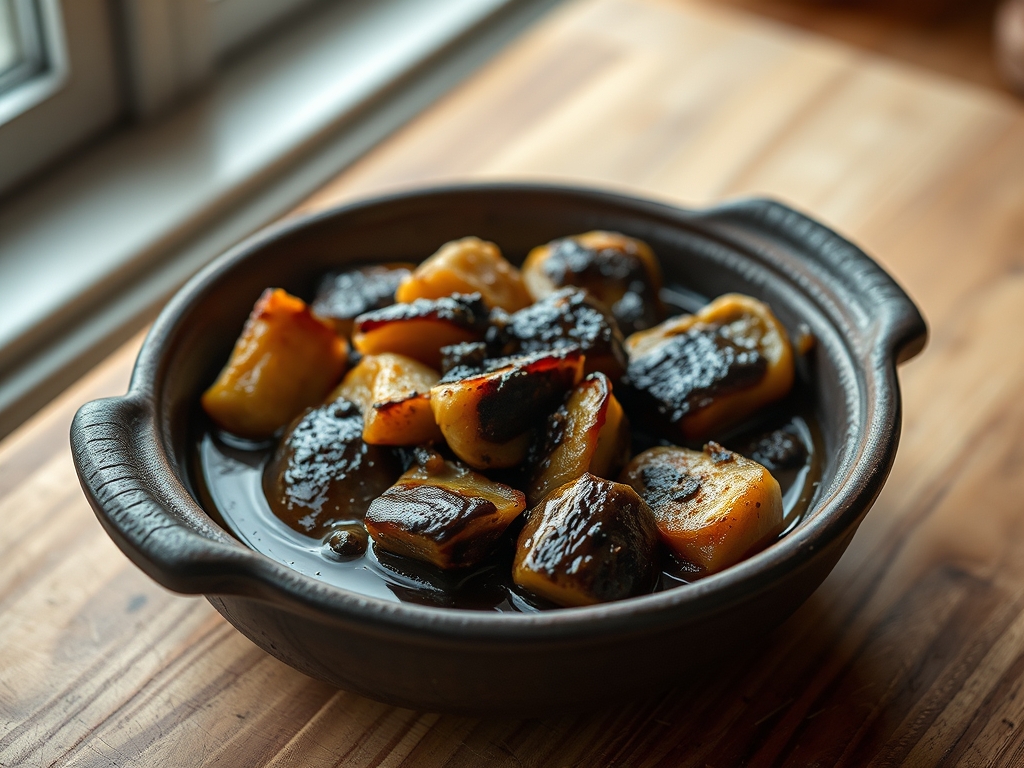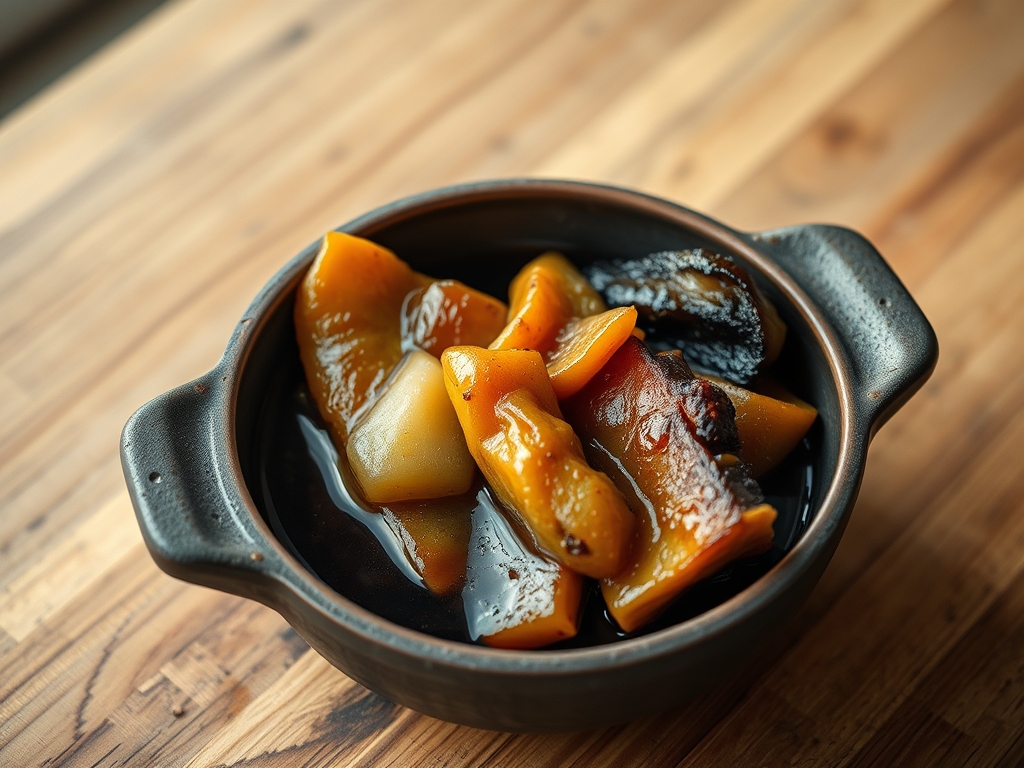
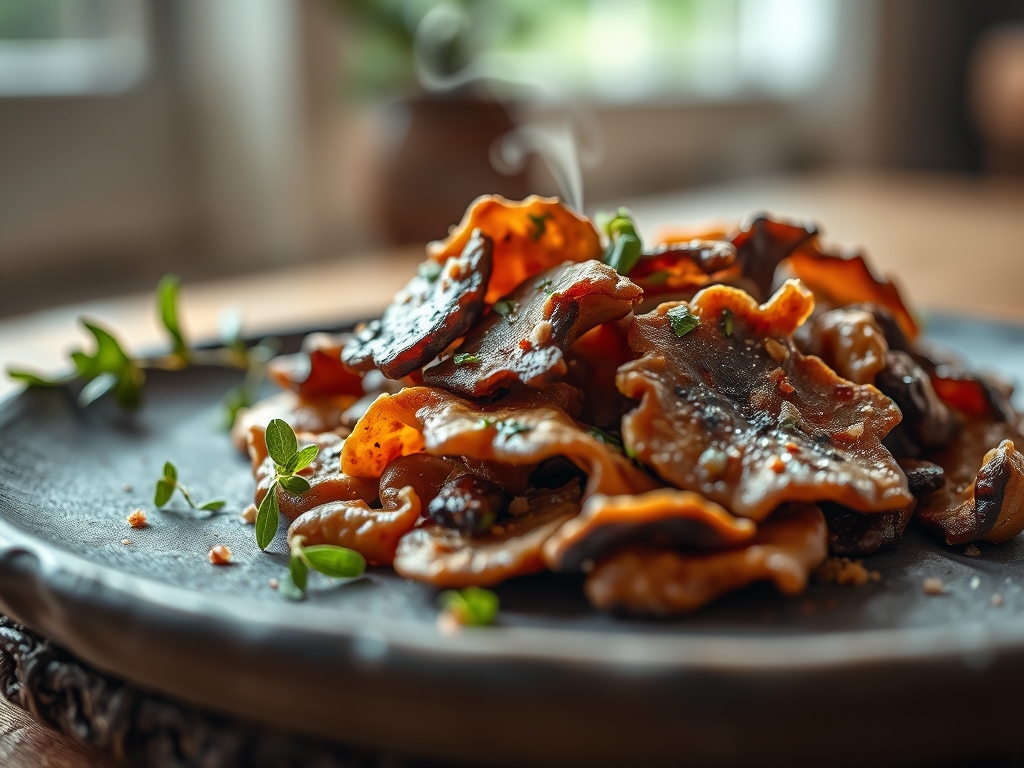
Forget the limp, water-logged fungi of your past dinner parties; we are here to discuss the structural re-engineering of the King Oyster. When we analyze Mushroom Jerky Data, we are looking for a specific intersection of moisture migration and cellular collapse. The goal is a snack that fights back with a piquant, savory resistance. We are not merely cooking; we are performing a controlled dehydration that transforms a porous, chitinous sponge into a concentrated umami payload. The secret lies in the density of the fiber and the precision of the marinade infusion. If your current plant-based snack game feels like chewing on wet cardboard, your data set is flawed. We are looking for that perfect snap; a texture that mimics the fibrous pull of traditional protein while remaining entirely rooted in the forest floor. This audit requires a high-energy commitment to the Maillard reaction and a refusal to accept anything less than a perfectly rendered, shelf-stable masterpiece. Strap in, because we are about to optimize your pantry.
THE DATA MATRIX
| Metric | Specification |
|---|---|
| Prep Time | 25 Minutes |
| Execution Time | 3 Hours |
| Yield | 4 Servings |
| Complexity (1-10) | 4 |
| Estimated Cost per Serving | $2.25 |
THE GATHERS
Ingredient Protocol:
- 500g / 1.1 lbs King Oyster Mushrooms (stems only)
- 60ml / 1/4 cup Tamari or Soy Sauce
- 30ml / 2 tbsp Apple Cider Vinegar
- 15ml / 1 tbsp Maple Syrup
- 5ml / 1 tsp Liquid Smoke
- 2g / 1/2 tsp Smoked Paprika
- 1g / 1/4 tsp Garlic Powder
- 1g / 1/4 tsp Black Pepper
- 15ml / 1 tbsp Neutral Oil (Avocado or Grapeseed)
Section A: Ingredient Quality Audit:
The primary failure point in Mushroom Jerky Data collection is the selection of the specimen. If your King Oysters are slimy or have brown pitting, the cellular integrity is already compromised. Sub-par mushrooms will turn to mush rather than dehydrating into a resilient fiber. To fix this, ensure you are sourcing firm, dry specimens with a bright white stalk. If your Tamari lacks depth, it is likely a low-sodium variant that lacks the necessary amino acid profile to trigger a robust Maillard reaction. Switch to a traditionally brewed, full-sodium version to ensure the salt concentration is high enough to draw out internal moisture through osmosis. If your liquid smoke tastes like a chemical spill, you are likely using a brand with synthetic additives; seek out a brand that lists only "water" and "natural hickory smoke" to ensure a clean, woody finish.
THE MASTERCLASS
1. Precision Slicing and Uniformity
Utilize a sharp chef's knife or a mandoline to slice the mushroom stalks lengthwise into strips exactly 3mm thick. Use a digital scale to weigh your yield before and after slicing to track moisture loss.
Pro Tip: Uniformity is the soul of dehydration. If your slices vary in thickness, the thin pieces will carbonize while the thick pieces remain dangerously moist. Using a bench scraper to organize your piles ensures you don't bruise the delicate chitinous fibers during transport to the marinade bowl.
2. The Osmotic Infusion
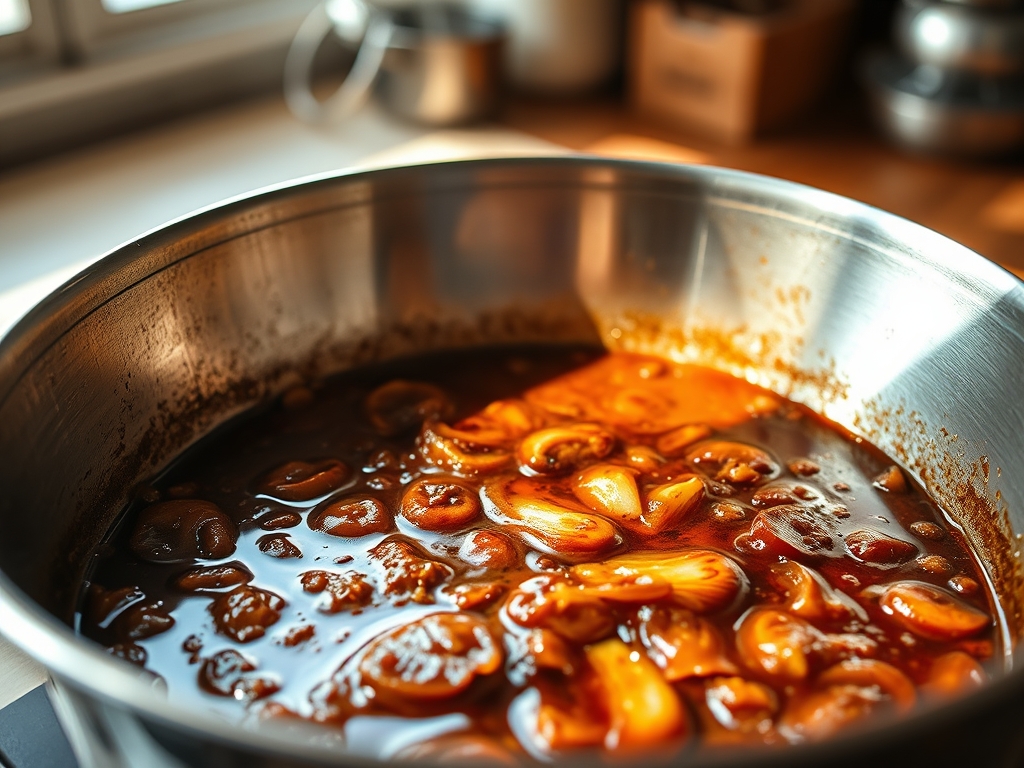
In a small saucier, whisk together the tamari, vinegar, maple syrup, liquid smoke, and spices. Submerge the mushroom strips in this viscous liquid for at least 30 minutes.
Pro Tip: This is where we infuse the cellular structure. The salt in the tamari breaks down the hemicellulose in the mushroom walls, allowing the piquant flavors to penetrate the core. Do not exceed 60 minutes, or the mushrooms will become overly saturated and take twice as long to dry.
3. Thermal Configuration
Arrange the strips on a wire rack set over a baking sheet. This allows for 360-degree airflow, which is essential for even moisture evaporation. Set your oven or dehydrator to 75C / 165F.
Pro Tip: Airflow is more important than raw heat. If you use a flat tray without a rack, the bottom of the jerky will steam in its own juices, resulting in a rubbery texture rather than a crisp one. Use a digital thermometer to verify your oven's low-temperature accuracy, as many residential ovens fluctuate wildly.
4. The Final Render and Cooling
Bake for 2 to 3 hours, flipping halfway through. The jerky is done when it is dark mahogany and feels firm to the touch but still retains a slight bend without snapping like a cracker.
Pro Tip: As the mushrooms render their water content, the sugars in the maple syrup will begin to caramelize. This creates a protective, glossy veneer. Once removed from the heat, the jerky will firm up significantly as it reaches room temperature; do not overcook in the oven.
Section B: Prep & Timing Fault-Lines:
The most common human error is "The Rush." If you attempt to accelerate the process by cranking the heat to 150C, you will case-harden the jerky. This creates a dry exterior that traps a moist interior, leading to rapid mold growth within 48 hours. Another fault-line is failing to pat the mushrooms dry after the marinade. If they go onto the rack dripping with liquid, you are essentially boiling them before they dehydrate. Use a clean kitchen towel to remove excess viscous surface moisture before the thermal phase begins.
THE VISUAL SPECTRUM
Section C: Thermal & Visual Troubleshooting:
Referencing the Masterclass photo, your jerky should exhibit a deep, saturated bronze hue with a visible sheen. If your jerky looks dull or grey, you likely skipped the oil or the maple syrup; these components are vital for that light-reflecting finish. If you see white spots, check your garlic powder distribution; it may have clumped during the aerate phase of mixing. Uneven browning usually indicates "hot spots" in your oven. To fix this, rotate the tray 180 degrees every hour. If the edges are black but the center is pale, your slices were likely tapered rather than perfectly rectangular. Aim for that consistent, leathery texture that looks like it was harvested from a high-end smokehouse.
THE DEEP DIVE
Macro Nutrition Profile
Per serving, this jerky offers approximately 80 calories, 12g of carbohydrates, 4g of protein, and 2g of fat. It is a high-fiber, low-calorie alternative to processed meats. The King Oyster is also a significant source of ergothioneine, a potent antioxidant that survives the low-heat dehydration process.
Dietary Swaps
- Vegan: Already compliant.
- Keto: Replace the maple syrup with a monk fruit sweetener or omit it entirely; the mushroom's natural sugars provide some caramelization.
- GF: Ensure you are using certified gluten-free Tamari, as some soy sauces contain wheat fillers.
Meal Prep & Reheating Science
To maintain the molecular structure, store the jerky in an airtight glass jar with a desiccant pack. If the jerky loses its snap due to humidity, do not microwave it; this will turn it into a rubber band. Instead, flash-bake it at 150C for 3 minutes to deglaze any surface moisture and restore the structural integrity.
THE KITCHEN TABLE
How long does this jerky actually stay shelf-stable?
If dehydrated to a 90 percent moisture loss and stored in a cool, dry place, it lasts 2 to 3 weeks. For longer storage, refrigeration extends the life to 2 months without compromising the chitinous fiber.
Can I use Button mushrooms instead of King Oysters?
You can, but the data suggests a lower quality yield. Button mushrooms have a higher water-to-fiber ratio, meaning they shrink significantly and lack the "meat-like" pull of the King Oyster's dense, vertical stalk.
Why is my jerky so salty?
You likely over-marinated or failed to account for the concentration of solutes. As water evaporates, salt intensity triples. If sensitive to sodium, use a low-sodium tamari and increase the smoked paprika to compensate for the flavor profile.
My jerky is brittle and breaks. What happened?
This is a classic case of over-dehydration. You have moved past "jerky" and into "mushroom chip" territory. Reduce your final cooking time by 30 minutes in the next batch to preserve the necessary internal moisture for a chewy texture.