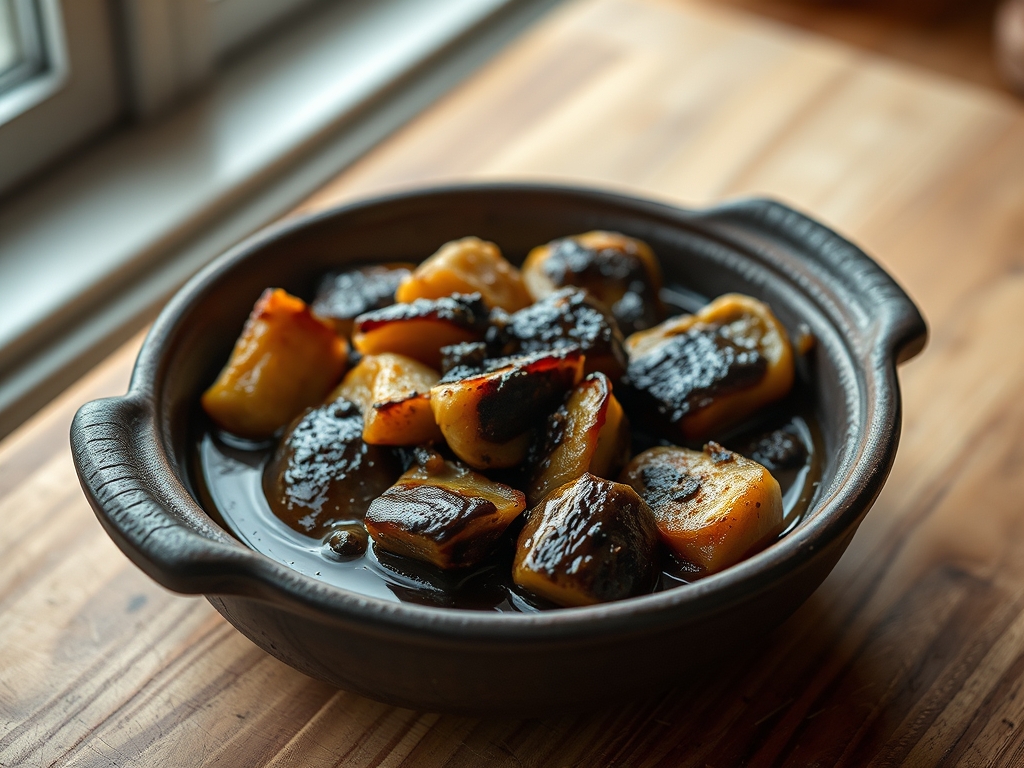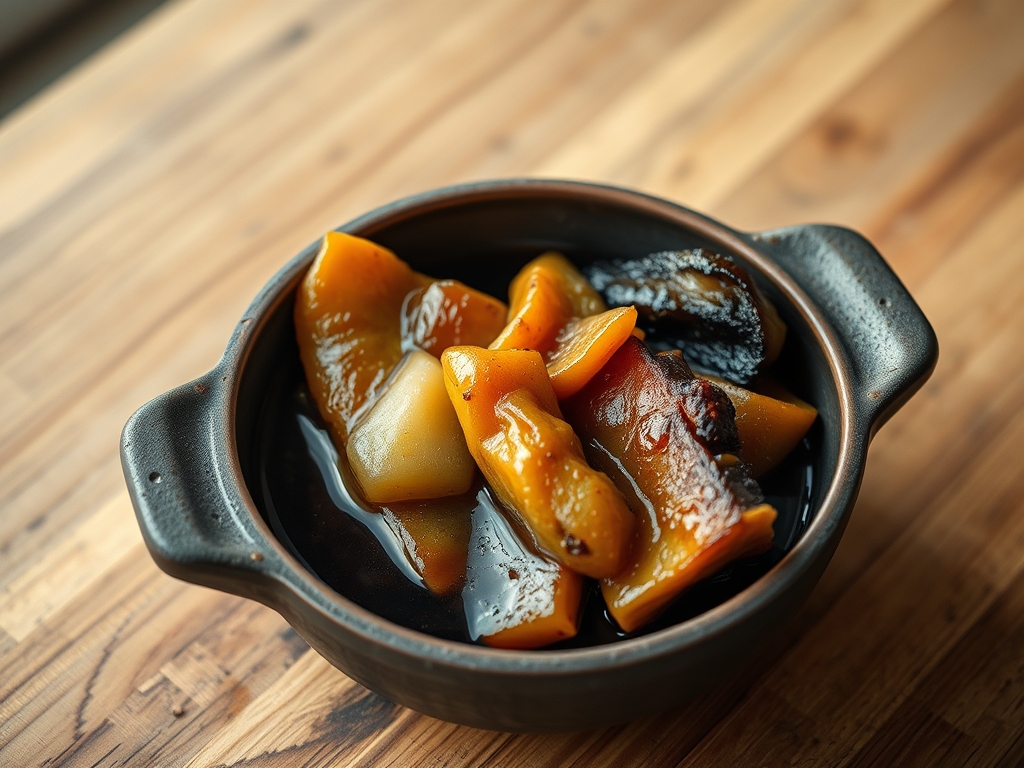
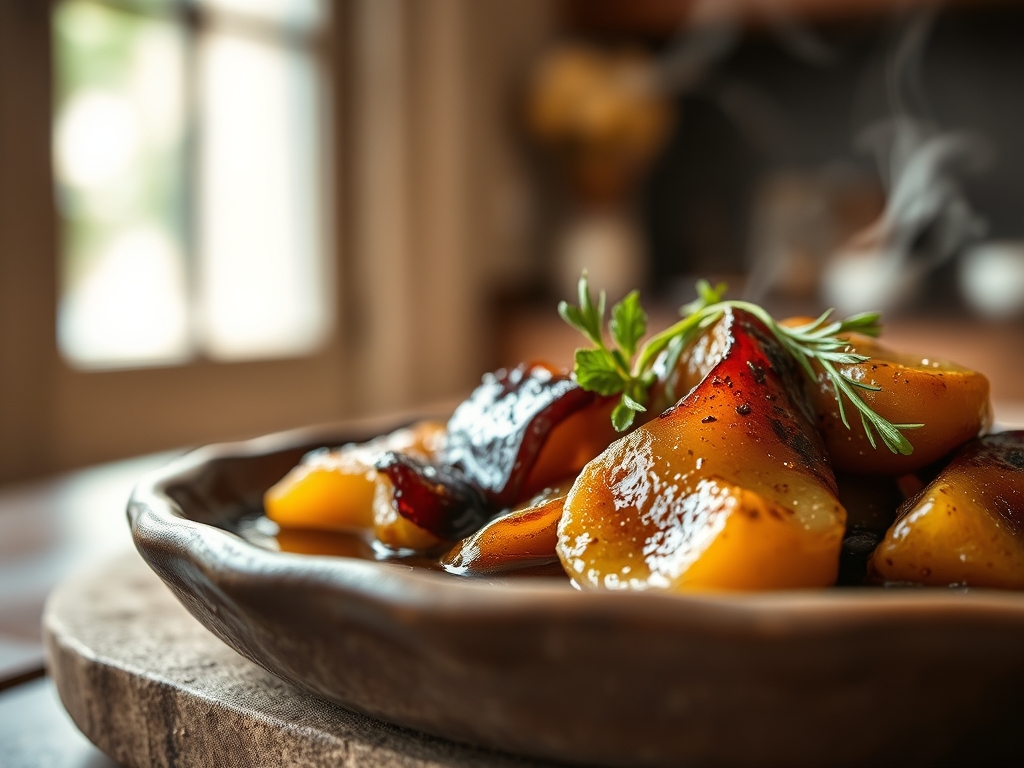
Forget everything you know about grocery store syrup. We are entering the realm of architectural fluid dynamics. When you embark on an Aged Balsamic Audit, you are not just making a sauce; you are conducting a symphony of evaporation and wood-tinctured chemistry. The air in your kitchen should vibrate with the scent of fermented sugars and charred oak. This is about the transformation of thin, acidic grape must into a viscous, velvet cloak that clings to the back of a spoon with the tenacity of liquid obsidian. We are looking for that piquant bite that balances perfectly against the deep, dark notes of caramelization. If your reduction lacks body, you have failed the structural integrity test. If it tastes like burnt sugar, your thermal management is offline. We are here to audit the very essence of the reduction process, ensuring every molecule of acetic acid is tempered by the rich, woody infusion of time and heat. Let us begin the calibration.
THE DATA MATRIX
| Metric | Specification |
|---|---|
| Prep Time | 10 Minutes |
| Execution Time | 45 – 60 Minutes |
| Yield | 120ml / 0.5 Cup |
| Complexity (1-10) | 4 |
| Estimated Cost per Serving | $1.25 |
THE GATHERS
Ingredient Protocol:
- 500ml / 2 cups Aceto Balsamico di Modena (Minimum 6% acidity)
- 30g / 2 tbsp Brown Sugar or Honey (Optional for rapid polymerization)
- 1 sprig / 2g Fresh Rosemary (For aromatic infusion)
- 2g / 0.5 tsp Whole Black Peppercorns
- 1 strip / 5g Orange Zest (Pith-free for bright top notes)
Section A: Ingredient Quality Audit:
If your base vinegar is too thin or lacks the "di Modena" certification, your reduction will likely result in a harsh, one-dimensional acid profile. To fix a low-quality starting material, you must introduce a buffering agent. Adding a small amount of muscovado sugar can mimic the deep molasses notes of a true aged product. If the vinegar smells overly of industrial alcohol, you must aerate the liquid by whisking it vigorously before applying heat to drive off the more volatile, unpleasant esters.
THE MASTERCLASS
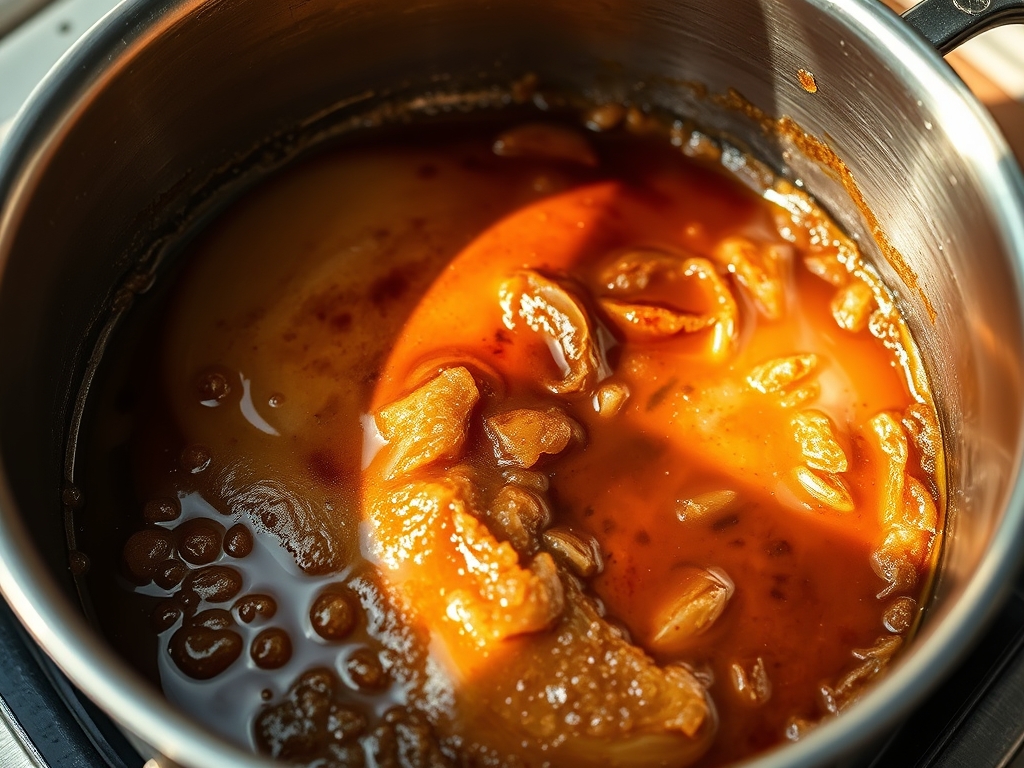
1. Vessel Calibration and Initial Pour
Select a heavy-bottomed saucier to ensure even heat distribution. Pour your balsamic vinegar into the pan while it is still cold. This allows you to monitor the rise in temperature accurately using an infrared thermometer.
Pro Tip: The sloped sides of a saucier prevent the liquid from scorching in the corners, a common failure point when using a standard straight-sided saucepan. The increased surface area also facilitates faster evaporation of water molecules.
2. The Infusion Phase
Add your aromatics: the rosemary, peppercorns, and orange zest. Bring the liquid to a very gentle simmer over medium-low heat. Do not let it reach a rolling boil, as this will break down the delicate aromatic compounds and create a bitter aftertaste.
Pro Tip: This is where we infuse the wood-like tannins back into the reduction. Using a digital scale to measure your aromatics ensures consistency across different batches, preventing the rosemary from overpowering the natural grape profile.
3. Controlled Evaporation
Reduce the heat to the lowest setting possible. You are looking for "lazy bubbles" that break the surface infrequently. Use a silicone spatula to scrape the sides of the pan every five minutes to prevent a "tide line" of burnt sugar from forming.
Pro Tip: The goal is a 75% reduction in volume. As the water evaporates, the sugar concentration increases, leading to a higher viscosity. This is a physical change, not just a chemical one; you are increasing the density of the fluid.
4. The Nappe Test
Once the liquid has thickened, perform the nappe test. Dip a clean metal spoon into the reduction. Draw your finger across the back of the spoon. If the line stays crisp and the sauce does not run, the structural audit is complete.
Pro Tip: Remove the pan from the heat just before it reaches your desired thickness. The residual heat will continue to cook the sugars, and the viscosity will increase significantly as the temperature drops toward room temperature.
5. Final Filtration
Pour the hot reduction through a fine-mesh chinois into a glass storage vessel. This removes the spent aromatics and any micro-coagulations that occurred during the simmer, ensuring a glass-like finish.
Pro Tip: Never use plastic containers for hot reductions. The high acidity and thermal energy can cause chemical leaching. Always use tempered glass or stainless steel for the cooling phase.
Section B: Prep & Timing Fault-Lines:
The most common error is "Thermal Runaway." If you step away for even three minutes during the final stages, the sugars can transition from caramelized to carbonized. If the reduction becomes too thick (resembling hard candy once cooled), you can rescue it by whisking in 15ml of hot water or additional raw vinegar over very low heat until the desired flow rate is restored.
THE VISUAL SPECTRUM
Section C: Thermal & Visual Troubleshooting:
In the Masterclass photo above, notice the deep, mahogany sheen and the way the reduction clings to the surface without pooling into a watery mess. If your reduction looks dull or matte, it likely didn't reach a high enough sugar concentration, or you over-aerated it during the final simmer. If you see "breaking" or oil-like spots, your aromatics may have released too many essential oils. To fix a dull appearance, a tiny pinch of salt can help clarify the liquid and enhance the light-refractive properties of the sugar molecules.
THE DEEP DIVE
Macro Nutrition Profile
Per 15ml (1 tbsp) serving: 45 Calories, 0g Fat, 11g Carbohydrates (10g Sugars), 0g Protein. While high in sugar, the glycemic load is moderated by the acetic acid, which has been shown to improve insulin sensitivity.
Dietary Swaps
- Vegan: Naturally vegan. Ensure your sugar source is bone-char free if using refined sugar.
- Keto: This is difficult due to the natural grape sugars. However, you can use a "Balsamic-style" reduction made from red wine vinegar and Allulose for a low-carb alternative.
- GF: Naturally gluten-free. Always check the label of your base vinegar to ensure no caramel coloring (which can sometimes contain gluten) was added.
Meal Prep & Reheating Science
Store in a glass airtight container at room temperature for up to 3 months. Do not refrigerate; the cold will cause the sugars to crystallize and destroy the smooth texture. To restore flow to a stored reduction, place the glass bottle in a warm water bath for 5 minutes to decrease the viscosity without direct, harsh heat.
THE KITCHEN TABLE
How do I know if I burned it?
If the aroma shifts from sweet-tart to "smoky" or "acrid," the sugars have undergone pyrolysis. At this point, the bitterness cannot be masked; you must discard the batch and recalibrate your heat settings for a second attempt.
Can I use white balsamic vinegar?
Yes, but the visual audit will change. A white balsamic reduction will be golden-amber rather than black. It is often more floral and less woody, making it ideal for seafood or fruit-based applications.
Why did my reduction turn into a rock?
You over-reduced the liquid, removing too much moisture. The sugars have moved into the "hard ball" candy stage. Reheat it gently with a splash of water or more vinegar to dissolve the crystals and bring it back to a fluid state.
Do I really need the aromatics?
While not strictly necessary for the Aged Balsamic Audit, they add layers of complexity that mimic the flavors of expensive, barrel-aged traditional balsamics. They provide the "technical infrastructure" of a professional-grade sauce.