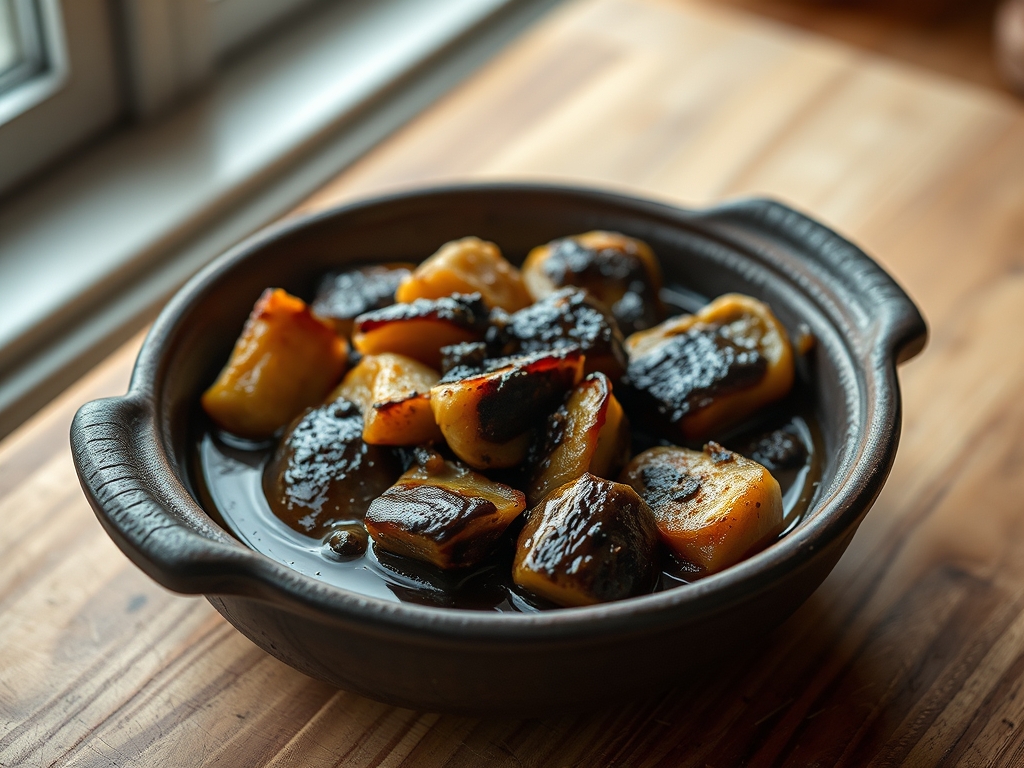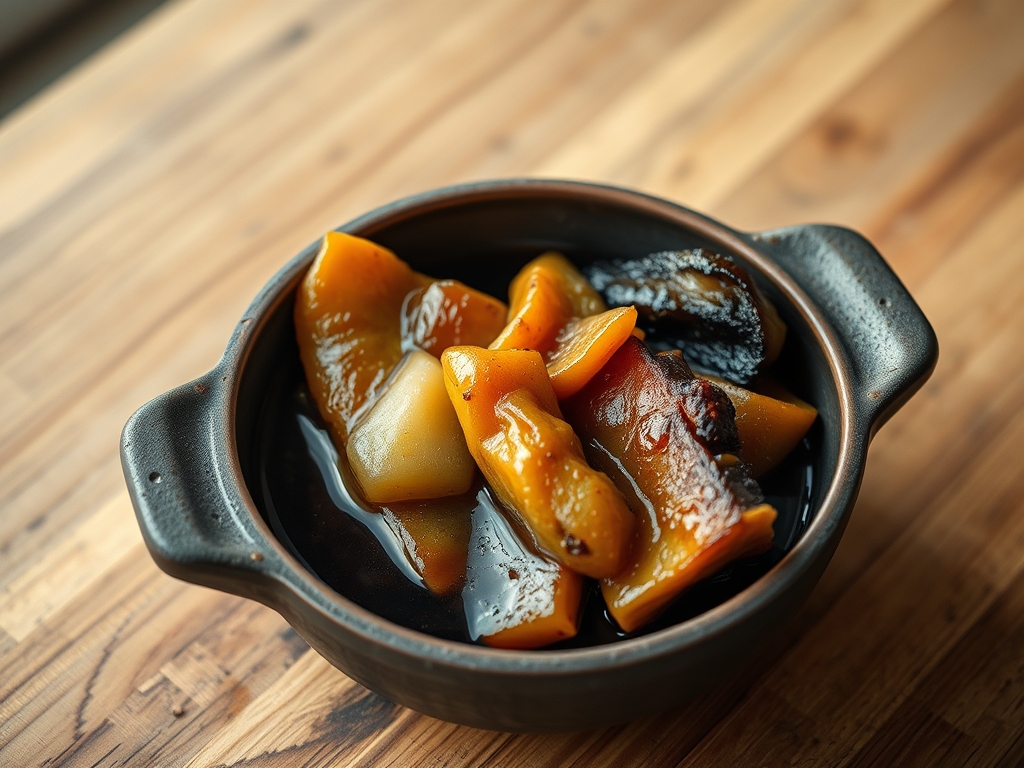
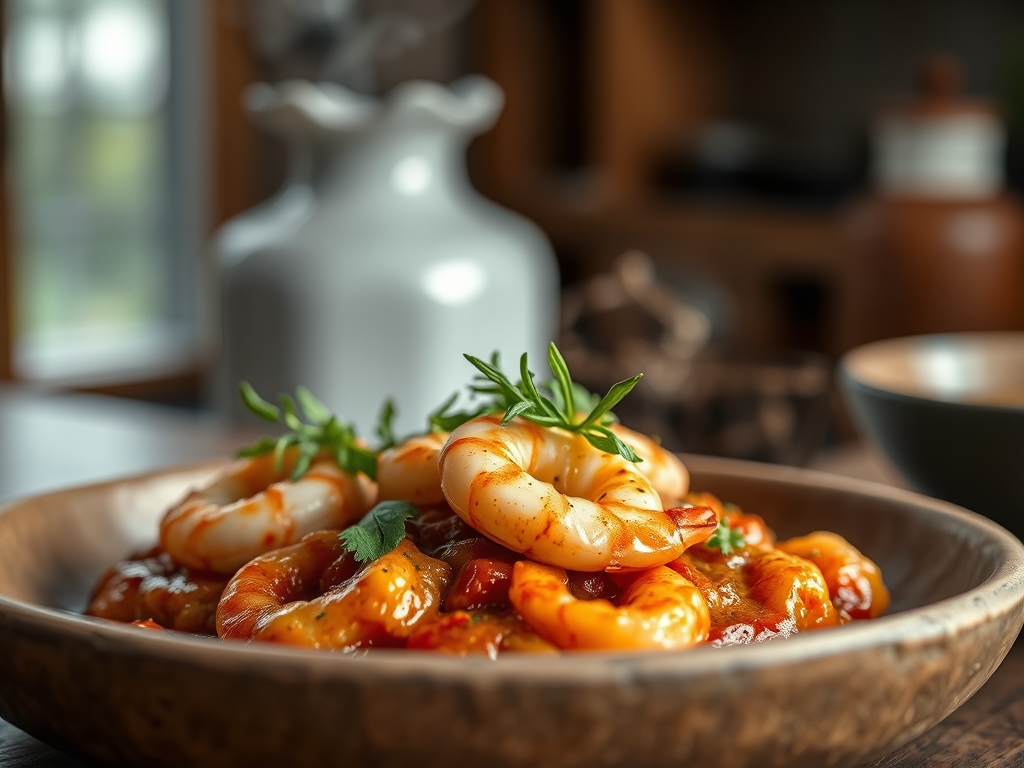
Imagine the smell of a thousand suns hitting a tidal flat of concentrated crustacean soul. That is the initial assault of belacan. It is not merely a condiment; it is a structural pillar of Southeast Asian flavor architecture. To the uninitiated, the aroma is a biological warning; to the devotee, it is the fundamental frequency of umami. We are talking about a fermented brick of Acetes shrimp that has undergone a rigorous molecular transformation. The critical metric here is Shrimp Paste Density. If your paste is too porous, it lacks the concentrated glutamates required to anchor a laksa or a sambal. If it is too wet, the fermentation leans toward rot rather than refinement. We are looking for a tight, clay-like consistency that resists the thumb but yields to the blade. This density is the result of moisture expulsion and protein breakdown. When you hit that perfect Shrimp Paste Density, you are holding a stabilized battery of flavor that can survive years in the pantry while providing a piquant punch that defines the culinary landscape of the Malay Archipelago.
THE DATA MATRIX
| Metric | Specification |
|---|---|
| Prep Time | 20 Minutes (Active) |
| Execution Time | 4 – 7 Days (Fermentation/Drying) |
| Yield | 500g / 1.1 lbs |
| Complexity (1-10) | 8 (Requires environmental control) |
| Estimated Cost per Serving | $0.12 USD |
THE GATHERS
Ingredient Protocol:
- 1kg / 2.2 lbs Fresh Acetes Shrimp (Tiny krill-like shrimp)
- 100g / 3.5 oz Non-Iodized Sea Salt
- 15ml / 1 tbsp Water (Only if necessary for initial mash)
Section A: Ingredient Quality Audit:
The primary failure point in belacan production is the raw material. If your shrimp are grayish or smell of ammonia before you even begin, the batch is compromised. Protein degradation must be controlled, not chaotic. If the shrimp are too large, the Shrimp Paste Density will be uneven; use a mortar and pestle to ensure a uniform paste. If using frozen shrimp, you must purge all excess water. Thaw them in a colander and pat dry with lint-free towels. Excess moisture is the enemy of the fermentation curve. If the salt is iodized, it can inhibit the specific halophilic bacteria needed for that signature funk; always stick to pure sea salt to ensure a clean, fermented profile.
THE MASTERCLASS
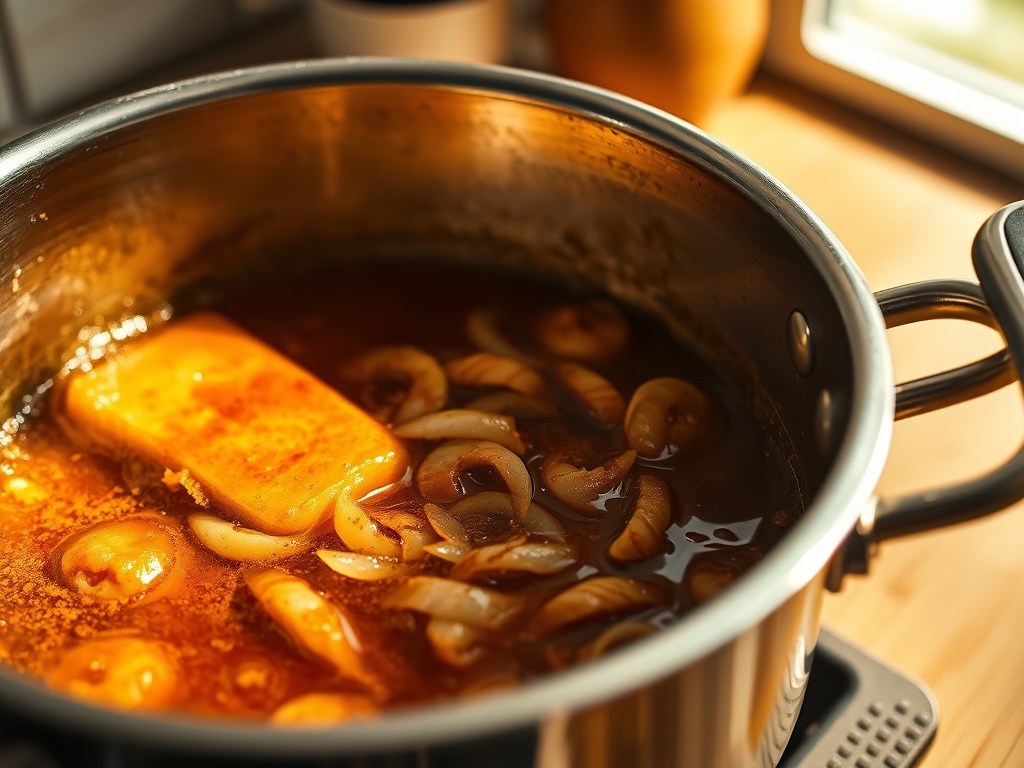
Step-by-Step Execution:
1. The Initial Salting and Mashing
Combine your cleaned shrimp and sea salt in a heavy stone mortar. Use a heavy pestle to grind the mixture into a thick, coarse paste. You are looking to rupture the cellular walls of the shrimp to release enzymes. Pro Tip: Use a digital scale to ensure your salt-to-shrimp ratio is exactly 10 percent by weight. This precision prevents pathogenic growth while allowing beneficial fermentation to occur.
2. The Primary Fermentation
Transfer the paste into a glass or ceramic vessel. Press it down firmly with a bench scraper to remove any air pockets. Oxygen is the enemy here; you want an anaerobic environment. Cover with a breathable cloth and store in a cool, dark place for 24 hours. Pro Tip: The viscous liquid that rises to the top is a concentrated fish sauce precursor; do not discard it, as it helps keep the surface acidic.
3. The Solar Dehydration
Spread the fermented paste onto a flat tray in a thin, even layer. Place it in direct sunlight for 6 to 8 hours. The goal is to render out the moisture until the paste can be shaped. Pro Tip: Use a fine-mesh screen to cover the tray; this protects the protein from insects while allowing UV rays to catalyze the flavor development.
4. The Secondary Compression
Bring the sun-dried paste back inside and mash it again. This redistributes the remaining moisture and increases the Shrimp Paste Density. Shape the mixture into tight blocks or cylinders. Pro Tip: A stainless steel mold or a PVC pipe segment can help you achieve professional, uniform bricks that dry evenly from the center out.
5. The Final Cure
Repeat the drying and mashing process for another 3 to 5 days until the blocks are hard and dark cocoa in color. The final product should feel like cold plasticine. Pro Tip: Measure the final weight; a successful cure usually results in a 40 to 50 percent reduction from the original mass, indicating optimal moisture loss.
Section B: Prep & Timing Fault-Lines:
Timing is dictated by humidity. If you are in a high-humidity environment, the drying phase will stall, leading to mold. If the sun is not cooperating, use a dehydrator set to 40C / 104F. Never rush the process with high heat; you will cook the shrimp rather than ferment them, destroying the enzymatic complexity. If the paste smells "sour" rather than "savory," your salt levels were likely too low or your Shrimp Paste Density was too loose, allowing oxygen to spoil the batch.
THE VISUAL SPECTRUM
Section C: Thermal & Visual Troubleshooting:
Examine the Masterclass photo above. Notice the deep, matte burgundy hue and the lack of visible moisture on the surface. If your paste looks pale pink, it is under-fermented. If you see white crystalline spots, it is likely salt bloom, which is harmless; however, fuzzy green or black spots indicate a total infrastructure failure and the batch must be discarded. The texture should be dense enough that when sliced with a sharp knife, the edges remain clean and do not stick to the blade. If the interior is significantly lighter than the exterior, the blocks were shaped too thick; break them down and re-dry to ensure a consistent Shrimp Paste Density throughout the entire mass.
THE DEEP DIVE
- Macro Nutrition Profile: Belacan is a powerhouse of calcium and concentrated protein. A 10g serving contains approximately 25 calories, 4g of protein, and 0.5g of fat. It is exceptionally high in sodium, so it should be treated as a seasoning rather than a primary protein source.
- Dietary Swaps: For a vegan alternative, ferment a mixture of mashed salt-cured soybeans (miso) with pulverized toasted seaweed and a drop of liquid smoke to mimic the maritime depth. For Keto and GF diets, pure belacan is naturally compliant as it contains zero fillers or grains.
- Meal Prep & Reheating Science: To use, you must "toast" the belacan. Wrap a small piece in foil and heat it over an open flame or in a dry saucier. This triggers the Maillard reaction, converting the raw funk into a nutty, toasted umami. Once toasted, it can be crumbled into sauces. Store the raw blocks in an airtight glass jar to prevent the aroma from permeating your entire kitchen infrastructure.
THE KITCHEN TABLE
Why does my belacan smell so strong?
The aroma is the result of volatile sulfur compounds and fatty acid breakdown during fermentation. Toasting the paste actually stabilizes these molecules, mellowing the scent while intensifying the deep savory flavor.
Can I use pre-cooked shrimp?
Absolutely not. The fermentation relies on the natural enzymes present in raw shrimp. Pre-cooked shrimp are enzymatically dead and will simply rot in the salt rather than transform into a piquant paste.
How long does homemade belacan last?
If you have achieved the correct Shrimp Paste Density and moisture content, it will last indefinitely in a cool, dry place. Most professionals prefer the flavor after it has aged for at least six months.
Is the sun-drying step mandatory?
Yes. UV light and natural heat are traditional catalysts for the specific chemical changes required. While a dehydrator works in a pinch, it lacks the full spectrum of energy needed for authentic flavor.