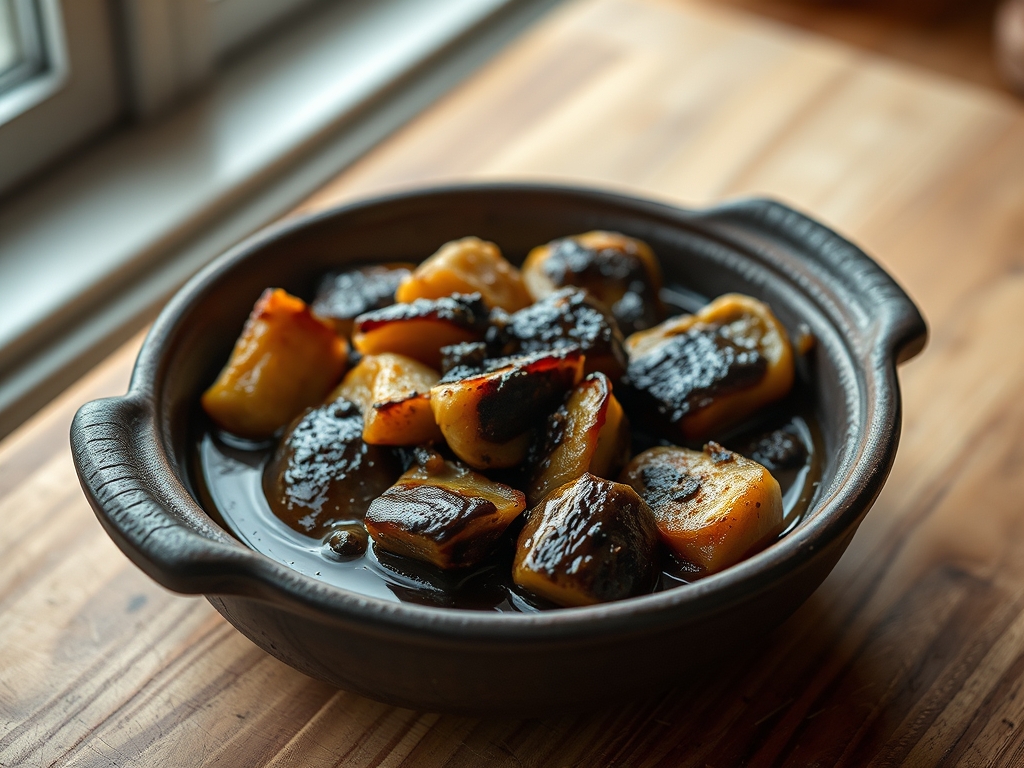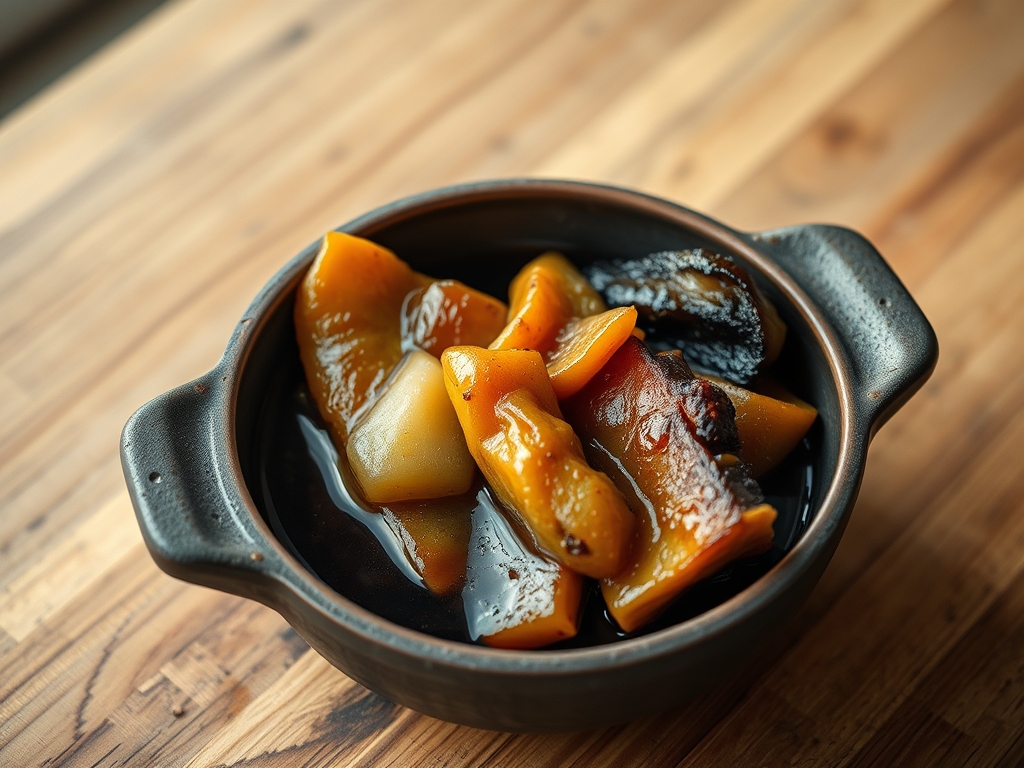
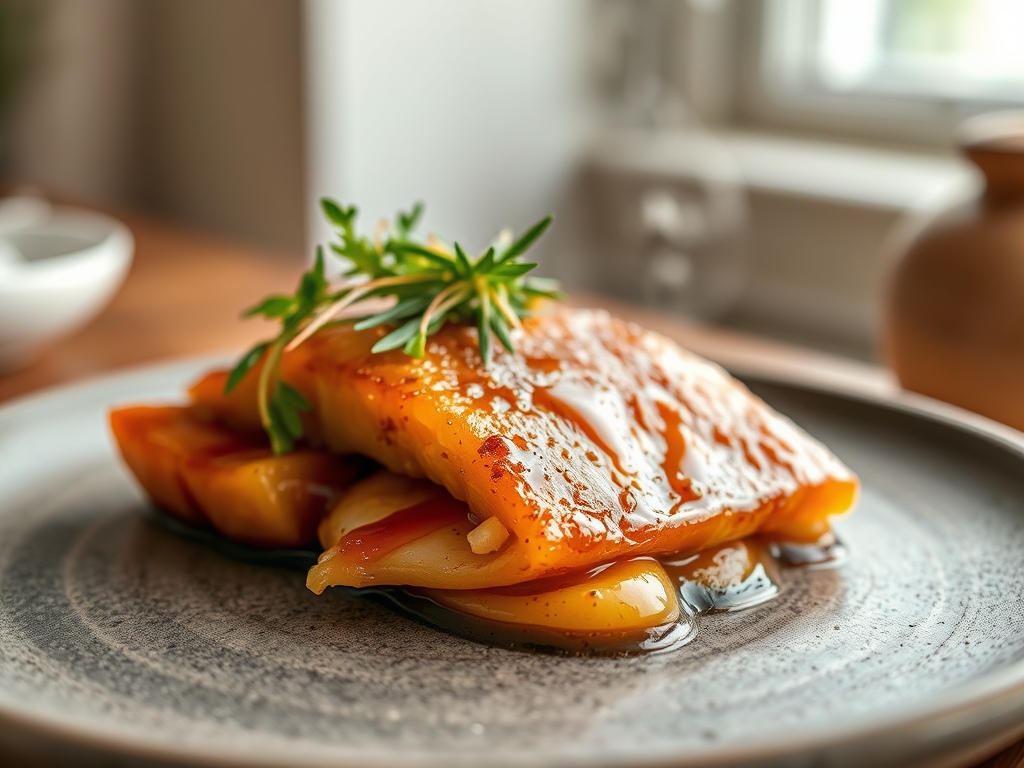
Forget the sanitized, shelf-stable amber liquids found in the supermarket aisles. We are diving into the visceral, saline-drenched world of Fish Sauce Extraction; a process that is less like cooking and more like high-stakes structural engineering. This is the audit of the Colatura di Alici and the Vietnamese Nuoc Mam. It is the result of thousands of pounds of pressure and months of proteolytic liquefaction. When you crack open a barrel of long-aged anchovies, you are not just smelling fish; you are smelling the violent breakdown of proteins into a piquant, umami-dense nectar. The aroma is aggressive, a funky baseline that vibrates through the kitchen before mellowing into a sweet, earthy finish. We are looking for that perfect viscous shimmer, a sign that the enzymes have done their job and rendered the solid flesh into a liquid gold. This is the ultimate culinary infrastructure project. If you cannot handle the funk, get out of the fermentation cellar. We are here to extract pure, unadulterated flavor through the lens of rigorous chemical transformation.
THE DATA MATRIX
| Metric | Specification |
|---|---|
| Prep Time | 45 Minutes (Initial Salting) |
| Execution Time | 12 to 24 Months (Fermentation) |
| Yield | 1.5 Liters / 6.3 Cups |
| Complexity (1-10) | 9 (Requires environmental control) |
| Estimated Cost per Serving | $0.45 |
THE GATHERS
Ingredient Protocol:
- 5kg / 11lbs Fresh Mediterranean Anchovies or Black Anchovies (Must be pristine).
- 1.5kg / 3.3lbs Non-iodized Sea Salt (Coarse grain preferred).
- 500ml / 2 cups Filtered Spring Water (For brine adjustments).
- 10g / 2 tsp Peppercorns (Optional for aromatic infusion).
Section A: Ingredient Quality Audit:
The primary failure point in Fish Sauce Extraction is the raw material. If your anchovies exhibit any signs of "belly burn" or yellowing of the flesh, your batch is compromised before you even begin. Sub-par fish contain oxidized lipids that will result in a rancid, soapy aftertaste rather than a clean, fermented profile. The technical fix is a rigorous temperature-controlled intake. Ensure the fish are kept at exactly 1 degree Celsius / 34 degrees Fahrenheit during the cleaning process. If the salt quality is poor, specifically if it contains anti-caking agents like sodium ferrocyanide, it will inhibit the specific halophilic bacteria required for proper proteolysis. Always source high-purity sea salt to ensure the osmotic pressure is consistent across the entire fermentation vessel.
THE MASTERCLASS
Step-by-Step Execution:
1. The Stratified Salting Phase
Layer the anchovies and salt in a sterilized ceramic crock or glass vessel. Start with a substantial layer of salt at the base to prevent any anaerobic pockets from forming at the bottom. Use a digital scale to ensure your salt-to-fish ratio is exactly 30 percent by weight.
Pro Tip: The science here is osmosis. The salt draws moisture out of the fish cells, creating a concentrated brine that inhibits spoilage bacteria while allowing proteolytic enzymes to begin breaking down muscle tissue.
2. The Compression Protocol
Place a weighted disc (a traditional wooden lid or a heavy stone) on top of the mixture. The weight should be at least 25 percent of the total mass of the fish. This pressure is essential to force the liquid upward and keep the solids submerged.
Pro Tip: Use a bench scraper to clean the sides of the vessel daily during the first week. Keeping the headspace clear of stray fish bits prevents mold growth and ensures a clean extraction.
3. The Fermentation Vigil
Store the vessel in a dark, stable environment between 25 and 30 degrees Celsius. This is the "sweet spot" for enzyme activity. Too cold, and the process stalls; too hot, and you risk thermophilic spoilage.
Pro Tip: This is where the saucier's palate comes into play. Periodically check the aroma. It should transition from "raw fish" to "cheesy" to "nutty" over the course of twelve months as the proteins fully liquefy.
4. The First Press Extraction
After the aging period, use a gravity-fed filtration system. Do not squeeze the solids. Allow the liquid to drip slowly through a fine-mesh chinois lined with triple-layered cheesecloth.
Pro Tip: Gravity filtration ensures the final product remains translucent and viscous. Forcing the liquid through a press will introduce particulate matter that clouds the sauce and shortens shelf life.
Section B: Prep & Timing Fault-Lines:
The most common human error is impatience. Attempting to harvest the sauce at the six-month mark results in a "green" flavor that lacks the molecular complexity of a long-aged extract. If you find the liquid is not surfacing after the first 48 hours, your weight is insufficient. Increase the load immediately. Temperature fluctuations are the second silent killer. If your cellar drops below 15 degrees Celsius, the enzymatic breakdown ceases. You must use a calibrated thermometer to monitor the ambient environment; consistency is the bedrock of successful fermentation.
THE VISUAL SPECTRUM
Section C: Thermal & Visual Troubleshooting:
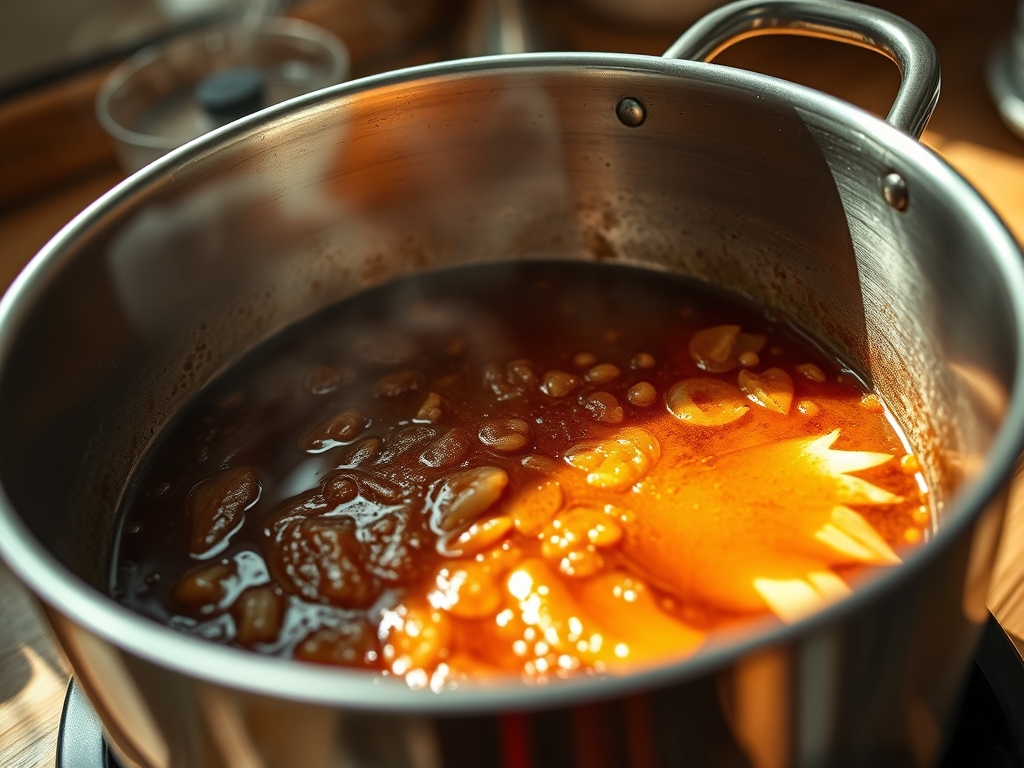
Referencing the Masterclass photo, the ideal extract should possess a deep mahogany hue with a brilliant clarity. If your sauce appears cloudy or "milky," it indicates that the fats have not properly separated or that the filtration was too aggressive. To fix this, allow the sauce to settle in a tall, narrow glass cylinder for 72 hours, then siphon the clear liquid from the top. If the color is too pale, it suggests the fish were not aged long enough to undergo sufficient Maillard-adjacent browning reactions during the fermentation. If you see dark spots or mold on the surface of the brine during aging, remove them immediately with a sterilized spoon and increase the salt concentration on the surface.
THE DEEP DIVE
Macro Nutrition Profile:
Fish sauce is a concentrated source of nitrogen and amino acids. While high in sodium (approximately 1,200mg per tablespoon), it is virtually fat-free and contains significant levels of Vitamin B12 and minerals like magnesium and potassium derived from the bone dissolution process.
Dietary Swaps:
- Vegan: Substitute with a blend of fermented soy, dried shiitake decoction, and seaweed extract to mimic the glutamate density.
- Keto/GF: Pure fish sauce is naturally keto and gluten-free, making it the perfect flavor enhancer for low-carb protocols.
Meal Prep & Reheating Science:
To maintain the molecular structure of the sauce, never boil it for extended periods. High heat can cause the delicate volatile aromatic compounds to evaporate, leaving behind only the saltiness. When reheating dishes containing fish sauce, add a fresh splash at the very end to infuse the dish with top-note aromatics. Store the finished extract in dark glass bottles to prevent light-induced oxidation.
THE KITCHEN TABLE
Why does my fish sauce smell like ammonia?
Minor ammonia scents are normal during early fermentation. However, a strong, stinging ammonia smell indicates the pH has risen too high. Increase salt content to stabilize the environment and ensure the fish remain fully submerged.
Can I use frozen fish for extraction?
Technically yes, but the cellular damage from ice crystals can lead to a mushy texture. Fresh, never-frozen fish provide the best enzymatic yield and a much cleaner, more vibrant end product.
How long will the final extract last?
Due to the high salt concentration and low water activity, a properly filtered fish sauce is shelf-stable for 2 to 3 years. Keep it in a cool, dark cupboard to preserve the piquant flavor profile.
What is the "mother" in the barrel?
The "mother" refers to the residual solids and active enzymes left after the first press. You can add a second brine to these solids to create a "second press" sauce, though it will be less concentrated.