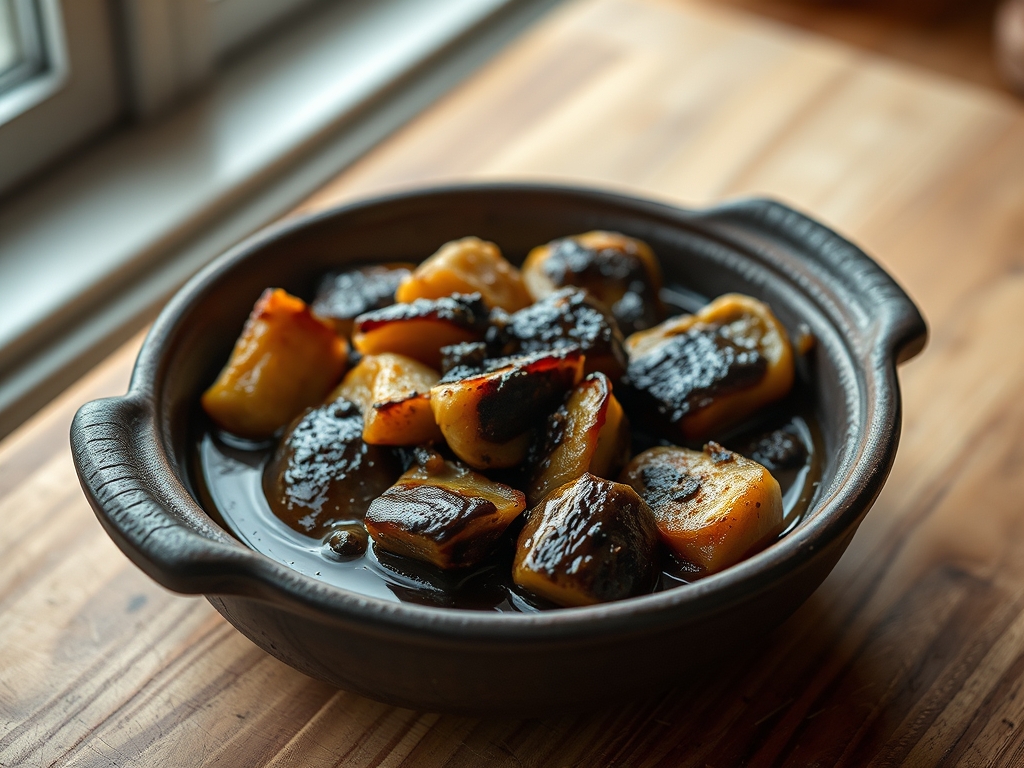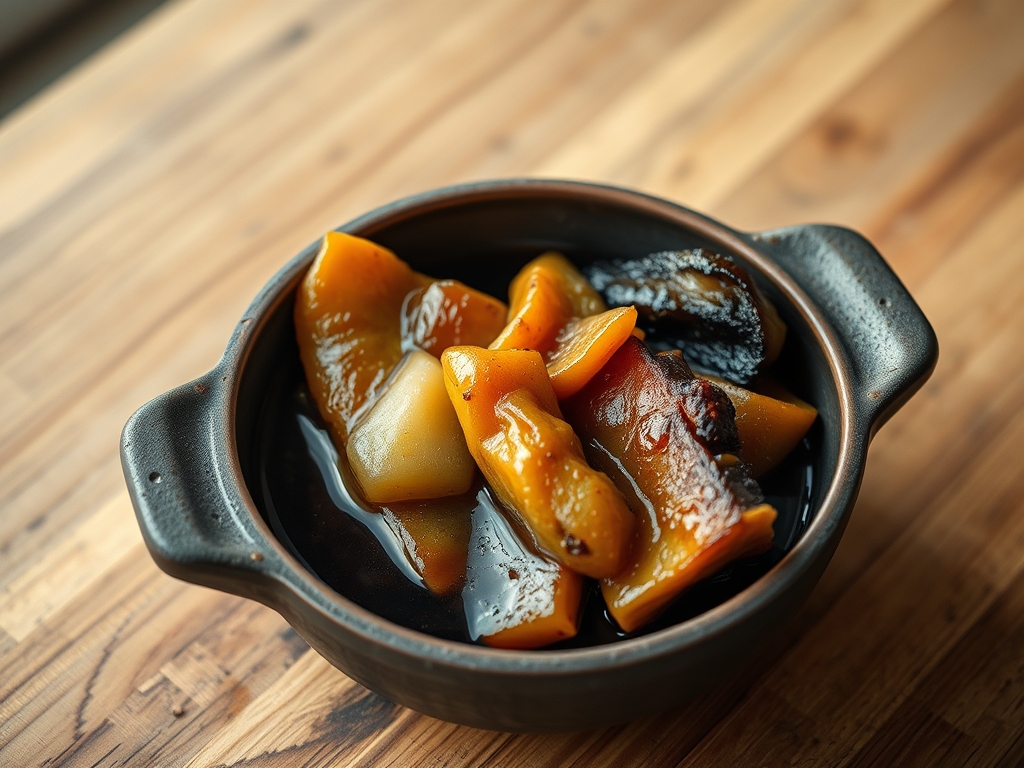
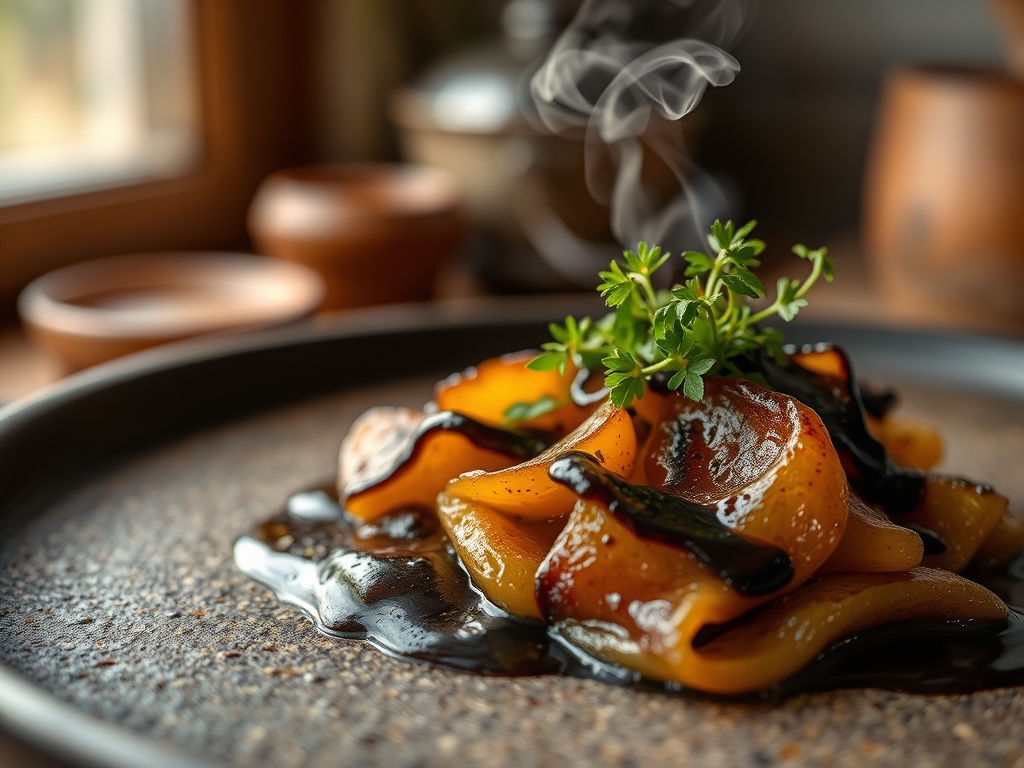
Forget everything you know about the watery, one dimensional acidity of white distilled vinegar. We are entering the realm of the dark arts. Chinkiang vinegar is not just a condiment; it is a structural foundation built on centuries of sorghum based fermentation. When we discuss Black Vinegar Kinetics, we are analyzing the specific movement of complex melanoidins and organic acids across a palate. This is a viscous, deep amber liquid that carries the ghost of smoky grains and the sharp, piquant bite of acetic acid. To master this ingredient is to understand the balance between sugar, starch, and microbial action. If your kitchen lacks this bottle, your culinary infrastructure is fundamentally compromised. We are looking for that perfect umami profile that bridges the gap between salty and sour. The kinetics of this vinegar involve a slow release of flavor that coats the tongue, unlike the immediate, stinging evaporation of lesser vinegars. Prepare your sensors for a technical audit of the most sophisticated acid in the global pantry.
THE DATA MATRIX
| Metric | Specification |
|---|---|
| Prep Time | 15 Minutes |
| Execution Time | 25 Minutes |
| Yield | 4 Servings |
| Complexity (1-10) | 6 |
| Estimated Cost per Serving | $4.50 |
THE GATHERS
Ingredient Protocol:
- 500g / 1.1 lbs Chicken Thighs (Boneless/Skinless)
- 60ml / 4 tbsp Chinkiang Black Vinegar
- 30ml / 2 tbsp Light Soy Sauce
- 15g / 1 tbsp Granulated Sugar
- 10g / 2 tsp Toasted Sesame Oil
- 20g / 4 cloves Fresh Garlic (Minced)
- 15g / 1 inch Fresh Ginger (Grated)
- 5g / 1 tsp Cornstarch
- 30ml / 2 tbsp Neutral Oil (Grapeseed or Avocado)
- 3g / 1 tsp Dried Chili Flakes
Section A: Ingredient Quality Audit:
Sub-par raw materials will collapse the flavor profile. If your black vinegar smells purely of alcohol, the fermentation was rushed. To fix this, simmer the vinegar with a pinch of brown sugar to mimic the aged depth of a premium brand. If your ginger is fibrous and dry, do not mince it; grate it into a paste to release the essential oils. If your soy sauce is too salty, dilute it with a splash of dashi or water to prevent the sodium from masking the Black Vinegar Kinetics. Always check the sediment at the bottom of the vinegar bottle; a small amount is a sign of traditional brewing, but excessive cloudiness indicates poor filtration.
THE MASTERCLASS
Step 1: The Protein Preparation
Begin by patting the chicken thighs dry with a lint free paper towel. Use a sharp chef knife to dice the meat into uniform 1 inch cubes. Place the cubes in a stainless steel mixing bowl and toss with a pinch of salt and the cornstarch. This creates a light barrier that will eventually help the sauce cling to the meat.
Pro Tip: Use a digital scale to ensure your cornstarch ratio is exact. Too much starch will create a gummy texture; too little will prevent the sauce from reaching the desired viscosity.
Step 2: Emulsifying the Base Sauce
In a small glass bowl, combine the Chinkiang vinegar, light soy sauce, and sugar. Use a mini whisk to agitate the mixture until the sugar crystals are fully dissolved. This is the core of your Black Vinegar Kinetics; the sugar must be integrated to balance the acetic bite.
Pro Tip: A small silicone whisk is the professional tool of choice here to ensure no sugar remains stratified at the bottom of the bowl.
Step 3: High Heat Maillard Induction
Heat your carbon steel wok or heavy bottomed saucier over high heat until it begins to wisp smoke. Add the neutral oil and swirl to coat. Add the chicken in a single layer. Do not crowd the pan or the temperature will drop, leading to steaming rather than searing.
Pro Tip: Use an infrared thermometer to verify the pan surface has reached at least 400 degrees Fahrenheit. This ensures rapid browning without overcooking the interior.
Step 4: Aromatics and Infusion
Once the chicken is browned and has rendered some fat, move the meat to the perimeter of the pan. Drop the garlic, ginger, and chili flakes into the center. Stir constantly for 30 seconds until the aroma is released but before the garlic turns bitter.
Pro Tip: A stainless steel bench scraper is excellent for moving prepped aromatics from your cutting board to the pan without losing any of the volatile juices.
Step 5: The Kinetic Reduction
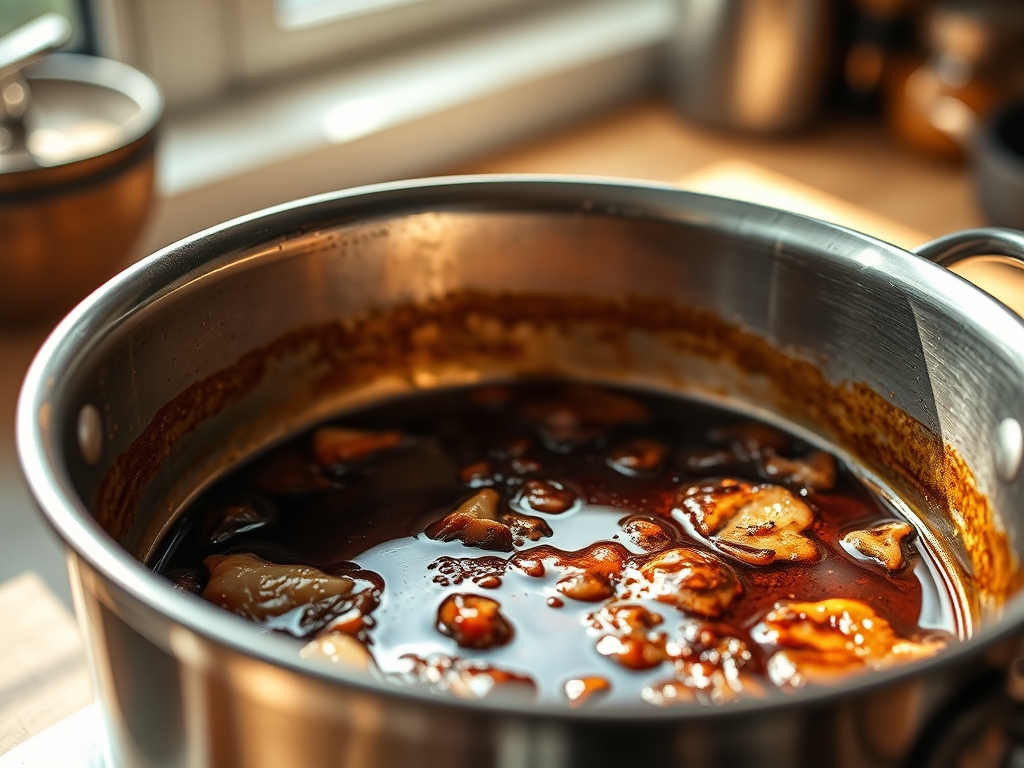
Pour the vinegar mixture over the chicken. The liquid will immediately bubble and deglaze the pan, lifting the browned bits (fond) into the sauce. Toss the chicken continuously to ensure every surface is coated as the sauce reduces into a thick, glossy lacquer.
Pro Tip: Use a high heat spatula to scrape the sides of the pan. The reduction happens quickly; you are looking for the sauce to coat the back of a spoon perfectly.
Section B: Prep & Timing Fault-Lines:
The most common failure in this protocol is the "crowded pan syndrome." If you add too much meat at once, the temperature crashes, the chicken releases water, and you lose the Maillard reaction. Another timing error occurs during the reduction phase. If you cook the vinegar for too long, the delicate aromatic top notes evaporate, leaving only a harsh acidity. Pull the pan from the heat the moment the sauce reaches a syrupy consistency.
THE VISUAL SPECTRUM
Section C: Thermal & Visual Troubleshooting:
Referencing the Masterclass photo, your final dish should exhibit a deep mahogany sheen. If the color is pale, your heat was too low or your vinegar was diluted. If the sauce looks broken or oily, you failed to properly emulsify the sugar and starch. The texture should be smooth and reflective. If the chicken looks "shaggy," you used too much cornstarch. A perfect execution shows distinct edges on the meat cubes with a translucent, dark glaze that does not pool excessively at the bottom of the plate.
THE DEEP DIVE
- Macro Nutrition Profile: Per serving, this dish contains approximately 280 calories, 24g protein, 12g fat, and 14g carbohydrates. The fermentation process in the vinegar introduces trace minerals and organic acids that aid in digestion.
- Dietary Swaps (Vegan/Keto/GF): For a vegan version, substitute the chicken with extra firm pressed tofu or king oyster mushrooms. For Keto, replace the sugar with a monk fruit sweetener and the cornstarch with xanthan gum (use only 1/4 tsp). For Gluten Free, ensure you use Tamari instead of soy sauce and verify the vinegar brand is grain based but certified GF.
- Meal Prep & Reheating Science: To maintain the molecular structure, reheat in a pan over medium heat with a tablespoon of water. Microwaving can cause the proteins to tighten and the starch in the sauce to become rubbery. Adding a fresh splash of black vinegar after reheating restores the volatile aromatics lost during cooling.
THE KITCHEN TABLE
How long does Chinkiang vinegar last?
Due to its high acidity and fermentation, an opened bottle remains shelf stable for up to two years. Keep it in a cool, dark cupboard to prevent the oxidation of its complex esters and to maintain its deep color.
Can I substitute balsamic vinegar?
Balsamic is too sweet and lacks the smoky, malty grain profile of sorghum. If you must substitute, mix 3 parts red wine vinegar with 1 part molasses to approximate the depth, though the kinetics will be noticeably different.
Why is my sauce not thickening?
This usually indicates the starch was not properly hydrated or the heat was insufficient. Ensure the sauce reaches a full boil for at least 30 seconds to activate the cornstarch granules and achieve the desired viscous coating.
Is the sediment safe to eat?
Yes. Traditional sorghum fermentation often leaves fine grain particles. These are harmless and often contain concentrated flavor compounds. Shake the bottle gently before use to redistribute these particles for a more consistent flavor profile.