The kitchen is a battlefield where the primary casualty is often the structural integrity of delicate whitefish. We are not just cooking dinner; we are executing a high-stakes Blackened Tilapia Audit to ensure your protein survives the thermal onslaught of a cast iron sear. Imagine the scene: a cloud of piquant spices hits the air as the Maillard reaction transforms a humble fillet into a crusty, mahogany masterpiece. The goal is a paradoxical achievement of texture where the exterior provides a rigid, spicy shield while the interior remains a flakey, translucent sanctuary of moisture. Most home cooks fail because they treat heat as a suggestion rather than a precision tool. They allow the fish to stick, the spices to scorch into bitterness, or the flesh to disintegrate into a sad pile of protein fibers. We are here to rectify those systemic failures. By treating your skillet as a pressurized chamber and your spices as a protective coating, you will master the infrastructure of flavor.
THE DATA MATRIX
| Metric | Specification |
|---|---|
| Prep Time | 12 Minutes |
| Execution Time | 8 Minutes |
| Yield | 4 Servings |
| Complexity (1-10) | 4 |
| Estimated Cost per Serving | $4.25 USD |
THE GATHERS
Ingredient Protocol:
- 4 Tilapia Fillets (approx. 170g / 6oz each)
- 15g / 1 tbsp Smoked Paprika
- 10g / 2 tsp Onion Powder
- 10g / 2 tsp Garlic Powder
- 5g / 1 tsp Cayenne Pepper
- 5g / 1 tsp Dried Oregano
- 5g / 1 tsp Dried Thyme
- 8g / 1.5 tsp Kosher Salt
- 5g / 1 tsp Cracked Black Pepper
- 60g / 4 tbsp Unsalted Butter (Melted)
- 30ml / 2 tbsp High-Smoke Point Oil (Avocado or Grapeseed)
- 1 Lemon (Cut into wedges for acidity)
Section A: Ingredient Quality Audit:
Sub-par raw materials are the silent killers of a successful Blackened Tilapia Audit. If your tilapia smells "fishy" rather than like a neutral sea breeze, the Trimethylamine Oxide has already begun to break down; discard it immediately. If your spices are dull in color or lack a pungent aroma, they have oxidized. To fix weak spices, briefly toast them in a dry saucier over low heat for 30 seconds to wake up the volatile oils before applying them to the fish. If your butter separates or contains too much water, it will steam the fish rather than fry it. Use high-fat European-style butter to ensure a more stable emulsion during the searing process.
THE MASTERCLASS
1. Moisture Extraction Protocol
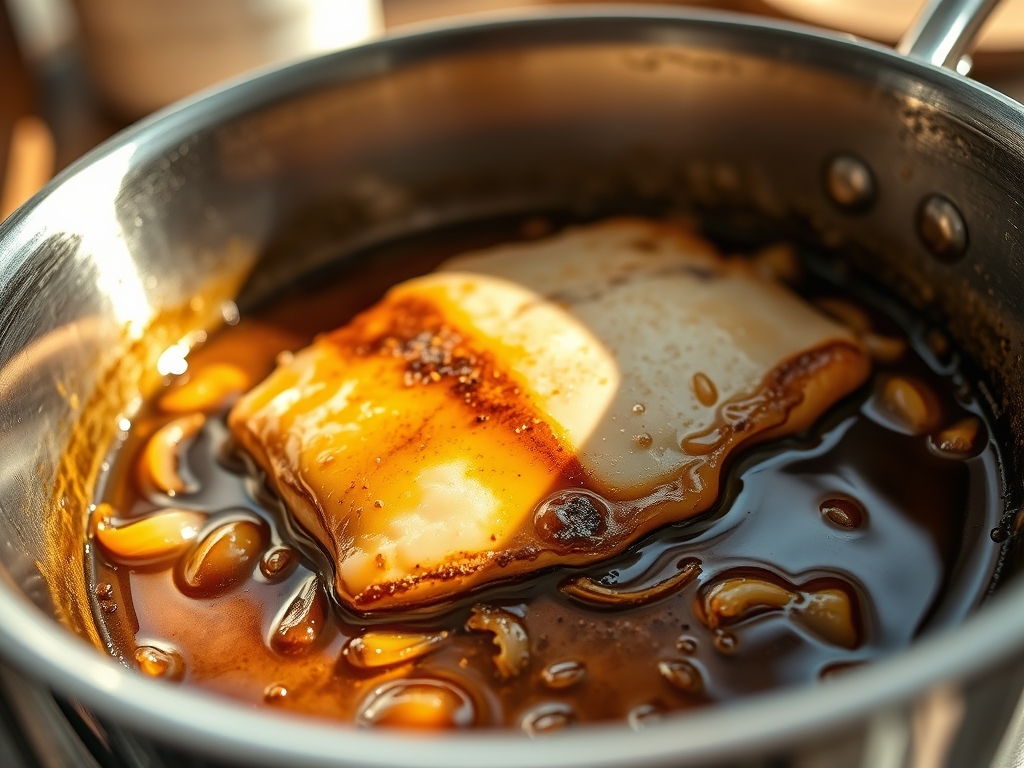
The greatest enemy of a crisp crust is surface moisture. Use heavy-duty paper towels to pat the fillets until they are bone-dry to the touch. Place the fillets on a digital scale to ensure even portioning, which guarantees a synchronized cooking time across the batch.
Pro Tip: Removing moisture prevents the formation of a steam barrier. This allows the spices to adhere directly to the protein fibers, ensuring the crust does not peel off in the pan.
2. Spice Matrix Integration
In a small stainless steel bowl, whisk together the paprika, onion powder, garlic powder, cayenne, oregano, thyme, salt, and pepper. Use a bench scraper to gather any stray granules and ensure a homogenous mixture. Dredge each fillet into the melted butter, then coat generously with the spice blend.
Pro Tip: The butter acts as a lipid bridge. It carries the fat-soluble flavor compounds from the spices deep into the surface of the fish while providing the milk solids necessary for deep browning.
3. Thermal Calibration
Heat a heavy cast-iron skillet over medium-high heat until it reaches approximately 230C (450F). Add the high-smoke point oil. Once the oil begins to shimmer and reach a viscous fluidity, gently lay the fillets away from you to avoid hot oil splatter.
Pro Tip: Cast iron has high thermal mass. It prevents the pan temperature from dropping when the cold fish is added, which is critical for the rapid dehydration required for a "blackened" finish.
4. The Controlled Sear
Cook the fish for 3 to 4 minutes without moving it. Use a thin metal fish spatula to check the underside. It should be dark brown to black (but not charred to ash). Flip the fillets carefully and cook for another 2 to 3 minutes until the internal temperature hits 63C (145F).
Pro Tip: Resist the urge to poke the fish. Every time you move the protein, you disrupt the crust formation and risk tearing the delicate flesh before the proteins have fully denatured and released from the pan.
Section B: Prep & Timing Fault-Lines:
Timing errors usually stem from a cold skillet or overcrowded pans. If you crowd the skillet, the ambient temperature drops, causing the fish to render its internal juices into the pan. This results in "gray fish" that is boiled rather than blackened. To fix this, cook in batches. If your timing is off and the crust is darkening too fast, add a cold knob of butter to the pan to instantly drop the temperature and infuse the crust with a nutty, brown-butter finish.
THE VISUAL SPECTRUM
Section C: Thermal & Visual Troubleshooting:
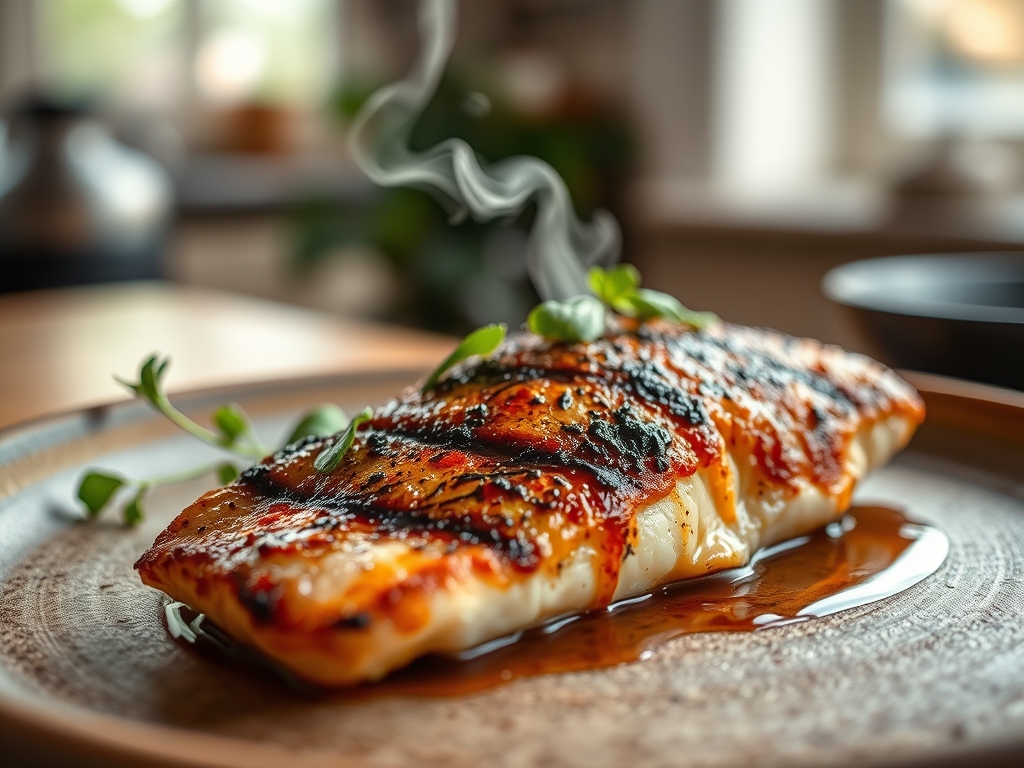
Observe the reference photo: the crust should be a variegated landscape of deep mahogany and dark crimson. If your fish looks pale or yellow, your heat was too low or your paprika was old. If the crust is flaking off in large chunks, you likely skipped the "moisture extraction" step, and the steam pushed the crust away from the meat. If the edges are curled upward, the heat was too aggressive, causing the collagen to contract too quickly. For a perfect visual, ensure the spices look "matte" rather than "wet" before they hit the pan.
THE DEEP DIVE
Macro Nutrition Profile:
A standard serving of this Blackened Tilapia provides approximately 35g of protein, 12g of fat (largely dependent on butter retention), and 2g of carbohydrates. It is a high-density protein source with a low caloric footprint.
Dietary Swaps:
- Vegan: Replace tilapia with firm pressed tofu or "banana blossom" and use a vegan butter alternative based on avocado oil.
- Keto: This recipe is naturally Keto-compliant; ensure your garlic and onion powders do not contain anti-caking starches.
- GF: This infrastructure is naturally gluten-free as it relies on spice density rather than flour dredging.
Meal Prep & Reheating Science:
To maintain the molecular structure during reheating, avoid the microwave. The microwave agitates water molecules, which turns the crust soggy. Instead, use an air fryer at 175C (350F) for 4 minutes. This re-dehydrates the surface and maintains the "shield" without overcooking the delicate interior.
THE KITCHEN TABLE
Why is my fish sticking to the cast iron?
Your pan was likely not hot enough or not properly seasoned. Ensure the oil is shimmering and the fish is dry. If it sticks, wait thirty seconds; the fish will naturally release once the crust has fully formed.
Can I use a non-stick pan for this?
You can, but you will not achieve the same crust depth. High-heat blackening can also damage the PTFE coating on many non-stick pans. Stick to cast iron or stainless steel for the best structural results.
What is the difference between blackened and burnt?
Blackening is the caramelization of spices and milk solids from butter. Burning is the carbonization of the protein itself. Blackened fish tastes spicy and savory; burnt fish tastes acrid, bitter, and like a campfire.
How do I prevent the kitchen from filling with smoke?
Blackening is a high-smoke process. Ensure your kitchen is well-ventilated, use a high-smoke point oil like avocado oil, and keep a lid nearby to dampen any potential flare-ups from the butter fats.