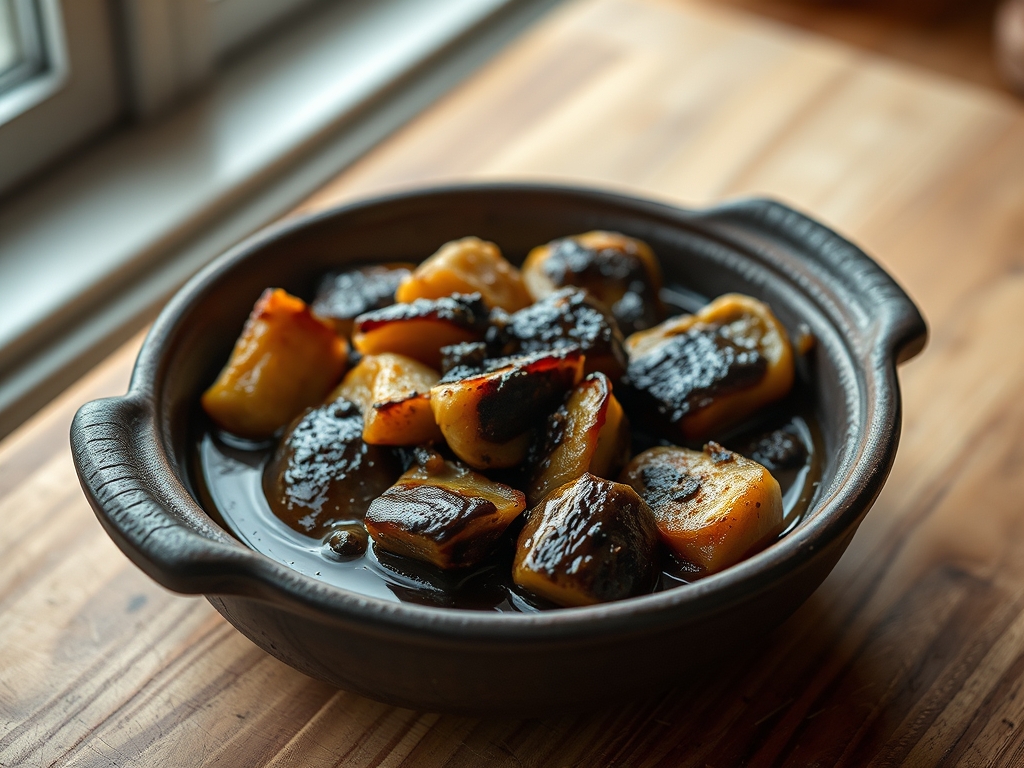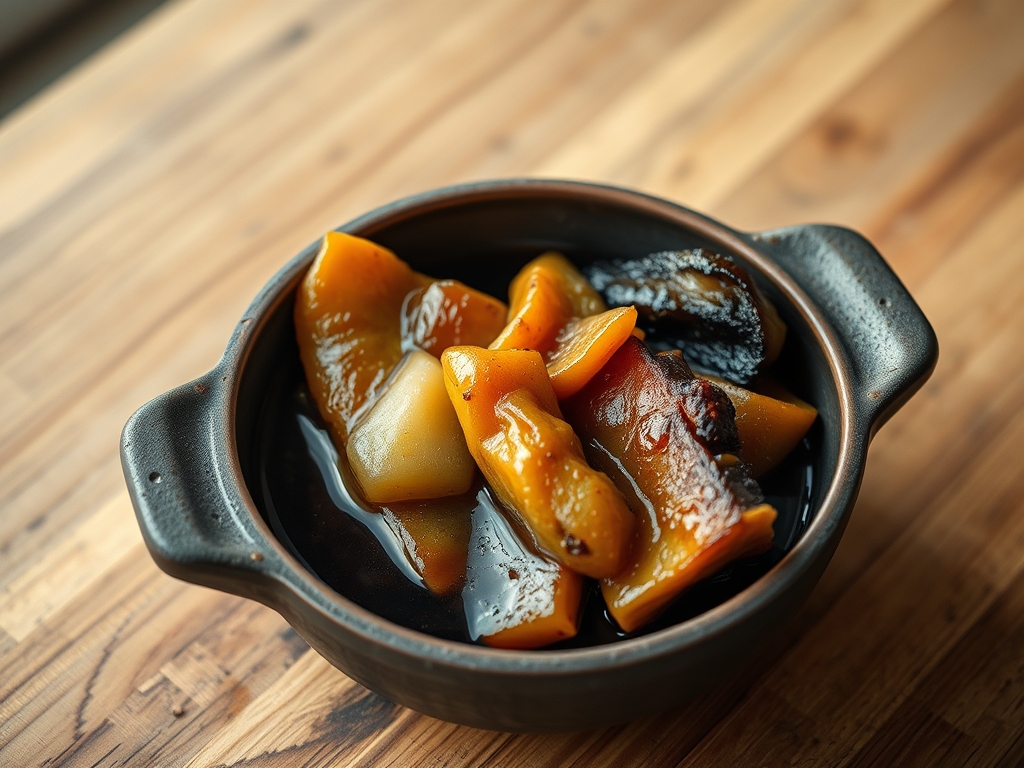
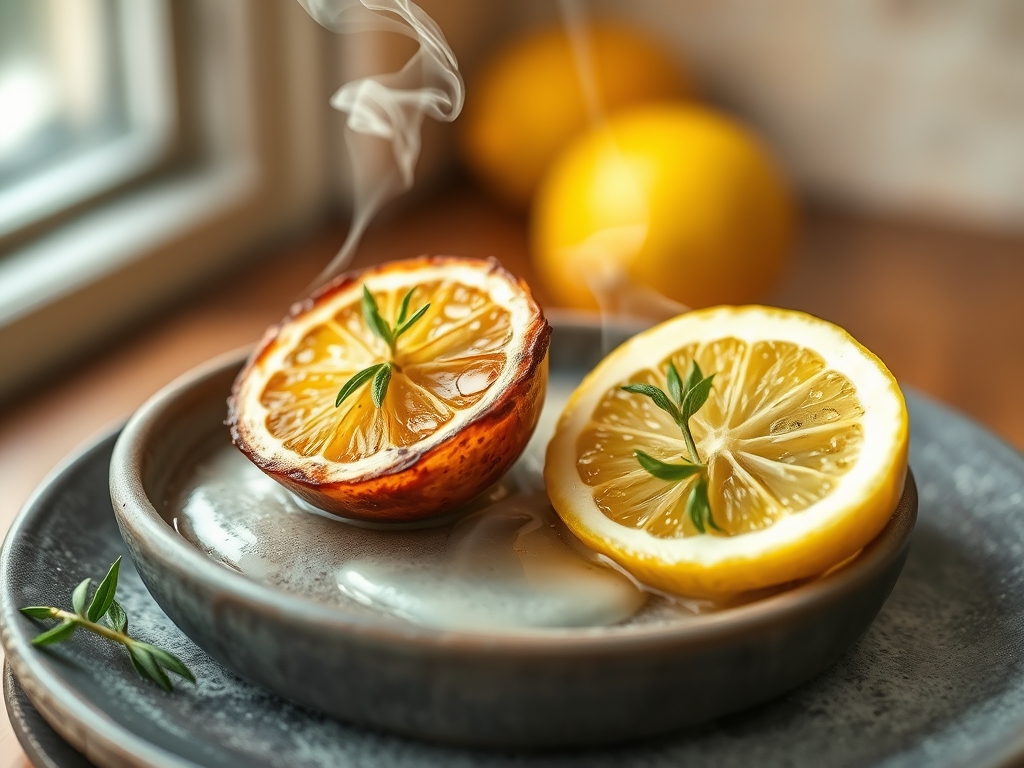
Forget everything you know about the predictable, high-pitched sting of raw citrus. We are moving beyond the realm of simple garnishes and into the high-stakes world of molecular transformation. When you subject a halved lemon to intense, direct thermal energy, you are not just cooking fruit; you are conducting a full-scale chemical audit of its cellular structure. The heat triggers a violent Maillard reaction between the residual sugars and amino acids in the pith and pulp. This process creates a complex, smoky depth that softens the aggressive acidity into something far more viscous and sophisticated. Charred Lemon Juice is the secret weapon of the modern culinary infrastructure. It provides a piquant backbone to sauces, vinaigrettes, and cocktails that raw juice simply cannot replicate. We are looking for that specific point of carbonization where the sugars caramelize but the juice remains bright. It is a balancing act of fire and fruit, a technical maneuver designed to infuse your base components with a depth of flavor that lingers on the palate long after the first bite.
THE DATA MATRIX
| Metric | Specification |
|---|---|
| Prep Time | 5 Minutes |
| Execution Time | 8 Minutes |
| Yield | 180ml / 0.75 Cup |
| Complexity (1-10) | 3 |
| Estimated Cost per Serving | $0.45 |
THE GATHERS
Ingredient Protocol:
- 6 Large Organic Lemons (approx. 600g / 1.3 lbs)
- 15ml / 1 tbsp Neutral High-Smoke Point Oil (Grapeseed or Avocado)
- 2g / 0.5 tsp Fine Sea Salt
- 5g / 1 tsp Granulated Sugar (Optional for enhanced caramelization)
Section A: Ingredient Quality Audit:
If your lemons feel like softballs, they are likely past their prime and the internal membranes have begun to break down. This results in a muddy, fermented flavor profile when heated. To fix this, soak them in an ice bath for 20 minutes to tighten the skin. If you are dealing with thick-skinned, pithy lemons that yield little juice, roll them firmly against a clean workstation using your palm before slicing. This ruptures the internal juice vesicles, ensuring maximum extraction. Always avoid waxed lemons if possible; the synthetic coating can create a chemical off-gas when it hits a hot cast iron surface. If wax is unavoidable, scrub the fruit under hot water with a stiff brush before proceeding with the audit.
THE MASTERCLASS
1. Surface Preparation and Calibration
Begin by slicing your lemons crosswise to expose the maximum surface area of the pulp. Pat the cut sides bone-dry with a lint-free towel. Moisture is the enemy of the char; if the surface is wet, the fruit will steam rather than sear. Lightly dust the exposed faces with a pinch of sugar if your lemons are particularly high in acid and low in natural brix.
Pro Tip: Use a digital scale to ensure your lemons are of uniform weight. This ensures that the thermal penetration remains consistent across the entire batch, preventing some halves from over-extracting bitter oils while others remain under-developed.
2. Thermal Engagement
Heat a heavy-bottomed cast iron skillet or a professional-grade saucier over medium-high heat until you see faint wisps of smoke. Add your high-smoke point oil. Place the lemons cut-side down into the pan. Do not crowd the vessel; leave at least two centimeters of space between each half to allow steam to escape.
Pro Tip: Press down firmly on each lemon half with a bench scraper or a heavy weight for the first 30 seconds. This ensures total surface contact with the heat source, creating an even, mahogany-colored crust rather than splotchy, uneven browning.
3. The Extraction Phase
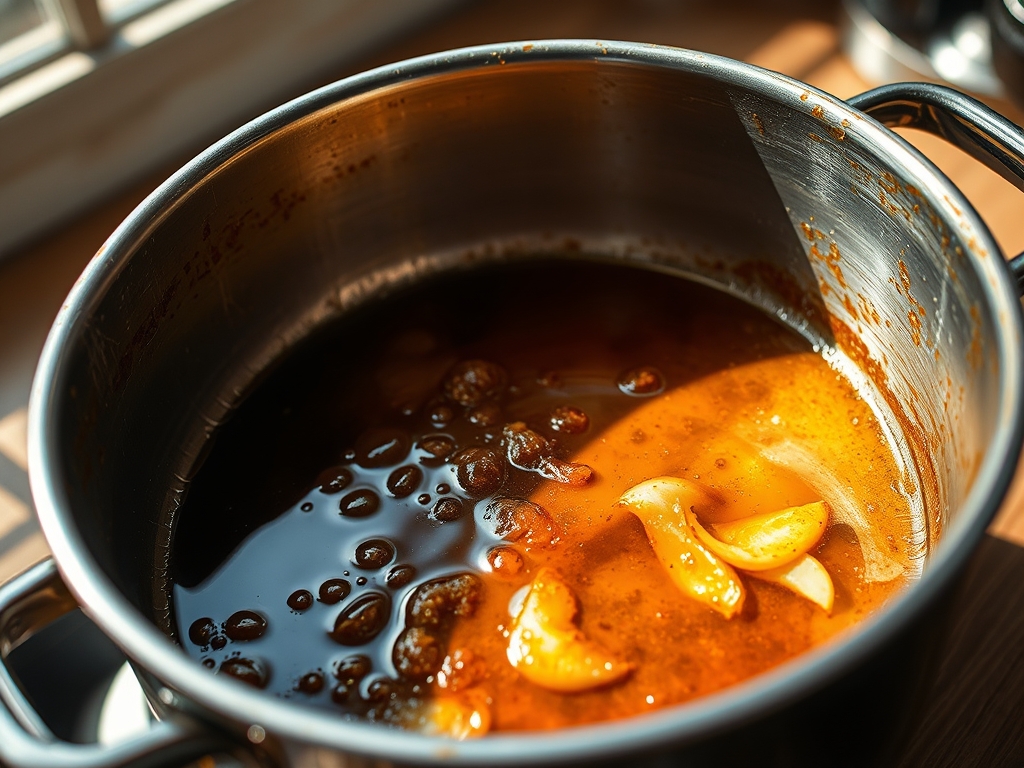
Once the faces are deeply charred and the skins have turned a bright, translucent yellow, remove them from the heat. Allow the fruit to rest for two minutes. This allows the internal pressure to stabilize, making the juice easier to render without losing half of it to the cutting board. Use a manual citrus press to extract the liquid into a stainless steel bowl.
Pro Tip: Pass the resulting liquid through a fine-mesh chinois. This removes any charred debris or stray seeds, ensuring the final product is a smooth, viscous elixir rather than a gritty slurry.
Section B: Prep & Timing Fault-Lines:
The most common failure in this protocol is "Thermal Drag." This occurs when the pan is not hot enough, causing the lemons to sit in the heat for too long. The result is a cooked, "canned" flavor rather than a fresh, smoky one. If you notice the juice beginning to bubble out from the sides before the face is charred, your heat is too low. Increase the flame immediately. Conversely, if the char happens in under 60 seconds, the heat is too high and you risk scorching the sugars, which introduces an acrid, metallic bitterness that cannot be corrected.
THE VISUAL SPECTRUM
Section C: Thermal & Visual Troubleshooting:
Referencing the Masterclass photo, you are looking for a "Deep Ember" aesthetic. The edges of the lemon should show a dark, carbonized ring, while the center segments should be a rich, golden amber. If your lemons look pale and yellow, they lack the chemical complexity of a true char. If they are uniformly black and ashy, you have incinerated the volatile oils. To fix a dull appearance, whisk in a drop of high-quality extra virgin olive oil to emulsify the juice; this adds a glossy sheen and rounds out the sharp edges of the smoke. If the texture is too thin, reduce the juice by 10 percent in a small pan to concentrate the solids.
THE DEEP DIVE
Macro Nutrition Profile:
Charred Lemon Juice is virtually calorie-free, containing approximately 3 calories per tablespoon. It is high in Vitamin C, though the thermal processing does degrade about 15 to 20 percent of the heat-sensitive ascorbic acid. However, the concentration of antioxidants often increases as the water evaporates.
Dietary Swaps:
This protocol is naturally Vegan, Keto, and Gluten-Free. For a lower-glycemic version, omit the dusting of sugar. If you require a more savory profile, replace the sugar with a dusting of smoked paprika or cumin before searing.
Meal Prep & Reheating Science:
To maintain the molecular structure, store the juice in an airtight glass container for up to five days. Do not freeze in large batches; use an ice cube tray to freeze individual portions. When reheating, do so gently. Rapid boiling will cause the delicate aromatic compounds to dissipate, leaving you with a flat, acidic liquid.
THE KITCHEN TABLE
How do I store leftover charred juice?
Transfer the liquid to a sterilized glass jar and refrigerate. The smoky notes will actually deepen over 24 hours. For long-term storage, freeze in cubes to infuse into future soups or stews.
Can I do this on an outdoor grill?
Absolutely. The direct flame of a charcoal grill adds an even more intense wood-smoke profile. Ensure the grates are cleaned with a wire brush and well-oiled to prevent the fruit membranes from sticking and tearing.
Why does my juice taste bitter?
You likely pressed the lemons too hard during extraction, releasing the oils from the white pith. Use a gentle hand with the citrus press. The goal is to extract the juice, not the bitterness of the rind.
What is the best use for this juice?
Use it to deglaze a pan after searing scallops or chicken. The acidity cuts through the fat, while the char complements the browned bits of protein left in the pan, creating an instant, high-level pan sauce.