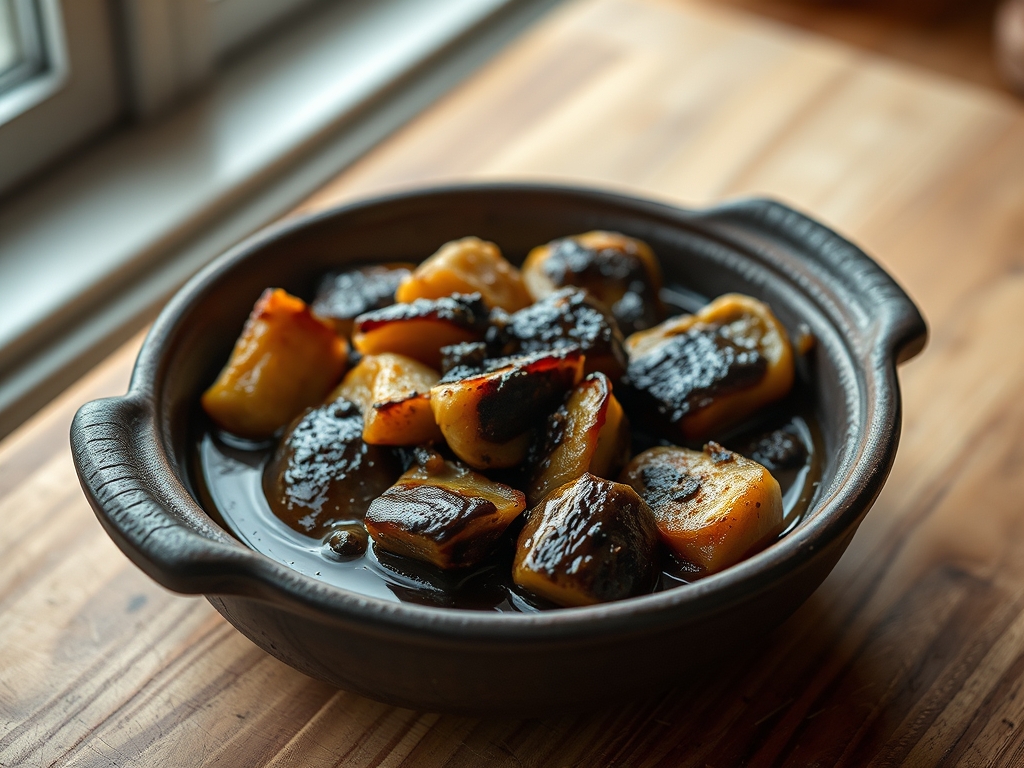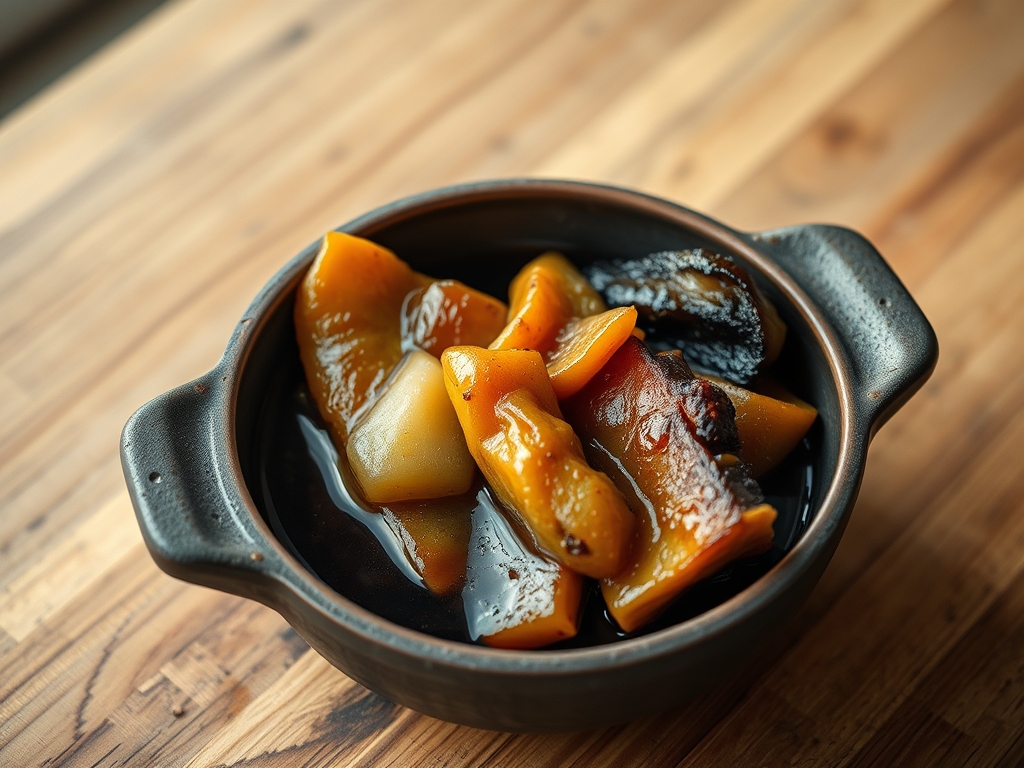
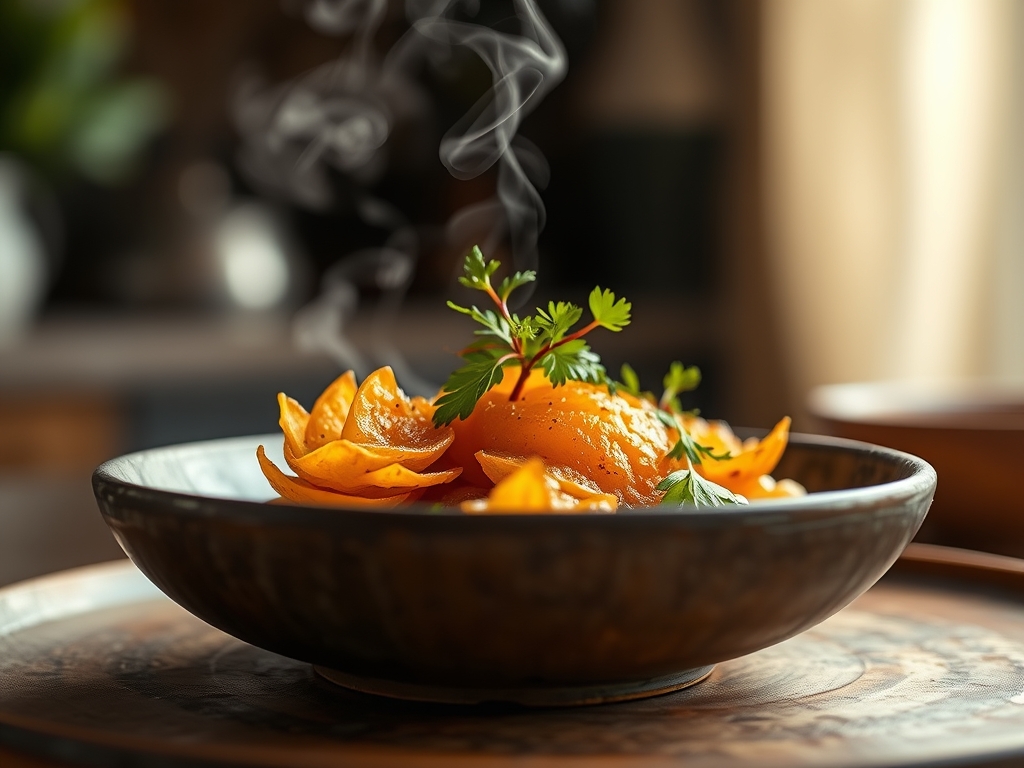
Welcome to the high stakes theater of marine lipids. We are not merely discussing a seafood condiment; we are auditing the structural integrity of the ocean's most volatile custard. When you handle high grade gonads, you are managing a complex matrix of phospholipids and omega-3 fatty acids that threaten to collapse at the slightest thermal provocation. The Sea Urchin Uni Flow is the gold standard of this discipline. It is a state of matter that exists precisely between a liquid and a solid; a golden, viscous tide that must coat the palate with the authority of a heavy cream but the briny punch of a crashing wave. If your texture is grainy, you have failed the audit. If your emulsion breaks, your kitchen is in receivership. We are looking for that specific, shimmering viscosity that signals a perfect suspension of fats. This is the ultimate technical challenge for the modern saucier. It requires a surgeon's precision and a chemist's understanding of protein denaturation. Strap in, because we are about to optimize your oceanic output.
THE DATA MATRIX
| Metric | Specification |
|---|---|
| Prep Time | 20 Minutes |
| Execution Time | 15 Minutes |
| Yield | 500ml / 2 Cups |
| Complexity (1-10) | 8 |
| Estimated Cost per Serving | $18.50 USD |
THE GATHERS
Ingredient Protocol:
- Fresh Grade A Uni (Sea Urchin): 200g / 7oz
- High-Fat Unsalted Butter: 115g / 1/2 cup
- Dry White Wine (Muscadet or Chablis): 60ml / 1/4 cup
- Shallots (Fine Mince): 30g / 2 tbsp
- Heavy Cream (40% Fat): 120ml / 1/2 cup
- Lemon Juice (Freshly Squeezed): 15ml / 1 tbsp
- Fine Sea Salt: 2g / 1/4 tsp
- White Pepper: 1g / 1/8 tsp
Section A: Ingredient Quality Audit:
The primary failure point in the Sea Urchin Uni Flow is the use of "B-Grade" or "C-Grade" urchin which often contains alum. Alum is used as a stabilizer to keep the lobes intact, but it introduces a metallic, bitter aftertaste that will ruin your reduction. If your uni smells like a wet pier instead of a fresh breeze, do not proceed. To fix sub-par texture in slightly older uni, you can aerate the roe with a small amount of chilled heavy cream before incorporating it into the base. This masks minor structural degradation. If your butter has a low milk-solid content, your emulsion will lack the necessary "cling" factor. Always opt for European-style cultured butter to ensure the lipid profile is robust enough to carry the brine.
THE MASTERCLASS
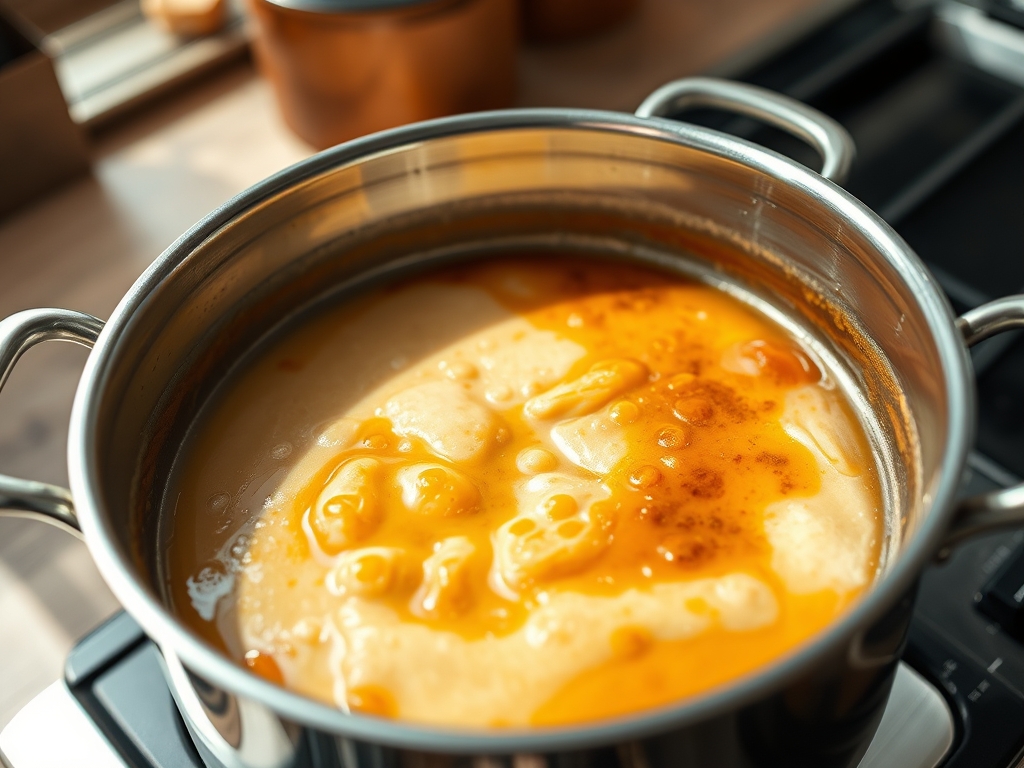
Step 1: The Aromatic Reduction
Place your finely minced shallots and white wine into a stainless steel saucier. Bring the mixture to a simmer over medium heat. You are looking to deglaze the pan and reduce the liquid until it is a syrupy consistency, known as "au sec." This concentrates the acidity needed to cut through the heavy lipids later in the process.
Pro Tip: Use a digital scale to measure your reduction. Losing too much moisture here will result in a sauce that is too salty; keeping too much will prevent the emulsion from stabilizing. The science here is about controlling the water-to-fat ratio.
Step 2: The Lipid Integration
Reduce the heat to the lowest possible setting. Begin whisking in your chilled, cubed butter one piece at a time. This is the classic "monter au beurre" technique. You are creating a primary emulsion before the uni is even introduced. The butter must soften and incorporate without melting into a clear oil.
Pro Tip: Use a high quality silicone whisk to ensure you are reaching the curved edges of the saucier. If the temperature exceeds 140 degrees Fahrenheit (60 Celsius), the milk solids will separate and the "flow" will be compromised.
Step 3: The Uni Liquefaction
In a separate chilled bowl, gently press the sea urchin through a fine-mesh tamis or sieve using a bench scraper. This breaks down the cellular walls of the gonad and creates a uniform paste. Slowly whisk this paste into your butter reduction. The color should shift to a vibrant, glowing orange.
Pro Tip: This is where the Sea Urchin Uni Flow is born. The lecithin naturally present in the urchin acts as a secondary emulsifier, further stabilizing the butter and cream.
Step 4: Final Aeration and Tempering
Slowly stream in the heavy cream while whisking constantly. Increase the heat slightly, but do not allow the mixture to bubble. You want to infuse the cream with the briny essence of the urchin. Finish with lemon juice to brighten the profile and a final pass through a chinois for a silk-like finish.
Pro Tip: Use an immersion blender for thirty seconds at the very end to aerate the sauce. This introduces micro-bubbles that lighten the mouthfeel, preventing the sauce from feeling "heavy" on the tongue.
Section B: Prep & Timing Fault-Lines:
The most common human error is the "Thermal Shock" during Step 3. If the butter base is too hot when the cold uni is added, the proteins in the urchin will seize and create tiny, unappetizing clumps. Conversely, if the base is too cold, the butter will not properly render into the uni paste, resulting in a greasy film. Maintain a consistent 125 degrees Fahrenheit for the duration of the mixing phase. If you miss your window, you can sometimes rescue the sauce by whisking in a teaspoon of boiling water to re-establish the emulsion.
THE VISUAL SPECTRUM
Section C: Thermal & Visual Troubleshooting:
Referencing the Masterclass photo, the Sea Urchin Uni Flow should possess a "High-Gloss" finish. If your sauce looks matte or dull, it is likely under-emulsified or has been held at a high temperature for too long, causing the delicate fats to oxidize.
- Uneven Coloring: If you see streaks of pale yellow against the orange, your uni was not properly processed through the tamis. You must ensure the paste is perfectly homogenous before it hits the pan.
- The "Broken" Look: If you see beads of yellow oil on the surface, your emulsion has collapsed. To fix this, remove from heat immediately and whisk in a tablespoon of cold heavy cream.
- Dullness: A lack of sheen usually indicates a lack of acidity. A few extra drops of lemon juice can often "reset" the visual brightness by shifting the pH slightly.
THE DEEP DIVE
Macro Nutrition Profile:
This is a lipid-dense powerhouse. A single serving contains approximately 22g of fat, 5g of protein, and 3g of carbohydrates. It is exceptionally high in Vitamin B12 and Selenium. It is a "luxury fuel" meant for high-impact flavor delivery.
Dietary Swaps:
- Vegan: This is a challenge, but a "Uni Flow" can be mimicked using a base of soaked cashews, nutritional yeast, and a hint of sea buckthorn berry for acidity and color. Replace butter with a high-quality vegan cultured butter.
- Keto: This recipe is naturally Keto-compliant. Ensure your white wine is bone-dry to minimize residual sugars.
- GF: Naturally gluten-free. No thickeners like flour are used in a proper lipid-based flow.
Meal Prep & Reheating Science:
Do not microwave this sauce. The uneven electromagnetic waves will shatter the emulsion instantly. To reheat, use a bain-marie (water bath) and whisk gently as the temperature rises. The molecular structure of the uni proteins is fragile; once they are cooked beyond a certain point, they cannot be "un-cooked" to regain their creamy flow.
THE KITCHEN TABLE
Can I use frozen uni for this?
You can, but the "flow" will be less stable. Freezing damages the cellular structure, leading to more water release. You will need to reduce your wine base further to compensate for the extra moisture.
Why is my sauce greyish-orange instead of bright?
This is usually caused by over-whisking in a reactive metal pan (like aluminum). Always use stainless steel or copper with a tin lining to maintain the vivid pigment of the urchin.
How long does the Uni Flow stay stable?
In a professional thermal carafe, it stays perfect for about two hours. After that, the fats begin to saturate and the texture becomes heavy. It is best served immediately.
What is the best pairing for this texture?
Contrast is key. Serve over a crisp render of pork belly or a firm, poached scallop. The "flow" needs a solid anchor to highlight its ethereal, viscous nature.